A scenic view is defined as an active sensory ingredient in Mediterranean dining, not a passive backdrop. Research confirms that views increase dopamine and reduce stress, which directly elevates flavor perception and emotional engagement during a meal. The role of view in Mediterranean dining goes beyond aesthetics. It shapes how food tastes, how long guests linger, and how vividly they remember the experience. Mediterranean culture has always treated the surrounding environment as part of the meal itself, making location and scenery as deliberate as the menu.
How do scenic views influence the sensory and emotional aspects of Mediterranean dining?
A view does measurable work on the brain before the first bite arrives. Scenic views increase meal duration and emotional engagement, making meals more memorable than identical food served in a windowless room. That is not a minor effect. It means the same paella tastes richer when eaten facing the sea or a landmark skyline.
The mechanism is neurological. Pleasant visual stimuli trigger dopamine release, which heightens sensitivity to taste and smell. Stress hormones drop, and the palate opens up. This is why a grilled fish dish eaten on a terrace overlooking the Mediterranean coast registers as more flavorful than the same dish eaten indoors. The view primes the brain to receive pleasure.
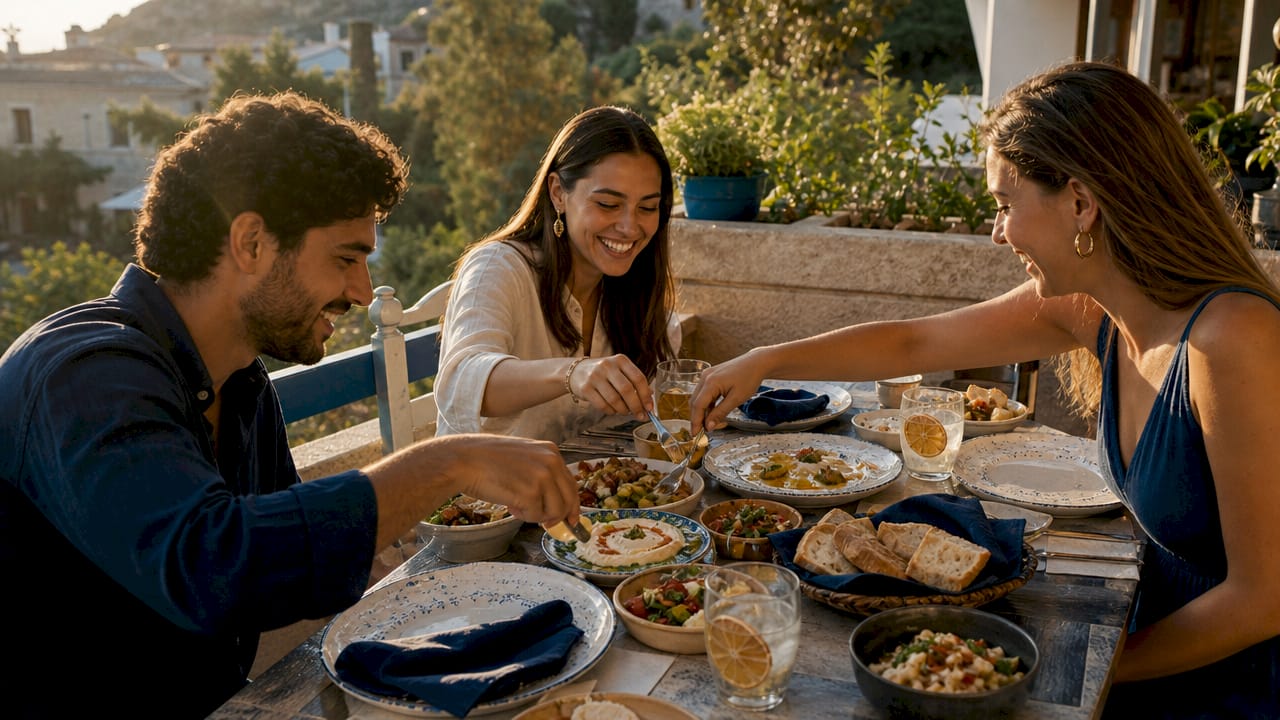
Visual stimuli also strengthen memory encoding. Diners who eat in scenic settings recall the meal in greater detail weeks later, including specific flavors and textures. This is the foundation of what food researchers call sensory storytelling, where the environment and the food narrate a single coherent experience. Mediterranean cuisine, built on fresh ingredients, bright flavors, and regional identity, is uniquely suited to this kind of storytelling.
Key ways a view shapes the dining experience:
- Dopamine activation: A pleasant view triggers the brain’s reward system before food arrives, raising baseline enjoyment.
- Stress reduction: Lower cortisol levels make diners more receptive to subtle flavors in dishes like seafood, fresh herbs, and citrus.
- Extended dwell time: Guests stay longer at scenic tables, ordering more courses and engaging more deeply with the meal.
- Memory anchoring: The visual context acts as a memory cue, making the meal easier to recall and recommend to others.
- Emotional connection: A view tied to a place, whether a cathedral facade or a harbor, adds cultural meaning to the food on the plate.
Pro Tip: Book a terrace table for the early evening rather than peak midday. The light is softer, the temperature drops, and the view transitions from bright to golden, which intensifies the sensory experience without glare.
What are the characteristic design elements that integrate the view into Mediterranean restaurants?
Great Mediterranean restaurants treat the view as a design problem, not a lucky accident. Sensory storytelling through natural materials, warm lighting, and menu authenticity are the tools that embed the view into the dining experience rather than letting it compete with it. The goal is alignment: the room should feel like a continuation of what you see outside.
The most effective design choices follow a clear logic:
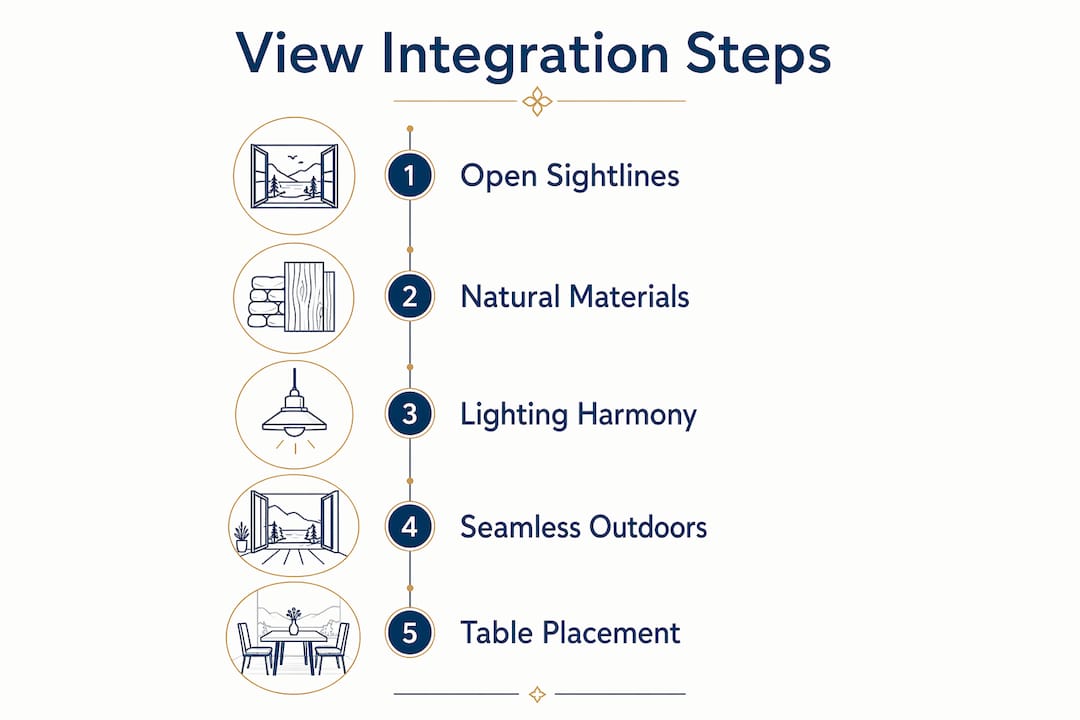
- Natural materials: Stone, terracotta tile, raw wood, and linen textures echo the outdoor environment. They signal to the eye that inside and outside belong to the same world. A restaurant that uses chrome and glass indoors while offering a stone terrace creates visual dissonance that weakens both spaces.
- Warm, layered lighting: Overhead lighting that mimics the color temperature of sunlight keeps the transition between interior and exterior comfortable. Harsh white light makes the view look dark by contrast. Warm amber tones make the outside glow.
- Open sightlines: Furniture height, table placement, and window or railing design must preserve unobstructed views from every seat. A single structural column in the wrong place can ruin a table’s connection to the scenery.
- Acoustic management: Noise levels inside the restaurant affect how guests perceive the view. A calm, well-paced soundscape, whether from low music or natural ambient sound, keeps attention on the view and the food rather than pulling it toward conversation at neighboring tables.
- Lighting transitions: Restaurants alter interior ambiance to complement natural light shifts throughout the service. As the sun moves, the interior lighting adjusts to keep the view readable and comfortable, preventing the jarring moment when the outside goes dark and the window becomes a mirror.
The atmosphere of Mediterranean restaurants is built on this principle of continuity. The best venues do not decorate around the view. They design toward it, so that every material choice reinforces what the diner sees through the window or across the terrace.
Pro Tip: When evaluating a restaurant’s design, look at the table closest to the view. If it has a candle, a low centerpiece, and no overhead glare, the restaurant has thought carefully about the full sensory package.
How does service and restaurant atmosphere complement the role of the view?
Service is the human layer that connects the physical environment to the guest’s emotional response. A spectacular view attracts guests, but attentive service ensures lasting satisfaction and recommendations. Without that human connection, even the most dramatic scenery fades into wallpaper.
The relationship between service and scenery works in both directions. A knowledgeable server who explains how a dish connects to the region visible from the terrace deepens the guest’s engagement with both the food and the view. That kind of contextual storytelling is a skill, and the best Mediterranean restaurants train for it deliberately.
Atmosphere rhythm matters as much as individual service moments. The pacing of courses, the energy level of the room, and the balance between attentive presence and respectful space all shape how guests experience the view over the course of a meal. A rushed service breaks the spell. A relaxed, well-timed rhythm lets guests settle into the scenery.
Key service and atmosphere factors that amplify the view:
- Cleanliness and consistency: Gratification and aesthetics are the top predictors of positive restaurant recommendations. A spotless terrace and consistent table presentation signal that the restaurant respects the experience it is selling.
- Staff knowledge: Servers who can describe the origin of ingredients, the history of a dish, or the significance of the view create a narrative that makes the meal feel intentional.
- Pacing: Courses timed to natural light changes, such as a dessert arriving at sunset, turn a meal into a choreographed event rather than a transaction.
- Energy calibration: The indoor vibe and outdoor scenery need to match in energy. A loud, chaotic interior undermines a tranquil sea view. A quiet, thoughtful room amplifies it.
The terrace dining experience depends on this alignment between human service and physical setting. When both work together, the view stops being a feature and becomes the frame for the entire memory.
How can travelers choose Mediterranean dining experiences that maximize the view?
Choosing the right venue and the right table requires more than reading reviews. Prime seating depends on time of day and the balance between shade and glare, which means reservation timing is as important as the restaurant itself. A table with a perfect sunset view at 8 p.m. may be blinding and uncomfortable at 2 p.m.
The following table gives travelers a practical framework for evaluating scenic Mediterranean dining venues before booking.
| Factor | What to look for | Why it matters |
|---|---|---|
| Table position | Unobstructed sightline, shade at midday | Glare and blocked views reduce enjoyment |
| Reservation timing | Early evening for sunset, late morning for soft light | Natural light quality changes the entire mood |
| Menu authenticity | Fresh, regional ingredients with seasonal rotation | Authentic spices and warm tones reinforce the visual identity |
| Design coherence | Natural materials, warm lighting, open layout | Signals the restaurant has integrated the view intentionally |
| Service indicators | Knowledgeable staff, relaxed pacing, clean terrace | Predicts whether the view will be supported or undermined |
Timing a meal around natural light is the single highest-impact decision a traveler can make. Choreographing natural light changes during a meal, matching interior lights, music, and pacing, keeps the experience immersive and comfortable. Restaurants that do this well are worth the extra effort to book in advance.
Look for venues where the menu reflects the geography visible from the terrace. A restaurant overlooking the sea that serves fresh seafood, grilled fish, and citrus-forward salads is using the view as a culinary argument. That coherence between what you see and what you eat is the hallmark of modern Mediterranean dining in Barcelona and across the region.
Pro Tip: Call the restaurant before booking and ask which tables face the view directly. Many venues reserve their best seats for regulars or walk-ins who ask. A single phone call often secures a table that online booking systems never show.
Key Takeaways
A scenic view functions as a sensory ingredient in Mediterranean dining, directly shaping flavor perception, emotional engagement, and long-term memory of the meal.
| Point | Details |
|---|---|
| Views enhance flavor perception | Dopamine release triggered by scenic views raises taste sensitivity before the first bite. |
| Design must align with the view | Natural materials, warm lighting, and open sightlines integrate the view into the dining experience. |
| Service amplifies the scenery | Attentive, knowledgeable service transforms a beautiful view into a lasting memory. |
| Timing determines quality | Booking at sunset or early evening maximizes natural light and minimizes glare. |
| Coherence signals quality | Restaurants where the menu reflects the surrounding geography deliver the strongest sensory experience. |
Why the view is never just decoration
I have eaten at dozens of Mediterranean venues where the view was the headline and the food was an afterthought. The pattern is consistent. A dramatic terrace with a mediocre kitchen and indifferent service produces a forgettable meal. Guests take a photo, eat quickly, and leave without recommending the place. The view did its job of attracting them. Nothing else did its job of keeping them.
The venues I remember most clearly are the ones where the view felt earned. The food matched the geography. The lighting shifted as the sun moved. The server knew the name of the fishing village where the catch came from. Those details are not accidents. They are the result of a restaurant treating the view as a responsibility rather than a selling point.
The uncomfortable truth about scenic dining is that a great view raises expectations for everything else. It does not lower the bar. Travelers who choose a table for the scenery are implicitly demanding that the food, service, and atmosphere meet the same standard. Restaurants that understand this build experiences that guests talk about for years. Restaurants that do not understand it produce beautiful photographs and disappointing meals.
The sensory alignment between food and surroundings is not a luxury detail. It is the difference between a restaurant that uses its location and one that is used by it.
— YellowRock
Kokcha: Mediterranean dining with a view worth the trip
Barcelona’s dining scene is dense, but few restaurants sit this close to an iconic landmark while delivering genuine Mediterranean cuisine. Kokcha is located steps from the Sagrada Familia, with a terrace that puts one of the world’s most visited architectural landmarks directly in your sightline during the meal.
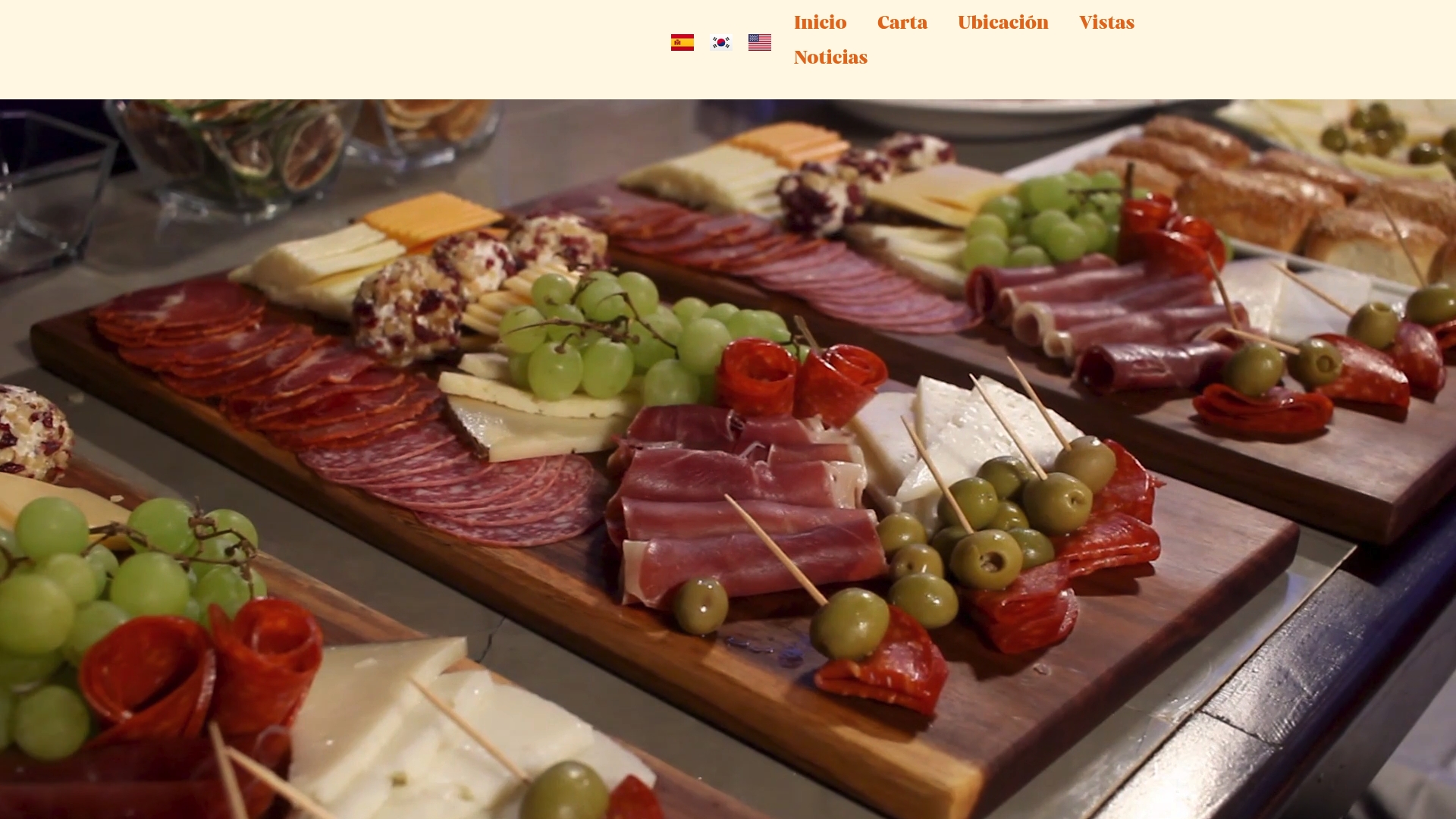
The menu covers the full range of Mediterranean gastronomic trends in 2026, from fresh seafood and paellas to tapas and grilled meats, all served in a space designed to make the view part of the experience rather than a distraction from it. The terrace is open for both lunch and dinner, with lighting and pacing adjusted to match the natural light. For travelers who want the full picture, the scenic terrace experience at Kokcha pairs the Sagrada Familia view with a kitchen that takes the food as seriously as the setting.
FAQ
What is the role of view in Mediterranean dining?
A scenic view acts as a sensory ingredient that increases dopamine, reduces stress, and elevates flavor perception during a meal. Mediterranean dining culture treats the surrounding environment as an active part of the experience, not a background feature.
Does a view actually make food taste better?
Research confirms that scenic views enhance perceived food quality by priming the brain’s reward system before eating begins. The effect is strongest with fresh, balanced dishes typical of Mediterranean cuisine.
What time of day is best for scenic Mediterranean dining?
Early evening is the optimal time for scenic dining. Natural light is warm and directional, glare is minimal, and the transition to sunset creates a natural progression that well-designed restaurants choreograph with lighting and pacing adjustments.
How do I choose a Mediterranean restaurant with a genuinely good view?
Look for venues that use natural materials, offer open sightlines from every table, and have menus that reflect the local geography. Advance reservation timing and direct communication with the restaurant about table placement are the most reliable ways to secure the best seat.
Why does service matter so much in scenic dining?
Attentive service solidifies the emotional connection between the guest, the environment, and the food. A great view without knowledgeable, well-paced service produces a pleasant photograph but not a memorable meal.