Mediterranean cuisine is one of the most misunderstood food traditions on the planet. Most people picture a Greek salad or a bowl of hummus and call it a day. But what is Mediterranean cuisine, really? It spans more than 20 countries, thousands of years of culinary history, and an almost staggering variety of ingredients, techniques, and flavor profiles. Far from being a single unified menu, it is a family of regional food traditions connected by shared geography, a few foundational ingredients, and a deeply rooted culture of cooking that prioritizes fresh, seasonal, and communal eating.
Table of Contents
- Key takeaways
- What Mediterranean cuisine actually means
- Regional diversity within Mediterranean cooking
- Ingredients and techniques that define the cooking
- How history shaped Mediterranean food culture
- How to start exploring Mediterranean cuisine practically
- My take on what Mediterranean cuisine really teaches us
- Experience Mediterranean cuisine at Kokcha in Barcelona
- FAQ
Key takeaways
| Point | Details |
|---|---|
| Not a single cuisine | Mediterranean cuisine includes dozens of distinct regional traditions across Southern Europe, North Africa, and the Middle East. |
| Three foundational ingredients | Olive oil, wheat, and grapes anchor the Mediterranean food tradition, though regional dishes vary widely. |
| Cuisine vs. diet distinction | The Mediterranean diet is a health-research framework inspired by cuisine, not a direct copy of any traditional menu. |
| Techniques matter as much as ingredients | Grilling, slow stewing, and finishing with olive oil define the cooking style across subregions. |
| Living culinary heritage | UNESCO recognizes Mediterranean food culture as intangible cultural heritage, reflecting its deep historical and social roots. |
What Mediterranean cuisine actually means
The confusion starts with geography. Mediterranean cuisine covers the food traditions of countries bordering the Mediterranean Sea, a region that stretches from Spain and Morocco in the west to Turkey, Lebanon, and Egypt in the east. That includes Southern Europe, North Africa, and the Levant. When you draw that circle on a map, you are looking at a massive diversity of climates, soil types, cultural histories, and religious practices that all shape what people grow, cook, and eat.
At its core, three ingredients define the tradition: olive oil, wheat, and grapes. These manifest as cooking fat, bread or pasta, and wine or vinegar. Every other ingredient varies significantly by subregion.
What defines Mediterranean gastronomy beyond these three pillars? A few consistent elements show up across the region:
- Olive oil as the primary cooking and finishing fat, not butter or lard
- Fresh vegetables and fruits used seasonally and generously
- Legumes like chickpeas, lentils, and fava beans as protein staples
- Whole grains including bulgur, farro, and various wheat products
- Fish and seafood as the preferred animal protein in coastal areas
- Moderate use of poultry and fermented dairy such as yogurt and aged cheeses
- Aromatic herbs and spices that vary sharply by region (think oregano in Greece vs. za’atar in Lebanon vs. saffron in Spain)
Now here is where many people go wrong. Mediterranean cuisine and the Mediterranean diet are not the same thing. The cuisine is a broad, living set of food traditions. The diet is a structured health-research framework inspired by the eating patterns of mid-20th century Mediterranean populations. A traditional Moroccan lamb tagine or a Spanish chorizo stew is Mediterranean cuisine. Neither fits neatly into what a cardiologist would prescribe as the Mediterranean diet. Both are valid and worth understanding on their own terms.
Regional diversity within Mediterranean cooking
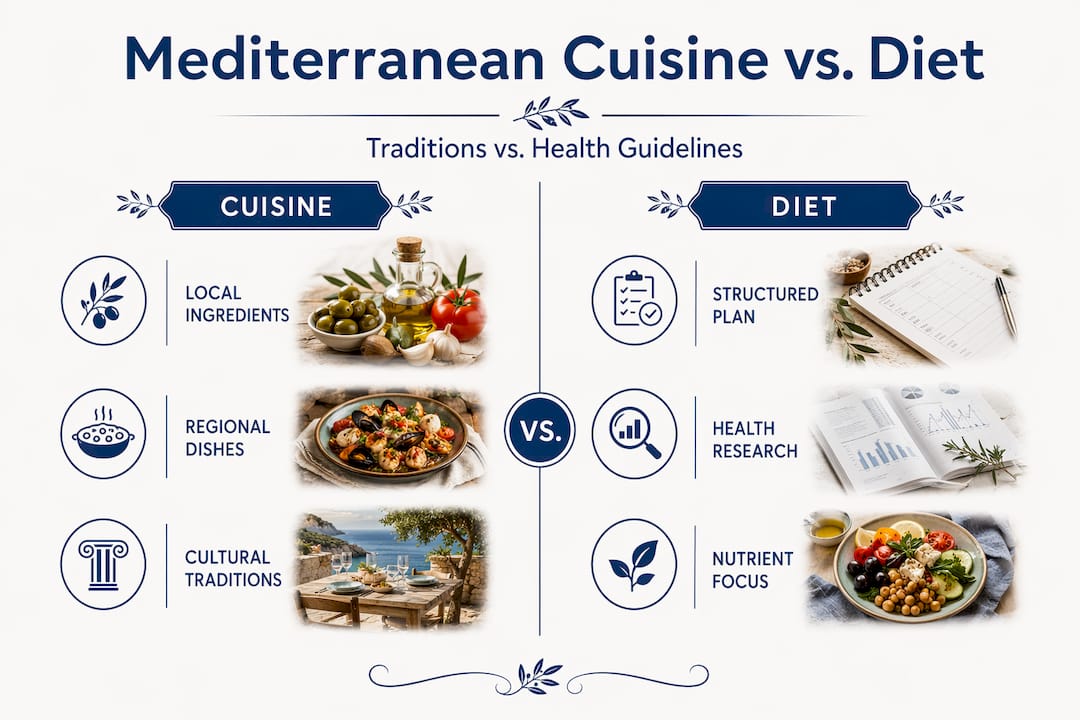
One of the most rewarding things about exploring the types of Mediterranean cuisine is discovering just how different the subregions are from each other. Geography, trade, and cultural blending over centuries created distinct culinary identities that share a framework but express it in radically different ways.
| Subregion | Key Ingredients | Signature Flavors | Notable Dishes |
|---|---|---|---|
| Italian | Pasta, tomatoes, Parmigiano, prosciutto | Savory, umami, acidic | Cacio e pepe, ribollita, branzino |
| Greek | Feta, lamb, olives, phyllo | Bright, herbal, tangy | Spanakopita, moussaka, grilled octopus |
| Spanish | Saffron, jamón, rice, paprika | Smoky, bold, aromatic | Paella, gazpacho, patatas bravas |
| Turkish/Levantine | Lamb, sumac, pomegranate, tahini | Spiced, layered, rich | Köfte, fattoush, shakshuka |
| North African (Maghrebi) | Preserved lemon, harissa, couscous | Warm spice, earthy | Tagine, brik, chermoula fish |
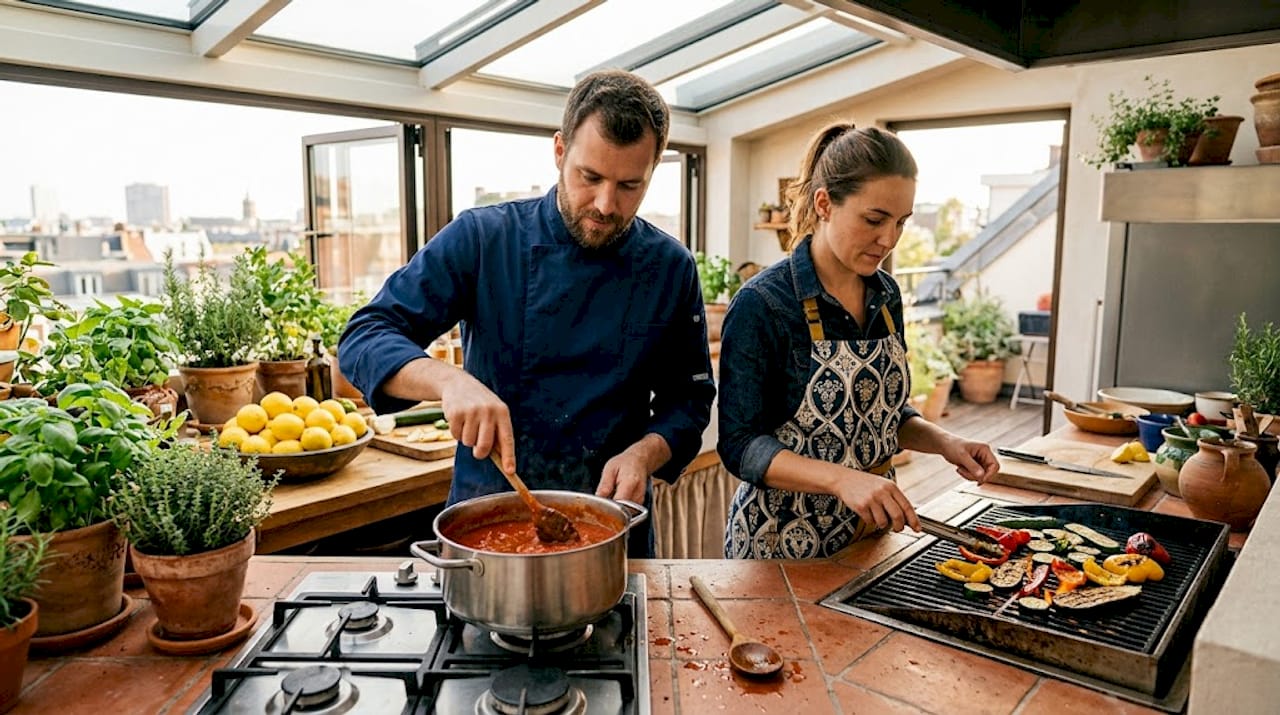
Common cooking techniques link these zones even when the flavors diverge. Grilling over open flame, roasting whole vegetables, slow-stewing tougher cuts of meat or legumes, and finishing dishes with a pour of good olive oil all show up from Barcelona to Beirut. What changes is the spice profile, the dominant protein, and the preferred grain.
Pro Tip: If you are new to exploring types of Mediterranean dishes, start by comparing the same basic protein prepared in three different subregional styles, such as grilled fish done Greek, Spanish, and Levantine. You will quickly develop an instinct for how the regional flavor logic works.
For a closer look at how Spanish small plates reflect this regional identity, Mediterranean tapas traditions offer a useful entry point into how a single country expresses the broader culinary framework.
Ingredients and techniques that define the cooking
Understanding what defines Mediterranean gastronomy at a practical level means getting specific about what goes into the pan and how. Olive oil functions as the default fat for sautéing, roasting, and finishing across the entire region, not just as a salad dressing. That single habit changes the flavor and nutritional profile of nearly every dish.
The ingredient philosophy leans heavily on what is fresh, local, and in season. Fresh vegetables, fruits, whole grains, legumes, nuts, and seeds form the backbone of most meals. Animal products appear, but they are supporting characters rather than the centerpiece.
What is a Mediterranean meat dish? Think braised lamb shoulder with preserved lemon and olives, slow-cooked Catalan beef stew, or Turkish lamb köfte grilled over charcoal. These dishes use moderate amounts of meat alongside herbs, aromatics, and vegetables rather than serving a single large protein cut with nothing else.
What is Mediterranean seafood? Grilled branzino with capers and tomatoes, Sicilian swordfish with pine nuts and raisins, or a Spanish seafood paella built on a saffron-infused sofrito. Fish and shellfish appear throughout coastal cooking with techniques that prioritize simplicity and freshness over heavy saucing.
Here are the core techniques you will encounter most often:
- Grilling (a la plancha or over charcoal): Brings out natural sugars in vegetables and creates char on fish and meats
- Sautéing in olive oil: The starting point for most savory dishes, building flavor through sofrito, soffritto, or similar aromatic bases
- Slow stewing: Used for legumes, tougher meats, and winter vegetable dishes where time deepens flavor
- Baking and roasting: Sheet-pan vegetables, stuffed peppers, whole-roasted fish
Pro Tip: When you cook Mediterranean at home, buy the best olive oil you can afford for finishing. A drizzle of high-quality extra-virgin olive oil over a finished dish does more for authenticity than almost any other single ingredient choice.
How history shaped Mediterranean food culture
Mediterranean food did not arrive fully formed. Ancient civilizations including Greeks, Romans, and Phoenicians built the original template: plant-based staples supplemented by olive oil, fish, and modest amounts of meat. Their trade networks moved ingredients across the region with impressive speed for the era, embedding new flavors into local cooking long before modern globalization existed.
The Silk Road brought spices from further east. Arab traders introduced new techniques and ingredients to Iberia and Sicily during the Moorish period. The Columbian Exchange in the 16th century changed everything again, delivering tomatoes, peppers, and potatoes to European kitchens that had never seen them. What you eat in a traditional Spanish or Italian kitchen today was being shaped by events from across centuries and continents.
“Mediterranean food culture is not a single invention. It is the accumulated result of thousands of years of trade, migration, and adaptation, which is precisely what makes it so hard to reduce to a simple definition.”
Mediterranean culinary traditions also carry significant social weight. Communal meals, seasonal rituals, and the practice of gathering around a table for multiple hours are not incidental. They are structurally part of how Mediterranean food culture works. That is partly why UNESCO recognized Mediterranean food culture as intangible cultural heritage, acknowledging that the food and the social practices surrounding it are inseparable.
What is contemporary Mediterranean cuisine? It is this same tradition adapting to modern kitchens, global ingredient availability, and evolving dining expectations while keeping the foundational philosophy intact. You can explore how that looks in practice through modern Mediterranean dining trends that blend heritage techniques with current culinary creativity.
How to start exploring Mediterranean cuisine practically
The best way to understand Mediterranean food is to cook it and eat it, not just read about it. Here is a straightforward approach for getting started:
- Build a pantry foundation first. Stock good extra-virgin olive oil, dried legumes, whole grains like farro or bulgur, canned tomatoes, and a regional herb set. Italian (oregano, basil), Greek (dill, mint), and Levantine (za’atar, sumac) are the three most useful starting points.
- Start with examples of Mediterranean appetizers. Mezze platters, bruschetta, patatas bravas, or a simple fattoush salad are low-stakes ways to practice flavor combinations before committing to a complex main course.
- Focus on one subregion at a time. Trying to cook “Mediterranean” broadly leads to confusion. Pick Spanish or Turkish or Greek for a month and go deep.
- Apply the plant-forward principle. When adopting Mediterranean eating, prioritize guiding principles over specific recipes. More vegetables, olive oil as the fat, legumes as protein, fish before meat.
- Pair thoughtfully. Regional wines naturally complement the food from the same area. A Spanish Albariño with seafood or a Greek Assyrtiko with grilled fish reflects centuries of pairing logic you do not need to invent.
- Eat at a place that takes it seriously. Reading about regional diversity is useful, but tasting it with context, a good setting, and knowledgeable staff accelerates understanding considerably.
Pro Tip: The biggest mistake home cooks make with Mediterranean food is over-seasoning early and under-finishing. Season lightly during cooking and taste at the end, when a splash of lemon juice or a final drizzle of olive oil can transform a flat dish into something bright and alive.
For a practical guide to Mediterranean dishes to try in Barcelona, you will find helpful starting points across multiple subregions represented in one city.
My take on what Mediterranean cuisine really teaches us
I’ve spent years eating my way through this topic, and the lesson that keeps reinforcing itself is that the biggest mistake people make with Mediterranean food is flattening it. They pick one country, one dish, one definition, and declare the question answered.
What I’ve found is that the misconception of a monolithic Mediterranean menu is not just inaccurate. It actually robs you of the most interesting part of the whole tradition, which is the tension between shared principles and wildly different local expressions. The olive oil stays. The respect for seasonal ingredients stays. Everything else is up for regional negotiation.
I also think the cuisine vs. diet distinction matters more than most food writers acknowledge. When you conflate them, you either eat a boring, medicalized version of what is actually a rich and celebratory food culture, or you dismiss the genuine health logic because the food “doesn’t look like a diet.” Both outcomes lose something real.
My honest advice: stop trying to define Mediterranean food as a fixed category and start experiencing it as a living conversation between geography, history, and the people who cook it every day. That shift in framing makes the whole thing more interesting and more delicious.
— Kokcha
Experience Mediterranean cuisine at Kokcha in Barcelona
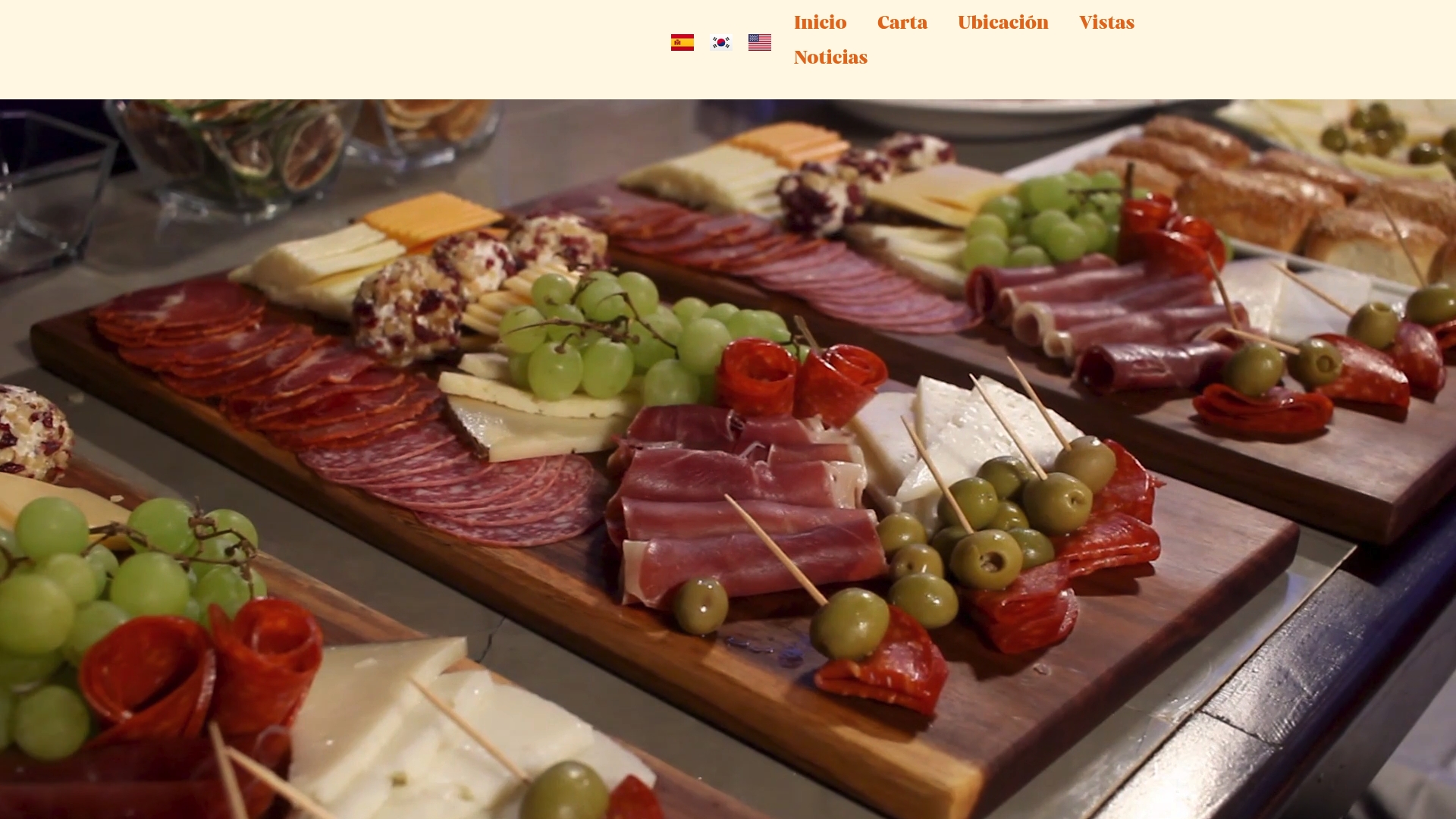
If reading about these flavors has made you want to taste them, Kokcha is a few steps from the Sagrada Família in Barcelona and specializes in exactly this kind of Mediterranean depth. The menu covers fresh seafood paellas, classic chicken paella, grilled seafood, tapas, and a full range of dishes that reflect the regional diversity this article has been building toward. Kokcha approaches Mediterranean cooking with respect for tradition and an eye on contemporary technique, which means you get dishes that feel both rooted and alive. Explore the unique flavors across Mediterranean dishes before your visit and arrive with real context for what you are about to eat.
FAQ
What is Mediterranean cuisine in simple terms?
Mediterranean cuisine refers to the food traditions of countries bordering the Mediterranean Sea, unified by olive oil, wheat, and grapes as core ingredients but expressed differently across more than 20 distinct regional cooking cultures.
How is Mediterranean cuisine different from the Mediterranean diet?
Mediterranean cuisine is a broad set of living food traditions, while the Mediterranean diet is a structured health-research framework inspired by those traditions. Not every traditional Mediterranean dish qualifies as part of the diet’s guidelines.
What are some examples of Mediterranean appetizers?
Classic examples include hummus, baba ganoush, bruschetta, patatas bravas, spanakopita, and fattoush salad. These mezze and small plate traditions vary significantly by subregion but all emphasize fresh, seasonal ingredients.
What is Mediterranean seafood, and why is it central to the cuisine?
Mediterranean seafood includes grilled branzino, octopus, prawns, sardines, and shellfish prepared with minimal seasoning to highlight freshness. Coastal geography makes fish the primary animal protein across much of the region.
Does Mediterranean cuisine include meat dishes?
Yes. What is a Mediterranean meat dish ranges from slow-braised lamb in North African tagines to Spanish chorizo stews and Turkish köfte. Meat appears in traditional cooking but typically alongside vegetables, grains, and legumes rather than as the sole focus of a meal.