Mediterranean menus get reduced to a diet trend far too often. The reality is richer, older, and far more interesting than any wellness headline suggests. What sets Mediterranean menus apart is a convergence of cultural philosophy, ingredient harmony, and time-tested cooking traditions spanning more than 20 countries and thousands of years of shared culinary history. This article breaks down the real characteristics that define these menus, from foundational ingredients and regional flavor profiles to the cooking techniques and cultural rituals that make Mediterranean food genuinely unlike anything else on the plate.
Table of Contents
- Key takeaways
- What sets Mediterranean menus apart: the core ingredients
- Cultural and historical origins of Mediterranean food
- Cooking techniques that build real flavor
- Regional variations and modern adaptability
- Common misconceptions about Mediterranean menus
- My take on why Mediterranean menus outlast every food trend
- Experience authentic Mediterranean flavors in Barcelona
- FAQ
Key takeaways
| Point | Details |
|---|---|
| Ingredients over restrictions | Mediterranean menus prioritize what you add, not what you eliminate, centering plants, legumes, and quality fats. |
| The triad drives flavor | Olive, wheat, and grape form the cultural and culinary backbone of authentic Mediterranean cooking. |
| Technique shapes identity | Roasting, grilling, and slow braising preserve ingredient integrity instead of masking it with heavy sauces. |
| Regional depth is real | Western, Eastern, and North African Mediterranean cuisines each carry distinct spice profiles and staple ingredients. |
| Community is part of the menu | Shared meals, seasonal ingredients, and social rituals are as defining as any single dish. |
What sets Mediterranean menus apart: the core ingredients
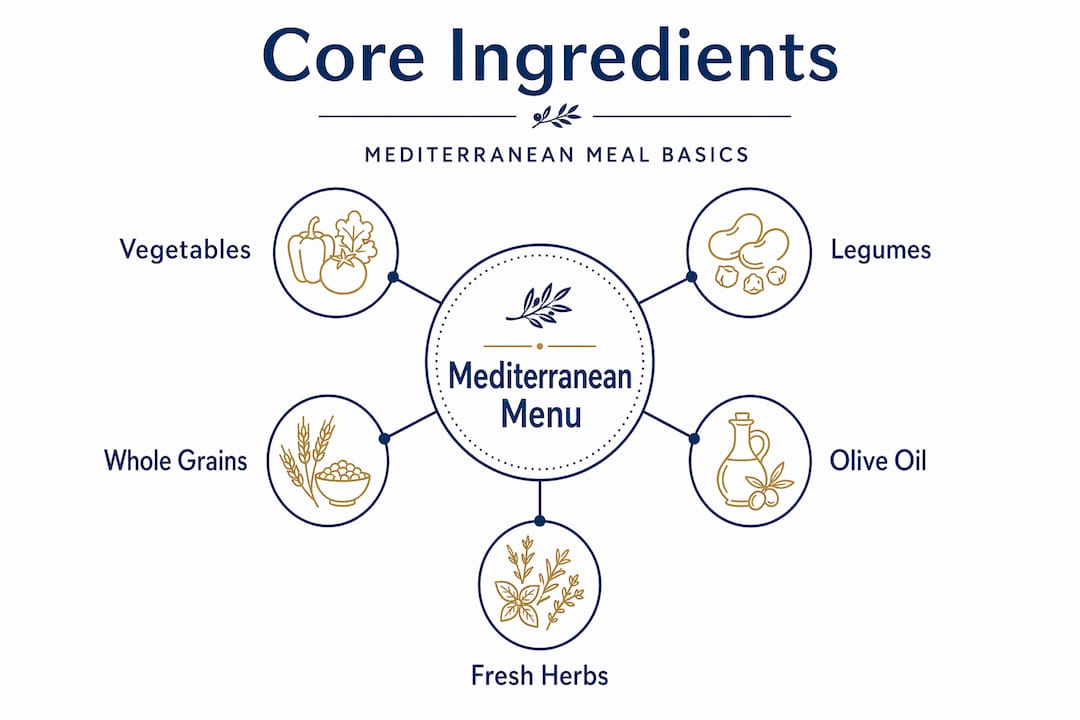
The first thing to understand is that Mediterranean menus are not built around subtraction. They are built around abundance. Specifically, the abundance of plant-based foods: vegetables, fruits, legumes, and whole grains form the foundation of nearly every meal. This is not garnish. These are the main event.
- Vegetables and legumes appear at nearly every meal, not as sides but as central components
- Extra virgin olive oil serves as the primary fat for cooking, dressing, and finishing dishes
- Whole grains including farro, bulgur, and whole wheat bread provide fiber and satiety
- Fish and seafood appear several times per week; poultry and dairy in moderate amounts
- Red meat and sweets show up occasionally, not regularly
Fat gets a prominent role here, and that surprises many people. At least 35% of calories in a true Mediterranean menu come from healthy fats, predominantly extra virgin olive oil, nuts, and seeds. This is not a low-fat approach. It is a high-quality-fat approach.
Olive oil deserves its own sentence. With over 6,000 years of production history, it is both a cultural symbol and a culinary workhorse, used for everything from high-heat roasting to cold finishing on raw vegetables. Extra virgin olive oil, specifically, retains its natural antioxidants and flavor compounds in ways that refined oils do not.
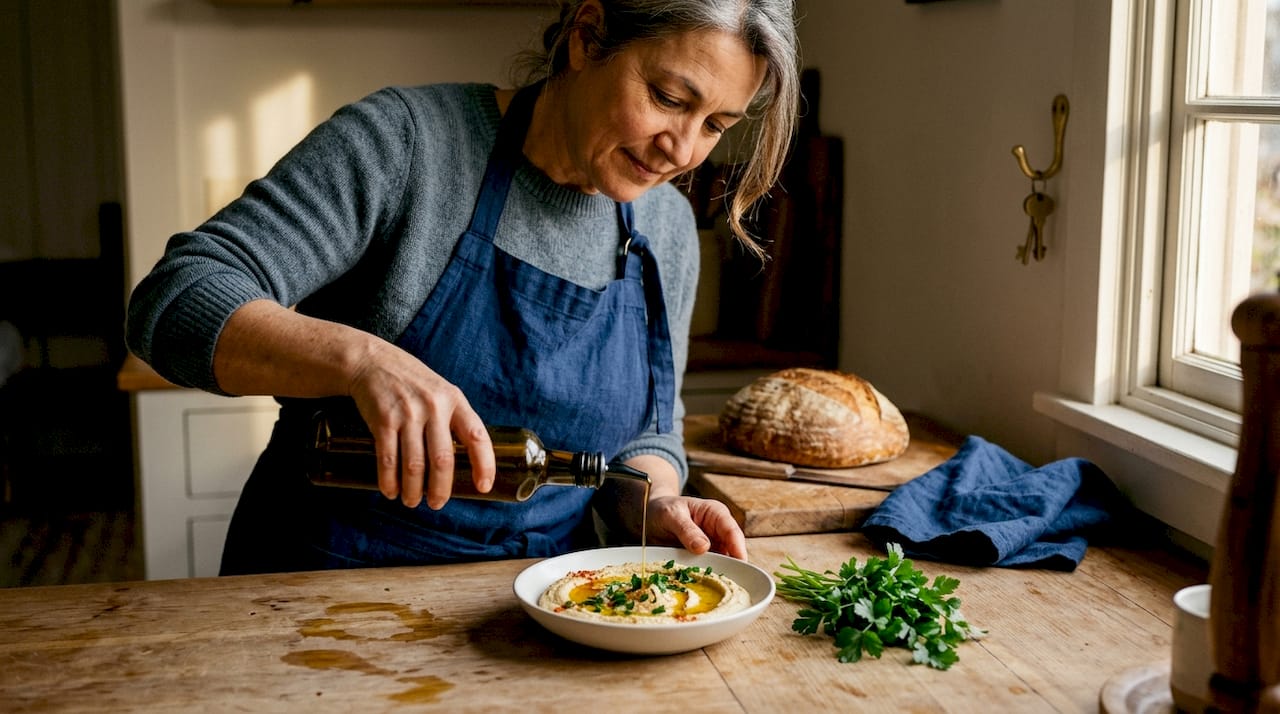
Pro Tip: When reading a Mediterranean menu, look for dishes that use olive oil as a finishing element, drizzled over hummus, grilled fish, or roasted vegetables. That finishing pour is a signal of authentic culinary intent, not just a cooking method.
The 2024 Harvard-led analysis of more than 25,000 women found a 23% lower risk of mortality among those following Mediterranean dietary patterns, and the Mediterranean diet has ranked as the number one overall diet for five consecutive years through 2026. The reason is not one magic ingredient. It is the balance of all of them together.
Cultural and historical origins of Mediterranean food
To understand Mediterranean cuisine characteristics, you need to go back roughly three millennia. The Mediterranean triad of olive, wheat, and grape shaped everything. These three crops defined the agricultural and cultural landscape of ancient civilizations from Greece and Rome to Phoenicia and Egypt. Today that triad still shows up on virtually every Mediterranean menu in the form of olive oil, bread or pasta, and wine.
“Mediterranean cuisine is not a single cuisine. It is a family of cuisines connected by shared ingredients, similar values about freshness and seasonality, and a deep respect for the land and sea that produced them.”
Regional influences created meaningful differences within that shared framework. Southern Spain brings smoked paprika and saffron into dishes like paella. Southern France layers herbes de Provence into braises and spreads. Italy divides itself into dozens of micro-regional traditions, from the butter-heavy north to the olive-oil-forward south. Greece leans into lemon, oregano, and feta. North Africa adds preserved lemons, harissa, and warming spices like cumin and coriander. Eastern Mediterranean cooking from Lebanon and Turkey layers tahini, pomegranate molasses, and sumac into dishes that taste unlike anything in Western Europe.
What holds these regions together is a shared philosophy. Freshness over preservation. Seasonality over consistency. Minimal processing over convenience. Herbs and spices carry the flavor load instead of heavy sauces or artificial additives. You can taste the actual ingredient in every bite because the cooking method is designed to highlight it, not transform it into something unrecognizable.
Pro Tip: If you want to understand the flavor differences between regions, pay attention to the spice and acid profiles on a menu. Lemon and oregano signal Greek or Eastern Mediterranean. Saffron and paprika point toward Spanish. Preserved lemon and cumin indicate North African influence.
Mediterranean meals are social events designed for sharing, celebrating seasonal foods, and reinforcing family traditions. The act of eating together is not incidental. It is structural to what Mediterranean dining means.
Cooking techniques that build real flavor
Mediterranean cooking techniques are not complicated. What makes them distinct is their deliberate restraint. The goal is always to preserve ingredient integrity rather than layer on complexity.
Here are the primary methods you encounter across authentic Mediterranean menus:
- Roasting at high heat with olive oil caramelizes vegetables and concentrates natural sugars without masking their flavor
- Grilling over open flame or wood adds smokiness to fish, meat, and vegetables while keeping textures clean and textures firm
- Wood-fired baking produces bread and flatbreads with crust and chew that gas ovens simply cannot replicate
- Slow braising with aromatics like garlic, tomato, and herbs develops depth over long cooking times, used in dishes like Spanish sofrito or Moroccan tagine
- Raw preparations including tabbouleh, fattoush, and carpaccio keep fresh ingredients vibrant and nutritionally intact
The comparison between Mediterranean and most Western cooking techniques is telling:
| Method | Mediterranean approach | Common Western approach |
|---|---|---|
| Fat base | Extra virgin olive oil | Butter or processed oils |
| Flavor building | Fresh herbs, garlic, citrus | Heavy sauces, cream, processed seasonings |
| Heat method | Grilling, roasting, wood-fired | Frying, boiling, microwave finishing |
| Meat role | Accent or occasional feature | Centerpiece of the meal |
| Processing level | Minimal, ingredient-forward | Often layered, refined, or pre-made |
Roasting, grilling, and raw preparations define the Mediterranean approach to flavor: fresh herbs, garlic, and lemon do the heavy lifting. Signature dishes illustrate this clearly. Greek lemon-herb chicken uses nothing more than quality bird, lemon, oregano, and olive oil. Spanish grilled octopus gets its character from paprika, salt, and fire. Lebanese kibbeh builds complex flavor through spiced lamb, bulgur wheat, and pine nuts with no sauce required.
Regional variations and modern adaptability
One of the less-discussed facts about what to expect from Mediterranean menus is how dramatically they change across geography. Regional diversity spans from Western Mediterranean Spain and France through the Italian peninsula, across Greece and Turkey, and down into Egypt, Morocco, and Tunisia. Each area carries its own spice vocabulary and pantry staples.
- Western Mediterranean (Spain, Southern France): saffron, smoked paprika, Marcona almonds, jamón, fresh seafood
- Central Mediterranean (Italy, Malta): tomato-based sauces, fresh pasta, aged cheeses like Pecorino and Parmigiano, capers
- Eastern Mediterranean (Greece, Turkey, Lebanon): tahini, za’atar, pomegranate, sumac, flatbreads, yogurt-based sauces
- North African Mediterranean (Morocco, Tunisia, Algeria): harissa, preserved lemons, ras el hanout, couscous, dried apricots in savory dishes
This diversity is also what makes Mediterranean menus so adaptable to modern life. A balanced Mediterranean dinner like seared fish with lemon-garlic sauce or a lentil soup loaded with cumin and tomato can come together in 30 minutes using pantry staples like canned chickpeas, whole grains, and quality olive oil.
The adaptability is built into the tradition. Mediterranean cooks have always worked with what was local, fresh, and seasonal. Translating that principle to a modern kitchen with good pantry habits means you can eat authentically without sacrificing time.
Pro Tip: Stock your pantry with canned chickpeas, lentils, whole grain pasta, quality olive oil, and a few dried herbs. You are always 30 minutes away from a meal that genuinely reflects Mediterranean cooking values.
Common misconceptions about Mediterranean menus
Perhaps the biggest myth is that Mediterranean food is a low-fat, restrictive diet. It is neither. What defines authentic Mediterranean menus is sustainable balance and nutrient density, not elimination. Satisfaction through variety is the actual mechanism behind its long-term effectiveness.
The most common distortions of Mediterranean menus include:
- Overloading dishes with red meat when authentic patterns treat it as an occasional addition
- Using processed dressings or bottled sauces in place of fresh herb preparations
- Treating bread as a filler instead of a high-quality whole grain component
- Labeling any dish with tomato and olive oil as “Mediterranean” without honoring regional specificity
- Focusing only on caloric restriction instead of ingredient quality and proportional balance
“The Mediterranean label gets applied loosely to menus that swap out one ingredient but keep all the worst habits of industrial Western cooking. Authentic Mediterranean cooking is about proportions and priorities, not a single swap.”
Recognizing a genuine Mediterranean menu means looking at the overall composition. Are vegetables and legumes genuinely central? Is olive oil the primary fat? Do herbs and citrus carry the flavor rather than cream or processed sauces? Cultural identity and regional origins show up in specific ingredient choices, not just broad gestures toward “Mediterranean” as a branding term.
My take on why Mediterranean menus outlast every food trend
I’ve spent years eating across Mediterranean cities and studying what makes these menus work long after food trends have faded. What I’ve found is that the staying power comes from something trends cannot manufacture: genuine respect for ingredients.
Most food trends are built around novelty or restriction. Mediterranean menus are built around the opposite. They celebrate what food is at its best: seasonal, local, shared, and prepared with just enough technique to honor the ingredient without overwhelming it. I’ve seen this play out at tables in Barcelona as clearly as anywhere else in the Mediterranean world. The simplest dishes, grilled fish with olive oil and lemon, fresh tomato with good bread, a plate of legumes with herbs, are the ones people remember.
What many culinary explorers overlook is the communal dimension. Eating Mediterranean food solo from a meal-prep container misses the point entirely. The food was designed to be shared, discussed, and enjoyed slowly. That social ritual is not separate from the cuisine. It is one of its defining characteristics.
My honest observation after years of exploring these menus: the regions you least expect often deliver the most memorable meals. North African Mediterranean cooking, in particular, remains underrepresented in mainstream dining conversations despite its extraordinary depth of flavor and technique.
— Kokcha
Experience authentic Mediterranean flavors in Barcelona
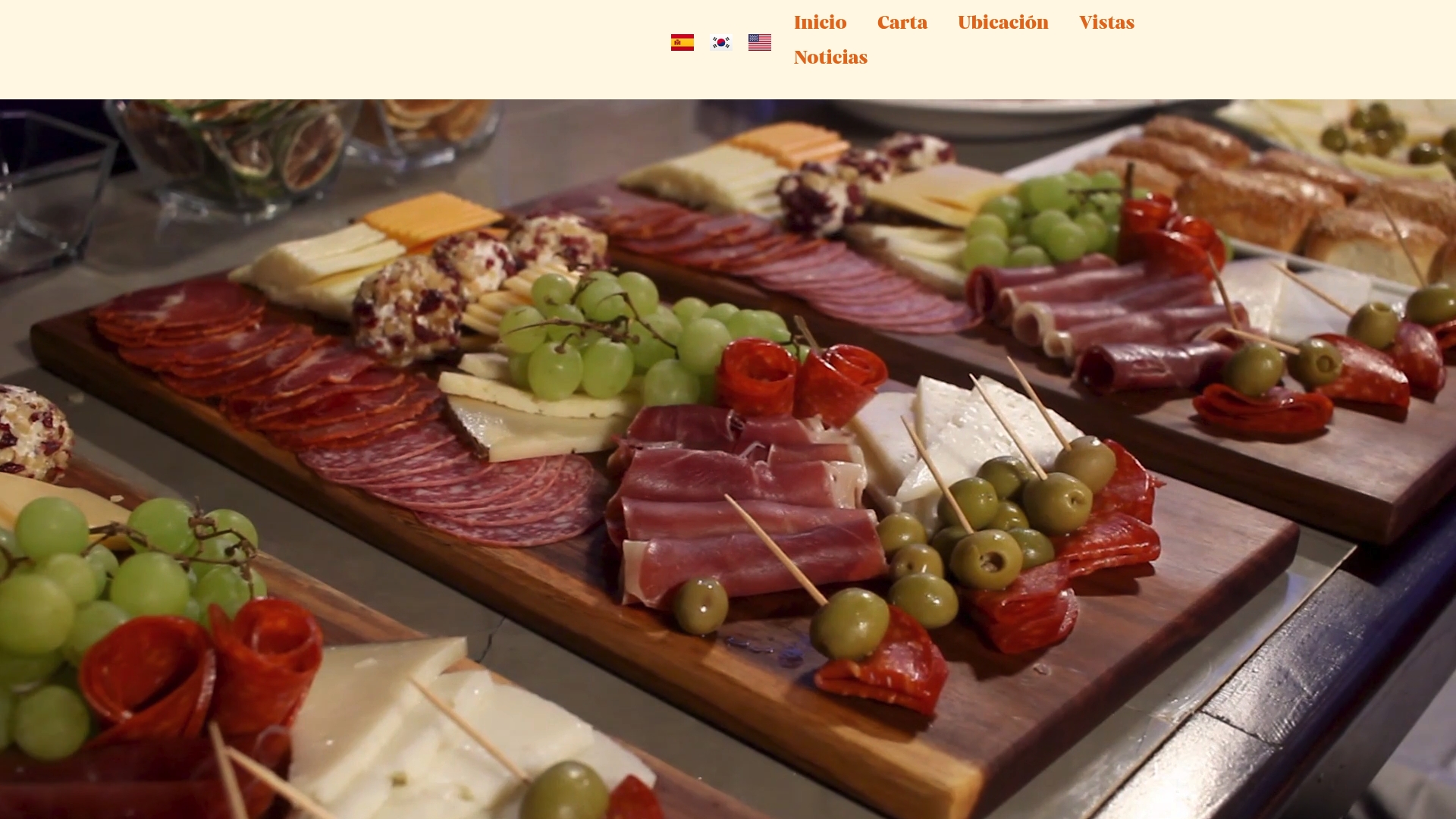
If reading about the depth and variety of Mediterranean cuisine has made you want to experience it firsthand, Kokcha offers exactly that. Located steps from the Sagrada Familia in Barcelona, Kokcha’s menu reflects genuine Mediterranean culinary values: fresh local ingredients, regional flavor profiles, and dishes built on tradition rather than shortcuts. From signature tapas and paellas to grilled seafood and seasonal vegetable preparations, every dish on the menu tells you something true about Mediterranean culinary traditions in 2026. Reserve a table on the terrace and taste what these pages have been describing.
FAQ
What truly sets Mediterranean menus apart from other cuisines?
Mediterranean menus are defined by their emphasis on plant-based foods, quality fats like extra virgin olive oil, and cooking techniques that preserve ingredient integrity. Unlike most Western menus, they treat red meat and rich sauces as occasional elements rather than defaults.
What are the key ingredients in Mediterranean meals?
The core ingredients include vegetables, legumes, whole grains, extra virgin olive oil, fresh herbs, and fish. At least 35% of calories come from healthy fats, primarily olive oil and nuts.
How does Mediterranean food differ across regions?
Western Mediterranean cuisine uses saffron and smoked paprika while Eastern Mediterranean relies on tahini, sumac, and pomegranate. North African versions add harissa and warming spices. Each region has a distinct flavor vocabulary built on shared foundational principles.
Is Mediterranean food actually healthy or just a diet trend?
It is backed by substantial evidence. A Harvard-led study of over 25,000 women found a 23% lower mortality risk with Mediterranean dietary patterns, and it has ranked as the top overall diet for five consecutive years through 2026.
Can Mediterranean meals be made quickly without losing authenticity?
Yes. Simple Mediterranean dinners like lemon-garlic fish or lentil soup come together in under 30 minutes using pantry staples. Authenticity comes from ingredient quality and proportional balance, not cooking time.