Barcelona has a reputation for bold food, but many visitors still walk in expecting a plate of olives and some grilled fish. The reality of modern Mediterranean restaurants in this city is far more exciting. Today’s scene blends fire-cooked technique, global ingredients, health-conscious menus, and social dining formats into something that feels genuinely fresh. Whether you’re a first-time tourist near the Sagrada Familia or a local chasing your next great meal, understanding what modern Mediterranean dining actually means will completely change how you choose where to eat.
Table of Contents
- Defining modern Mediterranean restaurants
- What makes the experience unique in Barcelona?
- Health and wellness trends in modern Mediterranean dining
- Choosing your modern Mediterranean adventure
- Why modern Mediterranean dining is reshaping Barcelona’s culinary identity
- Explore Barcelona’s top modern Mediterranean restaurants
- Frequently asked questions
Key Takeaways
| Point | Details |
|---|---|
| Modern Mediterranean defined | These restaurants blend tradition, wellness, and stylish social dining for a distinct experience. |
| Barcelona’s unique twist | Local venues emphasize fire-cooked dishes shared among groups in visually stunning settings. |
| Health focus matters | Menus prioritize fresh ingredients and healthy cooking, but watch for modern dilution risks. |
| Choosing wisely | Look for authentic menus and inviting atmospheres to experience true modern Mediterranean dining. |
Defining modern Mediterranean restaurants
The phrase “Mediterranean restaurant” used to conjure a specific image: white tablecloths, a basket of bread, and a menu that hadn’t changed since the 1980s. Modern Mediterranean restaurants have broken that mold entirely. They keep the soul of the tradition but rebuild everything around it.
What actually defines a modern Mediterranean restaurant today? A few key attributes stand out immediately:
- Fire-cooked and technique-driven plates: Wood-fired ovens, charcoal grills, and open-flame cooking are central. The char and smoke add layers of flavor that no microwave shortcut can replicate.
- Shared dining formats: Forget the single-plate entrée. Modern Mediterranean menus are built around sharing, with dishes arriving at different times throughout the meal to encourage conversation and exploration.
- Health-forward ingredients: Olive oil replaces butter. Legumes, vegetables, and fresh seafood dominate. Processed shortcuts are minimized.
- Stylish, intentional decor: These restaurants invest in their visual identity. Exposed brick, warm lighting, terrace seating, and thoughtful plating are part of the experience, not afterthoughts.
- Multicultural influence: Modern Mediterranean menus borrow from North Africa, the Middle East, and Southern Europe simultaneously, creating a layered flavor profile that classic regional restaurants rarely attempt.
As The Infatuation Barcelona notes, modern Mediterranean restaurants appeal to food enthusiasts by blending health benefits, social sharing, and elevated aesthetics into a single experience. That combination is what separates them from both traditional Mediterranean spots and generic fusion restaurants.
Here’s a quick comparison of what you typically find:
| Feature | Traditional Mediterranean | Modern Mediterranean |
|---|---|---|
| Menu format | Individual plates, set courses | Shared plates, flexible ordering |
| Cooking method | Boiled, baked, slow-cooked | Fire-cooked, grilled, smoked |
| Ingredient focus | Regional staples | Local plus global influences |
| Decor style | Classic, formal | Contemporary, design-forward |
| Dietary options | Limited | Wide, including plant-based |
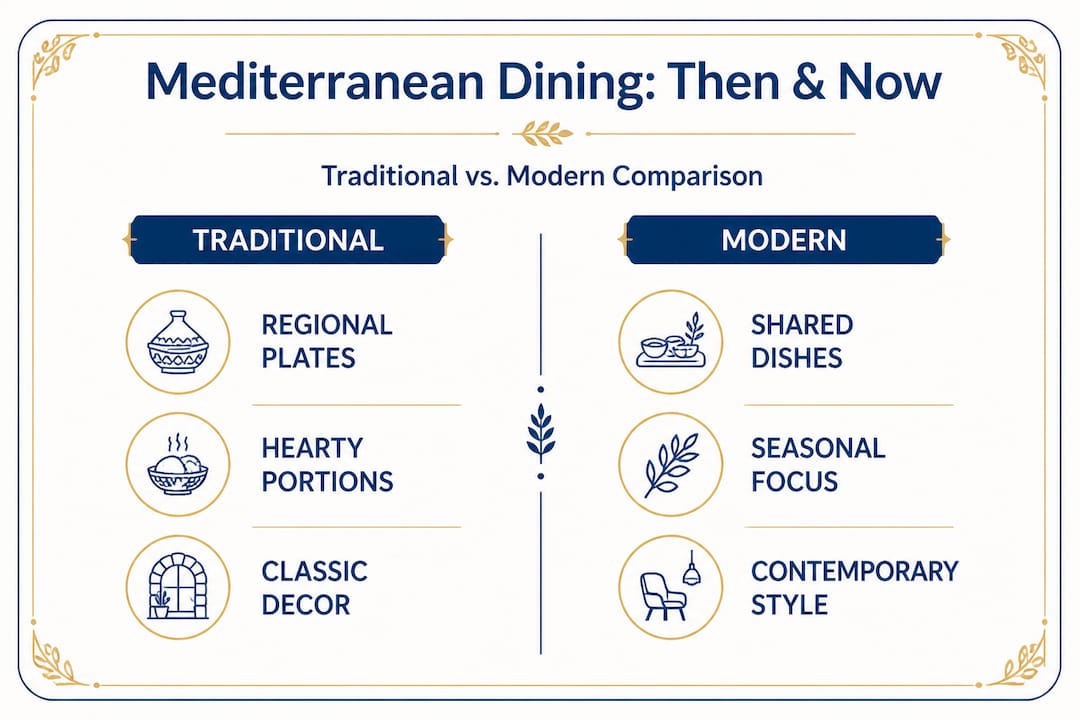
Barcelona has become a natural hub for this evolution. The city’s position at the crossroads of European, North African, and Latin American culture means chefs here have access to an unusually wide palette of ingredients and techniques. The Mediterranean style in Barcelona restaurants has developed its own distinct character, one that honors tradition while refusing to be limited by it.
Pro Tip: When scanning a menu, look for dishes that combine at least two regional Mediterranean influences. A plate featuring harissa alongside Catalan romesco sauce, for example, signals a kitchen that genuinely understands the broader Mediterranean world rather than just one corner of it.
What makes the experience unique in Barcelona?
Now that we know what defines a modern Mediterranean restaurant, let’s explore what makes the Barcelona experience so special. This city doesn’t just host modern Mediterranean dining. It actively shapes it.
The social dimension of eating in Barcelona is unlike almost anywhere else in Europe. Meals here are events. Groups gather around tables for two or three hours, sharing plates, debating which dish to order next, and treating dinner as a form of entertainment rather than simple fuel. This culture maps perfectly onto the shared-plate format that modern Mediterranean restaurants have adopted.
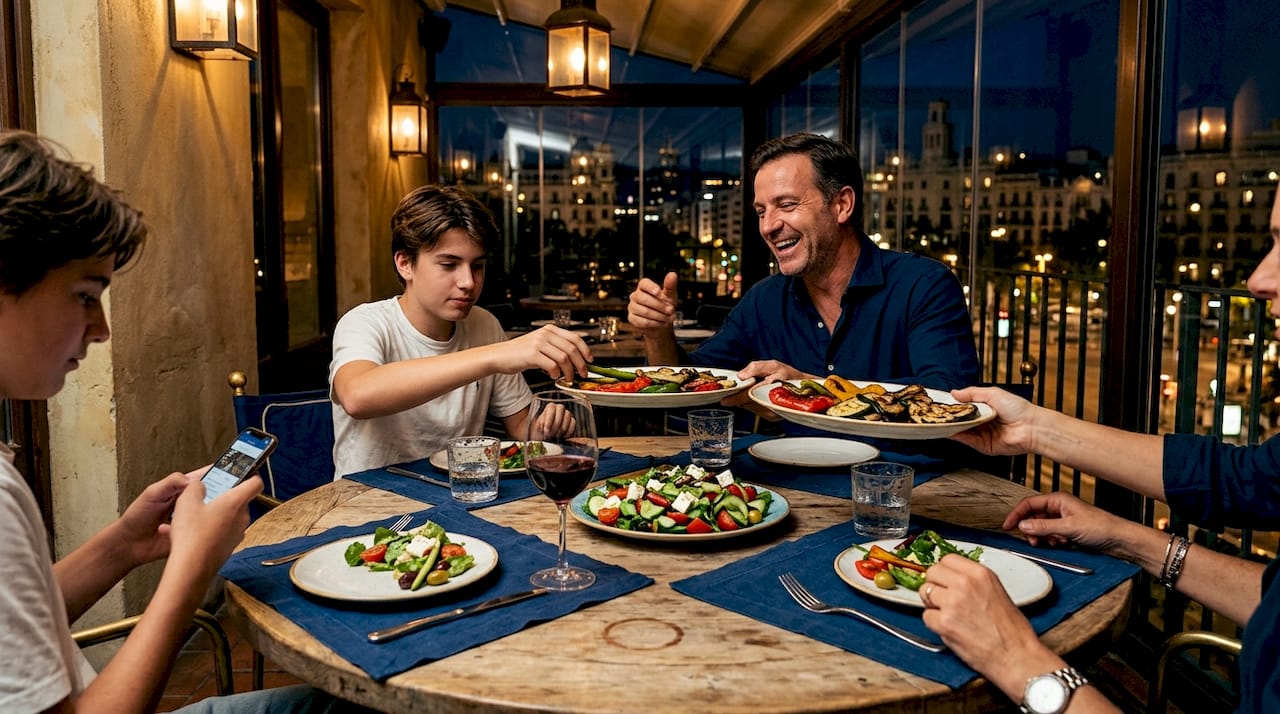
Fire-cooked, shareable plates and stylish settings are hallmarks of unique culinary adventures in Barcelona, and the city’s restaurant scene has leaned into this identity hard. You’ll find terraces with views of iconic architecture, interiors that blend Modernista details with contemporary furniture, and plating that looks almost too good to eat.
What else sets Barcelona apart?
- Multicultural kitchen teams: Barcelona attracts chefs from across Spain, Latin America, and the Mediterranean basin. The result is menus that draw on a genuinely diverse range of culinary traditions.
- Access to exceptional local produce: The Boqueria and other city markets supply restaurants with seafood caught that morning, vegetables from nearby farms, and cured meats from Catalan producers.
- A culture of culinary innovation: Barcelona has produced some of the world’s most celebrated chefs. That spirit of experimentation filters down to neighborhood restaurants, not just Michelin-starred venues.
- Year-round outdoor dining: The climate allows for terrace dining most of the year, which reinforces the relaxed, social atmosphere that modern Mediterranean dining depends on.
Exploring Mediterranean cuisine experiences in Barcelona reveals just how wide the range has become. You can find everything from intimate ten-seat tasting menus to lively group restaurants with open kitchens and communal tables. For those seeking unique dining in Barcelona, the modern Mediterranean category consistently delivers the most memorable evenings.
One underappreciated detail: the visual language of these restaurants matters enormously. Dishes are plated with an almost architectural precision. The decor references the sea, the sun, and the textures of the Mediterranean landscape without being kitschy about it. Eating at a well-executed modern Mediterranean restaurant in Barcelona feels like a coherent sensory experience from the moment you walk in to the moment you leave.
Health and wellness trends in modern Mediterranean dining
Alongside unique experiences, wellness and health trends are a major part of what draws crowds to modern Mediterranean restaurants. The Mediterranean diet has been studied extensively, and its core principles, centered on olive oil, vegetables, legumes, fish, and whole grains, consistently rank among the most evidence-backed eating patterns in nutrition research.
Modern Mediterranean restaurants have capitalized on this reputation. Their menus tend to emphasize:
- Plant-forward dishes: Roasted vegetables, grain salads, and legume-based starters often make up a significant portion of the menu.
- Healthy fats: Olive oil is used generously, not just as a condiment but as a primary cooking medium and flavor base.
- Local and seasonal produce: Seasonal menus reduce reliance on imported, out-of-season ingredients that lose nutritional value in transit.
- Fresh seafood: Fish and shellfish appear across multiple courses, providing lean protein and omega-3 fatty acids.
- Minimal processing: The best modern Mediterranean kitchens make sauces, stocks, and condiments from scratch rather than relying on commercial shortcuts.
“Empirical benchmarks show Mediterranean principles dominate trends due to adaptability and wellness alignment, but modern habits risk dilution with ultra-processed foods.”
That last point deserves attention. Not every restaurant that calls itself Mediterranean actually delivers on the health promise. Some venues use the label as marketing while quietly relying on ultra-processed sauces, imported frozen seafood, and refined carbohydrates that undermine the whole concept. The term “Mediterranean” has become popular enough that it attracts opportunistic branding.
How do you identify genuinely healthy options? Ask your server about the origin of key ingredients. Look for seasonal specials, which signal a kitchen working with fresh, local produce. Check whether the menu changes regularly. A static menu that looks identical in January and July is a red flag.
Staying current with modern Mediterranean food trends helps you separate the authentic from the imitative. Restaurants that genuinely commit to Mediterranean wellness principles tend to talk openly about their sourcing, their cooking methods, and their seasonal approach. They’re proud of those details because those details are the product.
Choosing your modern Mediterranean adventure
With health and social aspects in mind, here’s how to find your ideal modern Mediterranean destination in Barcelona. The city has dozens of options, and not all of them deliver equally. A little research before you book saves a lot of disappointment.
Here’s a step-by-step approach to choosing well:
- Check the menu for seasonal variation. A restaurant that updates its offerings based on what’s available locally is signaling genuine commitment to Mediterranean principles. Look for a “seasonal specials” section or ask the staff directly.
- Research the chef’s background. Chefs who have trained in Mediterranean regions, or who grew up with these food traditions, bring authenticity that’s hard to fake. A quick look at the restaurant’s website or social media usually tells this story.
- Look at the ambience details. Modern Mediterranean restaurants invest in their environment. Terrace seating, warm lighting, and thoughtful decor are signs that the team cares about the full experience, not just the food.
- Read recent reviews with a critical eye. Focus on reviews that mention specific dishes, ingredients, and service quality rather than generic praise. Look for mentions of freshness, sourcing, and flavor complexity.
- Consider location and context. Restaurants near major tourist attractions sometimes prioritize volume over quality. That said, some of Barcelona’s best modern Mediterranean venues sit right alongside the city’s most iconic landmarks.
As research confirms, purists prioritize regional authenticity over modern innovations, and Mediterranean principles consistently dominate culinary trends. That means the best restaurants balance both: they honor the tradition while finding smart, creative ways to make it feel current.
Common pitfalls to avoid:
- Confusing fusion for Mediterranean: A restaurant that mixes Asian and Mediterranean elements isn’t automatically a modern Mediterranean restaurant. True modern Mediterranean stays rooted in the region’s core ingredients and ethos.
- Overlooking wellness factors: A stylish space with poor-quality ingredients is just expensive disappointment. The health dimension is non-negotiable.
- Booking without checking the format: Some modern Mediterranean restaurants are designed for groups and don’t work as well for solo diners or couples. Check the dining format before you go.
If you’re near the Sagrada Familia, exploring a Mediterranean themed restaurant near Sagrada Familia gives you access to some of the most interesting modern Mediterranean dining in the city. For a broader guide on making the most of your visit, learning how to enjoy gastronomic experiences in Barcelona gives you a practical framework.
Pro Tip: Book your table for 9 PM or later if you want the full Barcelona dining experience. The city eats late, and the atmosphere at a modern Mediterranean restaurant after 9 PM is noticeably more vibrant, social, and authentic than an early tourist-hour sitting.
Why modern Mediterranean dining is reshaping Barcelona’s culinary identity
Having explored the practical aspects, let’s step back for a broader perspective. What does this shift toward modern Mediterranean dining actually mean for Barcelona’s food culture, and why does it matter beyond the plate?
Barcelona has always been a city that takes food seriously. But the rise of modern Mediterranean restaurants represents something more significant than a trend. It reflects a genuine renegotiation of what regional identity means in a globalized world. These restaurants are saying: we can honor where we come from while incorporating what the wider world has taught us. That’s a sophisticated cultural position, and Barcelona is one of the few cities with the culinary infrastructure to pull it off convincingly.
The risk, of course, is dilution. As Mediterranean principles dominate trends due to their adaptability and wellness alignment, the label attracts opportunistic use. Every restaurant wants to be “Mediterranean” right now because the word carries associations of health, sophistication, and pleasure. When the label loses meaning, diners lose their ability to navigate the scene effectively.
What most guides miss is this: the best modern Mediterranean restaurants in Barcelona aren’t trying to be everything to everyone. They have a clear point of view. They know which traditions they’re drawing from, which innovations they’re embracing, and where they draw the line. That clarity is what separates a genuinely great modern Mediterranean experience from a well-decorated disappointment.
We believe the most meaningful thing about this dining movement is how it connects people. Shared plates create shared conversations. A table of strangers becomes a community for two hours. That social function, rooted in Mediterranean culture for centuries, is exactly what modern life often lacks. The best restaurants in this category understand that they’re not just serving food. They’re facilitating something more important. Exploring how gastronomy unites cultures in Barcelona reveals just how central this social dimension has become to the city’s identity.
Explore Barcelona’s top modern Mediterranean restaurants
Ready to put this knowledge to use? Here’s where to discover or book your modern Mediterranean experience in Barcelona.
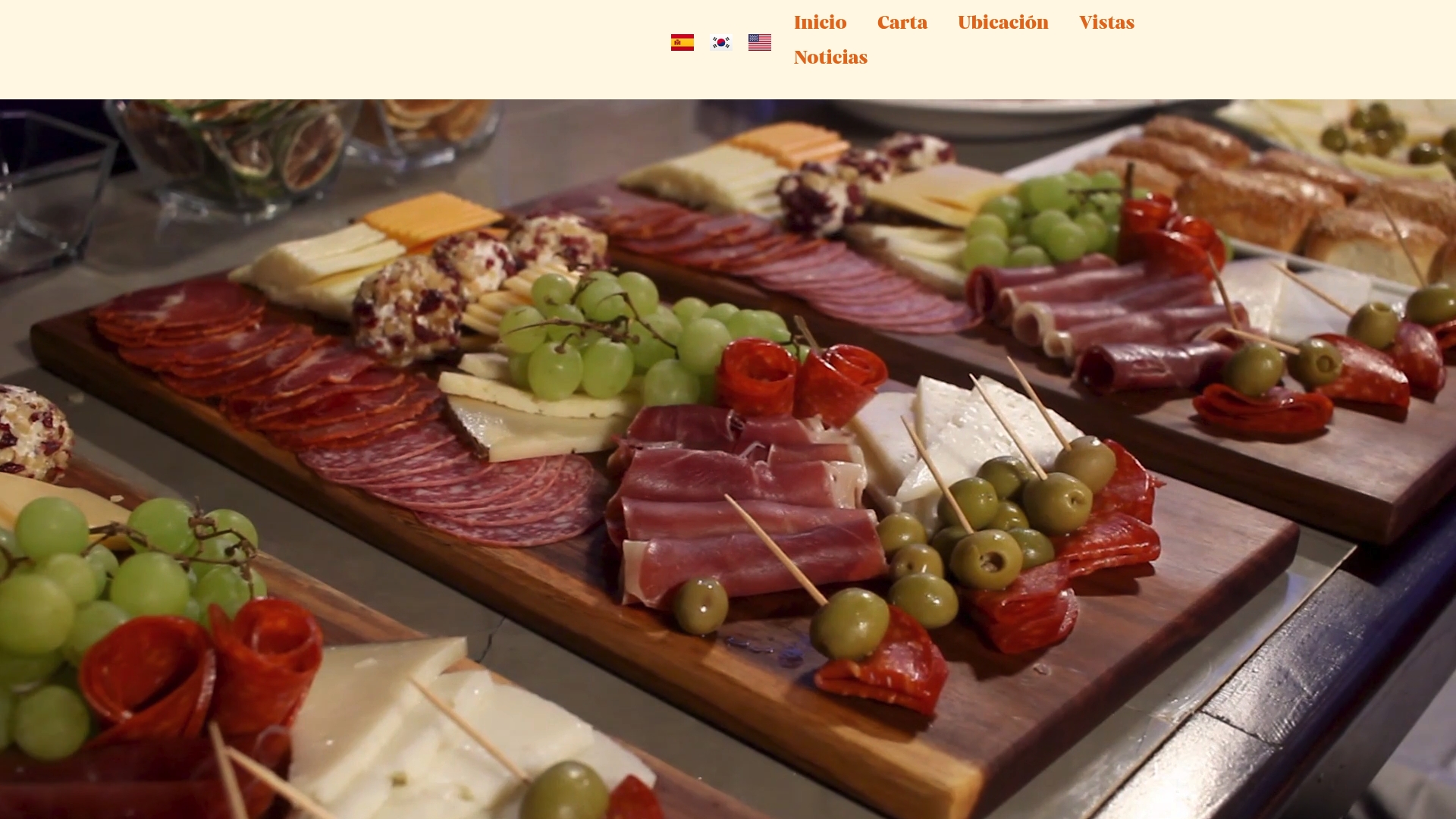
At Kokcha, located steps from the Sagrada Familia, we’ve built our menu around everything this article covers: fire-cooked technique, shared plates, seasonal local produce, and a space designed to make every meal feel like an occasion. From inventive tapas and fresh seafood to paella and wood-fired meats, the Barcelona Mediterranean experience we offer is grounded in authentic principles while staying genuinely exciting. We follow the 2026 Mediterranean trends closely so our menu stays current without losing its soul. Browse the full menu at Kokcha and see exactly what modern Mediterranean dining in Barcelona looks like when it’s done right. Reservations are open, and we’d love to be your next great meal.
Frequently asked questions
What is the difference between traditional and modern Mediterranean restaurants?
Traditional venues focus on regional authenticity while modern Mediterranean restaurants blend health benefits, social sharing, and elevated aesthetics into a more dynamic and flexible dining format.
Are modern Mediterranean menus in Barcelona healthy?
Most menus emphasize health-focused ingredients, though some risk dilution with ultra-processed foods. Mediterranean principles dominate trends due to wellness alignment, so authenticity in sourcing and preparation is what you should look for.
What are must-try dishes at a modern Mediterranean restaurant?
Fire-cooked, shareable plates and stylish settings are hallmarks, with seasonal salads, inventive tapas, fresh seafood platters, and wood-fired meats being the signature items worth ordering.
How can I tell if a restaurant is genuinely Mediterranean?
Look for health-oriented dishes, local seasonal produce, and a festive social atmosphere. Restaurants that blend health benefits, social sharing, and elevated aesthetics are the real thing, not just wearing the label.
Recommended
- Estilo mediterráneo en restaurantes: clave para una experiencia acogedora en Barcelona
- Cocina Mediterránea en Barcelona: Experiencia y Sabor
- Tendencias gastronómicas mediterráneas innovadoras 2026
- Pasos para disfrutar experiencia gastronómica Barcelona
- Cuisine ouverte : vivez la convivialité et les saveurs