Barcelona is a city that rewards curiosity, and nowhere is that truer than at the dinner table. You could spend an evening at a formal restaurant working through a fixed menu, or you could pull up a chair at a shared table, order round after round of bold, inventive small plates, and actually talk to the people you came with. Tapas dining is not just a meal format. It is a philosophy that puts conversation, discovery, and flavor on equal footing, and it happens to be one of the most authentic ways to experience everything this Mediterranean city has to offer.
Table of Contents
- Tapas dining: What makes it uniquely social
- Variety and pacing: The culinary advantages of tapas
- Comparing tapas to other Mediterranean dining styles
- Situational tips: When tapas dining is best
- Why tapas dining makes Mediterranean travel unforgettable
- Ready to experience tapas and Mediterranean cuisine in Barcelona?
- Frequently asked questions
Key Takeaways
| Point | Details |
|---|---|
| Tapas foster connection | Sharing tapas meals increases social interaction and boosts wellbeing. |
| Flexible meal pacing | Tapas let you adjust the meal duration and rhythm to suit your group’s appetite. |
| Variety of flavors | Enjoy a broad range of Mediterranean dishes by sampling multiple tapas plates. |
| Best for sociable dining | Tapas dining excels in casual group settings or lively gatherings. |
| Choose wisely for better experience | Tapas should be informal and shareable to fully capture their social and culinary benefits. |
Tapas dining: What makes it uniquely social
Most restaurant formats put everyone in their own lane. You order your dish, it arrives, you eat it, and you wait for the check. Tapas flips that script entirely. The whole structure is built around the idea that food is better when it travels around the table, when someone reaches across to try a bite, when a single order of patatas bravas sparks a debate about which sauce is superior.
Sharing mealtimes with others is associated with higher self-reported wellbeing and life satisfaction in large cross-country analyses. That is not a small finding. It suggests the simple act of eating together, passing plates, and staying at the table longer has measurable effects on how good we feel about our lives. Tapas is practically engineered to deliver exactly that.
“Tapas is structurally designed around ordering multiple small dishes for the table and extending the meal over rounds, which aligns perfectly with how shared dining boosts connection.” Tapas food meaning explained
Here is what makes tapas so different from the average sit-down meal:
- Multiple dishes arrive gradually, giving people something new to react to throughout the evening
- No one owns their plate, so every dish becomes a conversation starter
- Ordering is collaborative, which means the group makes decisions together instead of retreating into their own menus
- The meal has no fixed endpoint, so it expands or contracts naturally based on how the evening is going
When you explore authentic tapas in Barcelona, you quickly realize this is not just about the food. The format itself is the experience. Learning ordering tapas like a local means learning how to pace a meal around people, not just around hunger.
Variety and pacing: The culinary advantages of tapas
Beyond the social dimension, tapas offers real practical advantages for anyone who has ever sat through a three-course dinner and wished they could try just a little bit of everything on the menu. That is exactly what tapas lets you do.
The core mechanic, as explained in the tapas food meaning overview, is ordering multiple small dishes in rounds. This does three things simultaneously. It gives you variety across flavors and textures. It lets you control the pace of eating. And it keeps the table engaged because there is always something new arriving.
Here is how a typical tapas progression might look for a group of four:
- Start light: Begin with pan con tomate (bread rubbed with fresh tomato and olive oil) and a cold seafood dish like marinated anchovies. These are bright, acidic, and get everyone’s appetite going.
- Move to warm plates: Order something hot and savory, like croquetas de jamón or grilled vegetables with romesco sauce. These are satisfying without being heavy.
- Add something bold: Bring in a meat dish or a more complex preparation, maybe a slow-cooked pork cheek or a plate of grilled prawns with garlic.
- Check in before the next round: This is the key step. Pause, let people talk, assess how hungry they still are, and decide whether to order more or let the evening wind down naturally.
- Finish with something indulgent: If everyone is still engaged, a shared dessert or a plate of cheese rounds things off without commitment.
Pro Tip: Ask your server what the kitchen is proudest of that evening. Many Barcelona restaurants rotate specials based on market availability, and these are often the most interesting dishes on any given night.
The pacing flexibility is also a major advantage for tourists. After a full day exploring the Sagrada Familia and nearby landmarks, you may not know exactly how hungry you are or how long you want to sit. Tapas lets you feel your way through the meal rather than committing to a fixed structure upfront. Outdoor settings, like a Spanish terrace restaurant with a view of the city, amplify this effect considerably.
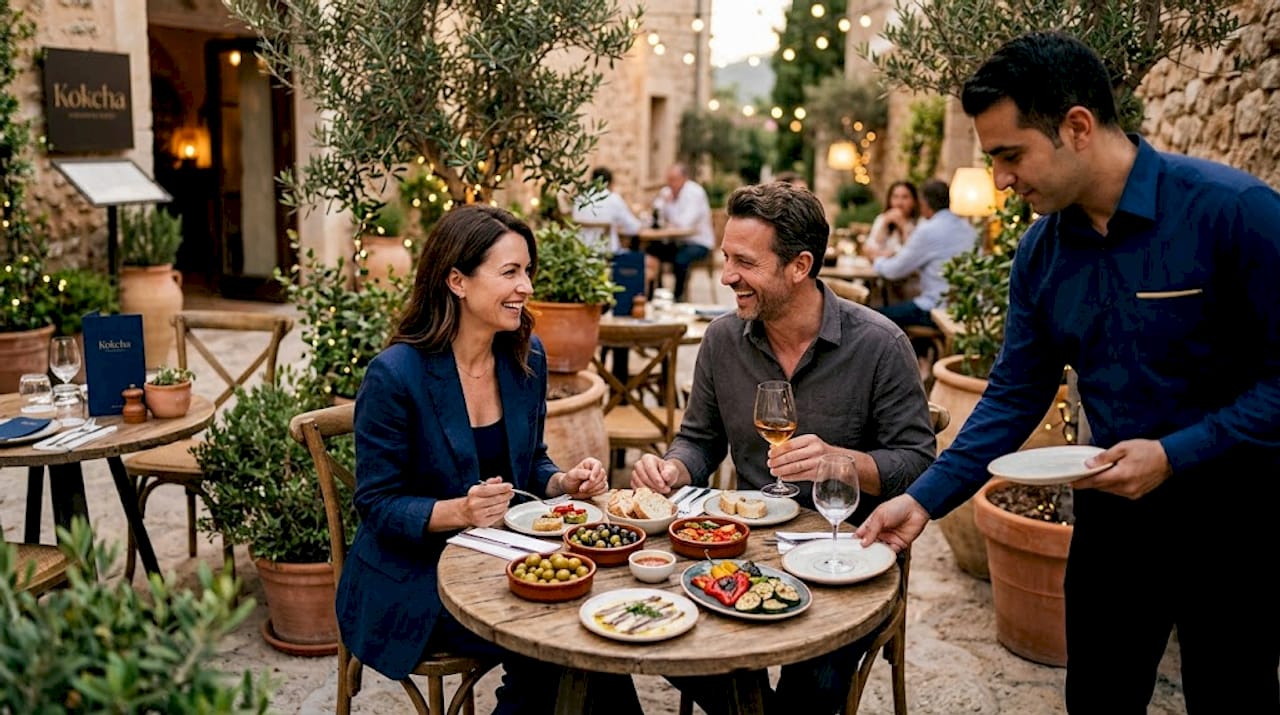
Quick stat: Studies consistently show that slower meals with more social interaction lead to greater satisfaction and lower rates of overeating. The round-based structure of tapas naturally creates those slower, more mindful eating conditions.
Comparing tapas to other Mediterranean dining styles
Mediterranean cuisine is rich and varied. Italy, Greece, Turkey, and Spain all share a broad commitment to fresh ingredients, olive oil, and seasonal cooking, but their dining structures are quite different. Understanding those differences helps you make a smarter choice when planning your evening in Barcelona.
The most important contrast is between tapas and traditional fixed-course dining. Fixed courses, whether French-influenced or Italian in style, follow a linear progression: starter, main, dessert. Each course is plated individually, portions are defined, and the pacing is controlled by the kitchen. This works beautifully for a romantic dinner or a celebration where you want a sense of occasion and formality.
Tapas operates differently. As modern Mediterranean dining in Barcelona has evolved, the best venues have preserved the informality and spontaneity that make tapas special, even while improving the quality and creativity of the cooking. However, it is worth noting that tapas from bar snacks to small plates can lose its defining character if restaurants shift toward oversized platters or miniaturized fine dining with strict pacing and heavy complexity.
| Feature | Tapas | Fixed-course Mediterranean |
|---|---|---|
| Social interaction | Very high, constant sharing | Moderate, individual plates |
| Variety | High, multiple dishes per meal | Limited, one choice per course |
| Pacing control | Fully flexible, diner-led | Kitchen-controlled |
| Meal duration | Expandable, adapts to group | Fixed, structured timeline |
| Value for variety | Excellent | Good but less exploratory |
| Best for | Groups, explorers, casual evenings | Formal occasions, couples |
There are situations where fixed-course dining wins. A special anniversary, a business dinner, or a meal where you want to be impressed rather than engaged might suit a more structured format. But for most visitors to Barcelona, especially those traveling with friends or family and looking to genuinely experience Mediterranean culinary traditions, tapas is the more rewarding choice.
The key risk to avoid is the faux-tapas experience, where small plates are overpriced, under-portioned, and designed for Instagram rather than the table. Good tapas should feel generous, even in small sizes, because the generosity is what drives the sharing.
Situational tips: When tapas dining is best
Not every meal calls for tapas, but a surprisingly wide range of situations benefit from it. Knowing when to lean into the format helps you get the most out of your time in Barcelona.
Tapas excels in these situations:
- Post-sightseeing dinners with a group: After a long day walking around the Gaudí landmarks or the Gothic Quarter, nobody wants to commit to a heavy set menu. Tapas lets you recharge at your own speed.
- Mixed groups with different appetites: When some people are ravenous and others are barely hungry, tapas handles the gap naturally. The range of dishes means everyone finds something, and portion sizes are small enough not to overwhelm lighter eaters.
- When you want to explore the local cuisine: If you are visiting Barcelona for the first time and want to try as many flavors as possible, tapas is essentially a tasting tour in one sitting.
- Casual reunions and social evenings: When the conversation matters as much as the food, tapas keeps the energy flowing because there is always something arriving or something to discuss.
- When schedules are unpredictable: Tapas menus are generally available throughout the evening in Spanish dining culture, which is famously relaxed about timing. You are not penalized for arriving at 9 p.m.
Tapas is structurally built for exactly this kind of flexibility, and Barcelona’s dining scene has spent generations perfecting the art of making it feel effortless. For visitors, the practical value runs deeper than just taste. Ordering successive rounds helps you modulate appetite, conversation duration, and the evening’s rhythm in ways that fixed-course dining simply cannot match.
Pro Tip: Choose an outdoor or terrace setting whenever possible. Barcelona’s climate makes alfresco dining genuinely pleasant for a large part of the year, and the open-air environment adds a sensory layer to the meal that indoor dining rarely replicates.
If you want to go deeper on what to order, the local tapas favorites guide is a practical starting point, and the top tapas near Sagrada Familia list offers venue-specific recommendations for that part of the city.
Why tapas dining makes Mediterranean travel unforgettable
Here is the honest truth that most food guides miss: the best meal you will have in Barcelona will probably not be the most technically impressive one. It will be the one where everyone at the table was laughing, where you kept ordering just one more plate, where the evening somehow stretched two hours longer than you planned.
That is what tapas does. It creates conditions for memorable experiences, not just memorable flavors. The social sharing that tapas promotes aligns directly with empirical findings that meal sharing correlates with better wellbeing, meaning the format is not just culturally appealing. It has measurable psychological benefits.
The contrarian view worth considering is this: many food-obsessed travelers come to Barcelona and treat every meal as a solo act of consumption, hunting for the best dish in isolation, photographing it, and moving on. They miss the point entirely. The Mediterranean table is not a stage for individual performance. It is a communal ritual, and tapas is its purest expression.
The culinary traditions of Barcelona did not develop in a vacuum. They grew out of a culture where eating was inherently social, where the bar was a place to stand and talk, and where food was always an excuse to stay longer. Tapas carries all of that history in its format. When you eat tapas the right way, you are not just consuming food. You are participating in something that locals have been doing for generations.
True Mediterranean spirit is not found in an isolated tasting menu or a perfectly plated single portion. It is found at a long table, with good company, while plates keep arriving and nobody wants the night to end.
Ready to experience tapas and Mediterranean cuisine in Barcelona?
If this article has made you hungry, that is the right response. Barcelona’s food scene rewards people who show up curious and stay at the table long enough to discover what makes it genuinely special.
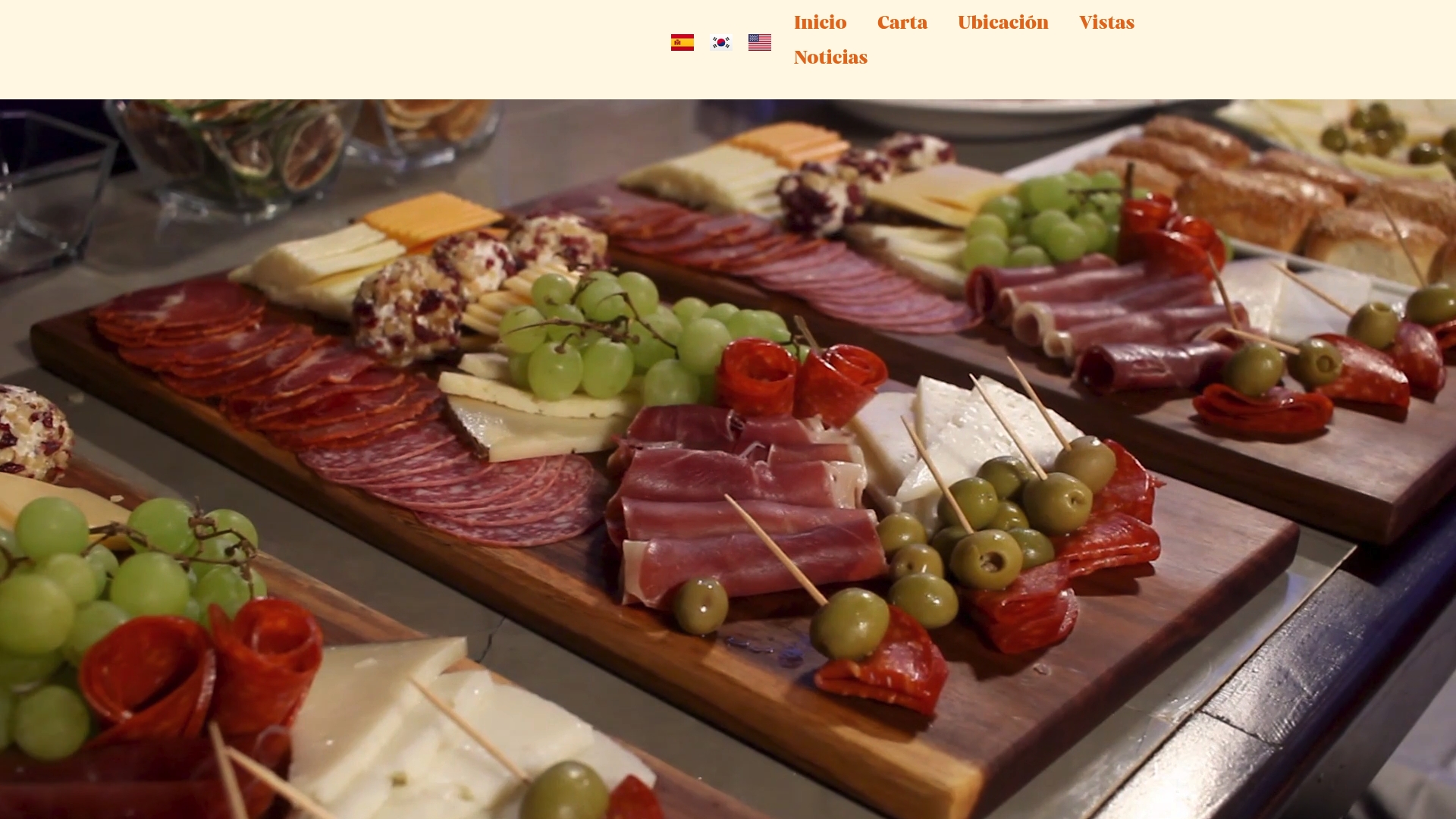
At Kokcha, we are located steps from the Sagrada Familia, and our Mediterranean menu is built around exactly the kind of tapas experience this article describes: shared, seasonal, unhurried, and full of genuine flavor. From classic small plates to paellas, fresh seafood, and grilled meats, our kitchen is designed for the kind of evening that turns into a memory. Browse our menu, explore our terrace, and book your table at kokcha.es. Your Barcelona evening starts here.
Frequently asked questions
Why is tapas dining considered authentic in Barcelona?
Tapas dining is rooted in Spanish tradition and built around sharing, which reflects local eating culture directly. As noted in research on tapas food meaning, the format is structurally designed around multiple small dishes ordered for the table, which is how locals have always eaten.
Is tapas dining better for groups or solo travelers?
Tapas is at its best with groups of three or more, since more people means more dishes and more variety at the table. Solo diners can still enjoy it by ordering two or three small plates and treating the meal as a personal tasting experience.
Can you control the meal pace when ordering tapas?
Absolutely. Ordering in rounds means you set the tempo, not the kitchen. The pacing control is one of tapas’ most practical advantages, letting you stretch or shorten the evening based on how the conversation is going.
Are there drawbacks to tapas dining?
Yes, if a restaurant treats tapas as miniaturized fine dining with strict pacing, the social flexibility and casual energy that define the format can disappear quickly. The key is finding venues that understand tapas as a communal format, not a showcase for plating technique.