Barcelona draws tens of millions of visitors every year, and the city’s food scene reflects that pressure. Restaurants near major landmarks often chase foot traffic rather than flavor, serving frozen croquetas and reheated patatas bravas to unsuspecting tourists who don’t know any better. Finding genuinely authentic tapas takes a bit of local knowledge, a sharp eye, and the willingness to walk past the glossy menus with photos. This guide gives you the criteria, the venues, and the practical know-how to eat like someone who actually lives here.
Table of Contents
- Criteria for spotting authentic tapas bars
- Top authentic tapas options near major attractions
- Comparison of tapas venues: Features and visitor experience
- Choosing your ideal tapas stop: Recommendations for different travelers
- Our take: The true tapas experience is about local culture, not just food
- Continue your Mediterranean culinary journey in Barcelona
- Frequently asked questions
Key Takeaways
| Point | Details |
|---|---|
| Local authenticity markers | Short menus, locals at the bar, and quick service signal a genuine tapas venue. |
| Major attractions proximity | Top authentic tapas bars are conveniently located near cultural sites like Sagrada Familia and Picasso Museum. |
| Standing-only tradition | Classic tapas bars rarely accept reservations and expect standing or lively bar service. |
| Pairing tapas and drinks | Local favorites pair best with vermut or cava for a true Barcelona experience. |
| Avoiding tourist traps | Steer clear of lengthy multilingual menus and the Ramblas area to find better quality and atmosphere. |
Criteria for spotting authentic tapas bars
Now that you’re aware of the challenges, let’s learn how to identify genuine tapas bars wherever you wander. The good news is that the signs are usually right in front of you. You just need to know what to look for.
The first thing to check is the menu itself. Authentic tapas bars keep their offerings short and focused, often written on a chalkboard or recited verbally by the bartender. A laminated, ten-page menu with photos and translations in six languages is a strong warning sign. As Barcelona Food Experience notes, authentic tapas bars show signs like focused menus, locals at the bar, quick turnover, and no long multilingual menus outside, and you should avoid tourist traps near the Ramblas.
Key indicators of an authentic tapas bar:
- The bar is occupied by locals, not just tourists with rolling luggage
- Food comes out fast because ingredients are fresh and prep is minimal
- The menu changes daily or weekly based on what’s available at the market
- Staff speak primarily Catalan or Spanish, not English as a first language
- The space feels lived-in, not Instagram-designed
- Prices are written in chalk, not printed on glossy cardstock
“The best tapas bars in Barcelona don’t advertise. They don’t need to. Their regulars come back every week, and word travels through the neighborhood.”
Pro Tip: Arrive between 1:00 and 2:30 PM on a weekday. That’s when locals eat lunch, and a bar full of office workers and retired neighbors is the best endorsement you’ll find. If you want to explore authentic tapas experiences more broadly, understanding this timing ritual is essential.
Location matters enormously. La Rambla and the immediate surroundings of Plaça de Catalunya are almost universally tourist-oriented. The further you move into neighborhoods like El Born, Poble Sec, Barceloneta, or the side streets of Eixample, the better your chances of finding something real.
Top authentic tapas options near major attractions
With selection criteria established, here’s a curated list of venues that embody true tapas culture and are easy to reach from iconic sites.
La Cova Fumada sits in Barceloneta, the old fishing quarter near the beach. There’s no sign outside. The hours are unpredictable. The menu is on a blackboard and changes based on whatever came in from the market that morning. Dating back to 1944, this family-run spot takes no reservations and uses only fresh ingredients. It’s also widely credited as the birthplace of the bombas, the fried potato and meat ball that became a Barcelona staple. Get there early because they close when the food runs out.
El Xampanyet in El Born is one of the most beloved spots in the city. Operating since 1929, this bar near the Picasso Museum serves classic tapas like anchovies, mussels, and house cava poured straight from the barrel. The atmosphere is lively, the crowd is mostly local, and reservations are not accepted. It’s a five-minute walk from the museum, making it the perfect stop after a morning of art.
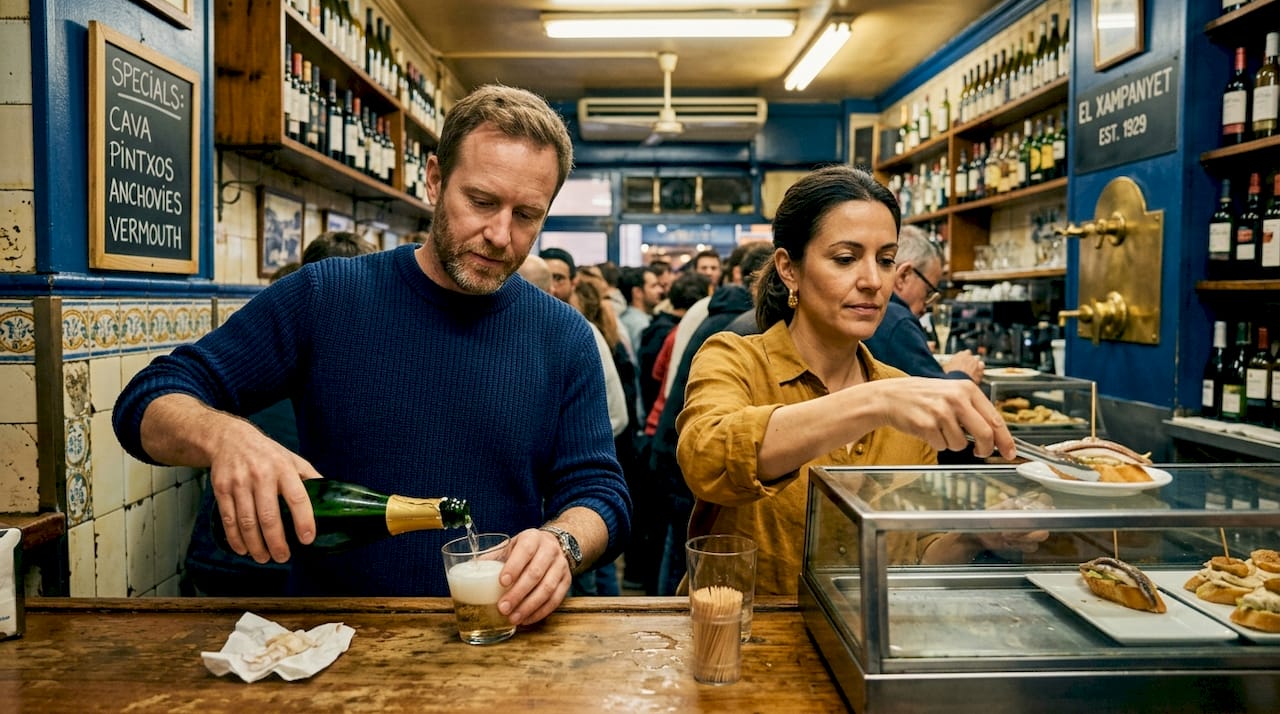
Quimet & Quimet in Poble Sec is a standing-only bar that has been family-run since 1914. The specialty here is montaditos, small open-faced sandwiches topped with conservas (canned or preserved ingredients) like mussels, razor clams, and anchovies. The combinations are creative and precise. Pair them with cava or vermouth and you have one of the best twenty-minute eating experiences in the city.
Jai-Ca in Barceloneta has been family-run for three generations since 1955. Their signature dish is La Raspa, Cantabrian anchovies served with the fried bone still attached. It sounds unusual, but the crunch and the salt make it extraordinary. The bar draws a genuine mix of locals and in-the-know tourists, and the vermouth list is excellent.
Hasta Los Andares is located near the Sagrada Familia in the Eixample district. If you’re visiting Gaudí’s masterpiece and want to eat well afterward, this is your spot. Known for Iberian hams and Manchego cheese, the bar also offers complimentary tapas with drinks and maintains a high local clientele compared to the tourist-heavy spots just blocks away. For more options when looking for tapas near Sagrada Familia, this neighborhood rewards exploration.
Tapas 24 is the one exception to the “no-name-chef” rule. Created by celebrated chef Carles Abellán, the quality justifies the price even if it’s not the cheapest option on this list. The truffle bikini, a grilled sandwich with black truffle and Iberian ham, has become a modern Barcelona classic. It’s located near Passeig de Gràcia, making it convenient after visiting Casa Batlló or La Pedrera.
Understanding what makes these places special also means understanding classic Barcelona dishes and how they connect to the city’s culinary identity. The Mediterranean flavors in Barcelona that define these bars go back centuries, rooted in fresh seafood, preserved ingredients, and communal eating.
Pro Tip: Order vermouth (vermut in Catalan) at any of these bars before noon on a weekend. The vermouth ritual is deeply embedded in Barcelona culture, and doing it at a local bar feels completely different from ordering it at a hotel.
Comparison of tapas venues: Features and visitor experience
Having explored individual venues, let’s see how they compare side by side for different needs and preferences.
| Venue | Neighborhood | Near landmark | Specialty | Reservations | Atmosphere |
|---|---|---|---|---|---|
| La Cova Fumada | Barceloneta | Beach/Port | Bombas, fresh fish | No | Old-school, standing |
| El Xampanyet | El Born | Picasso Museum | Anchovies, barrel cava | No | Lively, locals-heavy |
| Quimet & Quimet | Poble Sec | Sant Antoni | Montaditos, conservas | No | Standing-only, tight |
| Jai-Ca | Barceloneta | Beach/Port | La Raspa, vermouth | No | Family, mixed crowd |
| Hasta Los Andares | Eixample | Sagrada Familia | Iberian ham, Manchego | Limited | Neighborhood bar |
| Tapas 24 | Eixample | Passeig de Gràcia | Truffle bikini, modern | Yes | Contemporary, busy |
As Barcelona Urbana points out, matching venues to cultural sites makes your day more efficient. El Born and the Picasso Museum pair naturally with El Xampanyet. The Sagrada Familia connects well to Hasta Los Andares. Barceloneta and the beach area give you both La Cova Fumada and Jai-Ca within walking distance.
What separates locals-first venues from tourist traps:
- No reservation needed and no pressure to turn over your table quickly
- Prices written by hand, not printed in multiple currencies
- Bar staff who recognize regular customers by name
- Food that changes based on season and market availability
- A noise level that suggests people are actually enjoying themselves
One important note on pricing: authentic venues aren’t always cheaper. Many classics have no reservations, standing or eating at the bar is expected, and you should expect waits during peak hours. Pair your food with vermut or cava for the full experience. The difference isn’t always cost. It’s value. A plate of fresh anchovies at Jai-Ca costs more than a frozen croqueta on La Rambla, but the experience is incomparable.
Using a solid restaurant checklist for Barcelona before you go helps you avoid making decisions under pressure when you’re hungry and surrounded by tourist-facing restaurants.
Choosing your ideal tapas stop: Recommendations for different travelers
After comparing, it’s time to personalize your tapas journey with practical recommendations for different types of explorers.
1. Beach lovers and seafood fans: Head straight to Barceloneta. Start at La Cova Fumada when it opens (typically around 9:00 AM for breakfast tapas), then walk the beach and return to Jai-Ca for lunch. The combination gives you two generations of Barcelona seafood culture in one morning.
2. Museum-goers and culture seekers: Build your day around El Born. Visit the Picasso Museum in the morning, then walk two minutes to El Xampanyet for anchovies and cava. The neighborhood also has excellent wine bars and cheese shops for an extended afternoon.
3. Families and groups: Tapas 24 is the most family-accommodating option on this list. It takes reservations, has seating, and the menu is creative enough to satisfy different tastes. Hasta Los Andares near the Sagrada Familia also works well for groups who want a neighborhood feel without the chaos of a standing-only bar.
4. Budget-conscious travelers: Quimet & Quimet offers some of the best value in the city. A montadito costs just a few euros, the combinations are inventive, and a glass of cava is affordable. The catch is that it’s standing-only and gets crowded fast.
5. Tapas crawl enthusiasts: The recommended route from El Born to Poble Sec is one of the best tapas crawl options in the city. Start at El Xampanyet in El Born, walk through the Gothic Quarter, stop at a vermouth bar in the Raval, and finish at Quimet & Quimet in Poble Sec. That route covers three distinct neighborhoods and gives you a real sense of how the city eats.
Pro Tip: Do your tapas crawl on a Saturday between noon and 3:00 PM. That’s when the city is most alive, the bars are full of locals, and the energy is exactly what tapas culture is supposed to feel like. For family-friendly tapas bars that combine atmosphere with accessibility, the Eixample neighborhood near the Sagrada Familia is particularly well-suited.
Our take: The true tapas experience is about local culture, not just food
Before you head out, here’s why the heart of Barcelona’s tapas culture goes deeper than the food itself.
Most travel guides treat tapas as a menu category. Order these dishes, visit these restaurants, take these photos. But that framing misses the point almost entirely. Tapas in Barcelona is a social ritual. It’s the reason a bar fills up at 1:00 PM on a Tuesday with people who have nowhere else to be and no reason to rush. The food is the excuse. The conversation, the standing shoulder-to-shoulder with strangers, the bartender who refills your glass without being asked, that’s the actual experience.
We’ve seen visitors spend an hour researching the “best” tapas bar in Barcelona, arrive at a famous spot, order the signature dish, and leave feeling like they checked a box. Compare that to someone who wanders into a neighborhood bar because it looked full, ends up talking to the couple next to them for forty-five minutes, and accidentally discovers a dish they’ve never heard of. The second experience is the one they talk about for years.
The quirks matter too. The fact that La Cova Fumada has no sign and unpredictable hours isn’t a flaw. It’s a feature. It means the people who find it actually wanted to find it. The standing-only format at Quimet & Quimet forces proximity and conversation in a way that a table for two never does.
Our honest advice: pick one or two venues from a list like this one, then let the day take you somewhere unexpected. Understanding Barcelona food traditions helps you appreciate why these rituals exist, but the best way to learn them is to simply show up and participate. Miss the famous dish. Order what the person next to you is having. Ask the bartender what came in fresh today. That’s when Barcelona actually starts to feel like Barcelona.
Continue your Mediterranean culinary journey in Barcelona
Inspired by local tapas? Here are easy ways to continue savoring Mediterranean specialties in Barcelona.
Tapas are just one chapter in Barcelona’s culinary story. The city’s Mediterranean cuisine extends through paellas, fresh seafood, grilled meats, and seasonal vegetables that reflect the best of what the region produces. If you want to keep exploring after your tapas crawl, the neighborhoods around the Sagrada Familia offer some of the most interesting dining options in the city.
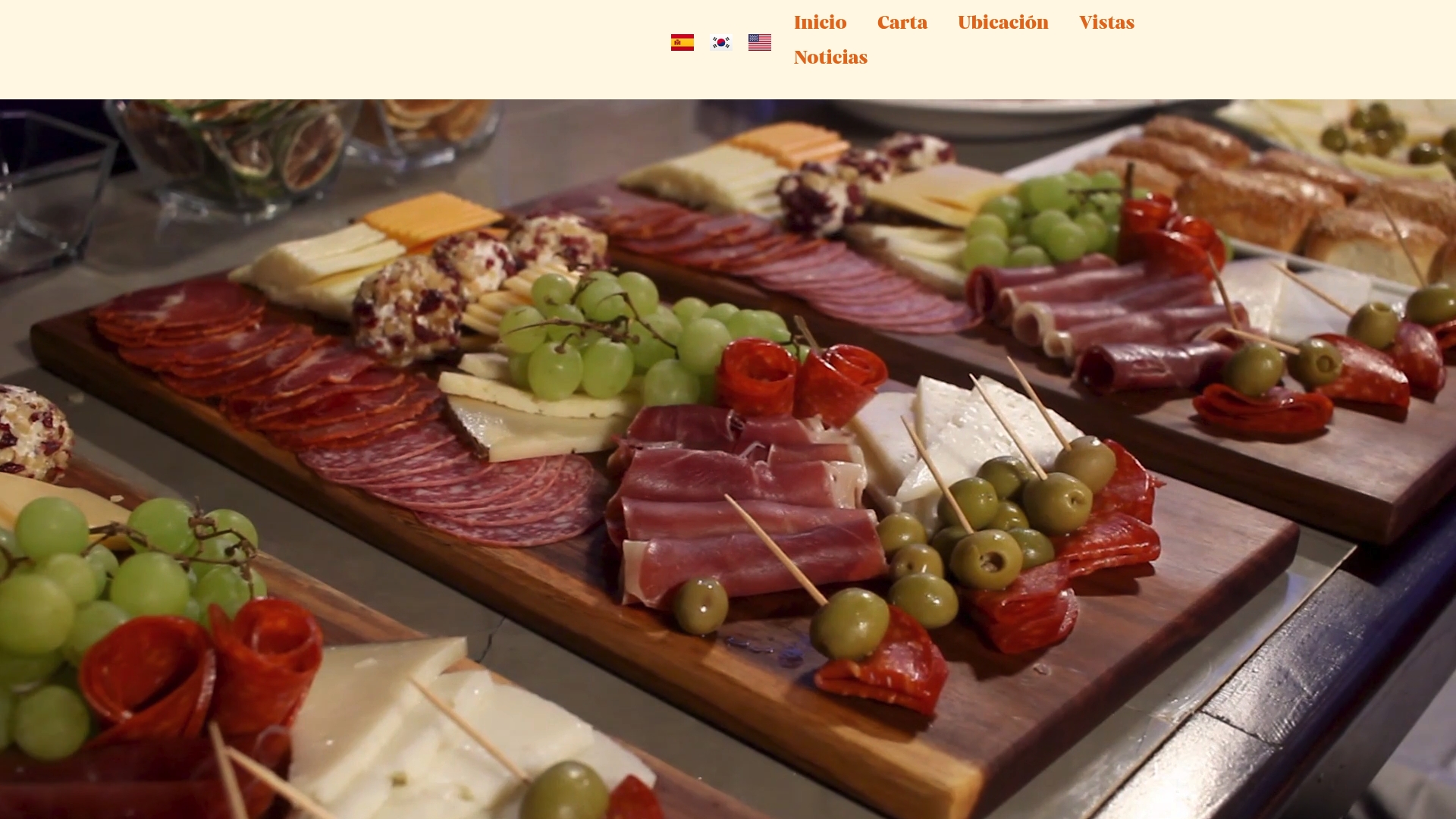
At Kokcha, located steps from the Sagrada Familia, we bring that same Mediterranean spirit to every plate. From fresh tapas and paellas to seafood and seasonal salads, our terrace gives you views of one of the world’s most iconic buildings while you eat. Whether you’re looking for a full lunch after visiting Gaudí’s masterpiece or a relaxed dinner with local flavor, how to enjoy gastronomy in Barcelona becomes a lot simpler when you have a trusted spot to return to. Reserve your table at Kokcha and make it the anchor of your Barcelona food experience.
Frequently asked questions
Which authentic tapas bar is closest to the Barcelona beach?
La Cova Fumada and Jai-Ca in Barceloneta are both near the beach and highly regarded for their authentic tapas, with La Cova Fumada dating to 1944 and Jai-Ca to 1955.
Is it possible to reserve a table at classic tapas bars in Barcelona?
Most authentic tapas bars do not accept reservations; as Barcelona Food Experience confirms, expect standing at the bar, quick service, and possible wait times during peak hours.
Are tapas more expensive in authentic bars or tourist traps?
Authentic venues like Tapas 24 aren’t always the cheapest, but they deliver real quality and freshness, while tourist traps often charge similar or higher prices for inferior food.
Which tapas venues are recommended near the Picasso Museum?
El Xampanyet in El Born is located just steps from the Picasso Museum and has been serving lively, authentic tapas including anchovies and barrel cava since 1929.
How can I avoid tourist traps and find authentic tapas?
Look for bars with short menus, locals at the bar, and quick turnover; authentic tapas bars avoid long multilingual menus outside, and steering clear of the La Rambla area dramatically improves your chances of finding the real thing.