Sharing tapas with a partner is one of the most effective date formats you can choose, and the reason is specific: small plates create a shared decision loop that keeps both people engaged, reduces the performance pressure of a formal dinner, and triggers real bonding mechanisms backed by social psychology. An anthropological study published in Adaptive Human Behavior and Physiology links communal eating to stronger social bonds, chef José Andrés calls tapas “a commitment to being together,” and psychological research shows that offering food to a partner measurably increases perceived closeness.
The short answer: couples share tapas because the format is built for connection, not consumption.
- Social bonding: sharing from a common plate signals equality and mutual reliance
- Conversational pacing: ordering in rounds creates natural pauses that take the pressure off continuous small talk
- Practical upside: you try more dishes, split the cost across smaller items, and keep the evening flexible
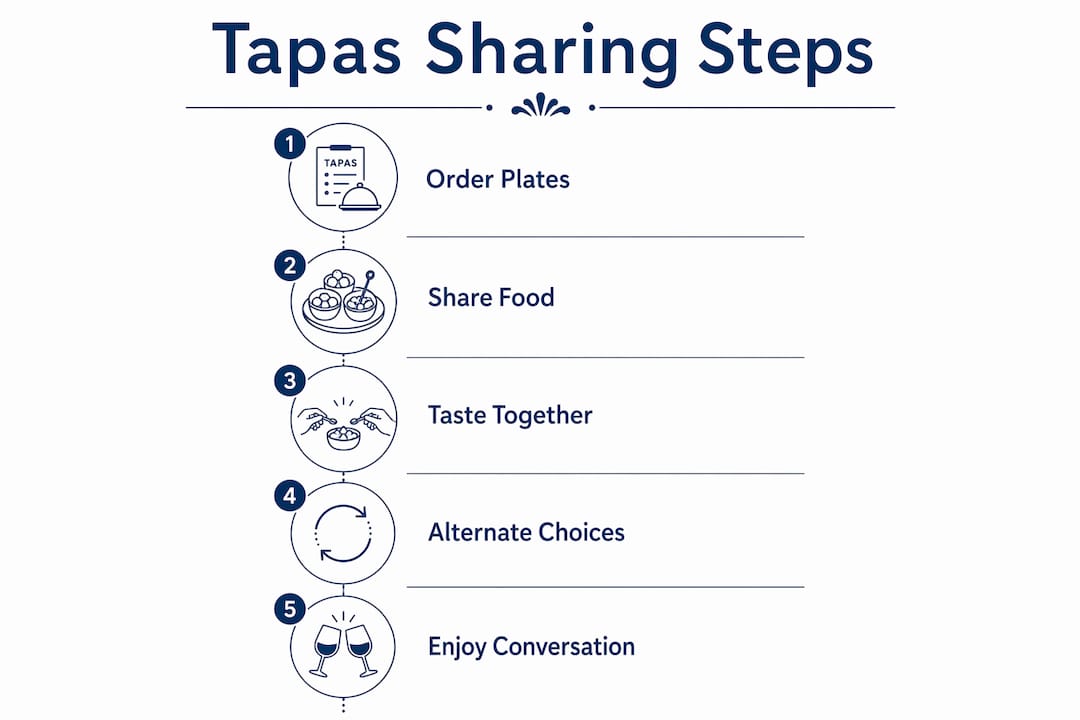
Quick checklist: order 3–4 plates to start, pass dishes across the table, pace your drinks to match the food, and let each person pick at least one plate.
Table of Contents
- What tapas actually are (and why the format matters)
- Why the culture of tapas feels intimate for couples
- The research-backed reasons shared plates bring couples closer
- Tapas etiquette couples should know
- How to pair drinks with tapas as a couple
- How to order tapas as a couple: a practical approach
- What to expect: timing and cost for a tapas evening in Central Europe
- Common challenges couples face when sharing tapas
- How tapas handles different dietary needs within a couple
- Key Takeaways
- The tapas date, in practice
- A tapas date night at Kokcha, near the Sagrada Familia
- Useful sources and further reading
What tapas actually are (and why the format matters)
Tapas are small plates, typically two to four bites each, meant to be ordered in rounds and shared from the center of the table. They are not starters in the traditional sense. A single tapas order might be a handful of olives, a small bowl of patatas bravas, or two slices of jamón on bread. The point is variety across many plates, not a single large portion per person.
The practice of going out for tapas is called tapeo, and it has its own rhythm: you order a couple of plates, eat, talk, then decide whether to order more or move to another bar. At a table-service restaurant, the format is more relaxed, but the principle holds. Portions are small enough that no one is locked into a single choice for the whole meal.
Tapas share the communal spirit of Greek meze and Basque pintxos, but the Spanish version is distinctly bar-forward and spontaneous. You can explore classic tapas dishes to get a sense of the range before you go.
Why the culture of tapas feels intimate for couples
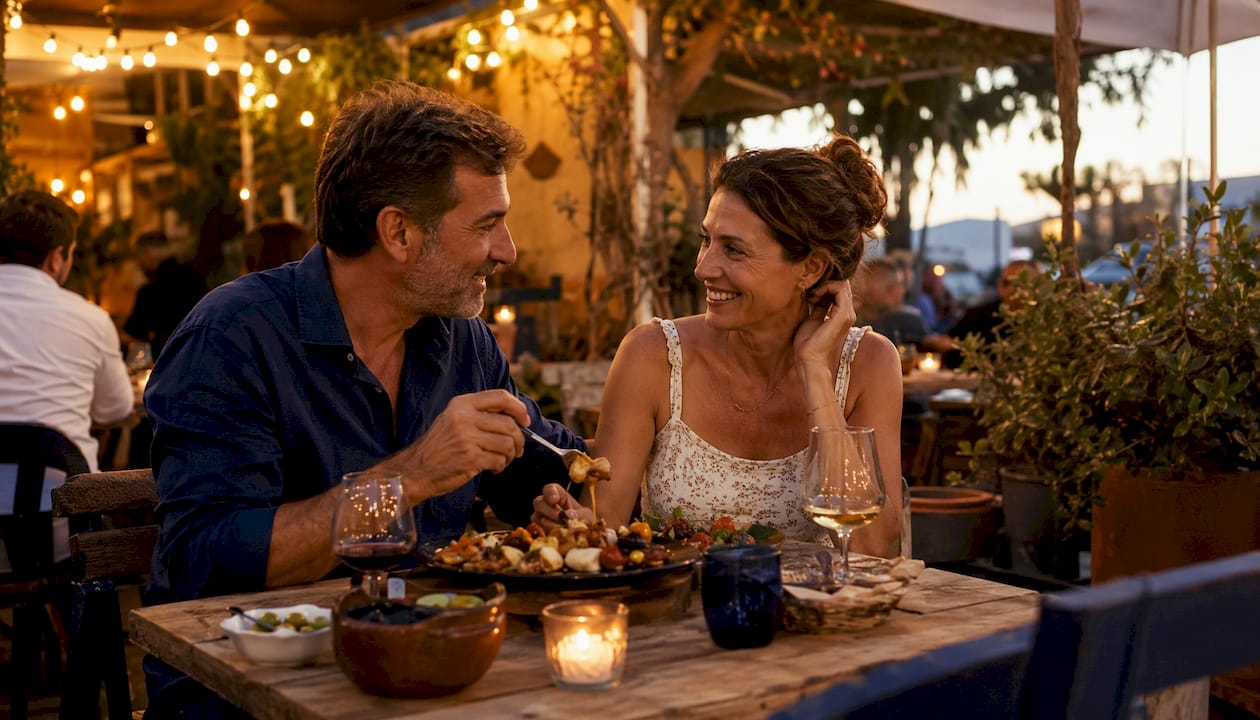
Tapas began as a social practice, not a menu category. In Spain, tapear is something you do with people you want to spend time with. The bar setting, the standing, the moving between spots — all of it signals that the evening belongs to the company, not the food.
Three things about tapas culture map directly onto couple dynamics:
- Equality: dishes sit in the center. Nobody has “their plate.” That small detail shifts the dynamic from parallel eating to genuine sharing.
- Flexibility: no rigid courses mean no pressure to perform a formal dinner. You can linger or leave whenever it feels right.
- Spontaneity: tapeo culture encourages moving between bars, which keeps the evening energetic and low-stakes.
These signals reduce formality and invite playfulness, which is exactly what most couples need on a date that has started to feel routine.
Pro Tip: When you arrive, look at what’s on the bar or what neighboring tables ordered before you ask for a menu. Ordering the house special the way locals do adds an element of shared discovery that most restaurant dates completely miss.
The research-backed reasons shared plates bring couples closer
Communal eating predicts stronger social bonds and greater personal contentment, according to longitudinal social-dining research. For couples specifically, the mechanisms are even more direct.
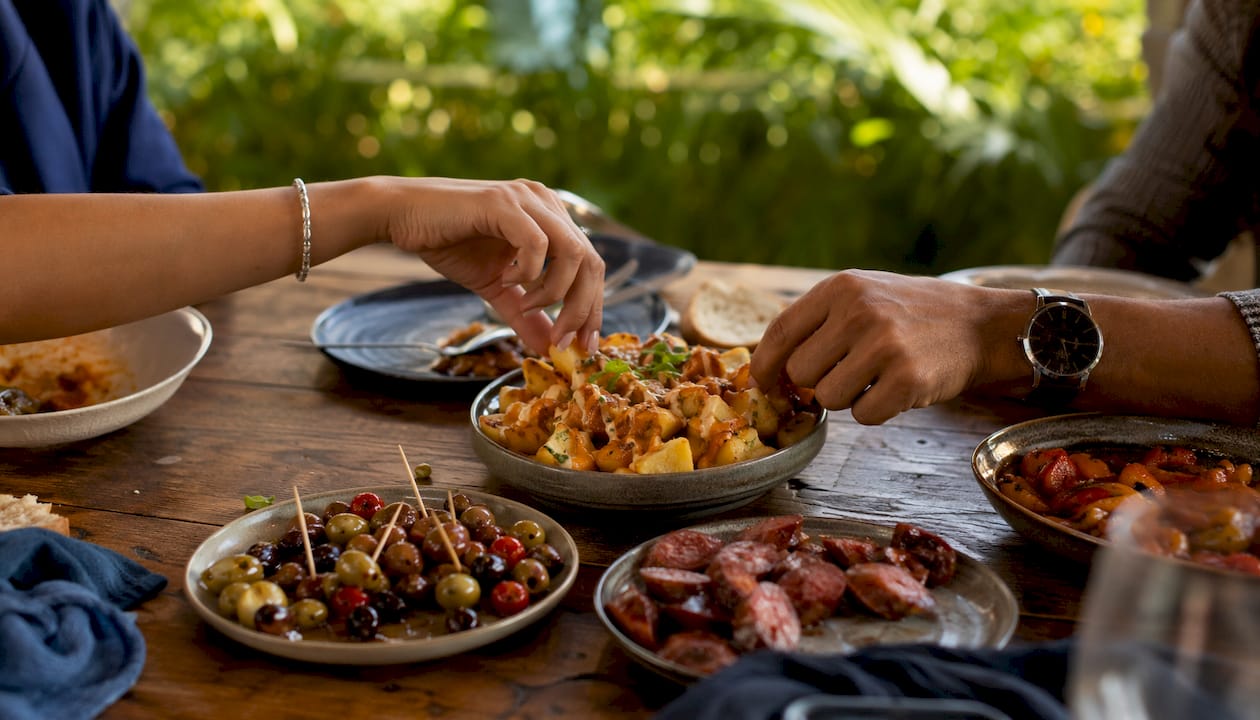
A review published in Frontiers in Psychology frames food offering as empathic emotion regulation: when you offer your partner a bite, you are not just being generous. You are reading their emotional state and responding to it, which increases closeness for both of you. Experimental studies show that observers rate couples who share food as significantly closer than those who eat separately, and feeding another person produces even higher ratings of attraction and intimacy than simply passing a dish.
The tapas format amplifies this. Because plates arrive in rounds, there are built-in pauses for tasting, reacting, and deciding what to order next. Those pauses are conversation hooks that a single-plate dinner simply does not provide.
Research also shows that evening meals yield stronger feelings of closeness than midday shared eating, which is one more reason a tapas dinner outperforms a tapas lunch as a date format.
Pro Tip: Alternate who picks the next plate. It sounds simple, but giving each person a turn to choose keeps both of you invested and creates a small, repeated act of trust across the evening.
Tapas etiquette couples should know
Confidence at the table makes the experience more relaxed. A few rules cover most situations:
- Use the serving spoon or a clean fork when taking from a shared plate, not your own utensil
- Take a small portion and leave enough for your partner to try the same dish
- Ask before finishing the last piece — it is a small gesture that reads as consideration
- Signal sharing intent to the server early: “We’ll be sharing everything” simplifies the ordering process
- For house specialties, ask what the kitchen is proud of that day rather than defaulting to the printed menu
Splitting the bill is straightforward when you have ordered everything together: ask for one check and divide it evenly. If you ordered very different quantities, a quick mental tally works fine. Avoid itemizing every plate — it kills the mood.
Can I pick directly from my partner’s plate? Yes, that is the point. Just ask once and you will not need to ask again.
How to pair drinks with tapas as a couple
The guiding principle is intensity matching: light dishes call for lighter drinks, richer dishes can handle something with more body.
- Crisp white wine or Cava works across almost everything and is the safest single-bottle choice for two
- Light red (Garnacha, young Tempranillo) pairs well with cured meats and mushroom dishes
- Sherry (fino or manzanilla) is underused and pairs exceptionally well with seafood and fried tapas
- Beer (a cold caña) is the most traditional pairing and never wrong
For a couple, the best approach is often one shared bottle plus one specialty pour to taste together. That gives you a reliable baseline and one moment of discovery. You can find more specific guidance in a wine and tapas pairing guide before you go.
Pace the drinks to the food, not the clock. A new glass with each round of plates keeps the evening moving without rushing it.
How to order tapas as a couple: a practical approach
Start with three to four plates for two people. That is enough to taste without overcommitting. After you finish those, pause, talk about what you liked, and order one or two more.
- Lead with variety: one vegetable or salad dish, one protein, one fried or crispy item
- Add contrast: if the first round was rich, the second should include something acidic or light
- Include at least one seafood dish if neither of you has a restriction — it tends to be the most memorable
- Alternate who picks: one plate each, then discuss the next together
The tapas crawl method works especially well for couples who want a dynamic evening: two bars, two or three plates each, one drink per stop. You get variety, movement, and none of the pressure of a long single-table reservation.
Pro Tip: Resist the urge to order everything at once. The “flow” approach — a few plates, a pause, then a decision — prevents overordering and keeps the conversation central. The meal should feel like it’s serving the evening, not the other way around.
What to expect: timing and cost for a tapas evening in Central Europe
A tapas evening at a single venue typically runs 1.5–2 hours. A tapeo across two or three spots can stretch to 3 hours comfortably without feeling rushed.
| Experience type | Typical duration | Approximate cost per person |
|—|—|
| Single venue, table service | About one and a half to two hours | Moderate cost |
| Two-bar tapeo | Around two to two and a half hours | Somewhat higher cost |
| Full evening tapeo (3+ stops) | Approximately two and a half to three hours | Higher cost |
Cost descriptions reflect typical Central European tapas restaurant experiences including drinks, though prices vary by city and venue tier.
Evening timing matters: research on social dining consistently shows evening meals produce stronger feelings of closeness than daytime equivalents. Book for 7:30 PM or later if intimacy is the goal.
Common challenges couples face when sharing tapas
Uneven appetite or pace. One person eats faster or wants more. Fix: order in smaller rounds so neither person feels rushed or held back.
Disagreeing on dishes. Tastes differ. The solution is to give each person veto power on one plate per round, then compromise on the rest. The variety of tapas means there is almost always a middle ground.
Overordering. It happens when you order everything upfront. Stick to the three-to-four plate rule and add from there.
One person dominating choices. Alternate who picks. It is a small structural fix that prevents resentment from building quietly across the evening.
How tapas handles different dietary needs within a couple
Tapas is one of the most diet-flexible formats available. Because you order many small plates, a vegetarian and an omnivore can share a table without compromise: order two or three plant-forward dishes, one or two meat or seafood plates, and both people eat well from the same spread.
Tell the server your restrictions upfront. Most tapas kitchens can flag which dishes contain gluten, dairy, or shellfish, and many have options that work across multiple restrictions simultaneously. A vegetable paella or a seafood-forward plate can anchor the order while the other dishes fill in around each person’s preferences.
The key is framing it as a shared puzzle rather than a negotiation. Picking dishes together that work for both of you is itself a bonding act.
Key Takeaways
Sharing tapas works for couples because the format creates repeated, low-stakes moments of mutual choice, sensory discovery, and genuine conversation that a standard plated dinner rarely produces.
| Point | Details |
|---|---|
| Bonding is built into the format | Offering and sharing food measurably increases perceived closeness and attraction between partners. |
| Evening timing amplifies the effect | Research shows evening shared meals produce stronger feelings of closeness than daytime equivalents. |
| Order in rounds, not all at once | Start with 3–4 plates, pause, then add — this keeps conversation central and prevents overordering. |
| Dietary differences are manageable | The multi-plate format lets couples with different restrictions eat well from the same shared order. |
| Kokcha in Barcelona | Kokcha’s Mediterranean shared plates and terrace setting near the Sagrada Familia offer couples a ready-made tapas date environment. |
The tapas date, in practice
Picture two people at a small table, a plate of patatas bravas between them and a glass of Cava each. The first plate arrives before either of them has run out of things to say. One person spears a potato, passes the fork across. The other tries it, reacts, and immediately wants to know what the kitchen put on it. That question becomes a conversation with the server, which becomes a story about the chef’s grandmother, which becomes twenty minutes neither of them planned for.
That is the mechanism at work. The plates are not the point. They are the excuse to keep paying attention to each other. Sharing food signals equality and mutual reliance in a way that a solo entrée simply cannot, and the tapas format repeats that signal six or eight times across one evening.
A tapas date night at Kokcha, near the Sagrada Familia
Kokcha is a Mediterranean restaurant in Barcelona, steps from the Sagrada Familia, built around exactly the kind of shared-plate experience this article describes. The menu spans tapas, seafood, and paella, with a terrace that makes the setting as memorable as the food.
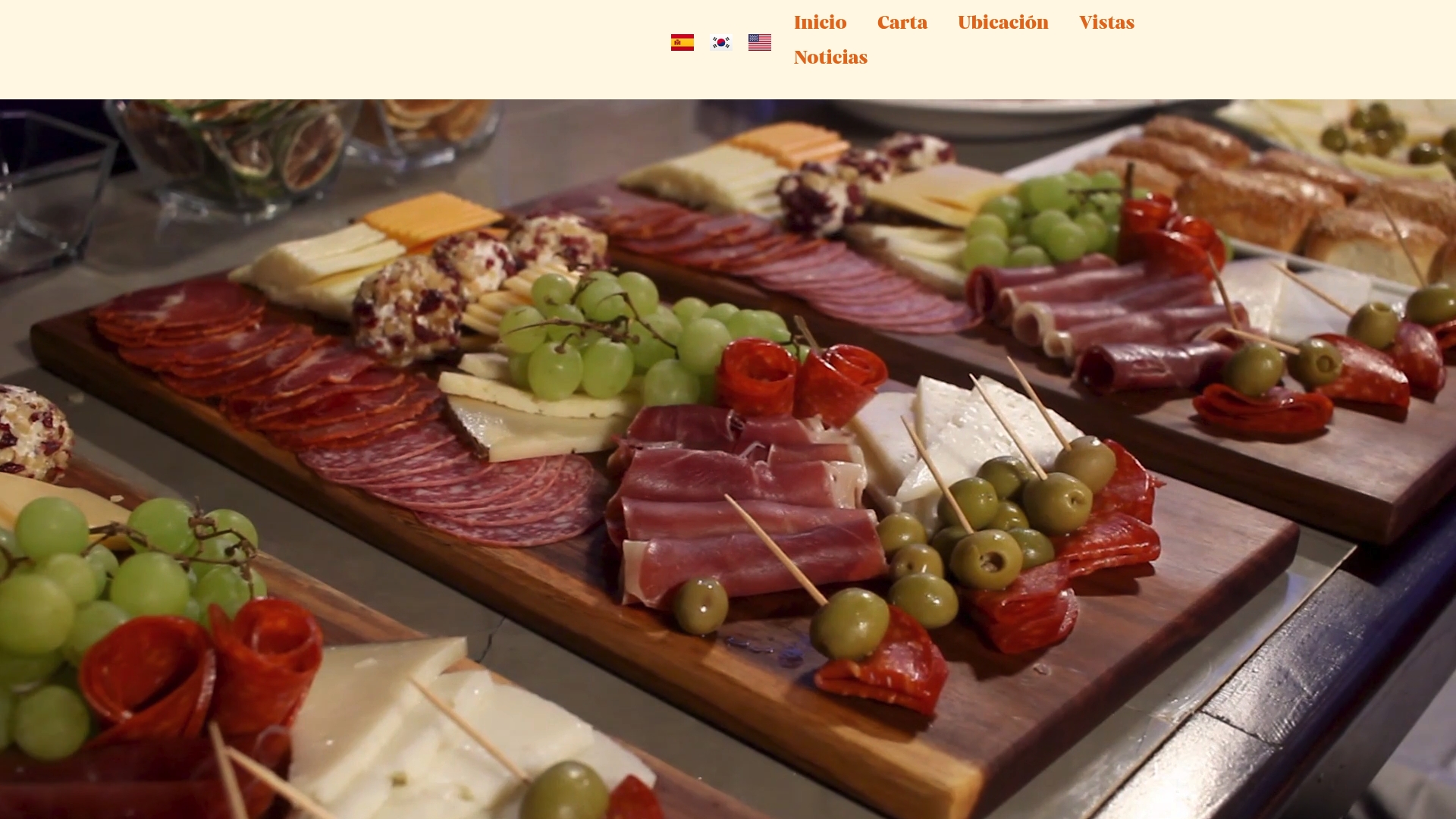
If you want to try the tapas-for-two approach without hunting for the right venue, Kokcha’s Barcelona dining experience gives you the format, the atmosphere, and the kitchen to back it up. The terrace with views is particularly well-suited for an evening that is meant to last. Book a table and let the plates do the rest.
Useful sources and further reading
The claims in this article draw on peer-reviewed psychology, anthropological research, and expert chef commentary. These sources are worth reading directly if you want to go deeper on any one thread.
- Food for Love: The Role of Food Offering in Empathic Emotion Regulation — Frontiers in Psychology review on how food sharing increases interpersonal closeness and functions as emotional support between partners.
- Breaking Bread: The Functions of Social Eating — Springer study linking communal eating to stronger social networks, relationship satisfaction, and evening-meal closeness effects.
- Courtship Feeding in Humans — ResearchGate paper showing that feeding a partner produces higher ratings of attraction and intimacy than simply sharing food.
- Food for Love — PMC Full Text — Full-text version of the empathic emotion regulation review, with developmental framing on why food offering matters across all relationships.
- Chef José Andrés Teaches You How to Enjoy Tapas Like a Spaniard — BBC Travel feature with Andrés’ “commitment to being together” framing and practical tapas rhythm advice.
- How Sharing Snacks Feeds a Primal Need — My Gut Instinct piece on the anthropological roots of communal eating across tapas, dim sum, and meze cultures.
- Tapas Culture: The Art of Eating Standing Up with Friends — Cultural overview of tapeo, bar-hopping traditions, and the social energy of the standing-at-the-bar format.
- El Tapeo: A Food Ethnography — Detailed ethnographic account of tapas bar culture, the onda of individual bars, and the social role of tapas in Spanish community life.