Romantic restaurant dining is defined as a shared meal in a professionally designed environment that actively supports emotional closeness between partners. The benefits of romantic restaurant dining go well beyond good food. Research shows that a sated brain responds more strongly to romantic stimuli, meaning the act of eating together biologically primes couples for connection. The right restaurant also activates the parasympathetic nervous system, lowers cortisol, and triggers oxytocin release. These are not small effects. They are measurable shifts in how two people feel about each other.
1. Benefits of romantic restaurant dining: why the environment matters most
The physical setting of a restaurant does more psychological work than most couples realize. Every design choice, from seat spacing to ceiling height, shapes how safe and open you feel with your partner. Understanding what makes a restaurant romantic helps you choose venues that actually deliver on their promise.
Lighting is the single most powerful ambiance tool. Dimmed or candlelit spaces signal the brain to slow down and shift attention inward. Bright overhead lighting, by contrast, activates alertness and self-consciousness. Neither is good for intimacy.
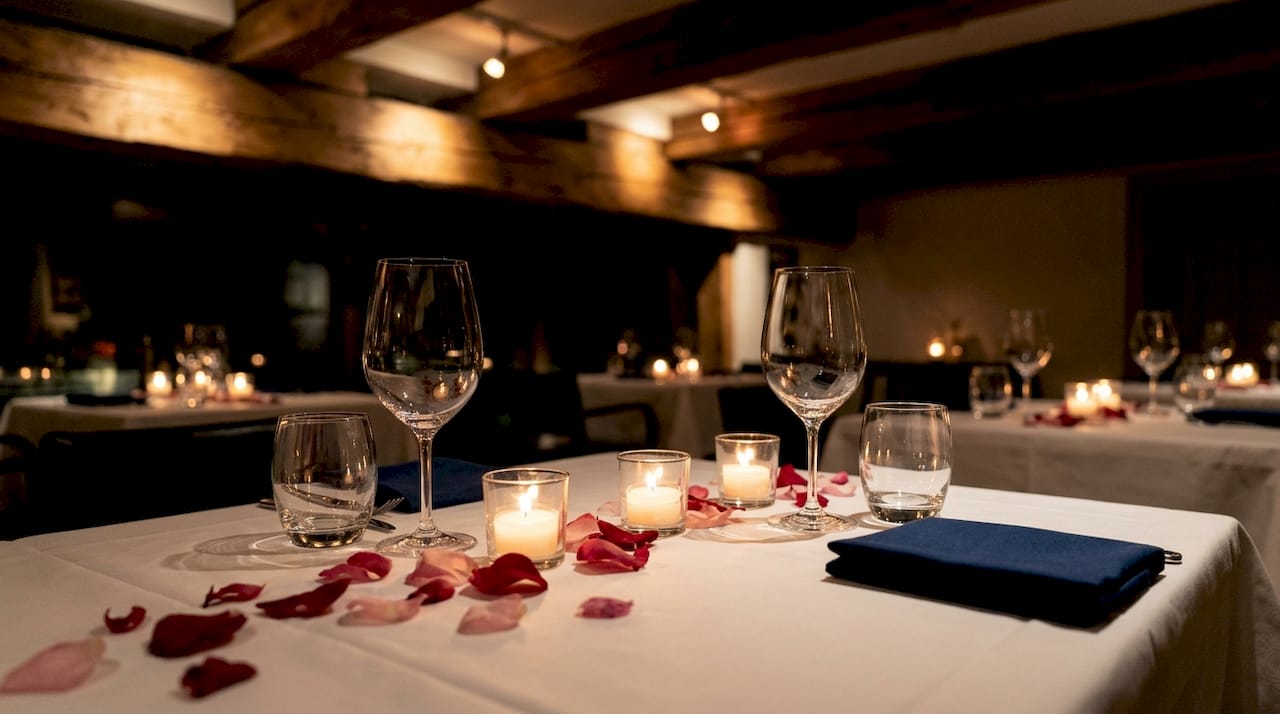
Seating arrangement matters just as much. Side-by-side booths encourage physical closeness but reduce eye contact. Face-to-face tables at a slight angle hit the sweet spot: you can hold eye contact naturally without feeling interrogated. Tables placed near kitchen doors or high-traffic corridors kill romantic ambiance through noise and interruption.
Key ambiance elements that support a genuine intimate dining atmosphere include:
- Noise level: Conversational volume should allow normal speech without raising your voice.
- Natural elements: Plants, water features, and outdoor terraces reduce psychological tension.
- Decor coherence: A consistent visual theme signals care and attention, which transfers to how guests feel treated.
- Scenic views: Shared visual beauty gives couples a natural, low-pressure conversation anchor.
Pro Tip: Visit your chosen venue at the same time of day you plan to dine. Lighting, crowd noise, and energy shift dramatically between lunch and dinner service.
2. How shared meals prime the brain for love
The neuroscience behind dining together is more direct than most people expect. When the body is sated, the brain’s reward centers shift focus from energy seeking to emotional connection. That means a well-timed dinner is not just pleasant. It is biologically optimal for romantic receptivity.
“The ‘romantic’ benefit of dining lies in activating the body’s rest-and-connect mode, lowering stress and enhancing trust via oxytocin release. Relaxed, high-quality dining environments produce measurable reductions in stress hormones alongside increases in bonding chemicals.”
Oxytocin, often called the bonding hormone, rises during relaxed shared experiences. A restaurant removes the friction of cooking and cleaning, which means both partners arrive at the table already in a lower-stress state. That parasympathetic activation is the foundation of every meaningful conversation that follows.
The Dinner Table Effect adds another layer. Research shows that even 2–3 undistracted shared meals per week sustain a couple’s emotional rhythm and prevent the slow accumulation of distance. A romantic restaurant dinner intensifies this effect by removing domestic distractions entirely. You are not thinking about the dishes. You are thinking about each other.
3. The social benefits of fine dining for couples
Professional hospitality does something that home cooking cannot: it creates a structured social container. Fine dining service builds trust through consistency, attentiveness, and personalized interaction. That trust transfers to the couple’s own dynamic at the table.
When staff remember your preferences, greet you warmly, and anticipate your needs, you feel valued. That feeling is contagious. Couples who feel well cared for in a restaurant setting report higher satisfaction with the evening and stronger revisit intentions. The social and psychological relationship benefits of fine dining significantly increase the likelihood that couples return, which itself reinforces the dining ritual.
The social benefits of a quality romantic dining experience include:
- Perceived relationship value: Attentive service signals that the evening matters, raising the emotional stakes in a positive way.
- Shared social identity: Dining in a well-regarded venue gives couples a shared story and a sense of belonging.
- Staff rapport: A warm, professional interaction with servers creates a safe, relaxed atmosphere that encourages openness between partners.
- Reduced decision fatigue: A curated menu and knowledgeable staff remove the cognitive load of choice, freeing mental energy for connection.
Quality table culture, including professional hospitality standards, transforms a meal into a full sensory and social experience. That elevation is a core part of what couples are actually paying for.
4. How attachment style shapes your ideal date night restaurant
Not every couple benefits equally from the same type of romantic dining experience. Attachment style, the psychological pattern governing how you seek closeness and handle vulnerability, directly predicts which restaurant setting will feel most rewarding.
Couples with anxious attachment gain more satisfaction from familiar, comfortable dining environments. A trusted neighborhood restaurant with known staff and a predictable menu reduces anxiety and allows genuine relaxation. Novelty, in this case, adds stress rather than excitement.
Avoidant individuals, by contrast, benefit more from novel restaurant experiences. A new cuisine, an unfamiliar neighborhood, or a tasting menu format gives them a structured external focus. That focus reduces the pressure of sustained emotional intimacy while still creating shared experience. The practical implication is clear: choose your venue based on who you both are, not just what looks impressive online.
5. Practical tips for maximizing your romantic dining experience
The difference between a good dinner and a genuinely memorable one often comes down to preparation and mindset. These steps consistently improve the outcome.
- Scout the venue in advance. Pre-visiting a restaurant lets you identify romance killers like noisy kitchen doors, drafty corners, or tables wedged near the restrooms. Request a specific table when you book.
- Choose the right time slot. Early dinner service is quieter and more attentive. Peak hours bring noise and slower service, both of which work against intimacy.
- Match the venue to your attachment styles. Familiar settings calm anxious partners. Novel environments engage avoidant ones. Knowing this in advance removes friction.
- Pace the meal deliberately. Order courses with gaps between them. Rushing through dinner compresses the time available for real conversation.
- Share dishes. Ordering tapas, paellas, or other shareable plates creates physical interaction and a sense of collaboration. It also gives you something to talk about beyond your day.
- Leave your phones face down. The Dinner Table Effect depends on undistracted shared time. A single notification can break the conversational rhythm it took 20 minutes to build.
- Treat the evening as a gift, not a test. Relationship therapists consistently advise focusing on presence and gratitude rather than evaluating the relationship. Pressure kills spontaneity.
Pro Tip: Order one dish neither of you has tried before. Shared novelty, even a small amount, activates the same reward pathways as larger adventures and gives the evening its own story.
6. Why dining frequency and cost still matter in 2026
The advantages of restaurant dates are real, but so are the economic pressures couples face. Research from early 2026 shows that 7 out of 10 Spanish couples adjusted their dining plans due to cost sensitivity. Yet dining out remains a key relationship ritual precisely because it cannot be fully replicated at home.
The solution is not to dine out more often but to dine out more intentionally. One well-chosen dinner per month, at a venue that genuinely supports intimacy, delivers more relational benefit than four rushed weeknight meals at a convenient but uninspiring spot. Frequency matters less than quality and presence. The Mediterranean date night format, with its emphasis on shared plates and unhurried pacing, is particularly well-suited to this approach.
Key Takeaways
Romantic restaurant dining works because it combines biological priming, environmental design, and shared ritual to create conditions for genuine emotional connection that home settings cannot replicate.
| Point | Details |
|---|---|
| Biology supports romance after eating | A sated brain shifts from energy-seeking to emotional connection, making dinner the optimal time for intimacy. |
| Environment shapes the experience | Lighting, seating, noise level, and views directly influence how open and relaxed couples feel at the table. |
| Attachment style guides venue choice | Anxious partners thrive in familiar settings; avoidant partners benefit more from novel dining experiences. |
| Undistracted time is the core mechanism | The Dinner Table Effect shows that even 2–3 phone-free shared meals per week sustain a couple’s emotional rhythm. |
| Mindset determines the outcome | Treating dinner as a gift rather than a test removes performance pressure and allows genuine closeness to develop. |
Why I think most couples underestimate what a restaurant actually does
Most couples book a restaurant for the food. That is the wrong frame entirely. The food is the vehicle. What you are actually booking is two hours of uninterrupted mutual attention in an environment designed to make both of you feel good.
I have watched couples sit across from each other in beautifully designed dining rooms and spend the first 20 minutes on their phones. The setting does its job. The people have to meet it halfway. The research on the Dinner Table Effect is clear: sustained, undistracted shared time is the mechanism. The restaurant just makes that time easier to access.
The other mistake I see is over-scripting. Couples plan the restaurant, the outfit, the conversation topics, and then wonder why the evening feels stiff. Spontaneity is not the enemy of romance. It is the point. A great restaurant gives you enough structure, good food, attentive service, a beautiful room, so that you can afford to be unplanned with each other.
The ambiance of a restaurant is not decoration. It is the infrastructure of intimacy. Choose it carefully, then let go of the script.
— YellowRock
Mediterranean romantic dining at Kokcha in Barcelona
Kokcha sits steps from the Sagrada Familia in Barcelona, and its design reflects exactly what the research says couples need: warm lighting, well-spaced tables, and a terrace with views that give you something beautiful to share.
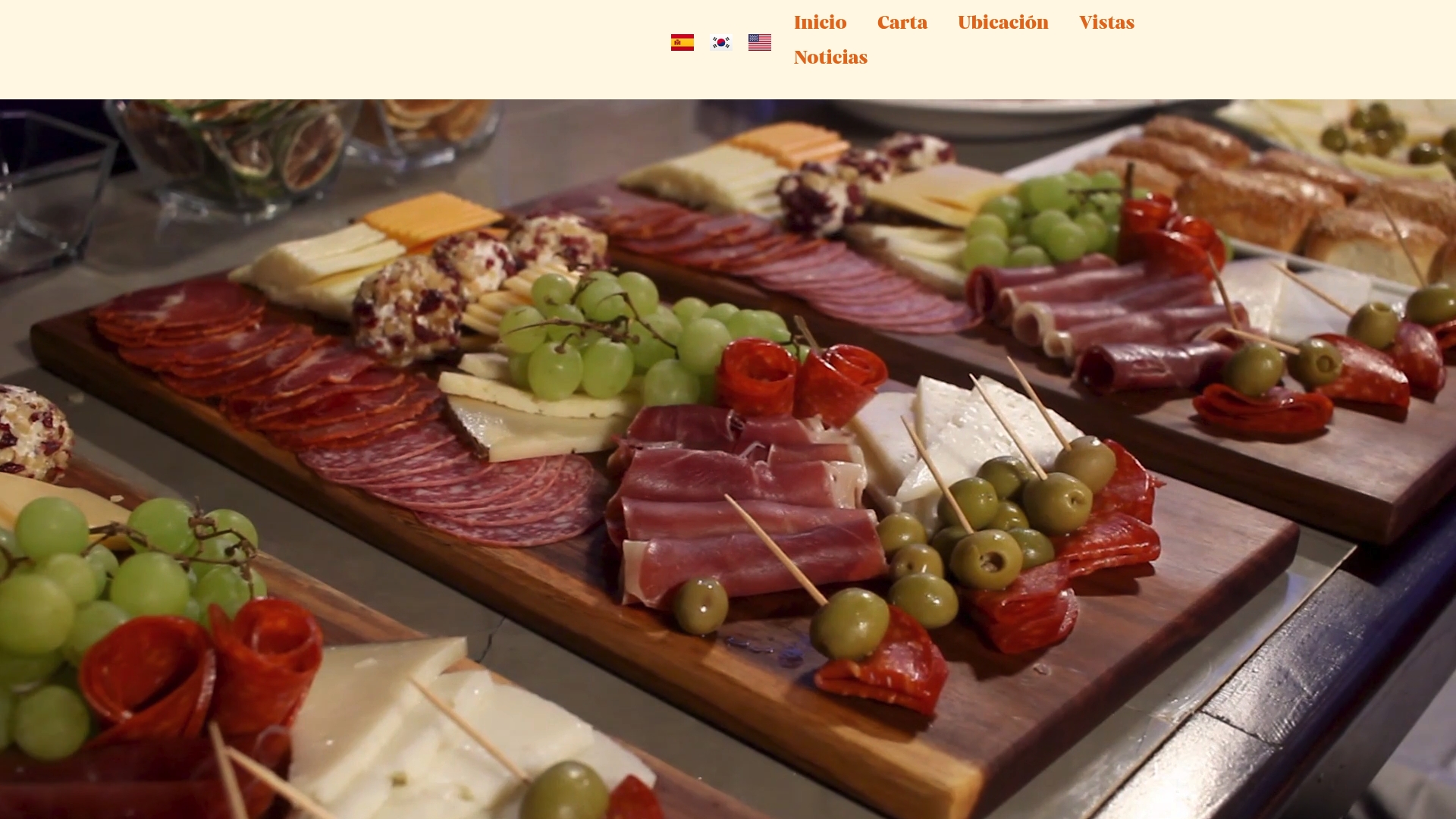
The menu centers on Mediterranean sharing plates, including tapas, seafood paella, and fresh seasonal dishes that naturally slow the pace of a meal and invite conversation. Sharing a paella is not just practical. It is the kind of small, physical collaboration that builds closeness. For couples looking for a Mediterranean dining experience that delivers on both atmosphere and food, Kokcha’s terrace table is worth booking well in advance.
FAQ
What are the main benefits of romantic restaurant dining?
Romantic restaurant dining activates the brain’s reward centers after eating, lowers cortisol through parasympathetic nervous system engagement, and releases oxytocin, all of which increase emotional closeness between partners. The structured environment also removes domestic distractions, creating rare sustained periods of mutual attention.
What makes a restaurant romantic for couples?
The most effective romantic restaurants combine dimmed or candlelit lighting, well-spaced seating away from high-traffic areas, conversational noise levels, and scenic or visually coherent decor. Pre-visiting the venue to check table placement and noise levels significantly improves the experience.
How often should couples dine out for relationship benefits?
Research on the Dinner Table Effect shows that 2–3 undistracted shared meals per week sustain emotional rhythm, but one intentional restaurant dinner per month delivers concentrated relational benefit that home meals cannot replicate.
Does attachment style affect which restaurant is best for a date?
Couples with anxious attachment benefit most from familiar, comfortable dining environments, while avoidant individuals gain more from novel restaurant experiences. Matching the venue to both partners’ attachment styles reduces friction and increases satisfaction.
How do you avoid ruining a romantic dinner?
Relationship therapists advise treating the evening as a gift rather than a test, keeping phones face down, and pacing the meal with deliberate gaps between courses. Scouting the venue in advance to avoid noisy or uncomfortable table placements removes the most common avoidable problems.