A great restaurant view is defined as the deliberate integration of scenery, architecture, lighting, acoustics, and service into a single sensory experience that amplifies the meal itself. The view alone never carries the room. What separates a truly memorable dining backdrop from a pretty window is how every surrounding element works together to frame it. Understanding what makes a great restaurant view helps you book smarter, sit better, and leave with a meal you actually remember.
What makes a great restaurant view more than just scenery?
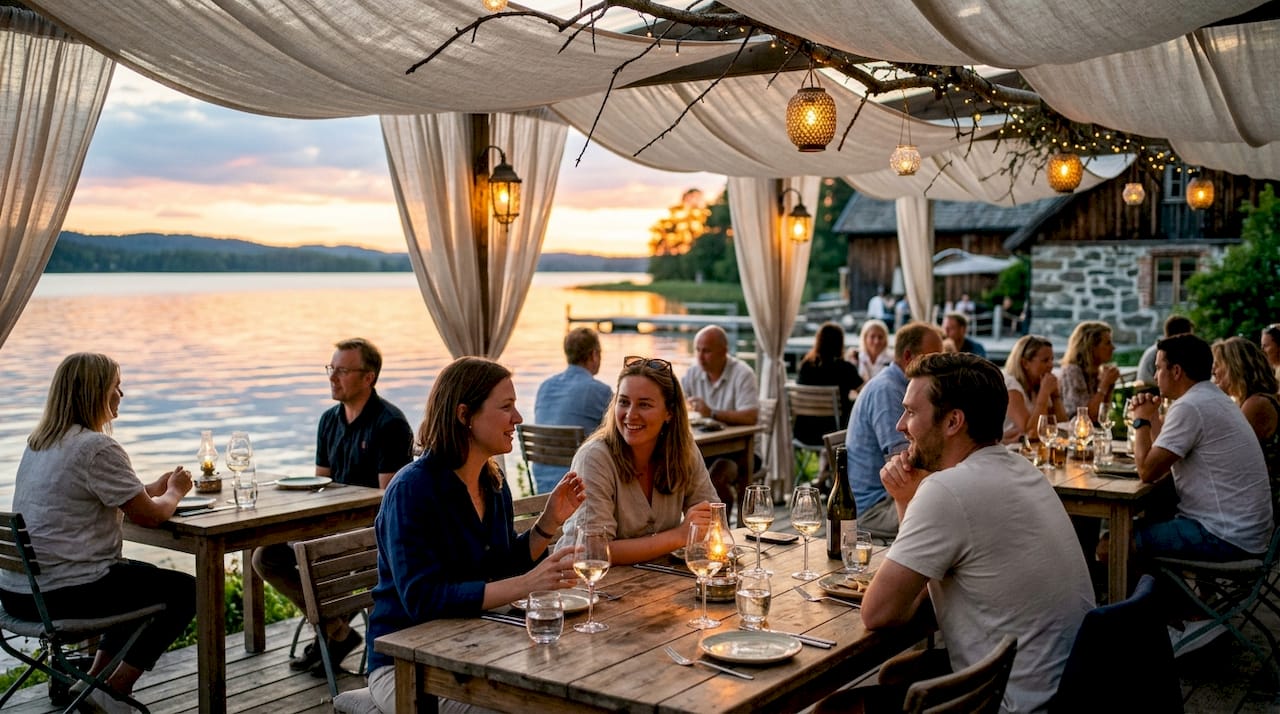
A great restaurant view depends on sensory layering where architecture frames the landscape as a stage. The scenery becomes the backdrop, not the main act. When the design, food, and service reinforce each other, the view feels earned rather than accidental.
Open vistas reduce stress and elevate mood, making scenic dining emotionally impactful beyond visual aesthetics. That emotional lift is what turns a good meal into a memorable one. Diners who feel calm and unhurried tend to spend more time at the table, order more thoughtfully, and rate their experience higher.
The best views also slow you down. Sensory layering through movement of water, light reflections, and natural breezes heightens meal enjoyment and strengthens memory retention. A terrace with a breeze and shifting light does more for your experience than a static panorama behind glass.
What spatial and design factors elevate a restaurant view?
The physical design of a restaurant determines whether a view lands or falls flat. These are the factors that separate a curated viewing experience from a room that just happens to face something nice.
- Sightline orientation. Frontal, unobstructed views score highest with diners. Window bays treated as intimate stages increase guest engagement with the scenery. Columns, support beams, or poorly placed partitions break the connection between diner and view.
- Framing tools. Curtaining, seating orientation, and window placement are tools restaurants use to curate intimate viewing experiences. A well-placed drape creates a sense of theater. It signals that the view was designed for you, not stumbled upon.
- Lighting choices. Warm lighting promotes intimacy and flatters both food and faces. Natural light works best for daytime dining, especially on terraces. Harsh overhead lighting destroys the mood a view is trying to create.
- Acoustic design. Architectural acoustic bubbles in top urban restaurants balance energy and calm. You can hear your companion without shouting, which keeps attention on the meal and the view rather than the noise.
- Spatial rhythm. The best restaurant designs shift between energy and calm to maintain a dynamic yet comfortable experience. A terrace that feels too quiet becomes dull. One that feels too loud becomes exhausting.
Pro Tip: When booking, ask specifically which tables face the view directly. Many restaurants seat view-seekers at angled or side tables that technically overlook the scenery but miss the full frontal impact.
Understanding how restaurant atmosphere works as a whole system helps you evaluate these factors before you arrive, not after you sit down.
How do service and timing optimize your enjoyment of the view?
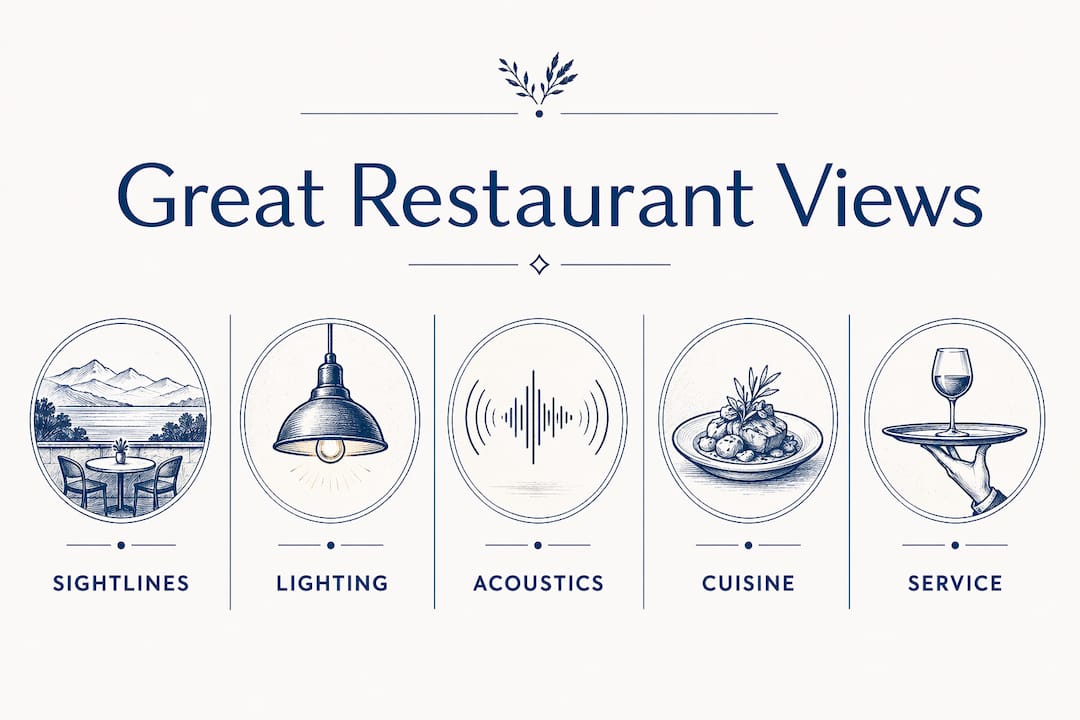
Service is the most underappreciated factor in scenic dining. Staff knowledge and service style are make-or-break factors for scenic dining. A well-trained team frames the experience. An indifferent one lets it dissolve.
Here is how attentive service and smart timing work together to maximize what you see and feel:
- Ask for the best seat. Trained staff at high-performing restaurants act as landscape guides. They know which table catches the sunset, which angle avoids the kitchen exhaust, and which corner gets the best breeze. Landscape-knowledgeable staff elevate the dining experience in ways no menu item can.
- Time your visit for golden hour. Dining during golden hour or sunset enhances emotional impact and makes views more memorable. The light changes the color of everything, including the food on your plate.
- Match your pace to the view. Good service pacing cues you to pause and look up. A rushed course sequence keeps your head down. Ask your server to space courses generously if you want time to absorb the scenery.
- Book early for peak slots. Sunset and golden-hour tables fill first. Pre-booking for sunset slots is a standard best practice at premium view restaurants. Calling ahead and stating your preference is not demanding. It is expected.
Pro Tip: If a restaurant offers a terrace, always confirm your reservation specifies outdoor seating. Many venues default to interior tables and move guests outside only on request.
For a practical walkthrough of booking terrace seating with a view, the process is more specific than a standard reservation and worth understanding before you call.
Why cuisine and setting alignment matters for the full experience
The food on your plate and the view outside the window must speak the same language. Matching cuisine style to the local environment reinforces authenticity and enhances perceived meal quality. A seafood menu on a waterfront terrace feels inevitable. The same menu in a landlocked mountain setting creates a subtle but real disconnect.
Here is what cuisine-setting alignment looks like in practice:
- Mediterranean food on a sun-facing terrace. Tapas, paella, and grilled seafood pair naturally with open-air settings, warm light, and a relaxed pace. The cuisine and the view share the same emotional register.
- Mismatch signals. A formal French tasting menu in a casual beach shack, or a fast-casual concept with a rooftop panorama, creates friction. The food and the setting pull in different directions, and diners feel it even if they cannot name it.
- Culinary quality remains non-negotiable. Effective view design integrates culinary focus so the food and environment reinforce each other. A great view does not rescue mediocre cooking. It amplifies good cooking.
- Sensory reinforcement. When the food tastes like the place looks, the experience becomes coherent. A terrace overlooking the Mediterranean with a plate of grilled prawns and a glass of local wine creates a unified sensory moment that a generic menu cannot replicate.
The role of terrace dining in modern food culture reflects exactly this principle. The terrace is not a bonus feature. It is part of the dish.
What costs and booking practices should you expect for premium view dining?
Premium views come with premium expectations, and sometimes premium fees. Knowing what to anticipate prevents frustration and lets you focus on the experience.
- Minimum spends. Many scenic restaurants require a minimum spend per person for view-facing tables, especially during peak hours. This is standard practice, not a surprise charge, if you ask upfront.
- Sunset surcharges. Dynamic pricing for peak scenic times is common at top-rated venues. A sunset slot may cost more than the same table at noon.
- Event menus. Some restaurants replace their standard menu with a fixed-price event menu on weekends or holidays. View-dependent costs like minimum spends or event menus often occur without upfront disclosure. Ask explicitly when you book.
- Specific seating requests. A general reservation rarely guarantees a view table. State your preference clearly when booking and confirm it the day before.
| Booking factor | What to ask |
|---|---|
| Minimum spend | Is there a minimum per person for terrace or view tables? |
| Sunset pricing | Does the price change for evening or golden-hour slots? |
| Seating guarantee | Can you confirm a specific table or section? |
| Menu format | Is the standard menu available, or is it a set menu that evening? |
| Cancellation policy | What is the policy if weather affects outdoor seating? |
Transparency about minimum spends and event menus improves the guest experience significantly. Restaurants that communicate these policies clearly earn more trust and repeat visits.
Key takeaways
A great restaurant view requires the deliberate alignment of sightlines, lighting, acoustics, cuisine, service, and transparent booking practices to create a complete sensory experience.
| Point | Details |
|---|---|
| Design frames the view | Sightline orientation, window placement, and acoustic design determine whether a view lands or falls flat. |
| Timing changes everything | Visiting during golden hour or sunset maximizes emotional impact and makes the experience more memorable. |
| Cuisine must match the setting | Food and view must share the same sensory register; mismatches reduce perceived quality even with great scenery. |
| Service is underrated | Landscape-knowledgeable staff who guide seating and pacing are as important as the view itself. |
| Ask before you book | Confirm minimum spends, sunset pricing, and specific seating to avoid surprises and secure the best table. |
What I’ve learned about views that most diners overlook
Most diners evaluate a restaurant view the way they evaluate a painting: they look at it, decide if they like it, and move on. That misses the point entirely. A view is not decoration. It is infrastructure.
The restaurants I remember most are not the ones with the most dramatic panoramas. They are the ones where I forgot I was looking at a view because everything else was working so well. The acoustics kept the room intimate. The lighting made the food look extraordinary. The server suggested I order the grilled fish because it matched what I was seeing outside. That is not coincidence. That is design.
The acoustic experience is the most consistently overlooked factor. A rooftop with a stunning skyline loses half its power if you are shouting over ambient noise. I have sat at tables with objectively inferior views that felt more immersive simply because the space was quiet enough to let me think.
Staff knowledge matters more than most diners realize. The difference between a server who says “enjoy your meal” and one who says “the light hits the water best around 7:30, so you might want to hold off on dessert until then” is the difference between a meal and a memory.
— YellowRock
Kokcha’s terrace dining near the Sagrada Familia
Kokcha brings together the qualities that define a genuinely great view experience: a sun-facing terrace, Mediterranean cuisine that matches its setting, and a location steps from one of Barcelona’s most iconic landmarks.
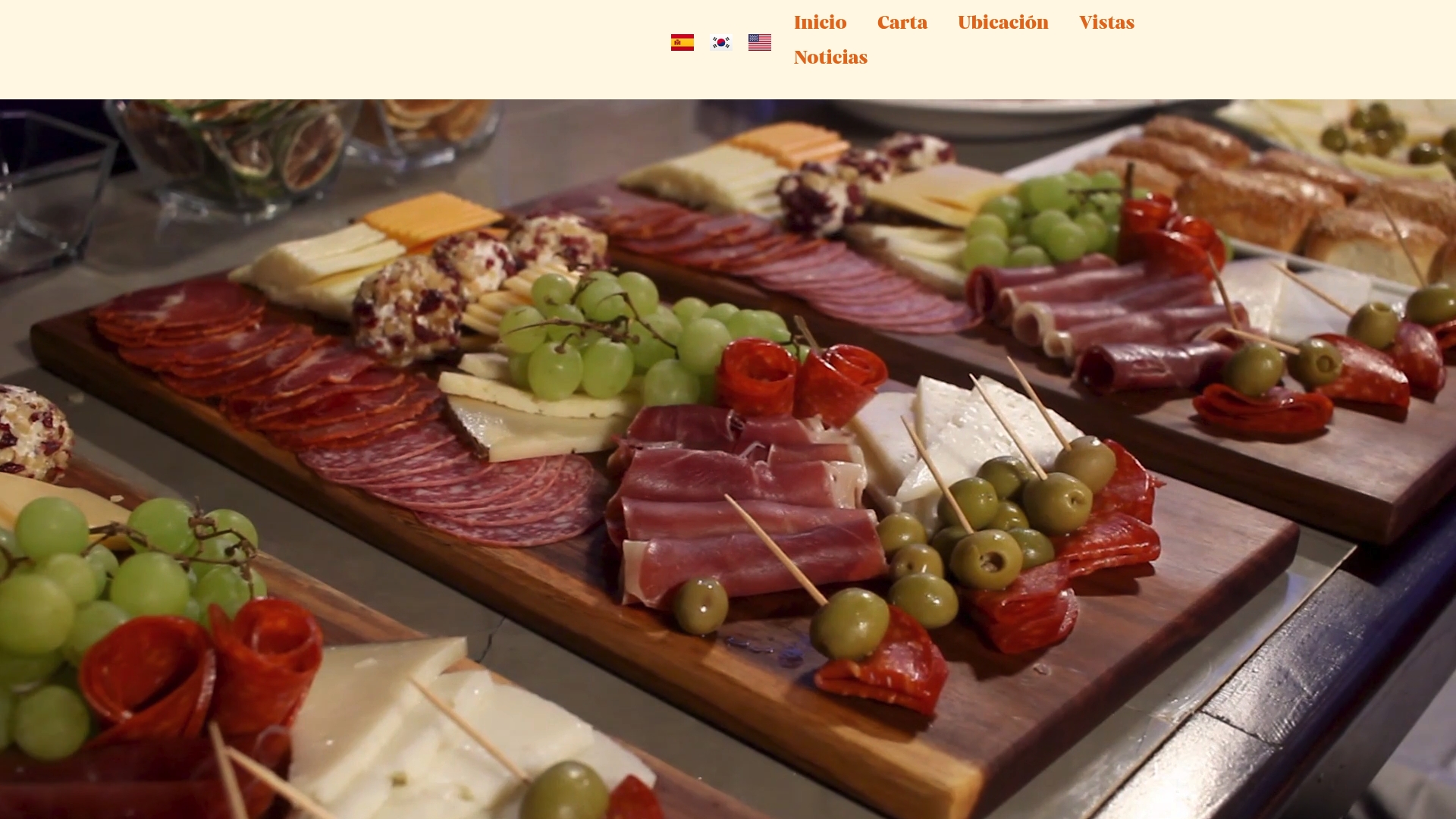
The terrace at Kokcha pairs dishes like seafood paella and grilled prawns with open-air seating that faces the Sagrada Familia. The cuisine and the setting share the same Mediterranean identity, which is exactly the alignment that makes a view feel earned rather than incidental. If you are planning a scenic dining experience in Barcelona, the Kokcha terrace with views offers a clear example of how food, atmosphere, and architecture work together. Reservations are available directly through the website.
FAQ
What is the single most important factor in a great restaurant view?
Sightline orientation is the most critical design factor. Frontal, unobstructed views consistently produce the highest guest satisfaction, but acoustic design and lighting determine whether diners can actually enjoy what they see.
When is the best time to dine for a great view experience?
Golden hour and sunset are the peak times for scenic dining. Many restaurants apply dynamic pricing for these slots, so booking early and confirming your table preference in advance is the standard approach.
Does cuisine type affect how good a view feels?
Cuisine that matches the environment reinforces authenticity and improves perceived meal quality. A Mediterranean menu on a sun-facing terrace creates a coherent sensory experience that a mismatched menu cannot replicate.
How do I guarantee a view table when booking?
State your seating preference explicitly when reserving and confirm it the day before your visit. A general reservation rarely guarantees a specific table, and most restaurants accommodate direct requests when given advance notice.
Are there hidden costs for premium view seating?
Minimum spends, sunset surcharges, and fixed event menus are common at scenic restaurants and are not always disclosed upfront. Ask about these policies directly when booking to avoid unexpected charges.