Barcelona has a dining reputation that goes far beyond tapas and paella, yet many visitors arrive expecting either traditional Catalan cooking or predictable tourist menus. The real story is far more exciting. The city’s fusion scene has quietly become one of the most ingredient-driven and culturally layered in southern Europe, where chefs combine the freshest coastal produce with techniques borrowed from Lebanon, Mexico, and beyond. This guide cuts through the noise so you can find, recognize, and fully enjoy what makes Barcelona’s fusion dining genuinely worth your time and appetite.
Table of Contents
- What makes Barcelona’s fusion dishes unique?
- A closer look: Benchmark restaurants and signature fusion dishes
- How to spot quality: Avoiding generic tourist ‘fusion’
- Matching fusion to your cravings: Choosing the right experience
- Our perspective: Why ingredient-led fusion is Barcelona’s real standout
- Ready to taste Barcelona’s best fusion? Discover more
- Frequently asked questions
Key Takeaways
| Point | Details |
|---|---|
| Ingredient focus | The best fusion dishes in Barcelona use local produce and prioritize seasonality. |
| Critical benchmarks | Top reviewed venues by credible sources help you avoid tourist traps. |
| Signature dishes | Look for fusion menus with clearly named and creative cross-cultural plates. |
| Practical selection | Menus highlighting seasonal and local elements signal genuine fusion. |
| Balanced experiences | Choose fusion restaurants that blend local and global influences for memorable meals. |
What makes Barcelona’s fusion dishes unique?
Barcelona sits at a natural crossroads. The Mediterranean coast provides an extraordinary pantry: fresh seafood, ripe tomatoes, artichokes, olive oil, and cured meats that chefs have been working with for centuries. What talented fusion cooks do here is not throw everything at the wall. Instead, they ask a sharper question: what does this local ingredient want to become when it meets a different culinary tradition?
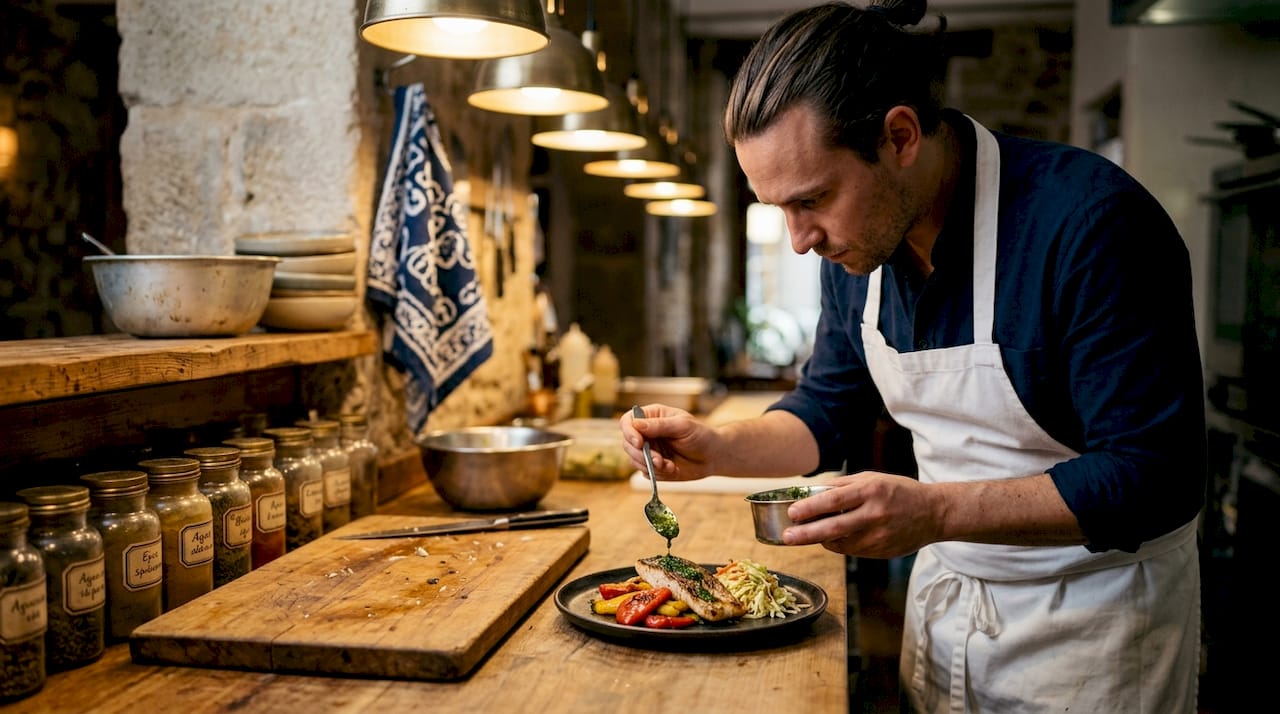
That philosophy shapes everything. Seasonality is not a marketing slogan in Barcelona’s better kitchens. It’s a constraint that forces creativity. A chef working with winter calçots (a type of mild Catalan green onion, traditionally grilled) might apply a Japanese miso glaze or finish the dish with a Peruvian-style salsa verde. The calçot remains the star. The global technique is the supporting cast.
“Fusion can be an ingredient-led way to reinterpret Mediterranean identity in Barcelona, keeping local product while borrowing seasoning and technique from elsewhere.” The MICHELIN-listed Albé, whose name derives from the Arabic word for “heart,” demonstrates this perfectly as a slow-food gastrobar weaving Lebanese influences into its Catalan core.
This matters because it separates genuine fusion from lazy international labeling. The best Barcelona kitchens treat eating local in Barcelona as a non-negotiable starting point, then layer the global element on top with intention and skill. The result feels coherent rather than confused.
Key qualities that define authentic Barcelona fusion:
- Seasonal anchoring: Menus change with what’s available from local markets and coastal suppliers.
- Named ingredient sourcing: Chefs cite the farm, fisherman, or region for their core products.
- Cultural narrative: Every global influence on the menu connects to a specific technique or tradition, not just a flavor trend.
- Balance over novelty: The fusion element enhances the Mediterranean base rather than overwhelming it.
If you want to understand what Mediterranean dining in Barcelona looks and tastes like at its most authentic, these qualities are your compass.
A closer look: Benchmark restaurants and signature fusion dishes
Understanding what sets Barcelona fusion apart, it helps to see where these qualities come to life in real restaurants and dishes.
Two names come up consistently among serious food critics and curators. The first is Albé, already mentioned above, which approaches its menu with a slow-food ethos. The second is Jiribilla, which Condé Nast Traveler identifies as “the world’s only Mexican-Catalan fusion restaurant.” Both venues illustrate different flavors of the same core principle: let local ingredients lead, let global cultures season.
| Restaurant | Fusion style | Signature approach | Price range |
|---|---|---|---|
| Albé | Mediterranean-Lebanese | Slow food, share plates, named suppliers | Mid-range |
| Jiribilla | Mexican-Catalan | Seasonal Catalan produce with Mexican technique | Mid to upscale |
| Kokcha | Mediterranean fusion | Tapas, paellas, seafood near Sagrada Família | Accessible |
Jiribilla’s menu offers a masterclass in how this works in practice. Most dishes blend seasonal Catalan ingredients with Mexican flavors, so you might find Catalan lentils enriched with dried chili and grilled shrimp, or local clams dressed in a cilantro and tomatillo broth. These are not compromise dishes. They reflect a genuine bilingual culinary conversation between two traditions that share a love of bold flavor and fresh produce.
The numbered approach to reading a fusion menu:
- Identify the core Mediterranean ingredient (the local anchor).
- Ask which global technique or seasoning is being applied.
- Check whether the combination feels purposeful or decorative.
- Taste for balance: does the local ingredient still have a clear voice?
- Notice the texture contrast: good fusion usually brings structural interest, not just flavor.
Pro Tip: Ask your server which dishes have been on the menu the longest. Longevity usually signals a dish that found its balance and earned its place, rather than one riding a current trend.
For a deeper understanding of what modern Mediterranean dining looks like across the city’s restaurant landscape, you’ll find that the benchmark restaurants share more than just critical acclaim. They share a philosophy about respecting the ingredient above all else.
How to spot quality: Avoiding generic tourist ‘fusion’
Once you know where to look, it’s equally important to recognize the signs of authentic versus overhyped fusion. Barcelona welcomes tens of millions of tourists each year, and that volume creates strong commercial pressure to serve food that sounds interesting without requiring real culinary investment. The result is a category of venues that label themselves “fusion” while delivering reheated mediocrity at premium prices.
Eater points out that it’s easy to have a disappointing meal in Barcelona if you settle for “any old paella-slinging bar,” and the same logic applies to fusion. Venues near major landmarks sometimes rely on foot traffic and visual marketing rather than culinary credibility.
Here is how to tell the difference quickly:
| Quality indicator | Authentic fusion venue | Generic tourist spot |
|---|---|---|
| Menu language | Named ingredients, origins cited | Vague descriptions (“exotic spices”) |
| Menu length | Focused and seasonal | Enormous, covering every cuisine |
| Critical coverage | MICHELIN, Condé Nast, Eater reviews | TripAdvisor quantity over quality |
| Chef credentials | Named chef with a culinary story | Anonymous kitchen |
| Pricing logic | Reflects ingredient quality | Inflated for location |
| Dish composition | Shows technique and intention | Assembled, not crafted |
The single fastest filter is menu length. A restaurant trying to be Japanese, Mexican, Italian, and Mediterranean at once is not doing any of them justice. Focused menus signal confidence. They tell you the kitchen knows exactly what it is doing and why.
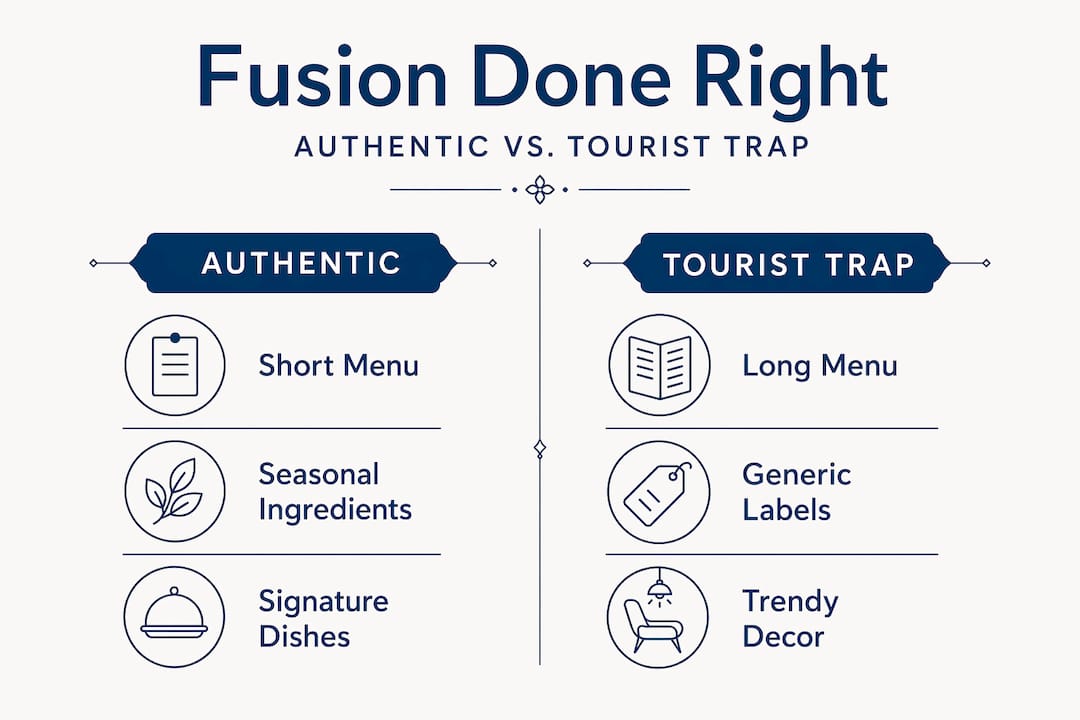
Pro Tip: Use the restaurant checklist for Barcelona as a practical guide before booking. Checking off key indicators of quality before you sit down saves both money and appetite.
Additional signals worth watching:
- Vermouth service: A restaurant that takes its vermouth hour seriously usually cares about its entire food culture.
- Local clientele: If the tables around you hold Barcelona residents on a Tuesday night, that’s a reliable quality signal.
- Specials board: Daily specials tied to market availability show a kitchen that is genuinely cooking with what’s fresh.
- Bread quality: Sounds small, but kitchens that make or source exceptional bread tend to apply the same care everywhere.
The goal with authentic tapas near iconic sites is exactly this: finding the places that earn their reputation through craft rather than just location.
Matching fusion to your cravings: Choosing the right experience
Now that you can discern genuine fusion, here’s how to align your personal tastes with the many vibrant options you’ll find across the city’s neighborhoods.
Barcelona’s fusion landscape is not one-size-fits-all. It ranges from casual gastrobar share plates where you graze through five or six small dishes for 25 to 35 euros per person, all the way up to full tasting menus that take you through eight to twelve courses over two to three hours. Both formats have their place depending on what kind of evening you want.
National Geographic frames Barcelona’s dining scene as a genuine blend of historic and contemporary, where old market culture and modern restaurant creativity sit comfortably side by side. That duality is useful when you are planning your meals.
How to match your dining style to the right fusion format:
- Short on time, high on curiosity: Choose a gastrobar format with share plates. You get variety, social eating, and a chance to try multiple flavor combinations without commitment.
- Celebrating or exploring deeply: A tasting menu gives you a narrative arc through the chef’s vision. Each course builds on the last.
- Traveling with mixed palates: Look for venues with a broad fusion range, where the kitchen spans seafood, meat, and vegetable-forward dishes with equal skill.
- Eating near major monuments: Quality is absolutely possible near the Sagrada Família and other landmarks. Seek venues with dedicated local followings, not just tourist board listings.
- Budget-conscious but serious: Lunchtime set menus at quality fusion restaurants often deliver the same kitchen at significantly lower prices than dinner service.
A useful statistic: according to various food tourism surveys, over 60% of travelers say their most memorable meal of a trip was one they sought out specifically rather than stumbling upon by accident. Intention matters enormously. Restaurants that follow innovative Mediterranean food trends are usually the ones worth seeking out intentionally, since they signal a kitchen that is actively evolving rather than coasting.
When seeking Mediterranean fusion specifically, trust venues that still respect coastal and seasonal logic: what’s fresh today, what’s in season this week, and what flavors travel well across the culinary traditions they are drawing from. That discipline is what separates a genuinely memorable plate from a technically interesting but emotionally empty one.
Our perspective: Why ingredient-led fusion is Barcelona’s real standout
After countless meals across Barcelona’s neighborhoods, from quiet lunch spots in the Eixample to lively evening terraces near the waterfront, one pattern stands out with striking consistency. The meals that stay with you are never the ones that tried hardest to be original. They are the ones where the ingredient tasted exactly like itself, just seen through a new cultural lens.
That’s a harder thing to pull off than it sounds. It requires a chef who is both humble enough to let a tomato be a tomato and confident enough to surround it with ingredients it has never met before. The Lebanese spice blend that lifts a simple white bean stew. The Mexican smoked chili that makes a local clam broth taste like it found its missing note. These moments don’t happen by accident.
Many first-time visitors to Barcelona focus on the tourist labels because those are the easiest entry points: “paella,” “tapas,” “sangria.” There is nothing wrong with that starting point, but it bypasses the more interesting question of why this city’s food is structured the way it is. Barcelona has always been a port city, a trading city, a place where ingredients and ideas arrived from all directions. Fusion here is not a trend. It is a continuation of something the city has always done.
The uncomfortable truth is that most “fusion” disappointments come from restaurants that borrow aesthetics rather than philosophy. They put a sesame oil drizzle on a Catalan salad and call it Asian fusion. The best kitchens we admire do the opposite. They ask what a Lebanese grandmother would do with Catalan produce, or how a Oaxacan cook would approach a Catalan lentil. That empathy-driven question produces something genuinely original.
You can taste the difference. And once you’ve tasted it, the reason locals prefer Mediterranean-led fusion becomes completely clear. It feels like it belongs here. Not despite the global influences, but because of how carefully those influences were chosen.
Ready to taste Barcelona’s best fusion? Discover more
If this guide has sharpened your appetite for genuinely ingredient-led fusion dining in Barcelona, the next step is getting to the table. Barcelona’s fusion scene rewards those who plan with intention and eat with curiosity.
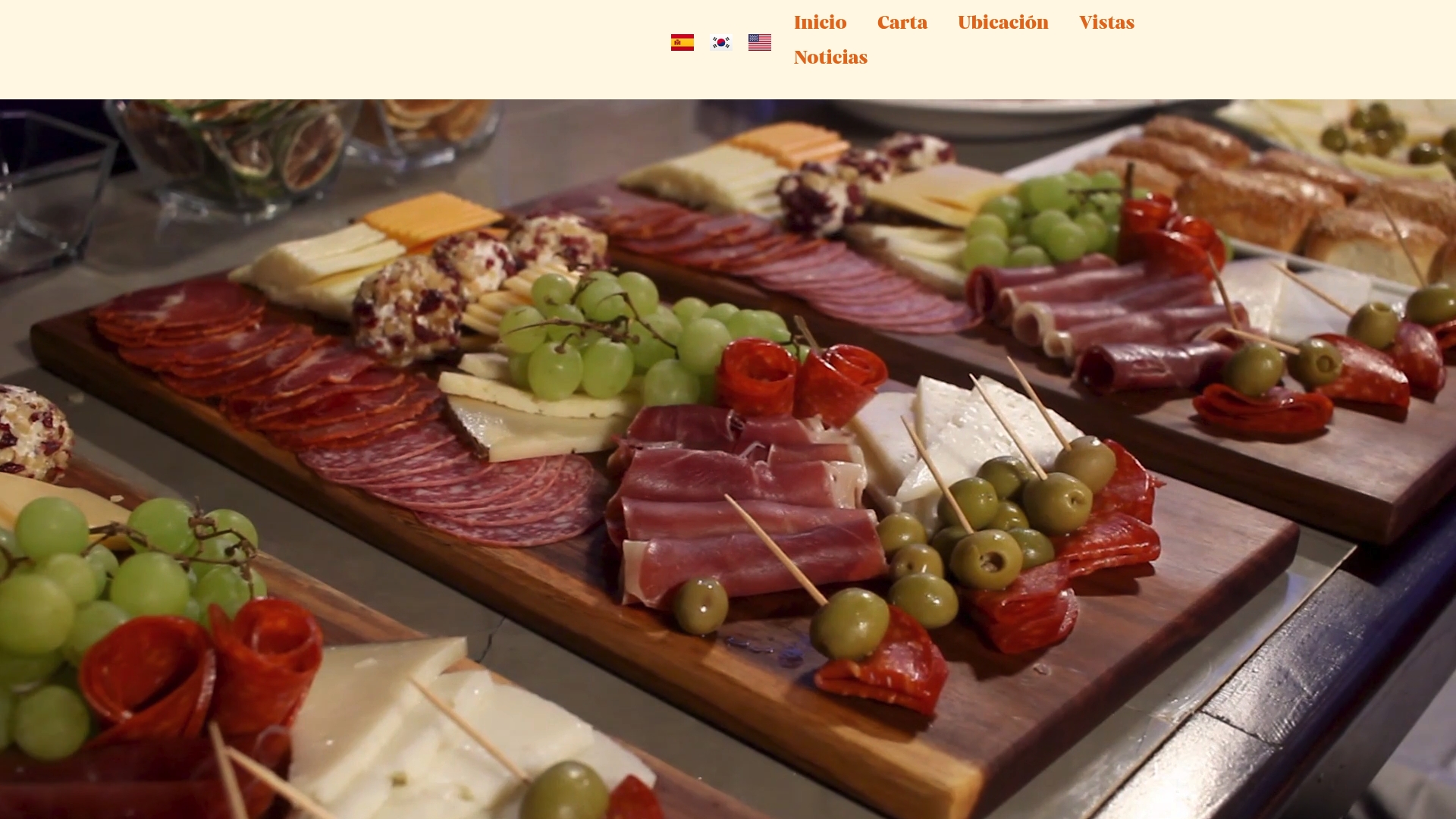
At Kokcha, just steps from the Sagrada Família, we bring that same Mediterranean-first philosophy to every plate. Our menu spans tapas, paellas, seafood, and fusion-inspired dishes that reflect the best of what’s in season, served in a setting with an outdoor terrace that captures the spirit of Barcelona’s dining culture. Whether you’re planning your first visit or returning for a deeper culinary experience, you can explore Mediterranean trends for inspiration, discover Mediterranean cuisine through our curated resources, or go straight to see the full Kokcha menu to start planning your meal.
Frequently asked questions
What is Mediterranean fusion cuisine in Barcelona?
It’s a style where local Mediterranean ingredients serve as the foundation, blended with global flavors and cooking techniques for a unique, ingredient-led experience that respects the region’s culinary identity.
How do I find the best fusion restaurants in Barcelona?
Start with venues reviewed by trusted editorial sources and check for creative, ingredient-driven dishes. Condé Nast Traveler’s coverage of Jiribilla is a good example of the kind of quality signal worth following when planning your meals.
Why do some ‘fusion’ restaurants feel generic or disappointing?
Many focus on visual trends or broad international labels instead of genuine culinary creativity. As Eater notes about Barcelona dining, settling for the first available option near a landmark often leads to meals that prioritize location over craft.
Which fusion dish best captures Barcelona’s local and global spirit?
Signature dishes like Catalan lentil stew with chili and grilled shrimp are strong examples. Jiribilla’s approach of blending seasonal Catalan produce with Mexican techniques shows exactly how authentic cross-cultural flavor works in practice.