A Barcelona neighborhood guide is a visitor-focused decision tool that pairs 3–5 curated local picks with practical logistics so you can choose where to stay, eat, and spend your time based on real trade-offs rather than vague “best” labels. Barcelona spans 10 official districts and 73 neighborhoods, which means the city you see in photos and the city you actually experience depend almost entirely on which barrio you land in.
Here is what a solid guide delivers:
- Curated dining, market, and activity picks (3–5 per neighborhood, with reasons)
- Nearest metro stops and a realistic walkability note
- One standout local activity that goes beyond the usual tourist checklist
- Seasonal notes (festivals, market days, crowd peaks)
- Honest safety and accessibility flags
Sources like Barcelona Urbana, Secrets of Barcelona, and first-hand picks from Kokcha’s team near Sagrada Família all inform this guide.
Table of Contents
- What does a useful Barcelona neighborhood guide actually include?
- Snapshots of Barcelona’s eight core neighborhoods
- Kokcha: a first-hand dining anchor near Sagrada Família
- How do you choose which Barcelona neighborhood to stay in?
- Getting around Barcelona between neighborhoods
- Three sample itineraries by neighborhood base
- Local dining and reservation tips that actually help
- Key Takeaways
- What locals actually know that guides miss
- Dining near Sagrada Família: why Kokcha is worth booking
- Useful sources for deeper research
What does a useful Barcelona neighborhood guide actually include?
Generic guides list attractions. A useful one helps you make decisions. The difference comes down to a few concrete elements.
Curated dining picks with context. Not a list of every restaurant in the barrio, but two or three places with a reason: why locals go there, what to order, and whether you need a reservation. Eating local in Barcelona changes the experience entirely compared to defaulting to tourist-menu spots near major sights.
Market and grocery access. Knowing where the nearest Mercat is, and when it is busiest, matters for both breakfast planning and authentic shopping.
Transport specifics. Metro line and stop names, not just “well-connected.” The Gothic Quarter, for instance, has no metro stations inside its core.
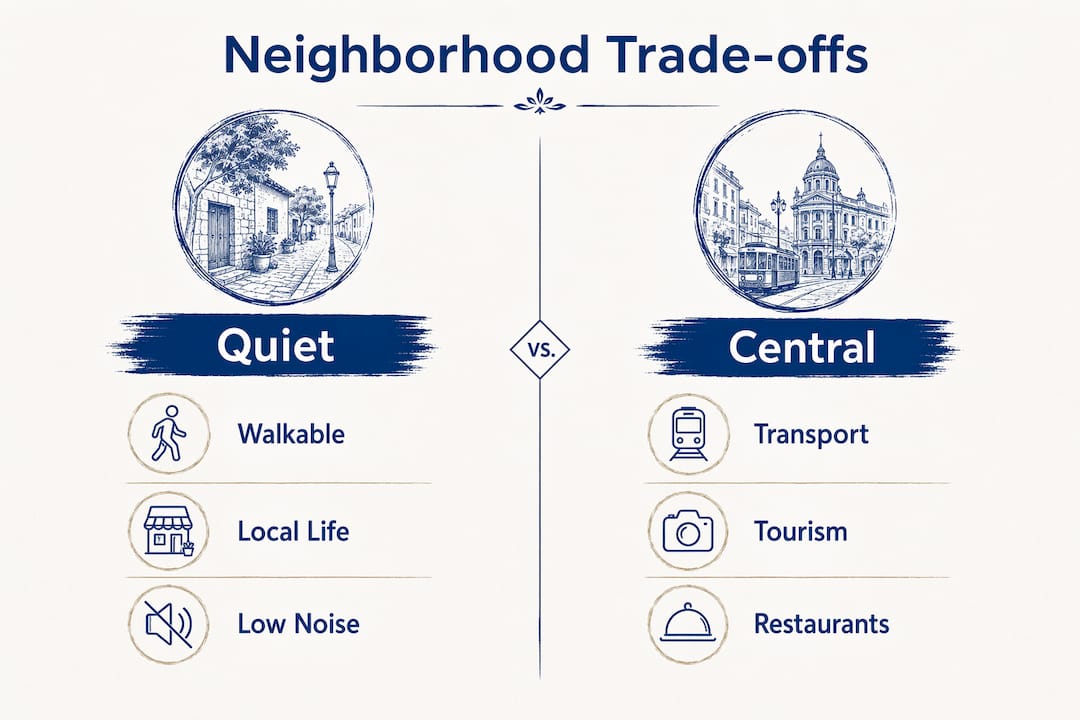
A walkability reality check. Barcelona is largely flat, but narrow medieval streets and steep Montjuïc slopes create real differences between neighborhoods.
One non-generic local activity. Not “visit the cathedral.” Something like watching the evening crowd fill a Gràcia plaza or catching a pintxos crawl on Carrer de Blai in Poble Sec.
Trade-offs, not rankings. The most useful guides compare neighborhoods by what you give up, not just what you gain. Quiet and authentic versus central and logistical. Beach access versus culture density.
A quick checklist when evaluating any guide: Does it name specific metro stops? Does it flag noise or safety issues honestly? Does it tell you when markets are open? If the answer to any of these is no, keep looking.
Snapshots of Barcelona’s eight core neighborhoods
| Neighborhood | Best for | Vibe | Cost level | Nearest metro | Standout activity |
|---|---|---|---|---|---|
| Eixample | First-timers, longer stays | Ordered, spacious | Mid–High | Passeig de Gràcia (L2/L3/L4) | Modernisme block walk |
| Gothic Quarter | Atmosphere seekers | Medieval, touristy | Mid | Liceu (L3), Jaume I (L4) | Roman ruins at Plaça del Rei |
| El Born | Culture lovers | Artsy, walkable | Mid–High | Jaume I (L4) | Santa Caterina market |
| Gràcia | Local-life seekers | Village-like, social | Mid | Fontana (L3), Diagonal (L3/L5) | Evening plaza culture |
| Barceloneta | Beach-first visitors | Lively, compact | High | Barceloneta (L4) | Early morning swim |
| Poblenou | Longer stays, nomads | Calm, modern | Mid | Llacuna (L4), Poblenou (L4) | Rambla del Poblenou stroll |
| Poble Sec | Value-conscious visitors | Local, food-focused | Budget–Mid | Paral·lel (L2/L3) | Pintxos on Carrer de Blai |
| El Raval | Creative, adventurous | Diverse, edgy | Budget–Mid | Liceu (L3), Universitat (L1/L2) | MACBA contemporary art |
Eixample and the Sagrada Família area
Eixample is Barcelona’s most populated district, built on Ildefons Cerdà’s grid with wide boulevards and chamfered corners. The Dreta (right) side holds Sagrada Família and many Modernisme landmarks; the Esquerra (left) is generally quieter and considered more affordable. Metro access is exceptional. The trade-off: it can feel more like a city than a neighborhood, and weekend tourist density near Sagrada Família is high.
3 curated picks: Kokcha restaurant for Mediterranean dining with terrace views; Mercat de l’Abaceria for local produce; a self-guided Modernisme walk along Passeig de Gràcia.
Gothic Quarter and El Born
The Gothic Quarter is atmospheric and genuinely medieval, but it comes with real caveats. No metro stops sit inside its core; you enter from Liceu, Jaume I, or Urquinaona on the perimeter. Pickpocketing is concentrated here. El Born, just east, offers the same walkability with a better food scene, the Santa Caterina market, and Ciutadella park nearby.
3 curated picks (El Born): Santa Caterina market for breakfast; a local wine bar on Carrer del Rec; Basílica de Santa Maria del Mar for architecture without the Sagrada Família crowds.
Gràcia
Gràcia was formerly an independent municipality until the late 19th century, and it still feels like one. Small squares, low buildings, and a strong local identity make it the top pick for travelers who want Barcelona to feel lived-in rather than curated. The Festa Major de Gràcia in August is spectacular but brings serious crowds; book accommodation months ahead if you visit then.
3 curated picks: A neighborhood café on Plaça del Sol for morning coffee; Mercat de l’Abaceria for fresh produce; an evening walk through Plaça de la Vila de Gràcia.
Barceloneta and Poblenou
Barceloneta is the old fishermen’s quarter: tight streets, sea on the doorstep, and a strong local identity. Flats are small, buildings are often walk-ups, and per-square-meter prices are among the highest in the city for what you get. Poblenou offers calmer beaches (Bogatell, Mar Bella) and suits longer stays or anyone who wants the sea without the chaos.
3 curated picks (Poblenou): A café on Rambla del Poblenou; Bogatell beach for a quieter swim; a local restaurant in the 22@ district for contemporary Catalan food.
Poble Sec, Sant Antoni, and El Raval
Poble Sec delivers the best price-to-location ratio of any central neighborhood. Carrer de Blai is the pintxos street locals actually use. Sant Antoni, just north of Eixample’s Esquerra, has a strong weekend market scene and a younger, creative crowd. El Raval is genuinely central and diverse, with MACBA and cheap eats, but street-level conditions vary block by block. Viewing in person before committing to a stay is non-negotiable here.
3 curated picks (Sant Antoni): Mercat de Sant Antoni on Sunday for books and antiques; a natural wine bar on Carrer del Parlament; a morning walk through the Eixample Esquerra grid.
Kokcha: a first-hand dining anchor near Sagrada Família
A restaurant pick does more than feed you. It can anchor your entire neighborhood choice.
Kokcha sits steps from Sagrada Família, serving a full Mediterranean menu: tapas, seafood paella, grilled meats, pasta, tacos, and desserts, with a terrace that looks out toward the city. The bilingual service (Spanish and English) makes it practical for international visitors, and the group booking option suits families or small travel groups.
Reservation tips:
- Book at least 48 hours ahead for weekend dinners; Friday and Saturday evenings fill quickly
- Groups of six or more should contact Kokcha directly for dedicated space
- Lunch on weekdays is easier to walk in, but a reservation still saves time
- Arrive slightly before your booking time; the terrace fills fast on warm evenings
Staying near Sagrada Família puts you within walking distance of Modernisme architecture, Eixample’s best restaurants, and easy metro access to every other neighborhood in the city.
How do you choose which Barcelona neighborhood to stay in?
Skip the “best neighborhood” search. The more useful approach is matching your trip priorities to what each barrio actually offers and gives up.
- Set your travel-time constraint. If you have one day, stay central (Eixample or El Born). If you have a week, a quieter base in Gràcia or Poblenou makes sense.
- Fix your budget. Barceloneta and El Born carry premium prices. Poble Sec and El Raval offer the same central access for less.
- Assess your noise tolerance. Gothic Quarter and Barceloneta are loud at night. Gràcia and Poblenou are noticeably quieter.
- Identify your primary interest. Architecture and Modernisme: Eixample. Beach: Barceloneta or Poblenou. Local life: Gràcia. Food and nightlife: El Born or Poble Sec.
- Check mobility needs. Heavy luggage or limited mobility makes the Gothic Quarter’s cobblestones and walk-up buildings a real problem. Eixample’s wide streets and elevator-equipped buildings are far more practical.
- Ask before you book: What is the nearest metro stop? Is there a market day nearby? How loud is the street on a Friday night? What is the earliest the neighborhood quiets down?
The Gràcia-versus-Eixample trade-off captures the core tension well. Gràcia gives you authentic neighborhood life and lower noise; Eixample gives you metro access on every corner and proximity to the city’s major sights. Neither is wrong. They suit different trips.
Getting around Barcelona between neighborhoods
Barcelona’s metro is the backbone. It is reliable, affordable, and covers most of the city well. For central neighborhoods, walking between adjacent areas (El Born to Gothic Quarter, Gothic Quarter to El Raval) is often faster than waiting for a train.
Key transport facts:
- The metro runs on nine lines; L1, L2, L3, and L4 cover most visitor-relevant neighborhoods
- Barceloneta and Poblenou are on L4 (yellow line), making beach-to-center trips straightforward
- The Gothic Quarter has no internal metro stops; plan for a 5–10 minute walk from the nearest perimeter station
- Trams serve the upper Eixample and Diagonal Mar areas where metro coverage thins
- A T-Casual card (10 trips) covers metro, bus, and tram and is cheaper than buying single tickets
Accessibility note: Eixample’s wide pavements and modern buildings are the most accessible in the city. Gothic Quarter cobblestones and El Raval’s narrower streets create challenges for wheelchairs and heavy luggage. Check the specific street before booking.
Pro Tip: Walk the barrio at two different times before committing to a longer stay. A street that feels charming at noon can be genuinely loud at midnight. The lived-in rhythm of market days, evening plazas, and quiet mornings tells you more than any listing photo.
Three sample itineraries by neighborhood base
One day: first-timer’s Barcelona
- Morning: Gothic Quarter and El Born on foot (2–3 hours). Start at Plaça del Rei, walk to Santa Caterina market, coffee in El Born.
- Midday: Metro L4 to Barceloneta for a beach lunch (45 minutes).
- Afternoon: Metro L4 to Passeig de Gràcia, walk the Modernisme block (Manzana de la Discordia), then north to Sagrada Família.
- Evening: Dinner at Kokcha near Sagrada Família. Book the terrace in advance.
Three days: monuments, architecture, and a beach neighborhood
- Day 1: Base in Eixample. Morning at Sagrada Família, afternoon Modernisme walk, evening dinner near Passeig de Gràcia.
- Day 2: Morning in Gràcia (plaza coffee, Mercat de l’Abaceria), afternoon Parc Güell, evening back in Eixample or El Born.
- Day 3: Metro to Poblenou. Morning at Bogatell beach, afternoon Rambla del Poblenou, evening at a local restaurant in the 22@ district. Check out Barcelona’s fusion dining scene for Poblenou-area picks.
One week: slower discovery for repeat visitors
- Days 1–2: Eixample base, Modernisme circuit, Sagrada Família
- Days 3–4: Move to Gràcia or El Born, explore on foot, no agenda
- Day 5: El Raval (MACBA, Boqueria market, cheap lunch), afternoon Poble Sec and Carrer de Blai
- Day 6: Poblenou beach and the 22@ district
- Day 7: Sant Antoni Sunday market, Eixample Esquerra walk, farewell dinner
Local dining and reservation tips that actually help
Timing is everything in Barcelona. Lunch runs 2:00–4:00 PM and dinner rarely starts before 9:00 PM. Arriving at 7:30 PM marks you as a tourist immediately, and many kitchens are not fully running yet.
Reservation checklist:
- Weekend dinners at popular spots: book 48–72 hours ahead
- Group bookings (6+): call or email directly, not just online forms
- Lunch on weekdays: often walk-in friendly, but a reservation saves 20–30 minutes of waiting
- Terrace tables: always request specifically when booking; they go first
Market timing: Mercat de la Boqueria is best before 10:00 AM on weekdays. After that, it is mostly tourists and overpriced smoothies. Santa Caterina market in El Born and Mercat de Sant Antoni are better alternatives for actual shopping. Sant Antoni’s Sunday market (books, antiques, vintage) runs 9:00 AM–2:00 PM.
Local dining customs: Tipping is not mandatory in Spain, but rounding up or leaving 5–10% at sit-down restaurants is appreciated. Bread is often charged separately. Asking for “la carta” gets you the menu; “el menú del día” gets you the fixed-price lunch, usually the best value in any neighborhood.
For deeper local picks, the authentic Barcelona cuisine guide covers neighborhood-by-neighborhood food culture in more detail.
Pro Tip: At any market, the stalls farthest from the main entrance almost always have better prices and shorter lines. The vendors near the door know tourists stop there first.
Key Takeaways
Barcelona’s 10 districts and 73 neighborhoods mean your trip experience is shaped almost entirely by which barrio you choose, so match your base to your actual priorities rather than a “best” ranking.
| Point | Details |
|---|---|
| Use trade-offs, not rankings | Compare neighborhoods by what you give up (quiet vs. central, beach vs. culture) rather than searching for the “best” one. |
| Gothic Quarter logistics | No metro stops inside its core; nearest are Liceu, Jaume I, and Urquinaona on the perimeter. |
| Poblenou for calmer beaches | Bogatell and Mar Bella offer quieter alternatives to Barceloneta, better suited to longer stays. |
| Book restaurants ahead | Weekend dinners at popular spots fill 48–72 hours out; terrace tables go first. |
| Kokcha near Sagrada Família | A practical Mediterranean dining anchor in Eixample with terrace views; book ahead for weekend evenings. |
What locals actually know that guides miss
Most visitors spend two days optimizing their itinerary and zero time thinking about what their evenings will feel like. That is the real mistake. The neighborhood you sleep in shapes your mornings, your dinner options, and whether Barcelona feels energizing or exhausting by day four.
The lived-in rhythms of a barrio, when the market streets go quiet, which plaza fills up at 7:00 PM, which block gets loud after midnight, tell you more than any attraction list. Locals do not pick neighborhoods by proximity to landmarks. They pick them by how the daily routine feels.
One thing most guides skip: walk your shortlisted neighborhood on a weekday morning and again on a Friday night before you commit. The difference can be dramatic. A street in El Raval that feels perfectly fine at noon can feel genuinely uncomfortable at 1:00 AM. A Gràcia plaza that looks quiet in photos fills with locals and kids every evening from 6:00 PM onward.
For reservations or to check the current menu, Kokcha’s team is available directly through the website.
Dining near Sagrada Família: why Kokcha is worth booking
Visitors staying in Eixample or near Sagrada Família have one consistent problem: finding a restaurant that delivers quality food, a real atmosphere, and bilingual service without a 45-minute walk or a mediocre tourist menu.
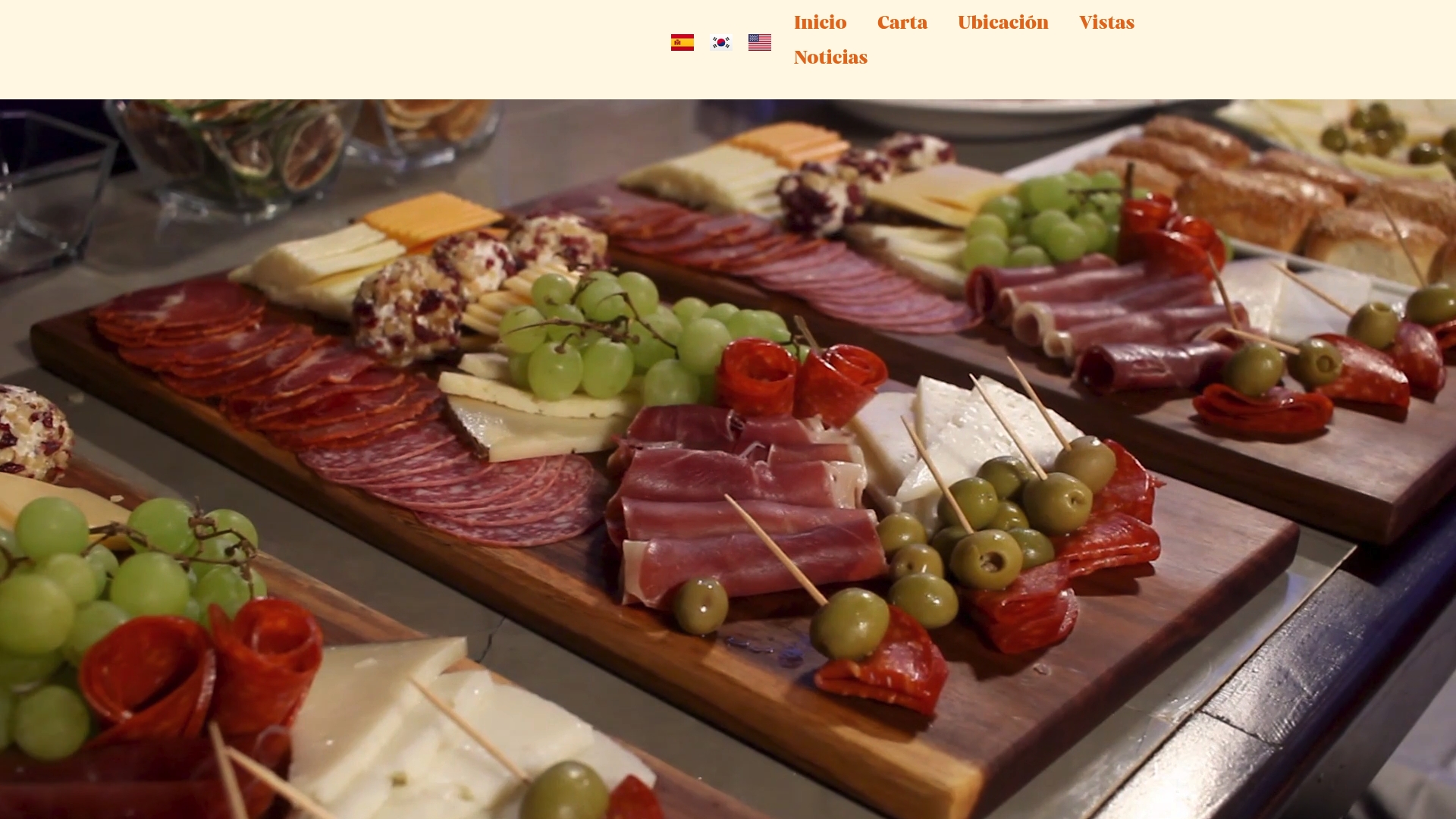
Kokcha solves that directly. The Mediterranean restaurant experience at Kokcha covers the full range: tapas, paellas (including a meat paella worth ordering ahead), grilled seafood, pasta, tacos, and desserts, all served in a space with a terrace that looks out over the city. The kitchen runs in Spanish and English, which matters when you are traveling with a group and need to ask about allergens or specials.
Weekend evenings fill fast. Book your table at kokcha.es at least 48 hours ahead, request the terrace when you reserve, and mention group size upfront if you are coming with more than four people.
Useful sources for deeper research
| Source | What you will find | Used for |
|---|---|---|
| Barcelona Urbana — Districts Guide | Official district breakdown, maps, population data | Neighborhood counts, Eixample profile |
| Barcelona Urbana — Best Neighborhoods by Traveler Type | Trade-off comparisons by traveler profile | Gothic Quarter, Gràcia, Poblenou, Poble Sec snapshots |
| Barcelona Urbana — Best Neighborhoods to Stay | Honest stay-focused neighborhood assessments | Decision framework, trade-off framing |
| Secrets of Barcelona — Lived-In Guide | Street-level rhythms, honest neighborhood realities | Perspective section, transport and noise notes |
| GuestIntro — Local Area Guide | Framework for curated picks in local guides | 3–5 picks requirement, guide composition |
| Kokcha — Authentic Barcelona Cuisine | Neighborhood-by-neighborhood food culture | Dining tips, insider picks |
| KitchenRush Restaurants | Local restaurant discovery across Barcelona | Broader dining context and local favorites |