Barcelona has never been short on paella. But choosing the right bowl in a city where paella varieties in Barcelona range from deeply traditional to frankly tourist-facing can feel like a gamble. Restaurants on every corner wave photos of glistening rice at you, and not all of them deliver. This guide cuts through that noise. You’ll learn exactly which traditional paella types define Barcelona’s rice culture, how to spot authentic preparation, and where to find the best paella in Barcelona without wasting a meal on something reheated.
Table of Contents
- Key takeaways
- 1. What sets paella varieties in Barcelona apart
- 2. Seafood paella (Paella de Mariscos)
- 3. Paella Valenciana: the original
- 4. Arròs negre: Catalonia’s own rice dish
- 5. Parellada paella: Barcelona’s civilized invention
- 6. Arròs de muntanya: the Catalan highlands on a plate
- 7. Paella mixta: the contested crowd-pleaser
- 8. Vegetarian paella: underrated and worth ordering
- 9. Comparing top paella varieties: a quick reference
- 10. How to choose the right paella and venue for your visit
- My honest take on Barcelona’s paella scene
- Experience authentic paella at Kokcha, steps from the Sagrada Família
- FAQ
Key takeaways
| Point | Details |
|---|---|
| Rice type matters most | Short-grain bomba or senia rice absorbs flavor far better than long-grain alternatives, making it the single most telling quality indicator. |
| Barcelona has its own rice dishes | Arròs negre is a distinct Catalan dish, not a Valencian paella variant, and skipping it means missing Barcelona’s true culinary identity. |
| Avoid Las Ramblas vendors | Restaurants displaying paella photos in windows along Las Ramblas consistently deliver low-quality, pre-cooked rice unworthy of your appetite. |
| Paella mixta is a Barcelona original | Mixed meat and seafood paella is controversial among Valencian purists but genuinely loved in Barcelona’s dining culture. |
| Freshness determines authenticity | Pre-cooked tourist paellas often cost under €15 and use frozen or powdered ingredients. Authentic preparations cost €17.50 to €35 per person. |
1. What sets paella varieties in Barcelona apart
Understanding why Barcelona’s paella scene differs from Valencia’s is the first step to ordering well. Paella originated in Valencia as a land-based dish built on chicken, rabbit, and local white beans. When it traveled to Barcelona, the city’s Mediterranean coastline pulled the dish toward the sea. What you find now is a hybrid culture where Catalan rice traditions and Valencian roots produce a genuinely distinct set of options.
Several factors matter when you evaluate any paella in this city:
- Rice variety: Short-grain bomba and senia rice absorbs broth more efficiently than long-grain types. Michelin-starred chefs point to this as the non-negotiable variable in great paella. Ask which rice is used before ordering.
- Ingredient freshness: Seafood should be sourced locally and smell of the ocean, not the freezer. A kitchen working with fresh Mediterranean shellfish will almost always advertise it.
- Preparation method: Over 68% of paellas in tourist-heavy districts deviate from traditional preparation, relying on pre-packaged sauces. If a restaurant can serve paella in under 20 minutes, something is wrong.
- Setting: A busy neighborhood restaurant with a Spanish-speaking crowd at lunch is a far better sign than a terrace plastered with tourist menus in six languages.
- Price: Authentic paella runs €17.50 to €35 per person depending on venue and ingredients. Anything below €15 in a high-traffic area is a red flag.
Pro Tip: Always ask for the lunch service. Paella is traditionally a midday meal in Spain, and the best kitchens reserve their freshest preparations for the afternoon sitting, not dinner.
2. Seafood paella (Paella de Mariscos)
This is the style most visitors picture when they think of Barcelona and rice. A proper seafood paella in Barcelona features clams, mussels, prawns, and sometimes langoustines arranged over saffron-tinted rice cooked in a rich fish broth. The socarrat, that thin caramelized crust at the bottom of the pan, tells you the cook got the heat right.
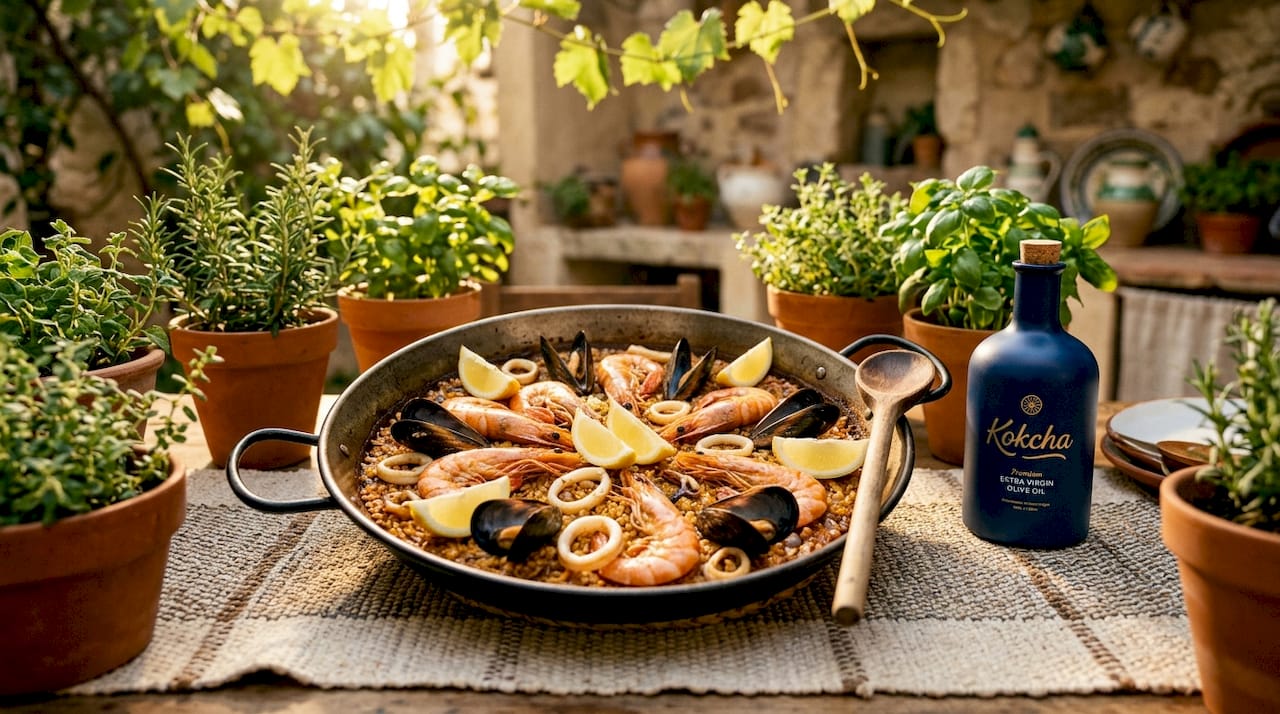
Seafood paella in Barcelona pulls its identity from the city’s direct access to Mediterranean fisheries. The briny depth of a well-made paella de mariscos is unlike anything produced inland. Pair it with a chilled Albariño or a local cava, and you have one of the defining food experiences the city offers.
Pro Tip: When sharing a seafood paella for two, ask whether it is cooked to order. Any kitchen that prepares it in advance and portions it tableside is not giving you the real thing.
3. Paella Valenciana: the original
This is the one Valencia would recognize. Paella Valenciana builds its base on chicken, rabbit, garrofó beans, and green beans, cooked over a wood fire in the traditional version. It tastes nothing like seafood paella, and that contrast is exactly the point.
Finding a truly faithful Paella Valenciana in Barcelona takes effort because the city has adapted the dish for local tastes over generations. But it exists. When you find it, the smoky depth from proper sofregit and the chew of beans cooked into the rice will tell you why this version earned its reputation as the original. Do not expect it to taste luxurious. It tastes earned.
4. Arròs negre: Catalonia’s own rice dish
Here is something most visitors misunderstand. Arròs negre is not a paella variant but a distinct Catalan rice dish with cuttlefish ink, squid, and a garlic-forward alioli served alongside. The ink gives the rice a deep, briny intensity that is wholly unlike the saffron brightness of traditional paella.
Catalonia’s rice dishes like arròs negre reflect the region’s culinary identity far more directly than Valencian-derived paellas do. If you leave Barcelona without trying it, you have missed the dish that locals actually consider their own. The alioli is not optional. Stir it in and let the fat temper the brininess of the ink.
5. Parellada paella: Barcelona’s civilized invention
The Parellada paella at 7 Portes has a fascinating backstory. All shells and bones are removed before the seafood goes into the pan, delivering every bit of traditional seafood flavor without any of the tableside work. The dish dates to the 19th century and carries the name of the family that originally requested the modification.
It is a small thing, removing the shells. But the result is a paella that lets you focus entirely on the rice and flavor rather than the mechanics of eating. For a first-time visitor or anyone who finds shellfish shells a distraction, this is the most welcoming entry point into Barcelona’s paella varieties list.
6. Arròs de muntanya: the Catalan highlands on a plate
Most people visiting Barcelona stay close to the coast on their menus. That is a mistake. Arròs de muntanya, or mountain-style rice, draws on Catalonia’s inland traditions. Rabbit, pork ribs, chicken thighs, and wild mushrooms build a deeply savory base, and the result is heartier and earthier than anything that comes off the coast.
This variety tells you something important about Catalan food culture. The mountains and the sea have always coexisted in this cuisine, and the best restaurants honor both. If you’re visiting in fall or winter, arròs de muntanya is the natural choice. It carries the weight and warmth the season calls for.
7. Paella mixta: the contested crowd-pleaser
Paella mixta combines meat and seafood in a single pan, something Valencian purists reject outright. In Barcelona, it is simply practical. The city’s diverse dining crowd wants options, and a well-executed mixta delivers chicken alongside prawns and mussels without feeling compromised.
The risk with mixta is execution. Cooking proteins that require different timing in the same pan demands skill. In a skilled kitchen, the result is genuinely satisfying. In a rushed tourist kitchen, you will get rubbery shrimp or undercooked chicken. The dish reveals kitchen competence more clearly than almost anything else on the menu.
8. Vegetarian paella: underrated and worth ordering
Vegetarian paella options in Barcelona have improved dramatically over the past decade. Some restaurants now offer up to 14 paella and rice dish variations, including fully plant-based versions. The best ones build flavor through a long-cooked sofregit of tomatoes and peppers, then layer in seasonal vegetables and herbs.
At Kokcha, the vegetable paella is prepared with the same attention to rice quality and broth depth as the seafood versions. That matters because vegetarian paella fails when cooks treat it as a secondary offering. Great vegetable paella is a study in how much flavor comes from technique rather than protein.
9. Comparing top paella varieties: a quick reference
| Variety | Main ingredients | Price range | Best for | Authenticity rating |
|---|---|---|---|---|
| Paella de Mariscos | Clams, prawns, mussels | €20 to €35 | Seafood lovers | ★★★★★ |
| Paella Valenciana | Chicken, rabbit, beans | €18 to €28 | Traditionalists | ★★★★★ |
| Arròs negre | Cuttlefish ink, squid | €18 to €30 | Adventurous eaters | ★★★★★ |
| Parellada paella | Shell-free seafood | €22 to €32 | First-time visitors | ★★★★☆ |
| Arròs de muntanya | Rabbit, pork, mushrooms | €17 to €26 | Hearty appetite | ★★★★☆ |
| Paella mixta | Chicken, prawns, mussels | €18 to €28 | Mixed preference groups | ★★★☆☆ |
| Vegetarian paella | Seasonal vegetables | €15 to €22 | Plant-based diners | ★★★★☆ |
Pro Tip: Skip any restaurant on Las Ramblas displaying paella photos in the window with prices in multiple currencies. That is the single most reliable signal of a tourist trap.
10. How to choose the right paella and venue for your visit
Matching your meal to your preferences takes about three questions. What do you want to eat? How much do you want to spend? And what kind of dining experience are you after?
Here is a practical framework:
- For seafood purists: Go directly to a Barceloneta-area restaurant with a clear market sourcing policy. Ask for the paella de mariscos at lunch.
- For history seekers: Book 7 Portes in advance and order the Parellada. The room itself is worth the reservation.
- For plant-based diners: Seek restaurants with rotating seasonal menus. A kitchen that changes its vegetable paella by season is working with fresh produce.
- For groups with mixed tastes: Paella mixta or a restaurant like Maná 75 with its extensive paella variations list gives everyone a workable option.
- For budget-conscious travelers: Can Ros offers paella starting at €17.50, and the quality is genuinely solid. Value does not require sacrificing authenticity.
Paella is best enjoyed freshly prepared. Pre-cooked versions common in tourist corridors miss both the socarrat and the layered broth depth that define the dish. Always confirm that your order is cooked to order before sitting down.
Local wine pairings to consider: dry white wines from Penedès, Cava Brut Nature, or a light-bodied Garnacha from the Priorat for the mountain-style versions. Each of these amplifies the rice rather than competing with it.
My honest take on Barcelona’s paella scene
I’ll be direct: Barcelona’s paella scene rewards curiosity and punishes passivity. The city makes it easy to eat mediocre paella. Bright signage, low prices, and prime locations on tourist corridors do the work of luring you in. I’ve watched visitors walk past genuinely extraordinary rice dishes to sit under an umbrella on a pedestrian street and eat something that came out of a bag.
What changed my perspective was ordering arròs negre for the first time at a restaurant I almost walked past because it looked too local and not destination-worthy enough. The ink-dark rice was intensely savory, the alioli cut through it perfectly, and I realized I had been measuring Barcelona’s food scene by the wrong standards entirely. The city’s culinary identity is Catalan first, and Catalan rice culture runs much deeper than any Valencian-originated paella.
My other hard-won lesson: always arrive at lunch with time to spare. Paella cannot be rushed, and a kitchen that respects the dish will tell you it takes 25 minutes. That wait is the whole point. Spend it with a glass of cava and whatever bread and olives they bring out, and you’ll be in exactly the right state of mind when the pan arrives at the table.
— YellowRock
Experience authentic paella at Kokcha, steps from the Sagrada Família
If you want to skip the guesswork entirely, Kokcha offers what you’ve been reading about: a full range of authentic paella varieties prepared with fresh, locally sourced ingredients and traditional technique. Located near the Sagrada Família, the restaurant serves everything from its seafood paella to a hearty meat paella and a plant-forward vegetable option that takes vegetarian cooking seriously.
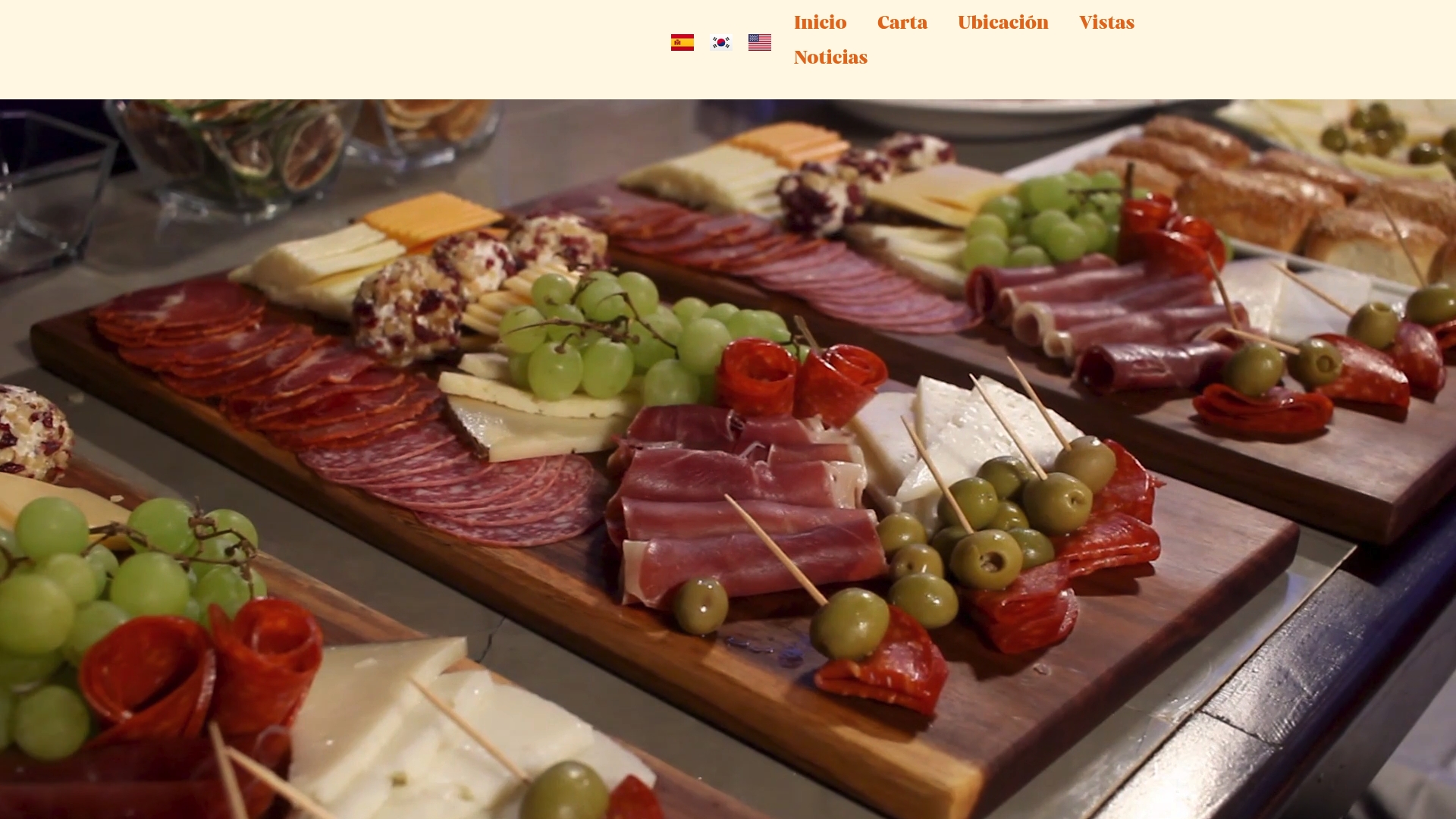
Kokcha’s Mediterranean terrace and thoughtful menu make it one of the most satisfying places to explore paella varieties in Barcelona without the tourist trap anxiety. Whether you’re a solo traveler, a couple, or a group with competing preferences, the menu has a path for you. Book a table at Kokcha and make your Barcelona rice experience count.
FAQ
What are the main paella varieties in Barcelona?
The primary paella varieties you’ll find in Barcelona include seafood paella, Paella Valenciana, arròs negre, Parellada paella, arròs de muntanya, paella mixta, and vegetarian paella. Each reflects a different dimension of Catalan and Mediterranean rice culture.
Is arròs negre the same as paella?
No. Arròs negre is a distinct Catalan rice dish made with cuttlefish ink and served with alioli. It shares the paella pan format but belongs to a separate culinary tradition rooted in Catalonia rather than Valencia.
How much should authentic paella cost in Barcelona?
Expect to pay between €17.50 and €35 per person for authentic paella in Barcelona. Anything priced under €15 in a high-traffic tourist area almost certainly uses pre-cooked or frozen ingredients.
How do I avoid tourist trap paella in Barcelona?
Stay away from restaurants on Las Ramblas that display paella photos in their windows. Look instead for busy neighborhood spots that serve paella at lunch, cook to order, and use short-grain bomba rice.
What wine pairs best with seafood paella in Barcelona?
Dry white wines from Penedès or a Cava Brut Nature complement seafood paella well. Both are locally produced and share the same Mediterranean terroir as the ingredients in the dish.