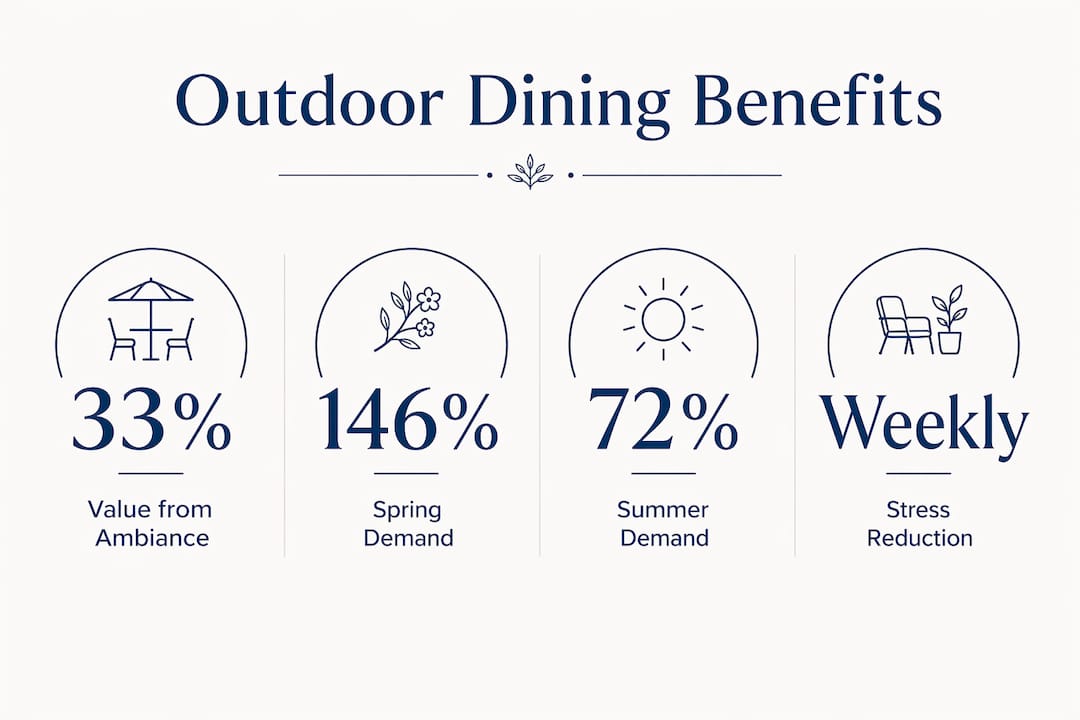
Restaurants with outdoor seating deliver a dining experience that goes well beyond the food on the plate. The term “al fresco dining” describes any meal eaten in the open air, and the reasons to dine al fresco have grown from simple preference to a well-documented wellness choice. Demand for terrace restaurants increased 10% nationally in Spain in 2026 versus 2025, with seasonal spikes of +146% in spring and +72% in summer. That surge reflects a real shift in how diners prioritize fresh air, natural light, and open-sky ambiance when choosing where to eat.
Why choose restaurants with outdoor seating for your wellbeing
The clearest reason to eat outside is the direct effect on your body and mind. Spending 120 minutes weekly in nature significantly reduces cortisol and adrenaline, the two hormones most closely linked to chronic stress. A single outdoor meal counts toward that threshold, making a weekly terrace dinner a genuinely therapeutic habit rather than a luxury.
Natural light exposure during an outdoor meal also triggers serotonin production. Serotonin regulates mood, appetite, and sleep quality. Eating outside in daylight, even on a cloudy afternoon, gives your brain a chemical signal that indoor fluorescent lighting simply cannot replicate.
“Eating outdoors acts as a reset for the nervous system. It reduces overstimulation and promotes mindfulness in a way that indoor dining rarely achieves.”
— Therapist Chloë Bean, April 2026
Eating outdoors one meal per week decreases stress and sharpens attention to sensory surroundings. You notice the texture of your food, the temperature of the air, and the sounds around you. That heightened awareness is the foundation of mindful eating, and it happens naturally outside without any formal practice.
Pro Tip: Book a terrace table for your next lunch rather than dinner. Midday light exposure delivers the strongest serotonin boost and helps regulate your sleep cycle that same night.
The social dimension of outdoor dining also matters. Open-air spaces feel less formal than enclosed dining rooms. That relaxed atmosphere encourages longer conversations, slower eating, and stronger social bonds. Research on outdoor dining and mindfulness confirms that the sensory engagement of an outdoor setting naturally pulls attention away from screens and toward the people at the table.
How does outdoor dining ambiance influence satisfaction and restaurant success?
Ambiance is not decoration. It is a measurable driver of perceived value. Between 26% and 33% of the value a diner assigns to a restaurant experience comes directly from sensory and emotional stimuli, including lighting, spatial layout, sound, and ventilation. That figure means a restaurant with a well-designed terrace can charge more, retain customers longer, and earn stronger reviews without changing a single dish.
Diners are willing to pay premium prices for outdoor spaces that deliver immersive atmospheres. Quality lighting, spatial layout, and ventilation are the three factors most consistently linked to willingness to pay more. A string of warm Edison bulbs over a terrace table, a gentle cross-breeze, and enough space between chairs to feel private all translate directly into higher average ticket sizes.
| Ambiance element | Effect on diner behavior |
|---|---|
| Warm, dimmable lighting | Extends average dining duration |
| Natural ventilation | Increases comfort ratings and return visits |
| Spatial separation between tables | Raises perceived exclusivity and spend per cover |
| Views of landmarks or greenery | Boosts social media sharing and word-of-mouth |
Restaurants that invest in outdoor atmosphere design report stronger customer retention across seasons. The logic is straightforward. A diner who associates a place with a specific sensory memory, the smell of the sea, the view of a cathedral, the feel of a warm evening breeze, will return to recreate that experience. Ambiance builds loyalty in a way that a loyalty card program cannot.
Pro Tip: When evaluating a restaurant’s outdoor space, look for layered lighting. A terrace that uses both overhead and table-level light sources creates depth and warmth that single-source lighting cannot match.
What design factors make outdoor seating comfortable year-round?
The biggest objection to outdoor dining is weather. Smart terrace design eliminates that objection. Outdoor spaces with adaptive enclosures, heating, and shading see higher year-round occupancy than fully open or fully closed terraces. The key is flexibility, not a fixed solution.
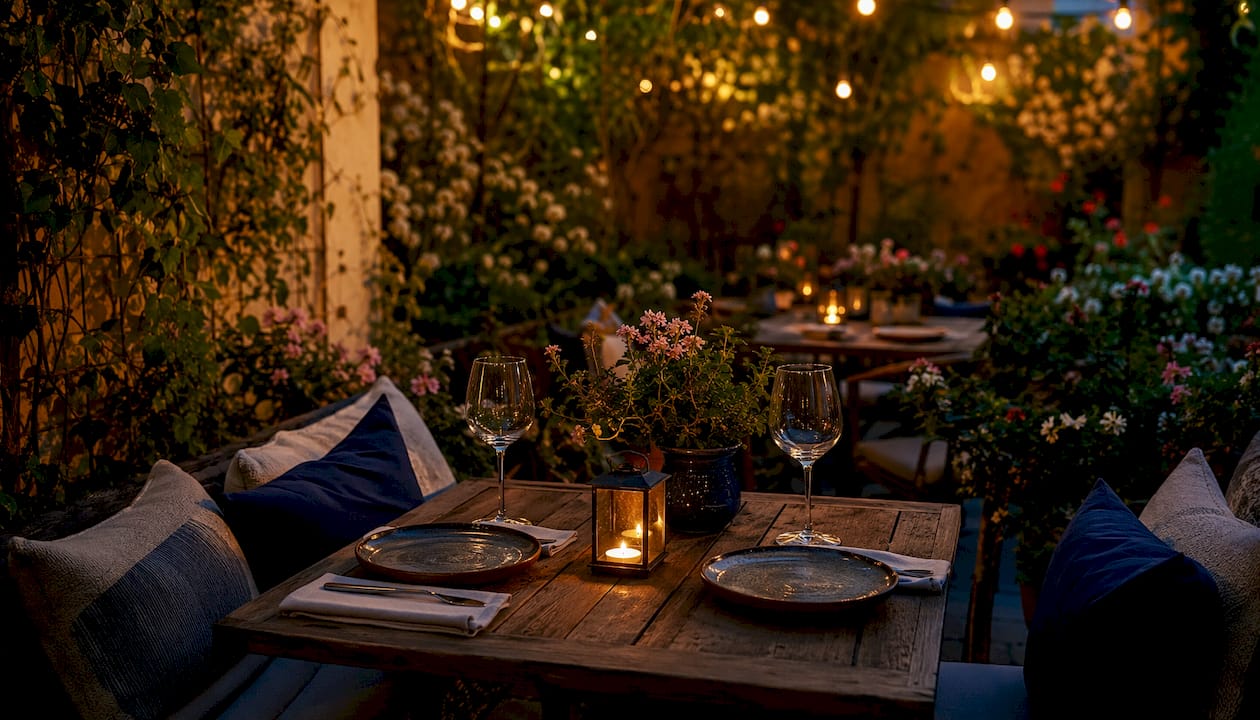
Shading solutions like adjustable pergolas and large-canopy umbrellas protect diners from direct sun in summer without blocking airflow. In cooler months, freestanding infrared heaters extend comfortable outdoor dining well into the evening. Windbreaks made from glass panels or dense planters reduce chill without creating the closed-in feeling that defeats the purpose of eating outside.
Furniture choices also shape the experience in ways most diners never consciously notice. Stackable lightweight chairs and durable phenolic tabletops allow staff to reconfigure a terrace quickly for different group sizes and weather conditions. That operational flexibility means the space stays functional and attractive rather than cluttered or improvised.
Terrace design segmentation also drives satisfaction. Restaurants that separate high-top seating zones for quick drinks from chill-out sofa areas for longer meals serve more customer types without conflict. A solo diner grabbing a coffee and a group celebrating a birthday can coexist comfortably when the layout accounts for both.
The best outdoor seating areas share three qualities:
- Shelter without enclosure. Partial coverage from rain and wind while preserving the open-air feel.
- Thermal comfort. Heaters in winter, shade and airflow in summer, so the season never dictates whether the terrace is usable.
- Zoned seating. Distinct areas for different visit lengths and group sizes, which increases both table turnover and average spend.
For diners, these design details signal that a restaurant takes its outdoor space seriously. A terrace with mismatched plastic chairs and a single wobbly umbrella tells you the outdoor seating is an afterthought. A terrace with layered shading, quality furniture, and thoughtful zoning tells you the experience was planned. You can read more about Barcelona terrace dining to see how Spanish restaurants approach this design challenge.
How do seasonal trends shape demand for outdoor dining?
Consumer demand for outdoor dining follows a predictable but steep curve. Spring demand spikes 146% and summer demand rises 72% compared to baseline months. Those numbers confirm that outdoor seating is not a niche preference. It is the primary driver of restaurant traffic during the warmest half of the year.
| Season | Demand change vs. baseline | Key diner behavior |
|---|---|---|
| Spring | +146% | First outdoor meals of the year; high social motivation |
| Summer | +72% | Evening dining preferred; longer stays |
| Autumn | Moderate decline | Heated terraces retain loyal customers |
| Winter | Lowest demand | Enclosed or heated terraces capture niche segment |
The number of restaurants with terraces in Spain has increased 12% recently. In key locations, terraces generate the majority of a restaurant’s revenue. That business reality explains why the best outdoor seating restaurants invest heavily in their terrace infrastructure. The terrace is not a bonus feature. It is the primary revenue engine for a large portion of the year.
Regional patterns matter too. Coastal and tourist-heavy cities like Barcelona see outdoor dining demand extend further into autumn and winter than inland cities. Diners visiting Barcelona near the Sagrada Familia, for example, actively seek terrace dining with views as part of the travel experience itself. The meal and the setting are inseparable.
Restaurants that align their menus and service models with seasonal outdoor demand consistently outperform those that treat the terrace as secondary. Lighter dishes, fresh seafood, and cold beverages sell better outside in warm months. Warm soups, hearty proteins, and mulled drinks extend terrace appeal into cooler seasons. The outdoor setting shapes what diners want to eat, not just where they want to sit. Sustainable practices in outdoor spaces, including eco-friendly cafe approaches, are also gaining traction as diners increasingly factor environmental responsibility into their restaurant choices.
Key Takeaways
Restaurants with outdoor seating deliver measurable benefits for diners’ health, satisfaction, and overall experience, making al fresco dining a genuinely better choice for most meals.
| Point | Details |
|---|---|
| Wellness benefits are real | Outdoor meals reduce cortisol and boost serotonin, improving mood and reducing stress. |
| Ambiance drives perceived value | Between 26% and 33% of a diner’s satisfaction comes from sensory and emotional ambiance factors. |
| Design determines comfort | Adaptive shading, heating, and zoned seating make terraces usable and enjoyable year-round. |
| Demand peaks sharply in spring | Terrace demand spikes 146% in spring, confirming outdoor seating as a primary dining driver. |
| Location amplifies the experience | Views of landmarks or natural scenery increase social sharing and strengthen emotional memory of a meal. |
The case for prioritizing outdoor dining every time you can
I have eaten at hundreds of restaurants across Europe, and the meals I remember most vividly almost always happened outside. Not because the food was better, though it often was, but because the setting made me pay attention. You cannot scroll your phone as easily when the light is changing and the air smells like jasmine or salt water. That forced presence is the real gift of a good terrace.
What I have noticed is that diners consistently underestimate how much the outdoor setting shapes their perception of the food itself. A paella eaten on a sun-warmed terrace with a view of a cathedral tastes different from the same dish eaten under fluorescent lights in a basement dining room. The brain integrates all sensory inputs into a single experience. Outdoor settings load that experience with positive signals before the first bite arrives.
The restaurants worth seeking out are not just the ones with a few chairs on the sidewalk. They are the ones that have thought carefully about shade, airflow, furniture quality, and sightlines. Those details separate a forgettable outdoor table from a meal you will talk about for years. Prioritize restaurants that invest in their outdoor spaces. The investment they make in the terrace tells you exactly how much they care about your experience overall.
— YellowRock
Kokcha’s terrace: Mediterranean dining near the Sagrada Familia
Kokcha brings together everything that makes outdoor dining worth choosing. The restaurant sits steps from the Sagrada Familia in Barcelona, and its terrace offers views of one of the world’s most iconic landmarks alongside a full Mediterranean menu built for open-air enjoyment.
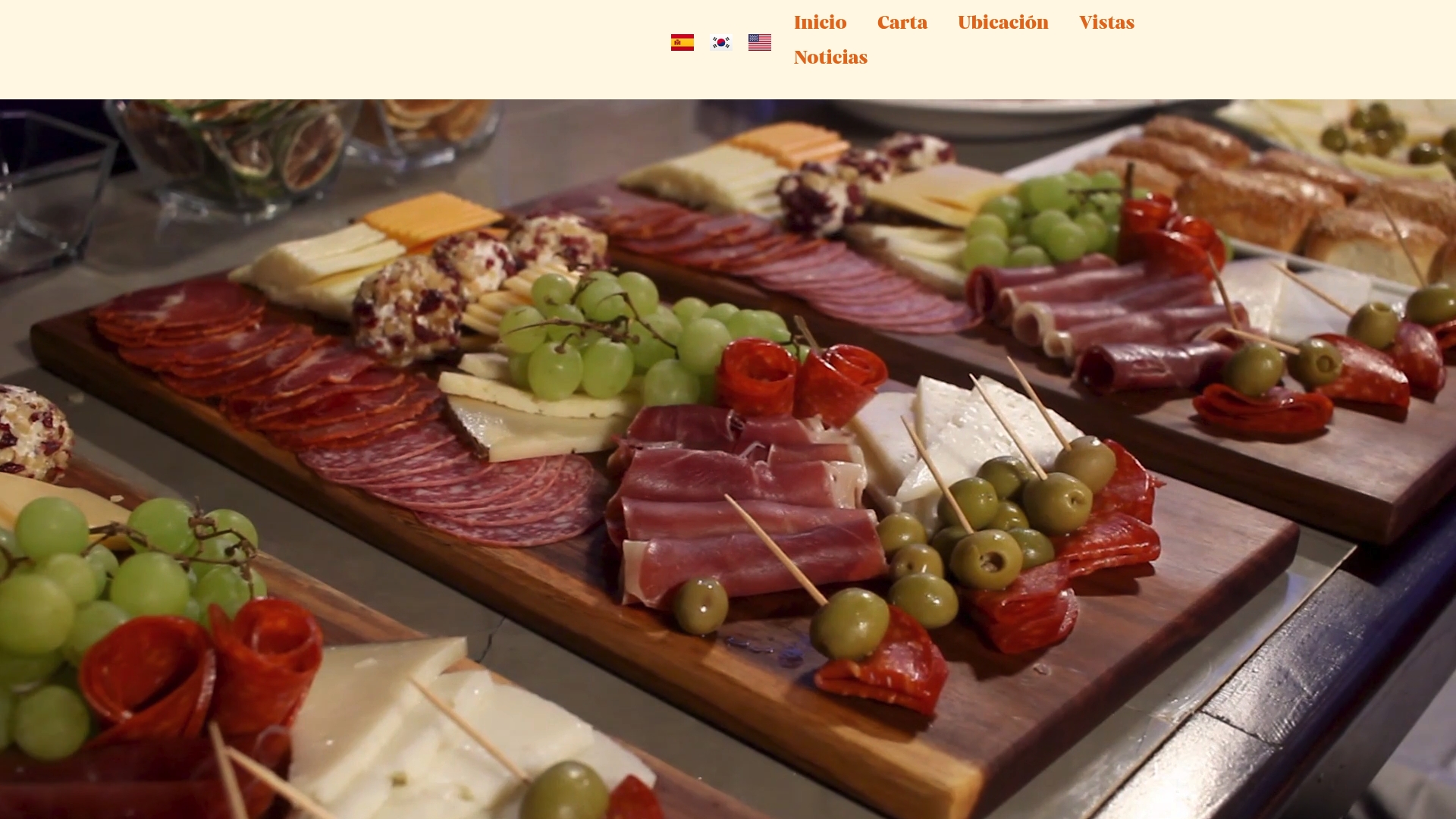
From seafood paella to fresh tapas and grilled fish, the menu at Kokcha pairs naturally with the terrace setting. The outdoor space uses layered lighting, quality furniture, and thoughtful zoning to stay comfortable across seasons. For diners who want to experience Mediterranean culinary trends in 2026 in a setting that matches the food’s ambition, Kokcha’s terrace is the right table. Reservations are available directly through the website.
FAQ
What are the main benefits of outdoor dining?
Outdoor dining reduces stress hormones like cortisol and adrenaline, boosts serotonin through natural light exposure, and promotes mindful eating by engaging the senses. Eating outside just once a week produces measurable improvements in mental wellbeing.
How much does ambiance affect a restaurant experience?
Between 26% and 33% of the value a diner perceives comes from sensory and emotional ambiance factors, including lighting, spatial layout, and ventilation. A well-designed outdoor space directly raises satisfaction scores and willingness to pay.
Is outdoor seating comfortable in cooler weather?
Restaurants with adaptive terraces that include infrared heaters, windbreaks, and retractable shading maintain comfortable outdoor dining well into autumn and winter. Fully enclosed terraces lose the fresh-air benefit, so partial coverage with thermal comfort features is the best balance.
When is demand for outdoor restaurant seating highest?
Demand for terrace dining spikes 146% in spring and 72% in summer compared to baseline months, according to a TheFork report from may 2026. These are the peak periods when outdoor seating becomes the primary reason diners choose one restaurant over another.
What should I look for in a good outdoor restaurant?
Look for layered lighting, zoned seating areas, quality furniture, and some form of weather protection. These details signal that the restaurant has invested in the outdoor experience rather than treating the terrace as an afterthought.