Mediterranean hospitality is defined as a culturally embedded moral practice that transforms guests from strangers into honored members of a community through generosity, protection, and genuine human connection. This tradition, known formally as philoxenia in Greek culture, runs far deeper than polite service or commercial exchange. Its roots reach back to ancient customs like Greek xenia and Albanian besa, both of which treated the guest-host relationship as a sacred obligation. What defines Mediterranean hospitality today is not a hotel star rating or a menu price point. It is a living social ethic that shapes how people eat, gather, and care for one another across the entire Mediterranean region.
What are the historical roots of Mediterranean hospitality?
The oldest and most studied foundation of Mediterranean hospitality is xenia, the ancient Greek code governing the guest-host relationship. Xenia traditions) forbid hosts from asking guests any questions before offering food and drink, treating hospitality as an unconditional moral duty rather than a conditional favor. The practice was considered sacred, protected by Zeus Xenios, and included both material gifts and non-material expressions of care. Breaking xenia was not just rude. It was a religious offense.
Albanian besa operates on a similarly absolute moral plane. Besa imposes a sacred obligation of protection and care, transforming guests into wards under the personal honor of the host. Breaking besa damages a family’s social standing permanently. This is not hospitality as a business strategy. It is hospitality as a personal covenant.
“The guest is a gift from God.” This phrase, common across Albanian, Greek, and broader Mediterranean cultures, captures the spiritual weight these traditions place on welcoming strangers.
Across the Mediterranean, similar frameworks appear under different names. Mediterranean hospitality descends from layered ancient ethics including Greek xenia, Albanian besa, and Arabian karam, each embedding hospitality into social ethics as a stratified culture with reciprocal duties. Cyprus offers a vivid living example. Filoxenia in Cyprus makes providing food and coffee to guests a near-universal expectation, functioning as a moral test of virtue rather than a lifestyle choice. Leaving a Cypriot home without receiving a meal or traditional coffee remains extremely rare to this day.
These traditions share a common thread. The guest’s vulnerability on arrival creates a corresponding duty in the host. That duty is not optional.
What are the key characteristics of Mediterranean hospitality?
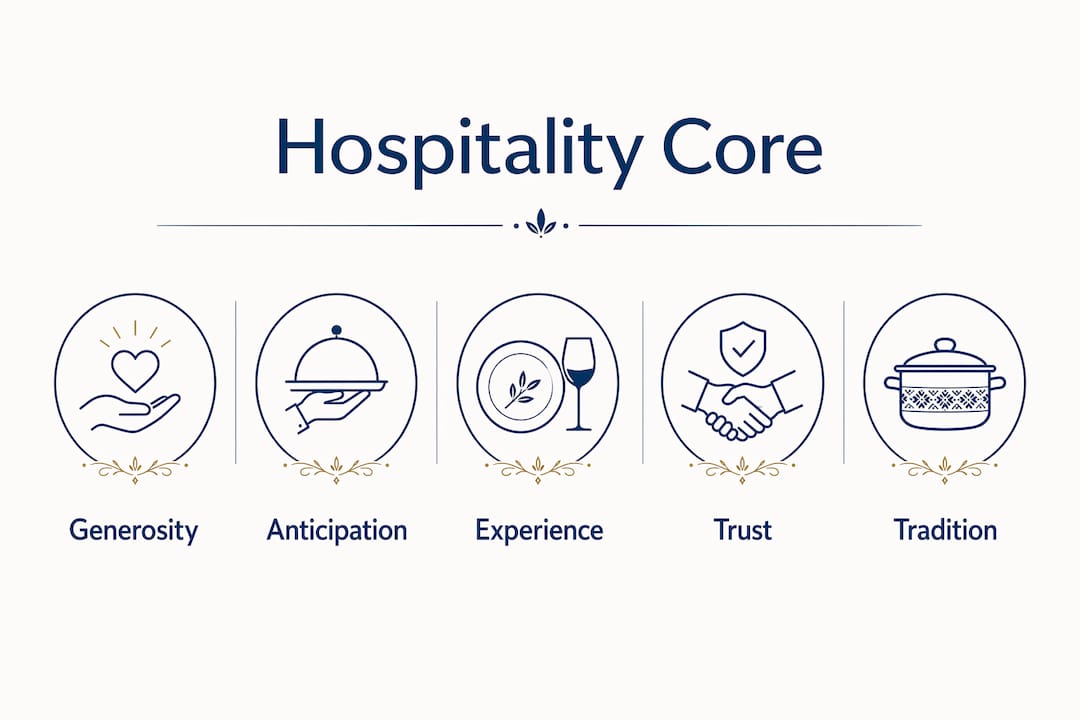
Mediterranean hospitality is built on a set of values that distinguish it sharply from standard commercial service. The characteristics of Mediterranean hospitality are not features you can copy with a training manual. They are expressions of a cultural worldview.
- Unconditional generosity. Hosts offer food and drink before asking who you are or why you have come. This sequence is deliberate. Care precedes interrogation.
- Personal memory and recognition. Boutique Mediterranean hospitality relies on local knowledge and personal memory of guests to elevate the experience beyond commerce into community belonging. Remembering a guest’s name, their preferred dish, or a detail from a previous visit signals that they matter as a person.
- Honor and protection. Hospitality is a demonstration of the host’s integrity. Guests are safe not because of a security system but because the host’s reputation depends on their wellbeing.
- Human-scale intimacy. Philoxenia philosophy treats guests as honored community members, personalizing service while maintaining a village-scale experience. Large, anonymous spaces work against this principle.
- Unhurried time. Meals are long. Conversations are encouraged. The guest is never made to feel like a transaction to be processed.
Pro Tip: When hosting in the Mediterranean tradition, anticipate needs before they are voiced. Refill a glass before it empties. Offer a second plate before the first is finished. This anticipation signals attentiveness and communicates that the guest’s comfort is your priority.
The shift toward experiential luxury in 2026 has reinforced these values rather than replaced them. High-end travelers now prioritize access to local producers and historical traditions over standard amenities, which means the most competitive hospitality experiences are the ones that feel most genuinely Mediterranean.
How does Mediterranean hospitality shape the dining experience?
The dining table is where Mediterranean hospitality becomes most visible. A meal is not just food. It is a social ritual that enacts the values of generosity, community, and care in real time.
Several elements define this dining culture:
- Communal sharing. Dishes arrive at the center of the table, not on individual plates. This format forces interaction and signals abundance.
- Local gastronomy as cultural identity. The ingredients on the table tell a story about the land, the season, and the people who grew them. Mediterranean menus carry this cultural weight in every dish.
- Atmosphere as hospitality. The physical space, its light, its noise level, its design, communicates whether guests are welcome to stay or expected to leave. Mediterranean restaurant atmosphere is designed to encourage lingering, not turnover.
- Service style. Servers in this tradition act as hosts, not order-takers. They make recommendations, share stories about dishes, and check in without hovering.
| Dining element | What it communicates |
|---|---|
| Communal dishes | Abundance and trust |
| Long meal duration | The guest’s time is valued |
| Local ingredients | Rootedness and authenticity |
| Personalized service | The guest is known, not anonymous |
| Terrace or outdoor seating | Connection to place and landscape |
Technology now supports this experience without replacing it. AI in Mediterranean hospitality facilitates smoother guest experiences while emphasizing the warmth and human connection that define the tradition. A reservation system that remembers your dietary preferences is useful. But it only works if a human host follows through with genuine care.
How is Mediterranean hospitality evolving in 2026?
The core values of Mediterranean hospitality have not changed. What has changed is how they are expressed in a market where travelers are more informed, more demanding, and more skeptical of manufactured warmth.
Mediterranean hospitality in 2026 is increasingly characterized by experiential luxury, genuine sustainability, and deep cultural immersion. High-net-worth travelers seek the personality and imperfection of real places over standardized luxury. That shift plays directly to Mediterranean hospitality’s strengths.
Key trends shaping the experience right now include:
- Access to local producers. Guests want to meet the farmer, visit the market, and understand where their food comes from. Hospitality that provides this access feels authentic in a way that a five-star buffet cannot.
- Sustainability as a value, not a marketing claim. Reducing waste, sourcing locally, and supporting community economies align naturally with the reciprocal ethics of traditional Mediterranean hospitality.
- Authenticity as the primary luxury. Travelers seek a sense that they are exactly where they should be, with landscape, history, and gastronomy fusing into a coherent experience. This authenticity drives guest satisfaction and brand loyalty more than any amenity.
- Technology in service of human warmth. Personalization tools help hosts remember preferences and anticipate needs, but the emotional core of the experience remains human.
The restaurants and venues winning in this environment are not the ones with the most impressive interiors. They are the ones where guests feel genuinely welcomed, fed well, and reluctant to leave.
What are the most common misconceptions about Mediterranean hospitality?
The biggest misconception is that Mediterranean hospitality is a commercial product you can purchase. It is not. Hospitality is a stratified culture rooted in ancient moral pacts, distinct from logistical or purely commercial service models. A hotel can have excellent service and zero hospitality in the Mediterranean sense. The difference is whether the host’s motivation is profit or honor.
A second misconception is that hospitality applies only to paying guests. In the Mediterranean tradition, the obligation extends to any stranger who arrives at your door. The xenia tradition made no distinction between a wealthy traveler and a wandering beggar. Both received food and shelter before questions were asked.
A third misconception is that this tradition is fading. The evidence points the other way. The 2026 luxury travel market is moving toward exactly the values that Mediterranean hospitality has always embodied: authenticity, personal connection, and meaningful experience over material display.
Pro Tip: If you want to experience Mediterranean hospitality at its most genuine, avoid peak tourist hours and seek out family-run venues. The closer a place is to its community roots, the more likely it is to express the real tradition rather than a performance of it.
Mediterranean hospitality is also not uniform. Greek philoxenia, Albanian besa, Cypriot filoxenia, and Arabian karam each carry distinct rules and expressions. What they share is the underlying conviction that welcoming a guest is a moral act, not a transaction.
Key Takeaways
Mediterranean hospitality is a moral and cultural practice rooted in ancient traditions like xenia and besa, defined by unconditional generosity, personal recognition, and the treatment of guests as honored community members.
| Point | Details |
|---|---|
| Ancient moral roots | Xenia and besa treat hospitality as a sacred duty, not a commercial service. |
| Unconditional generosity | Hosts offer food and care before asking who the guest is or why they have come. |
| Personal recognition | Remembering names and preferences transforms a visit into a genuine human connection. |
| Authenticity drives value | In 2026, travelers prioritize cultural immersion and local access over standard amenities. |
| Dining as social ritual | Long communal meals, local ingredients, and attentive service enact hospitality values in practice. |
Why Mediterranean hospitality still matters more than people realize
Most travel writing treats hospitality as a feature of a destination, something a place either has or lacks. That framing misses the point entirely. Mediterranean hospitality is not a feature. It is a philosophy about what human beings owe each other when one of them is far from home.
What strikes me most about this tradition is its moral seriousness. The ancient Greek host who fed a stranger before asking his name was not being naive. He was making a statement about his own character. The Albanian host who invokes besa is not offering a service. He is staking his reputation on your safety. That level of commitment is rare in any culture, and it is worth understanding precisely because it is rare.
The practical implication for travelers is straightforward. When you find a place that operates from this tradition, whether it is a family-run taverna in Thessaloniki, a terrace restaurant near the Sagrada Familia, or a small guesthouse in Cyprus, you are not just eating well. You are participating in one of the oldest social contracts in human history.
The risk in 2026 is not that Mediterranean hospitality will disappear. The risk is that it will be imitated without being understood. A warm smile and a complimentary bread basket are not hospitality in this tradition. They are theater. The real thing requires a host who genuinely believes that your comfort reflects on their honor. That belief cannot be trained into someone in a weekend workshop.
— YellowRock
Mediterranean hospitality at Kokcha, Barcelona
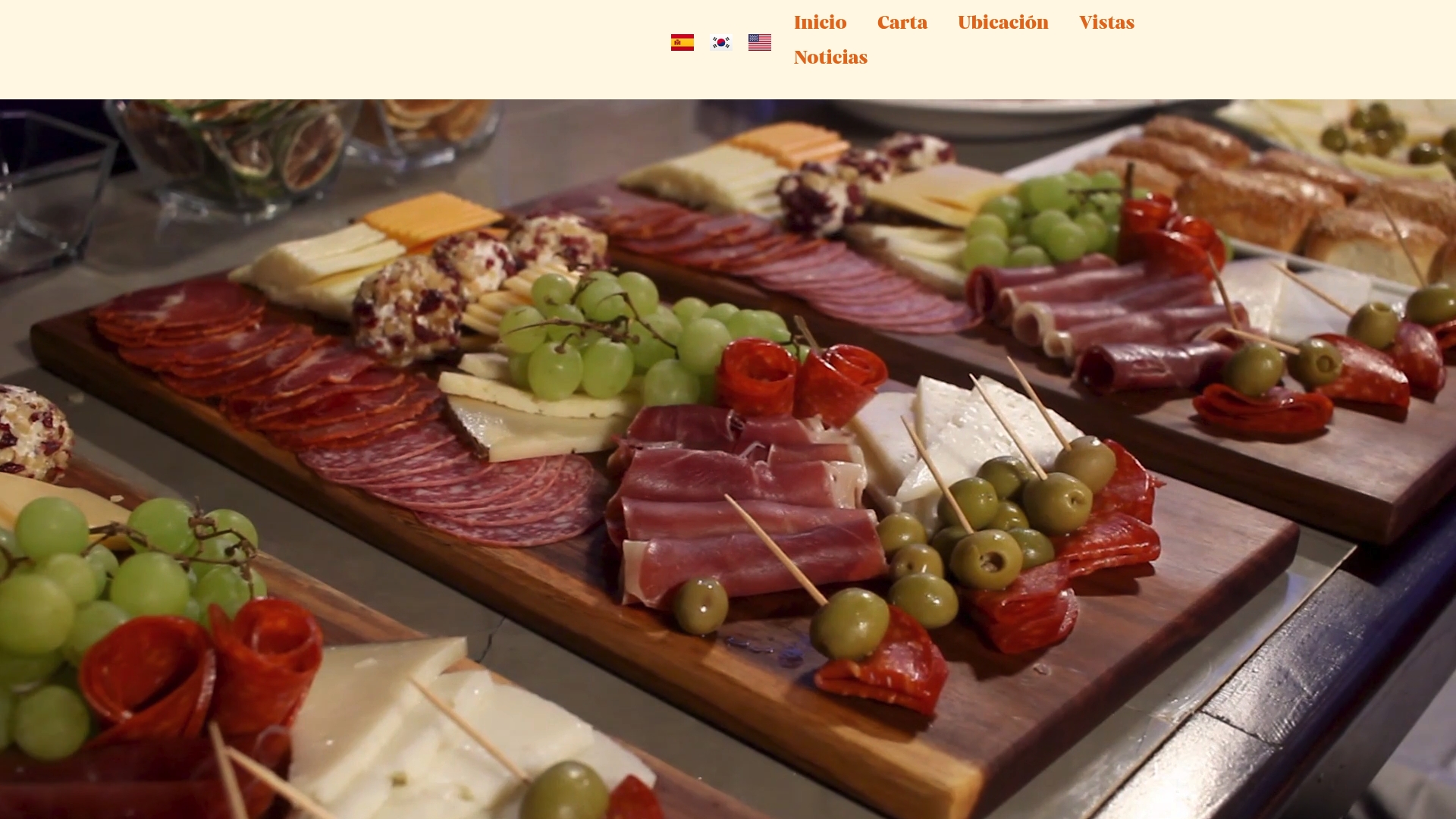
Kokcha brings the key elements of Mediterranean hospitality to life in Barcelona, steps from the Sagrada Familia. The menu draws on the same values that define the tradition: local ingredients, communal dishes, and a service style that treats every guest as a welcome member of the table. The terrace offers views that connect the meal to the city and the culture around it. Whether you are looking for a gastronomic experience that unites cultures or a table for a special occasion, Kokcha delivers the warmth and authenticity that Mediterranean hospitality has always promised. Explore the 2026 Mediterranean dining trends shaping the experience this year.
FAQ
What defines Mediterranean hospitality in simple terms?
Mediterranean hospitality is the cultural practice of welcoming guests with unconditional generosity, personal care, and a sense of honor rooted in ancient traditions like Greek xenia and Albanian besa. It treats the guest-host relationship as a moral obligation, not a commercial transaction.
What is philoxenia and how does it relate to hospitality?
Philoxenia is the Greek philosophy of hospitality that emphasizes the guest’s vulnerability and the host’s duty to respond with generosity and personalized care. It is the direct ancestor of modern Mediterranean hospitality traditions across Greece, Cyprus, and beyond.
How do hospitality traditions in the Mediterranean differ by region?
Greek philoxenia, Albanian besa, and Cypriot filoxenia each carry distinct rules, but all share the conviction that welcoming a stranger is a moral act. Albanian besa, for example, imposes an absolute duty of protection, while Cypriot filoxenia centers on providing food and coffee as a near-universal social expectation.
How can you experience authentic Mediterranean hospitality today?
Seek out family-run venues, local markets, and restaurants that source ingredients from regional producers. Authentic Mediterranean hospitality shows up most clearly in places connected to their communities, where the host’s motivation is genuine welcome rather than commercial performance.
Why is Mediterranean hospitality relevant to dining in 2026?
High-end travelers in 2026 prioritize cultural immersion, local access, and authentic human connection over standard luxury amenities. Mediterranean hospitality’s core values align directly with these expectations, making it one of the most relevant models for meaningful dining and travel experiences today.