The top Mediterranean salads are defined by fresh vegetables, quality extra-virgin olive oil, bold herbs, and a balanced acid dressing that makes every bite bright and satisfying. These salads draw from a culinary tradition spanning Greece, Lebanon, Italy, and Spain, delivering dishes that are as nutritious as they are flavorful. Mediterranean salads associate with reduced heart disease and type 2 diabetes risk, thanks to their fiber, monounsaturated fats, and antioxidants. Most recipes require only 15–20 minutes of prep with zero cooking, making them practical for weeknights and entertaining alike.
What makes a great mediterranean salad
A great Mediterranean salad starts with three non-negotiables: fresh seasonal produce, high-quality fat, and a double-acid dressing. Get those right, and everything else falls into place.
Core ingredients
The foundation is always fresh, seasonal vegetables. Ripe tomatoes, crisp cucumbers, and sweet bell peppers carry the bulk of the flavor. Briny Kalamata olives and creamy feta cheese add salt and richness. Fresh herbs like oregano, flat-leaf parsley, and mint lift the whole dish.
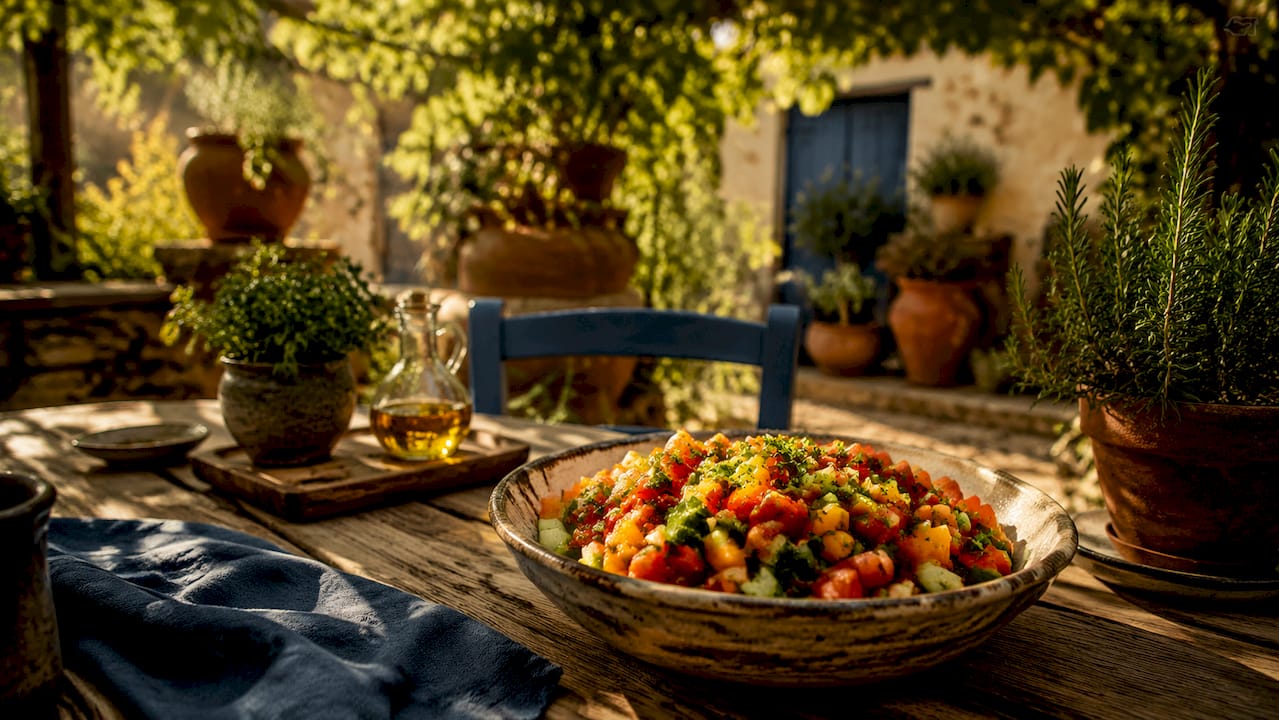
High-quality, peppery extra-virgin olive oil is the flavor carrier. It binds the dressing, coats every ingredient, and delivers the fat that makes the salad satisfying. Do not substitute with a light or blended oil. The difference in taste is immediate.
Dressing essentials
The double-acid dressing approach combines fresh lemon juice and red wine vinegar. Lemon juice adds brightness; red wine vinegar adds depth. Together, they create a dressing that is sharp without being harsh.
Greek salad vs. mediterranean salad
These two are related but not identical. The traditional Greek salad, called Horiatiki, excludes lettuce entirely and is served in large, chunky pieces. Mediterranean salads often include chopped greens and a wider range of vegetables, reflecting an American interpretation of the original. Knowing the difference helps you choose the right style for your table.
- Use ripe, in-season tomatoes for maximum sweetness
- Choose Kalamata olives over canned black olives for authentic flavor
- Add crumbled feta rather than shredded for better texture
- Include at least one fresh herb, preferably oregano or parsley
- Soak raw red onion slices in cold water for 5–10 minutes before adding to mellow their sharpness
Pro Tip: Dress your salad no more than five minutes before serving. The salt in the dressing draws moisture from the tomatoes and cucumbers quickly, turning a crisp salad into a soggy one.
10 top mediterranean salads to try at home
1. mediterranean cucumber tomato feta salad
This is the most approachable entry point into Mediterranean salad recipes. Diced cucumber, halved cherry tomatoes, red onion, Kalamata olives, and crumbled feta come together in under 15 minutes. The dressing is a simple mix of olive oil, lemon juice, and dried oregano. The texture is crisp, the flavor is salty and bright, and it pairs with almost anything.
2. classic greek salad (horiatiki)
The Horiatiki is the original. It uses large chunks of tomato, cucumber, green pepper, and red onion, topped with a thick slab of feta and a handful of olives. No lettuce, no chopped greens. A drizzle of olive oil and a pinch of dried oregano finish it. This salad rewards ingredient quality more than any other on this list. Use the best tomatoes you can find.
3. mediterranean chickpea salad
Chickpeas make this salad a complete meal. Canned chickpeas, diced cucumber, cherry tomatoes, roasted red peppers, parsley, and a lemon-cumin dressing create a salad that is filling, vegan, and naturally gluten-free. The chickpeas absorb the dressing beautifully after a short rest, so this one actually improves if you make it 30 minutes ahead.
4. fattoush salad
Fattoush is a Lebanese bread salad built on toasted or fried pita chips, romaine lettuce, radishes, tomatoes, cucumber, and fresh mint. The defining flavor comes from sumac, a tart, brick-red spice that adds a citrusy punch unlike anything else in the Mediterranean pantry. Fattoush is best assembled right before eating. The pita chips lose their crunch fast once dressed.
5. mediterranean farro salad with pomegranate and pistachios
Farro is an ancient Italian grain with a nutty flavor and chewy texture. Cooked farro tossed with pomegranate seeds, toasted pistachios, arugula, crumbled feta, and a honey-lemon dressing creates a salad with serious visual impact and complex flavor. This one works as a main dish. The grain and nuts provide enough protein and fat to stand alone as lunch.
6. panzanella: tuscan tomato and bread salad
Panzanella is Italy’s answer to using day-old bread. Torn chunks of stale ciabatta or sourdough soak up a dressing of olive oil, red wine vinegar, and tomato juices. Add ripe tomatoes, fresh basil, red onion, and capers. The bread softens just enough to absorb flavor while keeping some structure. This salad is proof that great Mediterranean cooking wastes nothing.
7. arugula, fig, and prosciutto salad
This combination sounds simple and tastes extraordinary. Peppery arugula, sweet fresh or dried figs, thin slices of prosciutto, shaved Parmesan, and toasted walnuts get dressed with a balsamic glaze and olive oil. The balance of bitter, sweet, salty, and rich is hard to beat. It works as a starter at a dinner party or a quick lunch at home.
8. mediterranean couscous salad
Couscous cooks in five minutes with boiling water, making this one of the fastest grain-based salads you can make. Toss cooled couscous with diced cucumber, cherry tomatoes, chickpeas, fresh mint, parsley, and a lemon-olive oil dressing. Add crumbled feta on top. The texture is light and fluffy, and the salad holds well in the refrigerator for up to two days.
9. orange salad with olives and pine nuts
This Sicilian-inspired salad is the most surprising on the list. Thin slices of navel orange, Castelvetrano olives, toasted pine nuts, red onion, and fresh mint get dressed with olive oil and a pinch of red pepper flakes. The combination of sweet citrus and briny olives sounds unusual but works completely. It is a palate-cleanser and a conversation starter in equal measure.
10. mediterranean veggie salad with roasted peppers
Roasting bell peppers transforms them from raw and sharp to sweet and silky. Combine roasted red and yellow peppers with artichoke hearts, sun-dried tomatoes, Kalamata olives, and fresh basil. Dress with olive oil and a splash of red wine vinegar. This salad is rich enough to serve as a side to grilled fish or chicken, and it keeps well in the refrigerator for three days.
Comparing these salads: nutrition, prep, and versatility
Choosing the right salad depends on your goal. Some of these are light sides; others are full meals. This table gives you a clear comparison.
| Salad | Approx. Prep Time | Vegan | Gluten-Free | Best Use |
|---|---|---|---|---|
| Cucumber Tomato Feta | 15 minutes | No | Yes | Side dish |
| Classic Greek (Horiatiki) | 10 minutes | No | Yes | Side or starter |
| Chickpea Salad | 15 minutes | Yes | Yes | Main dish |
| Fattoush | 20 minutes | Yes | No (pita) | Side or starter |
| Farro with Pomegranate | 30 minutes | No | No | Main dish |
| Panzanella | 20 minutes | Yes | No (bread) | Side or main |
| Arugula, Fig, Prosciutto | 10 minutes | No | Yes | Starter or main |
| Couscous Salad | 20 minutes | Yes | No (couscous) | Side or main |
| Orange, Olive, Pine Nut | 10 minutes | Yes | Yes | Starter or side |
| Mediterranean Veggie | 25 minutes | Yes | Yes | Side dish |
For batch prep, the chickpea and couscous salads are your best options. Both improve with time in the refrigerator as the dressing soaks in. Keep dressing and crunchy elements separate if you are preparing any salad more than a few hours in advance. This applies especially to Fattoush and Panzanella, where texture is central to the experience.
Pro Tip: Add a handful of toasted pine nuts or pumpkin seeds to any salad just before serving. They add crunch and healthy fat without changing the flavor profile.
How to customize and elevate your mediterranean salads
Mediterranean salads are versatile. A simple side salad becomes a complete dinner with the right additions. Here is how to make these recipes work harder for you.
- Add protein: Grilled chicken thighs, seared salmon, pan-fried halloumi, or a soft-boiled egg all work well across most of these salads. Chickpeas and white beans are the best plant-based options.
- Experiment with spices: Sumac adds a citrusy tartness to any salad. Za’atar brings an herby, nutty note. A pinch of smoked paprika works well in grain-based salads.
- Use toasted nuts and seeds: Toasted walnuts, pine nuts, and sesame seeds add texture and richness. Toast them in a dry pan for two minutes until fragrant.
- Swap the greens: Arugula, watercress, and butter lettuce each bring a different character. Arugula adds pepper; watercress adds a slight bitterness; butter lettuce adds softness.
- Rest the salad: Gently fold with tongs rather than stirring and let the salad rest 10–15 minutes before serving. This allows the dressing to coat every ingredient and the flavors to meld properly.
For a deeper look at what sets Mediterranean menus apart from other cuisines, the principles of fat-to-acid balance and ingredient quality apply across every dish, not just salads.
Key takeaways
The best Mediterranean salads succeed because of ingredient quality, a balanced fat-to-acid dressing, and smart assembly timing.
| Point | Details |
|---|---|
| Ingredient quality matters most | Use ripe tomatoes, Kalamata olives, and peppery extra-virgin olive oil for the best flavor. |
| Double-acid dressing is the standard | Combine fresh lemon juice and red wine vinegar for brightness and depth in every dressing. |
| Assembly timing is critical | Dress salads just before serving and keep crunchy elements separate when prepping ahead. |
| Protein turns sides into mains | Add grilled chicken, salmon, halloumi, or chickpeas to make any salad a complete meal. |
| Resting improves flavor | Let dressed salads rest 10–15 minutes before serving to allow flavors to fully develop. |
Why these salads never go out of style
I have eaten my way through a lot of Mediterranean food, from street markets in Barcelona to home kitchens in Greece, and one thing is consistently true: the salads that stay with you are never the complicated ones. They are the ones made with three or four perfect ingredients and a dressing that someone clearly cared about.
The mistake most home cooks make is treating the dressing as an afterthought. A great olive oil and a proper acid ratio are not optional details. They are the whole point. I have had Greek salads that tasted like cardboard because the olive oil was cheap, and I have had simple cucumber and tomato salads that were genuinely memorable because the oil was exceptional.
The other thing I keep coming back to is how well these salads fit into real life. You do not need a recipe card in front of you. Once you understand the structure, which is fresh vegetables, quality fat, bright acid, and a salty element, you can build a great salad from whatever is in your refrigerator. That kind of flexibility is rare in cooking, and it is one of the main reasons Mediterranean food has lasted as long as it has.
If you want to explore Mediterranean cuisine more deeply, start with the salads. They teach you the flavor logic of the entire tradition in one bowl.
— YellowRock
Experience mediterranean flavors at Kokcha in barcelona
Kokcha is a Mediterranean restaurant in Barcelona, steps from the Sagrada Familia, where the kitchen takes these salad traditions seriously. The menu reflects the same principles covered in this article: fresh ingredients, quality olive oil, and bold, balanced flavors drawn from across the Mediterranean.
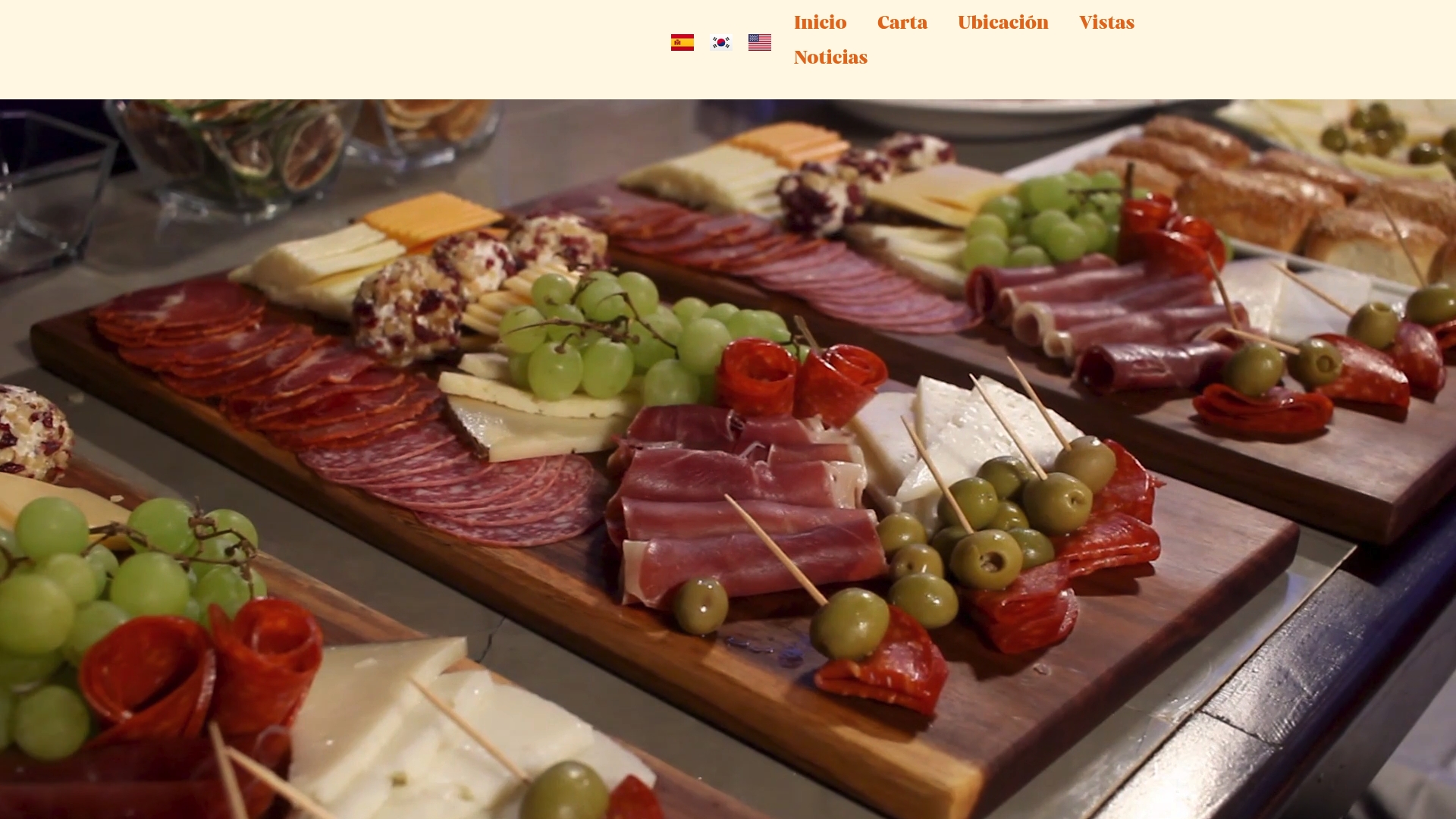
If you want to see where Mediterranean gastronomy is heading, Kokcha tracks the top Mediterranean food trends for 2026 and brings those ideas to the table in a setting that feels both contemporary and authentic. Whether you are a visitor near the Sagrada Familia or a Barcelona local looking for a reliable Mediterranean kitchen, Kokcha is worth your time. Explore the menu, book a table on the terrace, and taste what these salads look like in the hands of a kitchen that genuinely cares about the tradition.
FAQ
What is in a mediterranean salad?
A Mediterranean salad typically contains fresh tomatoes, cucumbers, bell peppers, red onion, Kalamata olives, feta cheese, and a dressing of extra-virgin olive oil, lemon juice, and red wine vinegar. Fresh herbs like oregano and parsley are standard additions.
How is a greek salad different from a mediterranean salad?
Traditional Greek salad, called Horiatiki, excludes lettuce and is served in large chunks, while Mediterranean salads often include chopped greens and a wider mix of vegetables. The Mediterranean version is largely an American interpretation of the Greek original.
Are mediterranean salads healthy?
Mediterranean salads are linked to reduced risk of heart disease and type 2 diabetes. They deliver vitamins A, C, and K, along with polyphenols, omega-3 fatty acids, and fiber from vegetables, legumes, and quality olive oil.
How long does it take to make a mediterranean salad?
Most Mediterranean salad recipes require 15–20 minutes of prep with no cooking needed, making them one of the fastest complete dishes you can put on the table.
Can mediterranean salads work as a main dish?
Mediterranean salads work as full meals when you add protein. Grilled chicken, seared salmon, halloumi, or chickpeas all turn a side salad into a satisfying main course suitable for vegan and gluten-free diets.