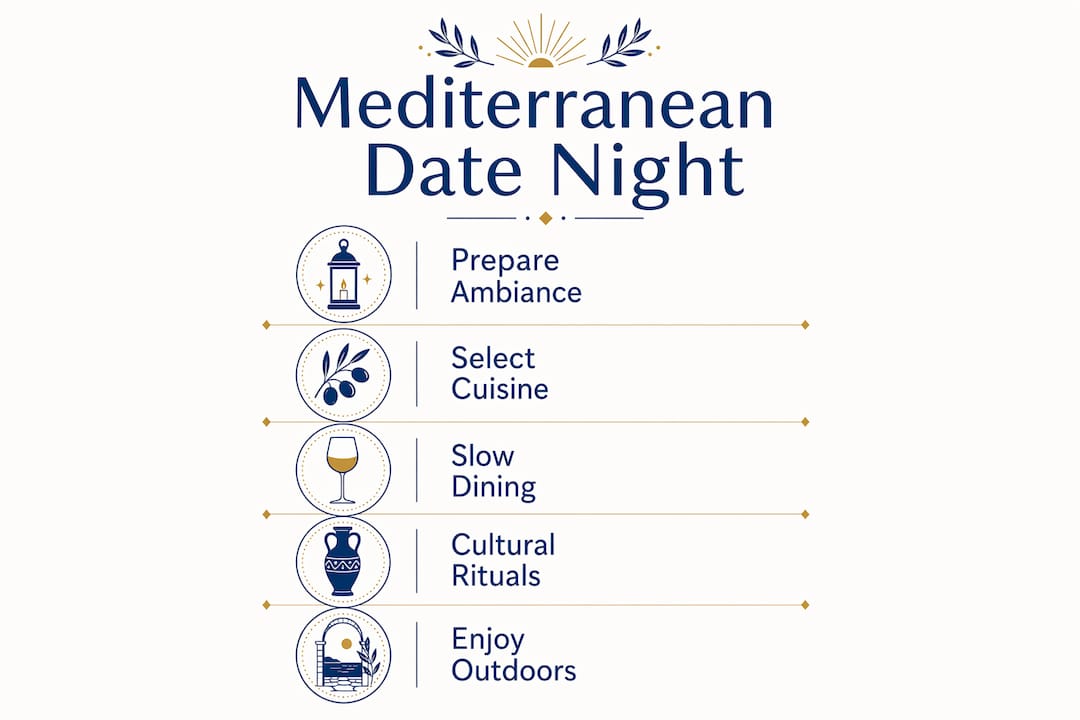
A Mediterranean date night is a carefully crafted experience that blends wholesome cuisine, warm ambiance, and cultural rituals to create lasting romantic memories. This guide gives couples everything they need to plan one well, from setting the right mood at home to choosing the right restaurant terrace. The Mediterranean approach to romance is not just about what you eat. It is about how you eat, how long you linger, and how present you stay with each other. The PREDIMED study found that following a Mediterranean lifestyle reduces the risk of major cardiovascular events by 30%. That kind of wellbeing is the foundation of a truly enjoyable evening together.
What are the essential elements of a Mediterranean date night?
The Mediterranean date night draws from a cultural philosophy, not just a cuisine. Slow dining and mindful connection are its defining features, not speed or spectacle. Couples who understand this distinction get far more out of the experience than those who simply order hummus and call it done.
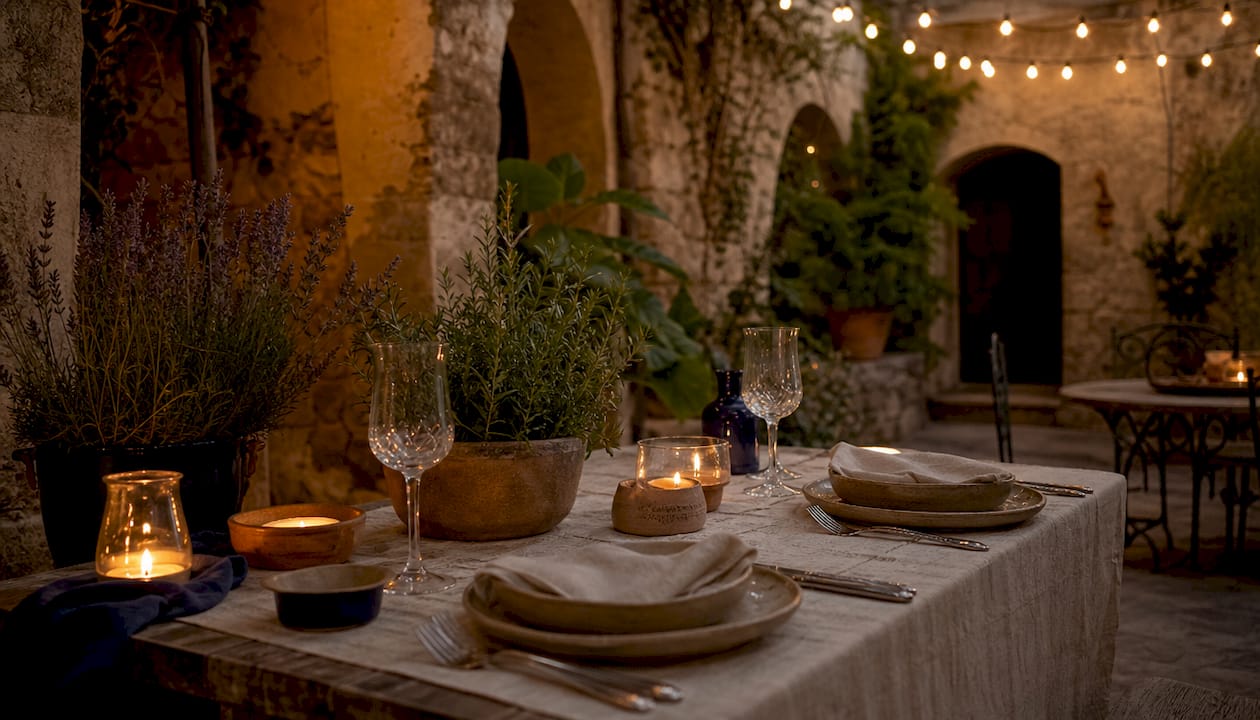
The setting matters as much as the food. Authentic Mediterranean ambiance centers on warmth, texture, and ease. Think terracotta tones, linen napkins, and the flicker of candlelight rather than bright overhead bulbs. Soft lighting with candles and lanterns is the most effective and affordable way to shift the mood of any space. That single change does more for romance than any elaborate centerpiece.
Building the right atmosphere at home
Getting the ambiance right requires attention to a few specific details:
- Lighting: Replace overhead lights with candles, string lights, or lanterns. Warm tones below 3,000 Kelvin create the most inviting glow.
- Textiles: Layer a linen tablecloth with cloth napkins. Add a small olive branch or fresh herb sprig as a centerpiece.
- Music: Choose instrumental Mediterranean or flamenco guitar playlists. Keep the volume low enough for easy conversation.
- Table layout: Set dishes in the center for sharing rather than plating individually. Shared plates naturally draw couples closer.
- Digital detox: Leave phones face down or in another room. Slow living principles prioritize conversation over screens as a core Mediterranean value.
Pro Tip: Light your candles 20 minutes before sitting down. The scent and glow settle into the room and signal to both of you that the evening has officially begun.
How to plan authentic Mediterranean date night cuisine
The best Mediterranean cuisine for dates is plant-forward, seasonal, and built for sharing. Mediterranean diet focuses on legumes, nuts, and quality olive oil rather than the pasta-and-wine shorthand most people assume. That distinction matters when you are planning a menu, because the real flavors are brighter, lighter, and far more interesting.
A well-planned Mediterranean date night menu follows a natural rhythm:
- Start with mezze or tapas. Small shared plates like roasted peppers, marinated olives, hummus, and grilled halloumi set a relaxed, exploratory tone. Tapas-style plates for couples work especially well because they invite conversation between bites.
- Build toward a centerpiece dish. Paella is the most iconic choice. A seafood or vegetable version showcases saffron, fresh produce, and quality olive oil in one pan. Couples who want something heartier can go with a meat-based version.
- Add a simple salad. A Greek-style salad with tomatoes, cucumber, olives, and feta keeps the meal fresh and light between courses.
- Close with something small and sweet. Fresh fruit with honey and walnuts, or a small portion of panna cotta, ends the meal without heaviness.
Pro Tip: Buy the best olive oil you can afford for this meal. Drizzle it over everything from the bread to the salad. Quality olive oil is the single ingredient that most separates a memorable Mediterranean meal from an ordinary one.
The table below shows how to think about dish selection based on your goals for the evening:
| Goal | Best dish type | Why it works |
|---|---|---|
| Easy conversation | Mezze and tapas plates | Small bites create natural pauses for talking |
| Impressive centerpiece | Paella (seafood or vegetable) | Visually striking, aromatic, and meant to share |
| Light and healthy | Grilled fish with herbs | Plant-forward, protein-rich, and quick to prepare |
| Indulgent treat | Seafood ink rice | Bold flavor, dramatic color, and deeply satisfying |
For couples who want to explore authentic Mediterranean flavor profiles before planning their menu, a deeper look at the core ingredients makes the whole process easier.
What cultural rituals enhance a Mediterranean date night?
Mediterranean romance lives in the rituals, not just the recipes. The meal itself is only one part of the evening. What happens before, during, and after the table is what separates a good dinner from a genuinely memorable date.
The most important ritual is the pace of eating. Slow eating and sharing as a social ritual is a core Mediterranean value, not a dietary tip. Eating slowly gives couples time to actually taste the food, notice each other, and let the conversation develop naturally. Rushing through courses kills the mood faster than any wrong dish choice.
The post-dinner walk, known as the passeggiata in Italian and the paseo in Spanish, is the ritual most couples overlook. A 10–15 minute post-meal walk stabilizes blood sugar and extends the shared experience beyond the table. It transforms the end of dinner into a beginning rather than a conclusion.
“The passeggiata is not exercise. It is the continuation of the meal by other means. It is where the real conversation happens, where the evening breathes, and where couples remember why they chose each other tonight.”
Key rituals to build into your Mediterranean date night:
- No phones at the table. This is non-negotiable in traditional Mediterranean dining culture.
- Pour drinks slowly and refill often. The act of attending to each other’s glass is a small, repeated gesture of care.
- Take the post-dinner walk. Even 10 minutes around the block counts. The social fabric of a Mediterranean meal depends on this transition.
- Linger over dessert. Do not rush to clear the table. Sit with your coffee or tea and let the evening wind down naturally.
Where can couples experience outdoor Mediterranean dining?
Outdoor dining is not just a preference in Mediterranean culture. It is a defining feature of how people eat, connect, and celebrate. Terrace dining carries deep cultural significance in the Mediterranean world, offering a natural setting that indoor spaces simply cannot replicate.
When choosing a restaurant for a romantic Mediterranean date, look for these qualities:
- A genuine terrace or outdoor space. Not a sidewalk table next to traffic, but a sheltered terrace with plants, soft lighting, and enough space between tables for private conversation.
- A menu built around seasonal ingredients. Restaurants that change their offerings with the seasons signal a real commitment to Mediterranean cooking principles.
- Shared plate options. A menu that encourages mezze, tapas, or family-style sharing reflects authentic Mediterranean dining culture.
- Unhurried service. Good Mediterranean restaurants do not rush you. The table is yours for the evening.
For beverage pairings, a light white wine or a Mediterranean-style gin with tonic and fresh herbs complements the flavors without overpowering them. The goal is a drink that refreshes rather than dominates.
Couples dining out can also bring elements from home into the experience. Arrive without a time constraint. Order slowly. Ask the server what is freshest. These small choices shift any restaurant meal toward the Mediterranean rhythm that makes the evening feel special. For a deeper look at what makes these spaces work, Mediterranean restaurant atmosphere comes down to a few consistent design and service principles that the best venues share.
Key Takeaways
A memorable Mediterranean date night combines plant-forward cuisine, warm ambiance, and slow cultural rituals to create genuine romantic connection.
| Point | Details |
|---|---|
| Ambiance over decoration | Candles and lanterns create more authentic Mediterranean mood than elaborate décor. |
| Shared plates build intimacy | Mezze and tapas-style dishes naturally draw couples into conversation and closeness. |
| Slow dining is the ritual | Eating without rushing is a core Mediterranean value that deepens romantic connection. |
| The passeggiata extends the date | A 10–15 minute post-dinner walk prolongs shared time and aids digestion. |
| Quality ingredients matter most | Fresh olive oil and seasonal produce define Mediterranean flavor more than any single dish. |
Why the Mediterranean approach to romance actually works
Most date night advice focuses on the destination or the dish. The Mediterranean approach focuses on the pace. That is the real difference, and it took me a while to understand it fully.
The couples who get the most out of a Mediterranean-style evening are not the ones who cook the most elaborate meal or book the fanciest table. They are the ones who slow down enough to actually be present. Putting the phone away, refilling each other’s glass, taking that walk after dinner. These are not grand gestures. They are small, repeated acts of attention that add up to something meaningful.
The hardest part for most couples is resisting the urge to fill every silence. Mediterranean dining culture is comfortable with quiet. A pause between courses is not awkward. It is part of the rhythm. Learning to sit in that rhythm together is, I think, one of the most underrated relationship skills there is.
If you want to start somewhere practical, how to enjoy a Mediterranean dinner gives a grounded, step-by-step framework that works whether you are cooking at home or heading out for the evening.
— YellowRock
Kokcha’s Mediterranean table is ready for your next date night
Kokcha is a Mediterranean restaurant in Barcelona, steps from the Sagrada Familia, with a terrace that delivers exactly the kind of outdoor ambiance this guide describes. The menu is built around authentic shared plates, fresh seafood, and paella made with quality seasonal ingredients.
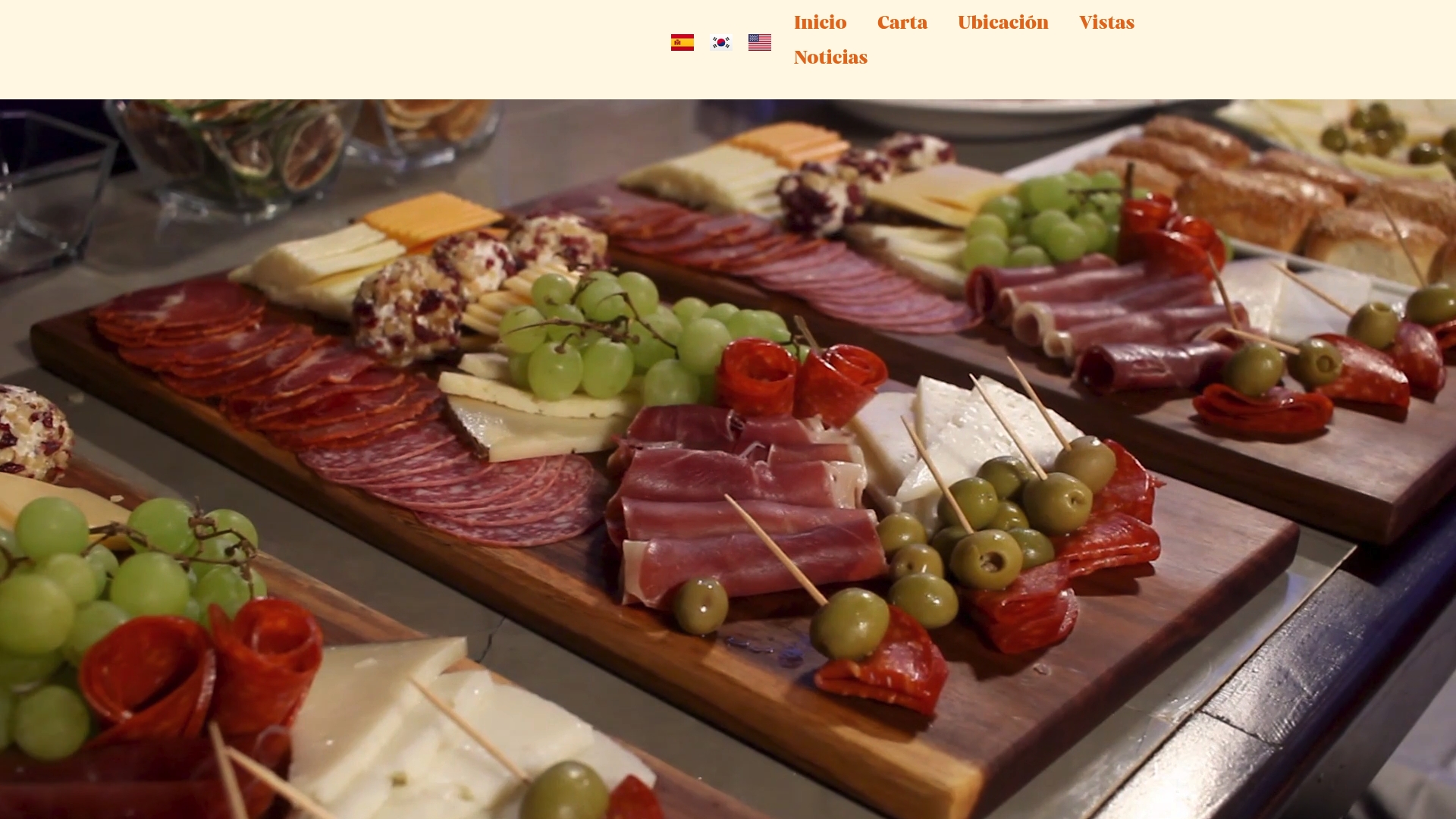
For a romantic centerpiece dish, Kokcha’s seafood paella brings saffron, fresh shellfish, and coastal Mediterranean flavor to the table in one dramatic pan. Couples who prefer something equally satisfying on land will find the meat paella just as memorable. The terrace setting, warm lighting, and unhurried service do the rest. Kokcha is the kind of place where a date night becomes a story you tell later.
FAQ
What makes a date night “Mediterranean”?
A Mediterranean date night combines plant-forward shared dishes, warm candlelit ambiance, and slow dining rituals like the post-dinner walk. The focus is on presence and connection, not just the food itself.
What are the best Mediterranean dishes for a romantic dinner?
Mezze plates, paella, grilled fish with herbs, and fresh salads are the best choices. Shared plates work especially well because they create natural moments for conversation and closeness.
How long should a Mediterranean date night last?
A well-paced Mediterranean dinner runs two to three hours at the table, followed by a short walk. Rushing through courses defeats the purpose of the slow dining culture that makes the experience romantic.
Do I need to cook to have a Mediterranean date night?
No. Choosing a restaurant with a genuine terrace, a seasonal menu, and shared plate options delivers the same experience. The key is selecting a venue that reflects Mediterranean dining values, not just Mediterranean recipes.
What beverages pair best with a Mediterranean date night menu?
Light white wines, dry rosés, and Mediterranean-style gin with tonic and fresh herbs complement the flavors without overpowering them. The goal is a drink that refreshes and extends the meal rather than dominating it.