Seafood tapas options are small plates featuring fresh Mediterranean seafood prepared with bold, traditional techniques that turn a simple meal into a shared culinary event. Known formally as mariscos en tapas in Spanish culinary tradition, these dishes range from sizzling prawns in garlic oil to grilled octopus with smoky char. The best versions rely on one non-negotiable factor: the quality of the catch. Dishes like gambas al pil-pil, fried calamari, and octopus meze have defined Mediterranean coastal dining for generations. Whether you are planning a dinner party or exploring Barcelona’s restaurant scene, knowing what to order and why makes every plate count.
1. top seafood tapas options worth ordering
The strongest seafood small plates on any Mediterranean menu share two qualities: fresh sourcing and a preparation style that amplifies the natural flavor of the seafood rather than masking it. Here are the dishes that consistently deliver on both counts.
- Gambas al pil-pil: Prawns cooked in hot olive oil with garlic and dried chili, served while the oil is still bubbling. The recipe typically calls for 450 g of prawns, 6 garlic cloves, 3 dried chilies, and 120 ml of olive oil with smoked paprika. Each prawn cooks for just 1–2 minutes per side. That speed is the point: overcooking kills the texture.
- Grilled octopus: Tender inside, charred outside. The best versions are slow-cooked first, then finished on a hot grill. The result is a smoky, slightly chewy bite that pairs well with a drizzle of lemon and olive oil.
- Fried calamari: Light, crispy, and fast. Good calamari should shatter at the bite, not feel rubbery. The batter should be thin enough that you taste the squid, not the coating.
- Shrimp saganaki: A Greek-influenced preparation where shrimp bake in a tomato sauce with feta cheese. The feta melts into the sauce and creates a briny, creamy finish that is unlike anything in the standard tapas rotation.
- Mussels a la marinera: Mussels steamed in a rich sauce of white wine, garlic, onion, and tomato. The sauce is the star. You will want bread.
- Fritura de pescado: A mixed fried seafood platter common in Andalusia and along the Mediterranean coast. Whitebait, squid rings, and small shrimp arrive together, lightly dusted in flour and fried to order.
- Tuna tartare: Raw diced tuna dressed with olive oil, capers, and citrus. It is the lightest option on most menus and the best starting point for a long tasting spread.
- Oysters and caviar: The upscale end of the seafood tapas menu. Venues like Oysters Menorca in Barcelona specialize in French, Irish, and Dutch oysters alongside seafood towers, with pricing in the €25–50 per person range.
Pro Tip: Order gambas al pil-pil last among your hot dishes. The oil stays hot for only a few minutes, and you want to eat it the moment it arrives at the table.
2. how freshness defines your seafood experience
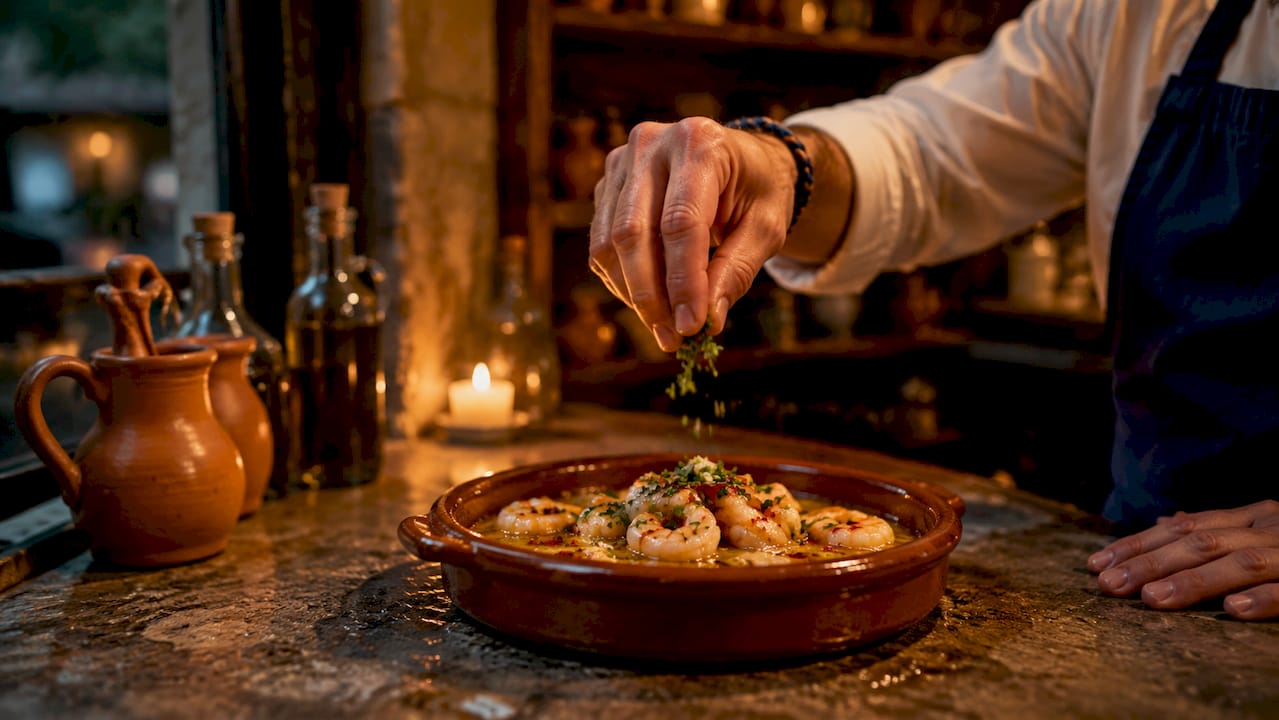
Fresh seafood tastes clean, bright, and slightly of the sea. Frozen or poorly handled seafood tastes flat and often carries a strong, unpleasant odor. The difference between the two is not subtle.
Greek fish taverns set a useful standard for the rest of the Mediterranean. Menus label seafood as fresh or defrosted, with terms indicating whether a fish was wild-caught or farmed. That level of transparency is a sign of a kitchen that respects its ingredients and its guests. When a menu does not specify, ask.
The sensory check is straightforward. Fresh seafood should smell faintly of seaweed or ocean air. A strong fishy odor signals age or poor handling. Fresh shellfish like mussels and oysters should be tightly closed before cooking. Any that are already open and do not close when tapped should be skipped.
Menus that highlight a daily catch or describe market-driven selections are a reliable signal of quality. Chef-driven seafood tapas rely on freshness more than fixed menus, which is why the best tapas bars in Barcelona change their offerings based on what arrived at the market that morning.
“Wild-caught Mediterranean fish, labeled and sourced transparently, is not just a quality preference. It is a food safety standard that the best restaurants treat as non-negotiable.”
3. the right order for a seafood tapas spread
Sequence matters more than most diners realize. Eating a sizzling hot dish before a cold one dulls your palate for the subtler flavors that follow. A well-paced spread builds from light and cold to rich and hot.
- Start cold. Tuna tartare, oysters, or a simple anchovy plate from a premium anchovy supplier set the tone without overwhelming your palate. These dishes are delicate and need to be tasted first.
- Move to room-temperature plates. Pan con tomate, marinated olives, or a simple seafood salad bridge the gap between cold starters and hot mains.
- Introduce warm dishes around the 30-minute mark. A tortilla or a light vegetable tapa works here. It gives the kitchen time to prepare the hot seafood dishes properly.
- Serve fried and sautéed seafood near the one-hour mark. Fried calamari and fritura de pescado belong here. They are best eaten immediately and should not sit on the table.
- Finish with the sizzling dishes. A full tapas spread of 5–7 dishes served over approximately 2 hours works best when gambas al ajillo or gambas al pil-pil arrive around the 90-minute mark. By then, your palate is ready for the intensity of garlic-infused hot oil.
Pro Tip: Always order extra bread with garlic-oil dishes. The infused olive oil in gambas al pil-pil carries as much flavor as the prawns themselves. Soaking it up with crusty bread is not optional. It is the point.
Plan for 2–3 plates per person for a light meal and 4–5 plates per person for a full spread. Ordering too many dishes at once collapses the sequence and leaves half the table eating cold food.
4. how barcelona’s best seafood tapas bars shape your choices
The venue shapes the experience as much as the menu does. Two Barcelona institutions define what a market-driven seafood tapas bar looks like in practice.
Cal Pep operates without a fixed menu. The kitchen selects its dishes based on what the market delivered that morning. The signature trifásico, a combination of fried whitebait, squid rings, and shrimp, is the closest thing to a permanent item. Average spend runs €50–60 per person before drinks. The counter seating and open kitchen create a pace that is fast and social. You do not linger at Cal Pep. You eat, you drink, and you pay attention to what arrives next.
Oysters Menorca takes the opposite approach. The menu is focused and refined, built around oysters from France, Ireland, and the Netherlands, plus caviar and seafood towers. Pricing sits in the €25–50 range per person. The atmosphere is quieter and more deliberate. It is the right choice when you want to slow down and focus on a single ingredient done exceptionally well.
| Venue | Specialty | Price Range | Atmosphere |
|---|---|---|---|
| Cal Pep | Trifásico, daily market catch | €50–60 per person | Lively counter bar |
| Oysters Menorca | Oysters, caviar, seafood towers | €25–50 per person | Refined, focused |
Both venues demonstrate the same principle: seasonality and chef creativity produce better seafood tapas than any fixed menu can. The best dishes you will eat at either place are the ones you did not expect to order.
5. anchovies and the underrated seafood tapas
Anchovies are the most overlooked item on the Mediterranean seafood tapas menu. Most diners associate them with pizza toppings or Caesar salad. That is a mistake. A properly cured anchovy, like those from Olasagasti, is a completely different product: firm, oily, intensely savory, and clean on the finish.
Served on toast with a thin slice of butter or alongside pickled peppers, anchovies function as a palate primer. They are salty enough to stimulate appetite and light enough not to fill you up. Restaurants that source quality anchovies signal something about their overall approach to ingredients. If the anchovies are good, the rest of the menu usually follows.
Boquerones en vinagre, the white anchovy marinated in vinegar and olive oil, is the milder cousin. It is brighter and more acidic, making it a better fit early in the tasting sequence. Both versions belong on any serious seafood tapas menu.
Key takeaways
The best seafood tapas experience depends on freshness, sequence, and knowing which dishes reward your full attention before the table gets crowded with plates.
| Point | Details |
|---|---|
| Freshness is non-negotiable | Check menus for sourcing labels and use sensory cues to assess quality before ordering. |
| Sequence shapes flavor | Start cold and light, finish with hot sizzling dishes like gambas al pil-pil around the 90-minute mark. |
| Bread is part of the dish | Garlic-oil based tapas like gambas al pil-pil require bread to fully experience the infused oil. |
| Venue choice matters | Market-driven bars like Cal Pep offer spontaneous variety; focused venues like Oysters Menorca deliver depth on a single ingredient. |
| Anchovies are underrated | Quality-cured anchovies signal a kitchen’s ingredient standards and work best early in the tasting order. |
What i’ve learned after years of ordering seafood tapas
Most people order seafood tapas the wrong way. They scan the menu for familiar names, pick three or four dishes at once, and eat everything in the order it arrives. That approach works fine. But it misses most of what makes a great seafood tapas spread worth remembering.
The detail that changed how I order: the oil in a sizzling dish is not a byproduct. It is the dish. Gambas al pil-pil is not really about the prawns. It is about the garlic and chili that have been blooming in hot olive oil for the past few minutes. The prawns are the vehicle. Once you understand that, you stop letting the oil go cold while you photograph the plate.
The other thing most articles will not tell you: skip the fried calamari at restaurants that are not primarily seafood-focused. Calamari is the easiest dish to make passably and the hardest to make exceptionally. A kitchen that does not specialize in seafood will give you rubbery rings every time. Save it for a place that has built its identity around the ocean.
The dishes worth seeking out that rarely appear on tourist-facing menus: razor clams grilled with garlic and parsley, sea urchin on toast, and salt cod fritters. These are the plates that authentic tapas in Barcelona regulars order without looking at the menu. They are not flashy. They are just very, very good.
Balance variety with pacing. Four well-chosen plates eaten in the right order beat eight plates eaten all at once. The goal is not volume. The goal is the moment when a dish arrives at exactly the right time and tastes exactly right.
— YellowRock
Taste the mediterranean at Kokcha in barcelona
Kokcha sits steps from the Sagrada Familia and serves a Mediterranean menu built around the same principles that define great seafood tapas: fresh sourcing, bold preparation, and dishes worth sharing. The kitchen works with seasonal ingredients and a menu that reflects what Mediterranean coastal cooking actually tastes like, not a tourist-facing approximation of it.
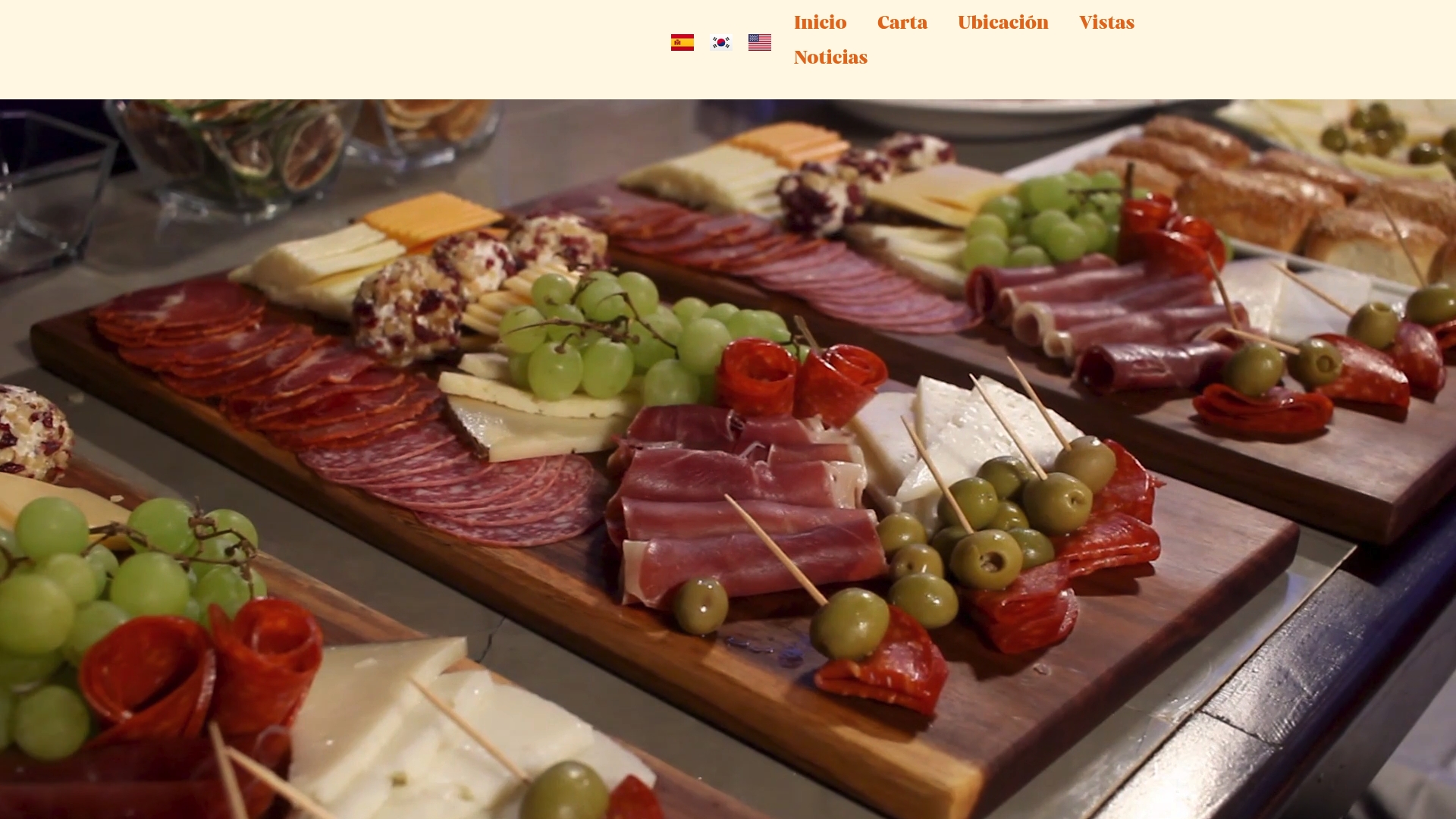
If you want to explore Mediterranean cuisine in Barcelona with a team that takes sourcing seriously, Kokcha is the right table. From seafood sharing platters to signature tapas and a terrace with views, the experience is designed for people who eat with intention. Check the 2026 Mediterranean dish highlights to see what is on the menu this season, and book your table before the evening fills up.
FAQ
What are seafood tapas options?
Seafood tapas options are small plates featuring fresh seafood prepared with Mediterranean techniques, including dishes like gambas al pil-pil, grilled octopus, fried calamari, and mussels a la marinera. They are designed for sharing and tasting across multiple plates in a single sitting.
How many seafood tapas should i order per person?
Plan for 2–3 plates per person for a light meal and 4–5 plates per person for a full spread. A well-paced tapas spread of 5–7 dishes over approximately 2 hours gives you enough variety without overwhelming the table.
How do i know if seafood tapas are fresh?
Fresh seafood should smell faintly of the sea, not strongly fishy. Look for menus that label sourcing as fresh versus frozen, and ask your server about the daily catch. Restaurants with market-driven menus are the most reliable indicator of quality.
What is the best seafood tapa to order first?
Start with cold, light dishes like tuna tartare, oysters, or marinated anchovies. These preserve your palate for the richer, hotter dishes that follow and set the right tone for the rest of the meal.
What makes gambas al pil-pil different from other prawn dishes?
Gambas al pil-pil is defined by its cooking method: prawns in sizzling oil with garlic and dried chili, served immediately while the oil is still bubbling. The garlic-chili infused oil is the core flavor of the dish, meant to be soaked up with crusty bread.