A complete local gastronomy checklist for Mediterranean restaurant service covers four operational pillars, and you can start implementing it today with three actions: print or digitize your opening and closing templates, assign a named signoff to every checklist line, and run a single pilot shift before full rollout. The four pillars are:
- HR & staff training — shift briefs, grooming checks, training logs
- Food safety & HACCP — daily temperature logs, allergen matrices, corrective-action records
- Facilities & maintenance — equipment, terrace, waste, pest control
- Service & front-of-house (FOH) — mise en place, course timing, guest feedback
Treat these not as separate documents but as one operational checklist system that runs every shift from open to close.
Table of Contents
- What does your HR and staff training checklist need to cover?
- How do you build a HACCP-compliant food safety checklist?
- Keeping your facilities and exterior inspection-ready
- What does a strong FOH pre-service checklist look like?
- How to structure your opening and closing checklists
- Building your Mediterranean menu prep and sourcing checklist
- Digital vs. physical checklists: which one fits your kitchen?
- Are your records ready for a Michelin or Sol Repsol inspection?
- Key Takeaways
- What Kokcha learned from building its own checklist system
- Kokcha’s checklist templates are ready for your kitchen
- Authoritative sources and references
What does your HR and staff training checklist need to cover?
A pre-service shift brief is the single most underused tool in Mediterranean restaurant operations. Run it before doors open, covering role assignments, station responsibilities, the day’s specials, and any allergen alerts for modified dishes.
Shift brief template items:
- Role and station assignment confirmed per cover count
- Specials of the day communicated with preparation notes
- Allergen alerts flagged for modified or seasonal dishes
- Uniform and grooming check completed (signoff by shift lead)
| Training Log Field | Example Entry |
|---|---|
| Staff name | Maria G. |
| Training topic | Allergen protocol — shellfish |
| Trainer | Head Chef |
| Date completed | March 14, 2026 |
| Signoff (staff) | MG |
| Signoff (manager) | JR |
| Next recurrent review | September 14, 2026 |
Shift handovers deserve their own one-page template. The outgoing team notes open issues, any equipment faults, and the next-day prep status. Version-control your templates with a footer indicating the current version so staff always know which template to use.

Pro Tip: Map your cover count to staffing levels weekly. A quick ratio check (covers per server, covers per kitchen station) prevents both over-staffing on slow nights and the service breakdown that happens when a Friday rush hits an under-resourced floor.
How do you build a HACCP-compliant food safety checklist?
EU Regulation 852/2004 requires food premises to maintain controlled temperatures and document them in a way inspectors can retrieve instantly. For Mediterranean menus heavy in seafood and cured products, that means daily logs at every critical control point.
| Log Type | Frequency | Target Range | Action if Out of Range |
|---|---|---|---|
| Refrigeration (fish, dairy) | Twice daily | 0°C–4°C | Remove product, log deviation, notify chef |
| Hot-holding (paella, sauces) | Every 2 hours | Above 63°C | Reheat or discard; log corrective action |
| Defrosting (frozen seafood) | Per batch | Below 5°C | Transfer to refrigerator; never at room temp |
| Delivery acceptance (fresh fish) | Per delivery | 0°C–4°C | Reject delivery; record supplier and lot number |
Seafood acceptance goes beyond temperature. Check for clear eyes, firm flesh, and absence of ammonia odor before signing off any delivery. Log the supplier name, delivery date, and lot number every time.
Allergen labeling is non-negotiable under EU rules. Maintain a written allergen matrix for every dish on your menu, update it whenever a recipe changes, and keep a corrective-action log for any deviation. Inspectors expect immutable compliance logs that cannot be retroactively edited, separate from your editable daily operational checklists.
Compliance note: This article provides general operational guidance, not legal advice. Verify current HACCP requirements with your local food safety authority or a qualified food safety consultant.
Keeping your facilities and exterior inspection-ready
CONHOSTUR’s hygiene guide recommends storing delivery notes, invoices, and product labels so any record can be located within minutes during an inspection. That principle extends to your equipment and maintenance records.
Daily equipment checks:
- Ovens and fryers: preheat confirmed, temperature calibrated, filters clean
- Refrigeration units: door seals intact, temperature logged
- Dishwasher: chemical levels checked, wash temperature verified
- Ventilation: filters accessible and free of grease buildup
| Maintenance Task | Frequency | Responsible | Last Completed |
|---|---|---|---|
| Fryer oil change | Weekly | Sous chef | — |
| Hood filter cleaning | Bi-weekly | Kitchen staff | — |
| Refrigeration coil check | Monthly | External contractor | — |
| Pest control inspection | Monthly | Licensed contractor | — |
| Fire suppression system | Annually | Certified technician | — |
Terrace readiness for a Mediterranean setting deserves its own checklist line. Before each service: check furniture stability, lighting levels, floor surface for slip hazards, and confirm pest control is current. Waste segregation must follow local municipal rules, with organic, recyclable, and general waste in labeled, covered containers and a documented removal cadence.
What does a strong FOH pre-service checklist look like?
The guest’s first impression is set before they sit down. A pre-service walk-through from guest eye level catches what a kitchen-side perspective misses: a crooked centerpiece, a smudged wine glass, music that’s two notches too loud for a dinner service.
Mise en place standards for Mediterranean shared plates:
- Tapas portions pre-plated to consistent gram weight; garnish applied per recipe card
- Paella timing confirmed with kitchen (minimum 20-minute cook; no pre-plating before table is seated)
- Shared plates staged in correct sequence (cold starters out first, hot dishes timed to follow)
- Bread service ready at table within 3 minutes of seating
Service timing reference:
- Greeting to first drink order: under 3 minutes
- First drink to starter: 8–12 minutes
- Starter cleared to main: 5–8 minutes
- Main cleared to dessert offer: 3–5 minutes
Capture guest feedback at the end of every service with a simple three-question card or digital form: overall satisfaction, dish highlight, one thing to improve. Review weekly and feed findings into your next menu-engineering cycle.
Pro Tip: Add measurable sensory metrics to your FOH checklist: lighting at dining level (warm, not harsh), music volume low enough for conversation, and table-setting symmetry checked with a quick ruler pass on napkin placement. These details separate a good service from a memorable one.
How to structure your opening and closing checklists
Opening and closing checklists must stay separate documents with distinct purposes. Conflating them is one of the most common causes of morning service deficits.
Opening checklist (timed sequence):
- 09:00 — Equipment warm-up: ovens, fryers, refrigeration units confirmed at target temp
- 09:30 — First food safety checks: temperature logs completed, delivery acceptance if applicable
- 10:00 — Mise en place: stocks, sofrito, sauces, tapas prep per day’s cover forecast
- 11:00 — Dining room setup: tables set, lighting adjusted, music level confirmed
- 11:30 — Shift brief: roles assigned, specials communicated, allergen alerts shared
- 12:00 — Pre-service walk-through from guest eye level; manager signoff
Closing checklist:
- All food stored at correct temperature; hot-holding equipment off and cleaned
- Waste segregated and removed per municipal schedule
- Refrigeration temperatures logged and units secured
- Cash reconciliation completed and recorded
- Next-day prep list written and posted for morning crew
- Manager signoff with role, initials, and timestamp
Every template footer should carry: document title, version number, and date of last revision. Store master versions in one shared location (digital or physical binder) so no shift runs on an outdated template.
Building your Mediterranean menu prep and sourcing checklist
Paella is the dish that exposes every operational gap. Stock must be made the day before; sofrito needs a minimum cook time; the rice-to-liquid ratio is fixed. A seafood paella or meat paella prep flow should be documented step by step, with checkpoints at stock preparation, sofrito completion, and final plating.
Supplier onboarding checklist:
- Sanitary registration number verified and on file
- Traceability documentation (lot numbers, origin certificates) confirmed
- Delivery acceptance criteria agreed in writing
- First three deliveries spot-checked against acceptance standards
| Season | Priority Ingredients | Menu Adjustment |
|---|---|---|
| Spring | Artichokes, peas, fresh herbs | Add vegetable tapas; update allergen matrix |
| Summer | Tomatoes, peppers, fresh fish | Peak seafood menu; adjust ordering volume |
| Autumn | Mushrooms, game, legumes | Rotate tapas; introduce warm shared plates |
| Winter | Root vegetables, preserved fish | Heavier mains; reduce cold seafood starters |
Weekly menu-engineering reviews keep waste in check. Flag your stars (high margin, high popularity) and dogs (low margin, low popularity) and adjust your ordering accordingly. This step alone can meaningfully reduce food cost over a quarter.
Pro Tip: Local sourcing isn’t just an ethical choice — it shortens your supply chain and gives you fresher product. Build relationships with two or three local suppliers who can flex with your seasonal menu, and document their certifications from day one.
Digital vs. physical checklists: which one fits your kitchen?
The honest answer is both, depending on the task. HACCP temperature logs benefit from digital entry because timestamps are automatic and records are immutable. Opening and closing checklists work fine on paper for a single-site operation, but digital wins the moment you manage multiple shifts or locations.
Two-week pilot plan:
- Days 1–3: Print all four pillar checklists; assign one manager as pilot lead
- Days 4–7: Run opening and closing checklists on paper; log errors and time-to-complete
- Days 8–10: Digitize temperature logs; compare error rate to paper baseline
- Days 11–14: Collect staff feedback; measure on-time course delivery and service errors
Version control rules:
- Immutable HACCP logs: stored digitally with no edit-after-submission function; backed up weekly
- Editable operational checklists: master version in shared drive; printed copies dated per shift
- Any template change requires manager approval and a version number increment
Pro Tip: Run a five-minute checklist debrief at the end of the pilot week. Ask staff what slowed them down and what they skipped. Those two answers tell you more about adoption barriers than any compliance report.
Are your records ready for a Michelin or Sol Repsol inspection?
Consistency is what recognition programs reward. The Michelin Guide and Sol Repsol evaluators return unannounced; the experience they get on visit three must match visit one. Checklists are how you guarantee that.
Audit-ready documentation checklist:
- HACCP temperature logs: minimum 3 months on file, timestamped and immutable
- Cleaning and disinfection records: signed daily, stored by week
- Allergen matrix: current version, dated, accessible to all staff
- Supplier traceability: delivery notes and lot numbers filed by date
- Staff training records: signed by employee and manager, recurrent dates noted
- Opening and closing signoffs: role, initials, timestamp on every entry
| KPI | Target | Measurement Method |
|---|---|---|
| First-plate quality pass rate | 95%+ | Kitchen signoff log |
| Temperature compliance rate | 100% | Daily HACCP log review |
| On-time course delivery | 90%+ | FOH timing log |
| Guest satisfaction score | 4.5/5+ | End-of-service feedback form |
For higher-recognition preparation, run monthly mystery-guest drills where a manager dines as a guest and scores the experience against your FOH checklist. The elBullifoundation management approach frames operations as interconnected processes that must be documented and continuously evaluated. That framing applies directly to inspection readiness: your records are the proof that your processes are real.
Key Takeaways
A complete Mediterranean restaurant checklist system requires HACCP-compliant daily logs, separate opening and closing templates with named signoffs, and a weekly menu-engineering review to keep quality and margins aligned.
| Point | Details |
|---|---|
| Start with three actions | Print or digitize templates, assign signoffs, and run one pilot shift before full rollout. |
| Keep compliance logs immutable | HACCP temperature and allergen records must be timestamped and uneditable; store separately from daily operational checklists. |
| Separate opening and closing | Conflating both into one document is a leading cause of morning service deficits and failed handovers. |
| Review menu weekly | A stars-vs-dogs check each week reduces waste and keeps ordering aligned with actual demand. |
| Kokcha as your reference model | Kokcha’s checklist templates cover opening, HACCP logs, FOH scripts, and supplier onboarding — ready to adapt for your kitchen. |
What Kokcha learned from building its own checklist system
When Kokcha first formalized its operational checklists, the priority was clear: opening procedures and HACCP logs first, FOH standards second. The reasoning was practical. A kitchen that starts service with unverified temperatures and no allergen brief is a liability before the first guest sits down. Getting those two documents right, with named signoffs and a real pilot shift, reduced the number of mid-service corrections noticeably within the first month.
The FOH pre-service walk-through was the third piece. Walking the dining room from a seated guest’s perspective before every service caught small things — a table set unevenly, a light too bright over one section — that staff had stopped noticing. Those details matter more than most operators expect, especially in a Mediterranean setting where the ambiance is part of the product.
The broader lesson: checklists only work when they are treated as living documents. A template that hasn’t been revised in six months is a template nobody trusts.
Kokcha’s checklist templates are ready for your kitchen
Kokcha has built its Mediterranean service around the same four-pillar checklist system described in this article. The practical result is a set of ready-to-adapt templates: opening and closing one-pagers, HACCP daily log sheets, a supplier onboarding checklist, and FOH pre-service scripts.
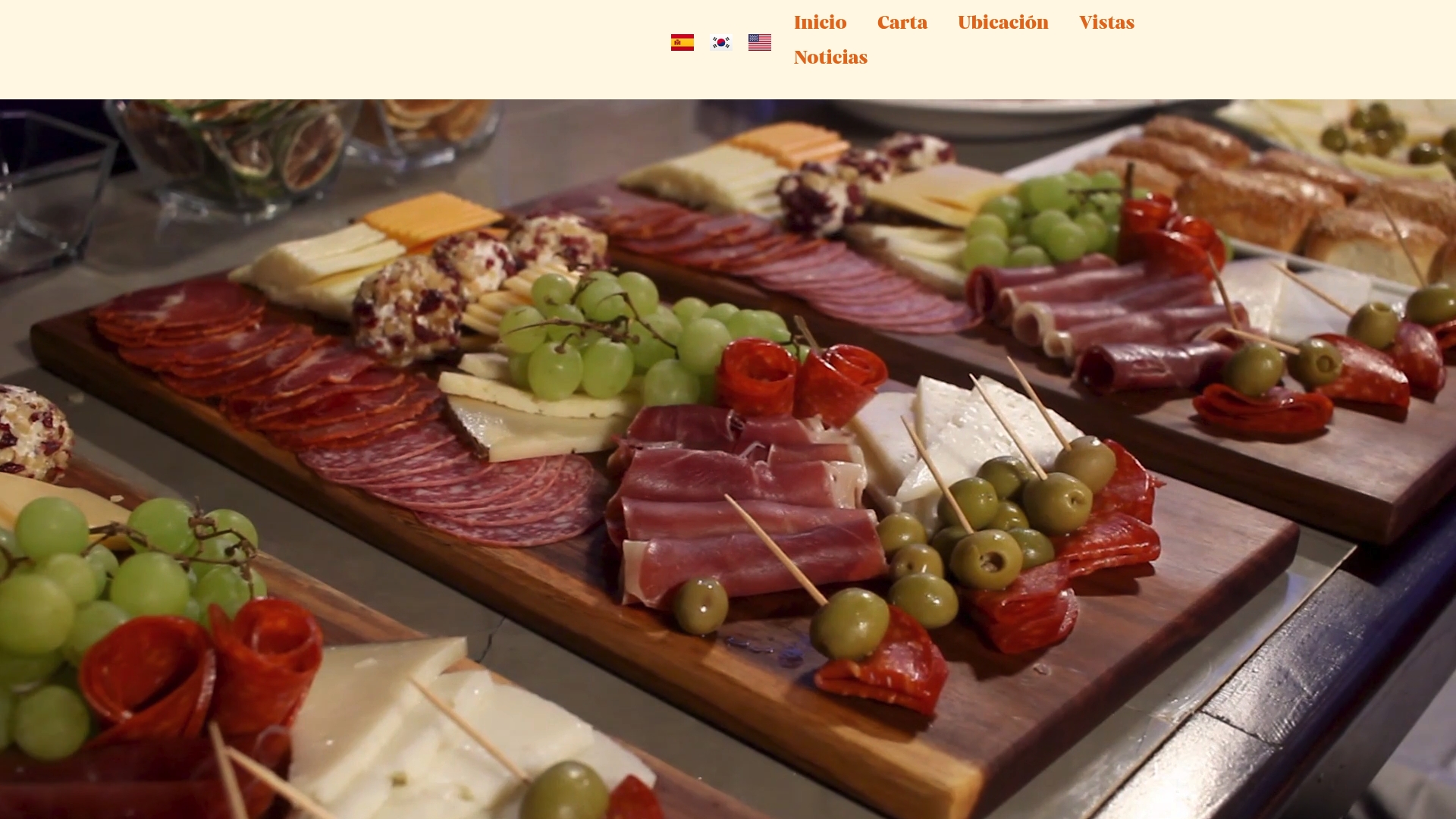
If you want to skip the build-from-scratch phase, Kokcha’s restaurant checklist guide gives you the core templates in one place. For kitchens that want a short adaptation call to fit the templates to their specific menu and team structure, Kokcha offers a focused consultancy session covering your current gaps, a revised template set, and pilot-shift support. The deliverable is a checklist pack your team can use from the next service. Start by reviewing the guide, then reach out to discuss your kitchen’s specific setup.
Authoritative sources and references
The sources below back the compliance requirements and operational frameworks in this article. Use them to verify current rules and adapt templates to your local jurisdiction.
Primary regulatory and framework sources:
- EU Regulation 852/2004 on the hygiene of foodstuffs — the foundational EU hygiene law covering facility design, temperature control, and documentation requirements for food premises.
- CONHOSTUR sanitation guide — regional hygiene guide covering infrastructure, cleaning protocols, traceability, and required records for hospitality operators.
- elBullifoundation management manual — practitioner framework treating restaurant operations as documented, interconnected systems.
Operational checklist references:
| Resource | Focus | Best Used For |
|---|---|---|
| SafetyCulture hospitality library | Four-pillar checklist structure | Building and digitizing operational templates |
| Nautilus restaurant checklist guide | Opening and closing separation | Template design and signoff format |
| AI Chef Pro gastronomic restaurant guide | Award-prep and FOH sensory checklists | Inspection readiness and recognition preparation |
| Kokcha checklist guide (Barcelona) | Mediterranean-specific templates | Ready-to-adapt opening, HACCP, and FOH packs |