A Mediterranean seafood tasting is the art of savoring the freshest local fish and shellfish, prepared with minimal enhancement to let natural flavors speak. Barcelona sits at the center of this tradition. The city’s coastal location means the catch moves from sea to kitchen faster than almost anywhere else in Europe. This mediterranean seafood tasting guide covers how to select, order, and truly appreciate what the sea offers, from early morning market visits to the final bite of a grilled fish at a terrace table near the Sagrada Familia.
What makes a great Mediterranean seafood tasting guide?
The foundation of any great seafood tasting experience is freshness. Fresh seafood smells clean and ocean-like, never fishy or sharp with ammonia. That single rule separates a memorable meal from a disappointing one. Everything else, the dish, the sauce, the setting, builds on that starting point.
Barcelona’s seafood culture blends old-world tradition with modern creativity. The city’s offerings range from classic paellas to inventive seafood preparations that reflect both Catalan heritage and broader Mediterranean influences. That range means you have real choices, and knowing how to read them gives you a serious advantage.
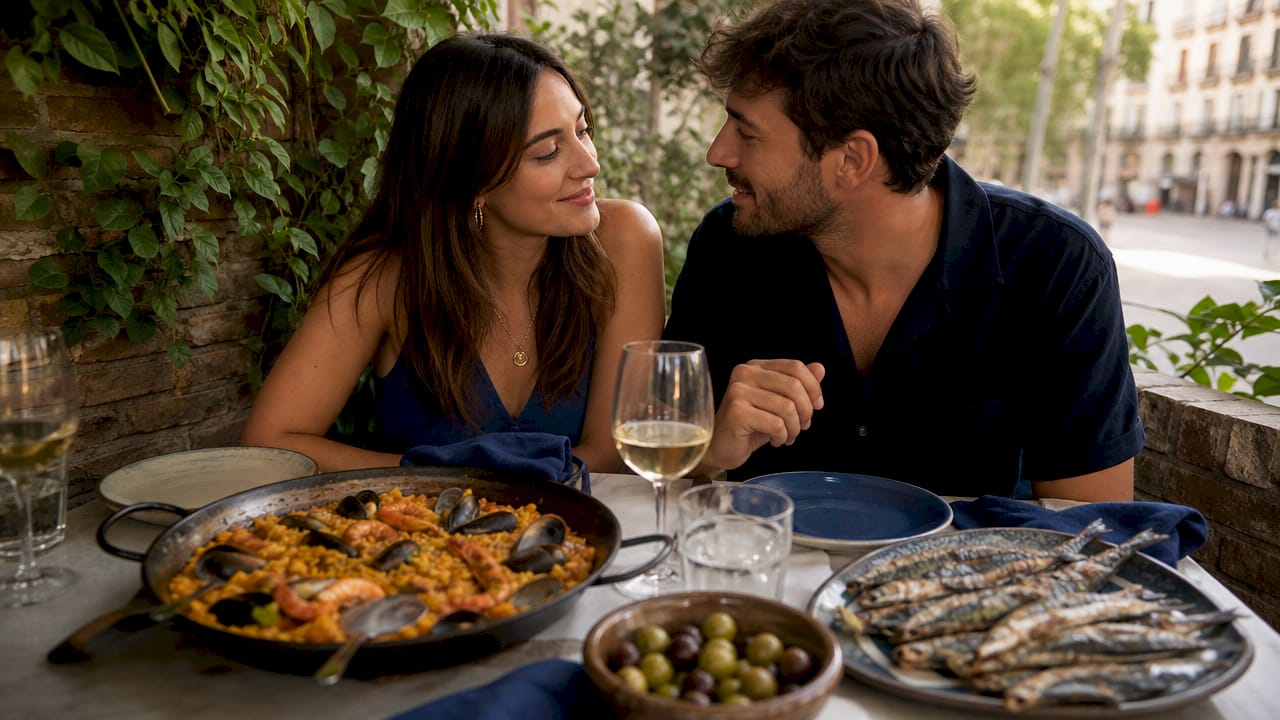
The core principle of Mediterranean seafood cookery is restraint. Quality ingredients need very little help. A squeeze of lemon, a drizzle of olive oil, and a pinch of sea salt can be the entire preparation for a perfectly fresh fish. When you understand that principle, you start to read menus and kitchens very differently.
How do you identify the freshest seafood at Barcelona markets?
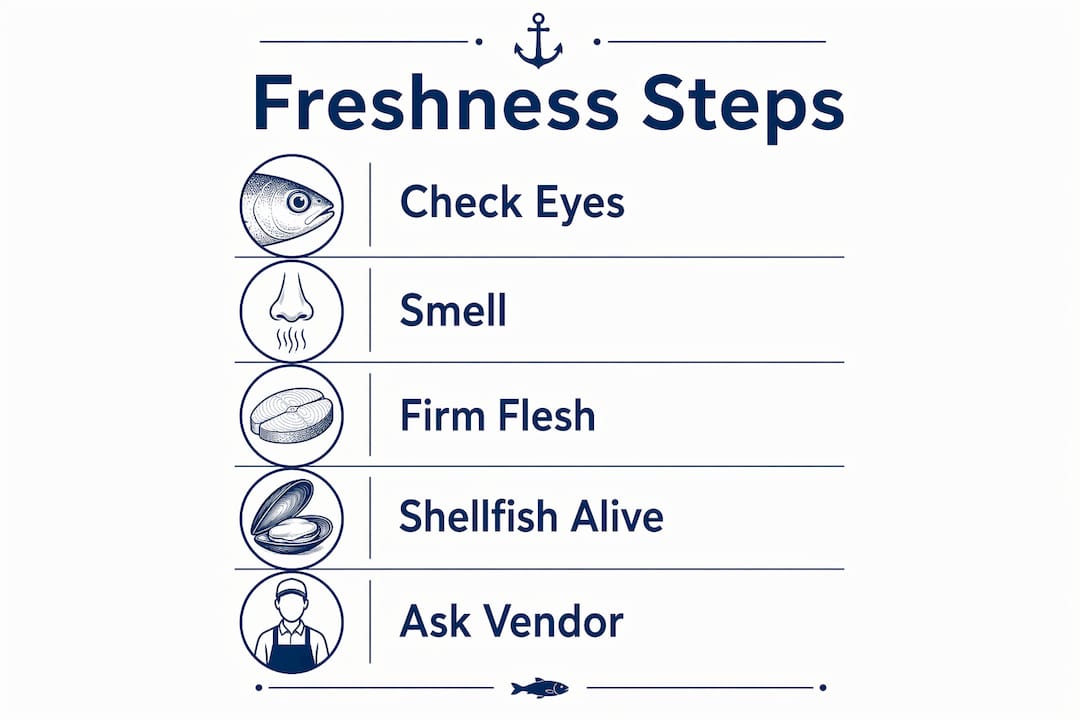
Selecting great seafood starts with your senses. Clear, bright eyes and vibrant red gills are the most reliable visual signs of freshness in whole fish. The flesh should feel firm and spring back when you press it gently. Dull eyes, gray gills, or flesh that stays indented all signal age.
For shellfish, the rule is simpler. Buy them alive. Mussels, clams, and oysters should be tightly closed or close when tapped. Any that stay open are dead and should be avoided. The smell test applies here too: a clean, briny scent is good; anything sour or sharp is not.
Timing your market visit matters as much as what you look for. Early morning visits yield the freshest catch and the best selection. By midday, the best pieces are gone. Local vendors at Barcelona’s markets receive their deliveries overnight, so arriving before 9 a.m. puts you first in line.
Understanding frozen seafood is also worth your time. Flash freezing at -20°F preserves texture and flavor close to fresh, while standard slow freezing creates large ice crystals that damage the flesh. Flash-frozen fish from a reputable source often beats “fresh” fish that has been sitting on ice for three days. Ask vendors directly how and when the fish arrived.
- Eyes: Clear and bright, not cloudy or sunken
- Gills: Deep red or pink, never brown or gray
- Flesh: Firm, moist, and translucent in fillets
- Smell: Clean ocean scent, never sour or ammonia-like
- Shellfish: Alive and tightly closed before cooking
Pro Tip: Ask the vendor which fish came in that morning. Most will tell you honestly, and the answer tells you exactly what to buy.
What are the must-try Mediterranean fish dishes in Barcelona?
Barcelona’s seafood menu is built around a handful of iconic preparations that every food traveler should know. Each dish reflects a different aspect of Mediterranean culinary tradition, from the communal paella to the simple grilled fish that needs nothing but fire and salt.
Paella de Mariscos is the most recognized dish. A proper version uses short-grain rice, saffron, and a mix of shellfish cooked in a wide, shallow pan. The rice should absorb the seafood broth completely, and the bottom layer should form a golden crust called socarrat. If the rice is mushy or the broth is watery, the kitchen cut corners.
Gambas al Ajillo is shrimp cooked in olive oil with garlic and dried chili. The dish sounds simple because it is. Its quality depends entirely on the shrimp. Fresh, local shrimp release their natural sweetness into the oil and create a sauce worth soaking up with bread. Frozen shrimp from unknown sources produce a flat, rubbery result.
For a premium tasting experience, seek out gambas rojas, the deep-red prawns native to Mediterranean coastal waters. These prawns cost over €100 per kilogram and require no more than 1–2 minutes per side on a hot grill. That short cooking window is not a shortcut. It is the only way to preserve their extraordinary flavor. Overcooking them is one of the most common and costly mistakes in Spanish seafood cooking.
Other dishes worth ordering:
- Oysters: Served raw with a squeeze of lemon, they reveal the sea’s flavor in its purest form
- Grilled fish (a la plancha): Dorada or lubina cooked on a flat iron griddle, finished with olive oil and parsley
- Seafood platters: Mixed shellfish served cold or steamed, ideal for comparing flavor profiles across species
- Crudo and tartare: Raw preparations that show exactly what the kitchen thinks of its ingredients
Sauces in quality Mediterranean seafood dishes are used sparingly as garnishes, never as the main event. A heavy sauce on a seafood dish is often a sign that the kitchen is hiding something. The best preparations let the ingredient carry the plate.
How do you plan a seafood tasting experience at Barcelona restaurants?
Planning your meal around timing is the single most effective tactic for better seafood in Barcelona. Lunch menus offer fresher, better-value seafood than dinner in most restaurants. Kitchens receive their fish in the morning, and the lunch service uses the day’s best product. By dinner, the premium pieces are often gone or have been sitting longer.
- Arrive at lunch. The midday meal, typically served between 1:30 and 3:30 p.m., is when Barcelona’s kitchens are at their best for seafood.
- Read the menu for origins. Menus that list where the fish comes from signal a kitchen that cares about sourcing. Generic labels like “fresh fish” without any detail are a warning sign.
- Order a raw dish first. Raw preparations like crudo or tartare reveal kitchen quality immediately. There is nowhere to hide behind heat or seasoning. If the raw dish is excellent, trust the rest of the menu.
- Pace yourself. Mediterranean dining is slow by design. Order fewer dishes and eat them with attention rather than rushing through a long menu.
- Pair with local wine or Cava. Dry Cava from the Penedès region cuts through the richness of shellfish cleanly. A crisp Albariño or Verdejo works equally well with grilled fish.
- Ask questions. Good restaurants welcome questions about sourcing and preparation. A server who cannot answer basic questions about the fish is a signal worth noting.
Pro Tip: Order one simple dish, like grilled dorada or a plate of oysters, before committing to a full tasting menu. That single dish tells you everything about the kitchen’s standards.
Mediterranean dining culture treats the meal as a social event, not a transaction. Slow down, share dishes, and pay attention to what you are eating. That mindset is part of the experience, not just a cultural nicety.
What are the most common seafood tasting mistakes to avoid?
The most expensive mistake in seafood tasting is ignoring the smell. A strong fishy or ammonia odor signals poor storage or age. No amount of cooking or seasoning fixes that problem. If something smells wrong at the market or arrives at the table with an off-odor, send it back or walk away.
“Sauces should never dominate Mediterranean seafood dishes. Their role is to complement freshness, not cover flaws.” — Chef Alan Gosker
Ordering seafood outside its local season is another common error. Mediterranean species have natural cycles, and eating them out of season means eating imported or farmed alternatives that rarely match the quality of local, in-season product. Ask your server or vendor what is currently in season. That question alone will steer you toward the best options on any given day.
Other mistakes that cost travelers a great meal:
- Choosing dishes with heavy, complex sauces when simpler preparations are available
- Ordering seafood at dinner without checking if the kitchen received a fresh delivery that day
- Skipping shellfish because of unfamiliarity when local mussels and clams are often the freshest and most affordable option
- Trusting price alone as a quality indicator when a well-sourced grilled fish can outperform an expensive but poorly handled lobster
Handling raw seafood safely matters too. At markets, keep raw fish cold and cook it the same day you buy it. At restaurants, trust your instincts. If a dish looks or smells wrong, say so. A good kitchen will replace it without argument.
Key Takeaways
The most reliable path to a great Mediterranean seafood tasting experience in Barcelona is combining sensory freshness checks, smart timing, and a preference for simple preparations over sauce-heavy dishes.
| Point | Details |
|---|---|
| Freshness is the foundation | Check for clear eyes, red gills, firm flesh, and a clean ocean scent before buying or ordering. |
| Timing changes everything | Visit markets early and eat seafood at lunch when kitchens use the day’s freshest catch. |
| Simple dishes reveal quality | Order crudo, tartare, or grilled fish to assess a kitchen’s sourcing standards directly. |
| Sauces signal kitchen confidence | Light, spare sauces indicate quality ingredients; heavy sauces often mask poor freshness. |
| Premium species need precision | Gambas rojas require just 1–2 minutes of cooking per side to preserve their peak flavor. |
What I’ve learned after years of eating seafood in Barcelona
Most travelers focus on finding the “best” restaurant. That is the wrong question. The right question is: what arrived at the dock this morning? The answer to that question determines your meal more than any Michelin star or online review.
Barcelona’s seafood scene rewards curiosity and patience. The traveler who spends twenty minutes at a market stall asking questions will eat better than the one who books the most expensive table in the city. Local vendors know things that no review captures: which boats came in, which species are running well this week, which vendor has been buying from the same fisherman for thirty years.
The social dimension of seafood dining here is also real, not just a cliché. Sharing a plate of shellfish at a table with a view of the city, eating slowly, talking between bites, is genuinely different from eating the same food alone in a hurry. The setting and the pace are part of what you are tasting. Kokcha’s terrace near the Sagrada Familia captures exactly that quality: the food is Mediterranean, the pace is unhurried, and the view gives the meal a context that changes how it tastes.
My honest advice is to learn the flavor profiles of a few key species before you arrive. Knowing what a fresh dorada tastes like, or how gambas rojas differ from regular shrimp, gives you a reference point. Without that baseline, you cannot tell whether what you are eating is exceptional or merely adequate. Build the knowledge first. Then let Barcelona’s markets and kitchens show you what those species can be at their best.
— YellowRock
Kokcha: where Mediterranean seafood comes to life in Barcelona
Barcelona’s seafood scene has a lot of options, and finding a place that takes both quality and setting seriously is harder than it looks. Kokcha is a Mediterranean restaurant steps from the Sagrada Familia, with a menu built around the dishes covered in this guide: seafood paella, fresh shellfish, tapas, and grilled fish prepared with the restraint that defines good Mediterranean cooking.
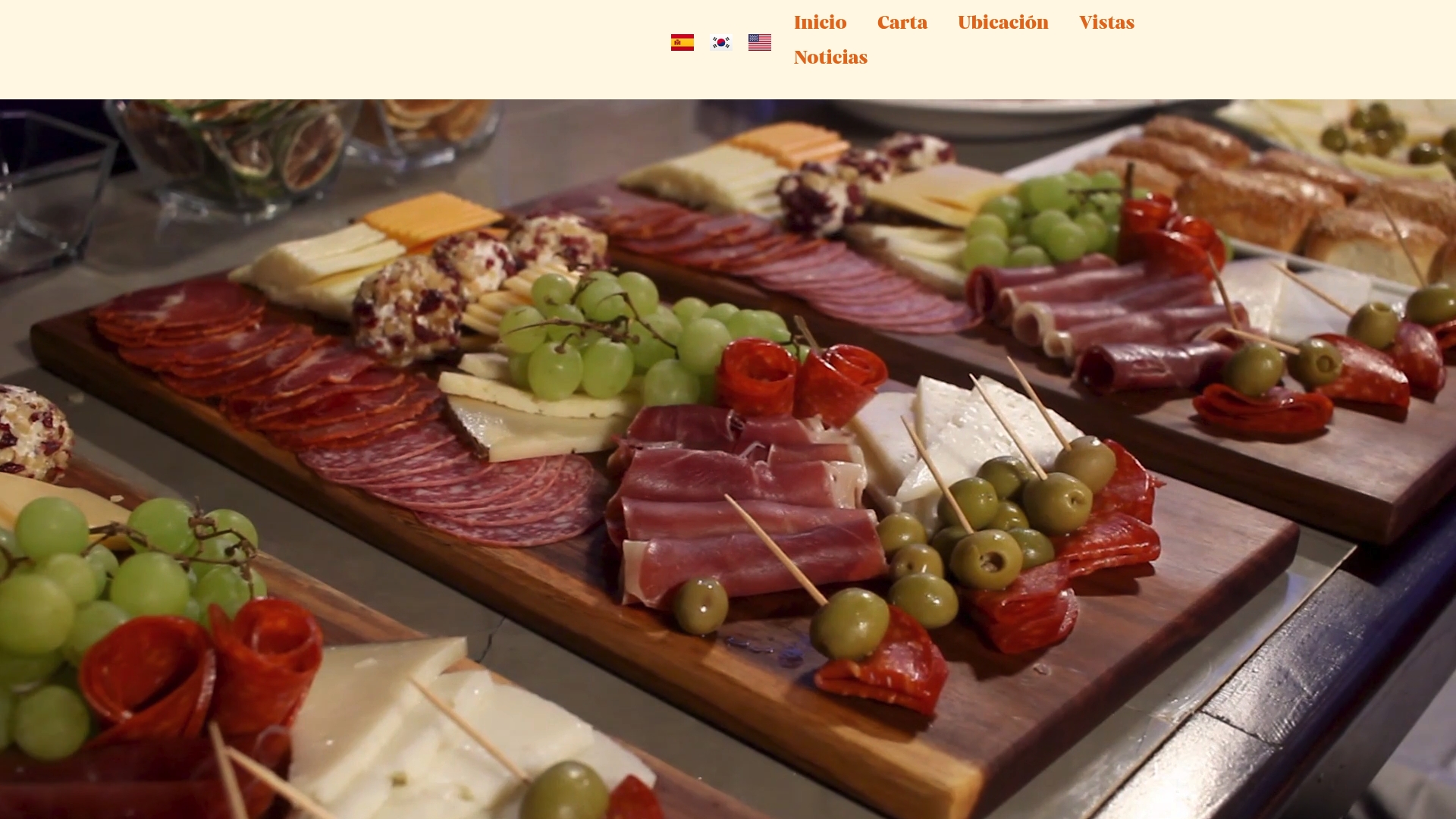
The terrace at Kokcha offers views of the Sagrada Familia alongside a menu that reflects the best of what the region produces. Whether you are planning your first Barcelona meal or your tenth, Kokcha’s Mediterranean dining experience gives you a practical, delicious way to put everything in this guide into practice. Check the menu and reserve your table at kokcha.es.
FAQ
What does Mediterranean seafood tasting mean?
Mediterranean seafood tasting is the practice of evaluating fresh fish and shellfish through sensory cues like smell, texture, and flavor, with an emphasis on minimal preparation that highlights natural quality. The goal is to taste the ingredient, not the sauce.
When is the best time to eat seafood in Barcelona?
Lunch, served between roughly 1:30 and 3:30 p.m., is the best time for seafood in Barcelona. Kitchens receive fresh deliveries in the morning, so the midday service consistently offers the highest-quality product at the best value.
How do you know if seafood is fresh at a restaurant?
Order a raw preparation like crudo or tartare first. Raw dishes reveal ingredient quality immediately because there is no heat or heavy seasoning to mask problems. A well-executed raw dish is a reliable sign the kitchen sources carefully.
What are the best Mediterranean fish dishes to try in Barcelona?
Paella de Mariscos, Gambas al Ajillo, grilled dorada or lubina, and raw oysters are the most representative dishes. Gambas rojas are the premium option for travelers who want to taste the best the Mediterranean coast produces.
Is flash-frozen seafood acceptable in Mediterranean restaurants?
Yes, when handled correctly. Flash-frozen seafood retains texture and flavor close to fresh because the rapid freezing process prevents ice crystal damage. It is a legitimate and often superior option compared to “fresh” fish that has been poorly stored for several days.