Modern Spanish gastronomy is defined as the dynamic union of deep regional culinary traditions, continuous innovation, and centuries of global cultural exchange. This is what culinary scholars and chefs call cocina española contemporánea, or contemporary Spanish cuisine. It is not a single style. It is a living system where Basque pintxos, Andalusian gazpacho, Catalan romesco, and Galician seafood coexist and evolve together. What makes this food culture exceptional is its dual commitment: honoring the past while absorbing the world. This guide breaks down every force shaping that identity, from geography and tapeo culture to national strategy and Michelin-starred innovation.
What defines modern spanish gastronomy across its regions?
Regional diversity is the foundation of modern Spanish gastronomy. Spain’s varied geography, from the Atlantic coast of Galicia to the sun-baked plains of Castile, produces radically different ingredients, climates, and cooking traditions. Each region contributes a distinct culinary voice to the national conversation.
The five most influential regional identities are:
- Basque Country: Famous for pintxos, salt cod, and the Nueva Cocina Vasca movement, which refined traditional dishes through lighter preparations and precise cooking points.
- Catalonia: Known for complex sauces like romesco and picada, abundant seafood, and a long history of blending French and Mediterranean techniques.
- Andalusia: The home of gazpacho, fried fish, and sherry-based cooking, shaped by centuries of Moorish influence and a warm Mediterranean climate.
- Galicia: Defined by its Atlantic coastline, producing exceptional octopus, barnacles, and empanada, with a cooking style that prizes simplicity and freshness.
- Castile: The heartland of roasted meats, hearty stews like cocido, and aged cheeses, reflecting an inland culture built around livestock and grain.
| Region | Signature Ingredient | Defining Dish |
|---|---|---|
| Basque Country | Salt cod | Pintxos |
| Catalonia | Almonds and tomatoes | Pan con tomate |
| Andalusia | Olive oil | Gazpacho |
| Galicia | Octopus | Pulpo a la gallega |
| Castile | Suckling pig | Cochinillo asado |
These regional traditions are not museum pieces. They are the raw material that contemporary Spanish chefs reinterpret every season. Understanding them is the first step to understanding why Spanish food feels both deeply familiar and endlessly surprising.
How does innovation shape contemporary spanish cuisine?
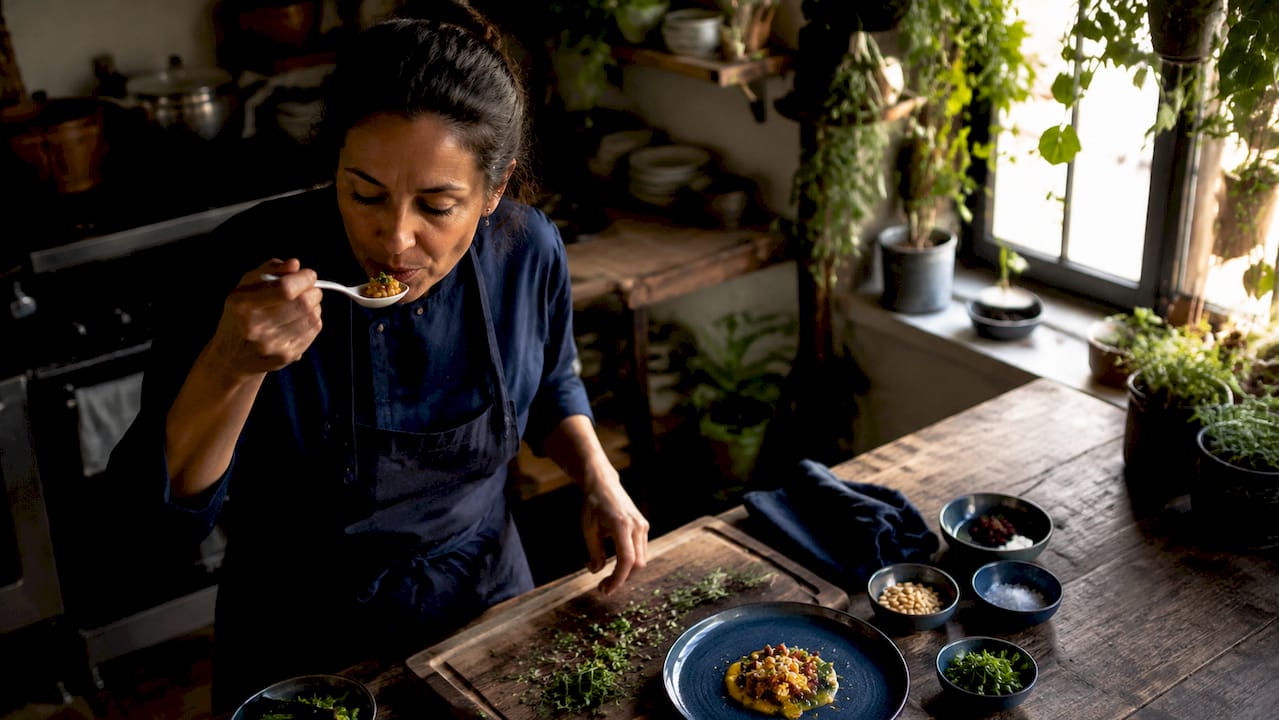
Modern Spanish gastronomy balances tradition with innovation by refining existing recipes with modern techniques and presentation rather than replacing them. The Nueva Cocina Vasca movement, led by chefs in San Sebastián during the 1970s and 1980s, set the template. It proved that Spanish cuisine could evolve without losing its soul.
Contemporary Spanish cuisine now incorporates global ingredients and methods in four distinct ways:
- Fusion ingredients: Soy sauce, ginger, avocado, and seaweed now appear regularly in Spanish kitchens. Foreign flavors have shaped modern dishes through centuries of exchange with Asia and Latin America, and that process continues today.
- Technique transfer: Japanese knife skills, French sauce reduction methods, and South American ceviche techniques have been absorbed and adapted by Spanish chefs without displacing local identity.
- Market-driven sourcing: The modern Spanish culinary philosophy prioritizes seasonal, market-fresh products. Controlling cooking points and promoting lightness over heaviness defines the modern chef’s daily practice.
- International collaboration: Spanish chefs regularly work alongside peers from Japan, Peru, and France, creating dishes that carry Spanish flavor codes while speaking a global culinary language.
The tension here is real. Modern Spanish gastronomy oscillates between avant-garde dining and traditional domestic cooking, and industrial food technologies create standardization risks at the home level. The best chefs resolve this by treating innovation as a tool for honoring tradition, not replacing it.
Pro Tip: When exploring Barcelona’s restaurant scene, look for menus that name the specific market or farm supplying their ingredients. That commitment to sourcing is the clearest signal of genuine contemporary Spanish cooking philosophy.
Is tapeo a cultural ritual or just a way to eat?
Tapeo is both. It is defined as the social practice of moving between bars and sharing small plates, and it is recognized as a living form of cultural heritage that fosters togetherness and identity across Spanish society. The World Day of the Tapa is celebrated on June 16, a date that signals how seriously Spain treats this practice as a cultural institution.
Tapeo is not simply about the food on the plate. Its social architecture matters just as much:
- It is designed for sharing. Dishes arrive at the center of the table, not in front of individuals.
- It is time-flexible. A tapeo session can last 30 minutes or three hours, adapting to the rhythm of the people involved.
- It is democratic. The same practice plays out in a neighborhood bar in Seville and a high-end pintxos bar in San Sebastián.
- It connects generations. Grandparents, parents, and children share the same table and the same dishes, passing down flavor memory in real time.
“Tapeo combines tradition and innovation while promoting social cohesion, making it one of the most complete expressions of Spanish cultural identity.” — Saborea España
The cultural significance of tapas extends well beyond snacking. Saborea España has actively campaigned for tapeo’s recognition as UNESCO Intangible Cultural Heritage, arguing that it represents a unique social technology built around food. That campaign reflects a broader truth: in Spain, eating together is not incidental to culture. It is the culture.
What is spain’s strategy for its gastronomy on the world stage?
Spain treats its gastronomy as a national strategic asset. The International Plan for Spanish Gastronomy, coordinated by over 120 professionals and anchored by the Real Academia de Gastronomía, organizes the country’s culinary identity around four pillars: talent development, internationalization, gastronomy tourism, and brand promotion. This is not a cultural vanity project. It is a coordinated effort to make Spanish food a global export.
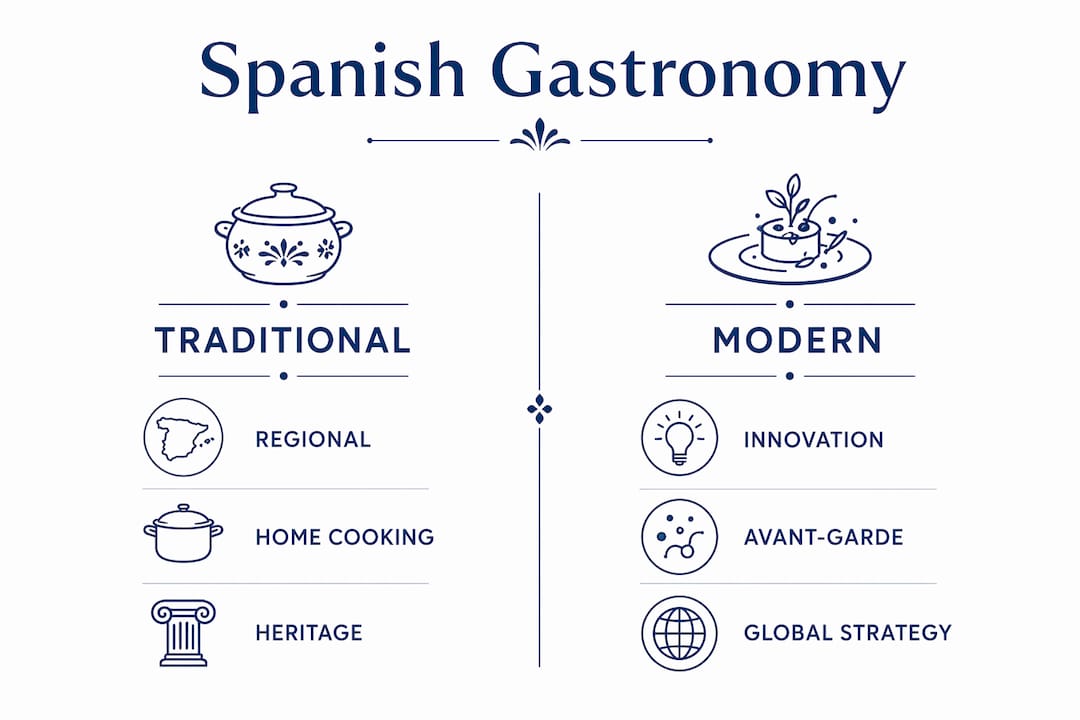
| Dimension | Traditional Expression | Modern Strategic Role |
|---|---|---|
| Talent | Regional home cooking | Chef training and international competitions |
| Internationalization | Local markets and festivals | Spanish restaurants in 50+ countries |
| Tourism | Regional food routes | Gastronomy as a primary travel motivator |
| Brand | Local pride | Spain as a global culinary reference point |
Spain’s gastronomic strategy coordinates a continuum from tapas bars to Michelin-starred restaurants, treating both as equally valid expressions of the same national identity. This is what makes the Spanish model unusual. Most countries separate fine dining from street food in their cultural narratives. Spain insists they are the same story told at different volumes.
The results are visible. Spanish chefs like Ferran Adrià, Joan Roca, and Andoni Luis Aduriz have reshaped global fine dining. At the same time, eating local in Barcelona at a neighborhood restaurant delivers the same seasonal philosophy and regional pride that drives the Michelin-starred tier. The philosophy is consistent across price points.
Pro Tip: If you want to understand the full range of contemporary Spanish cuisine in one city, Barcelona is the best starting point. It sits at the intersection of Catalan tradition, Mediterranean ingredients, and a restaurant culture that runs from market stalls to three-star kitchens.
Key takeaways
Modern Spanish gastronomy succeeds because it treats regional tradition, social ritual, and global innovation as complementary forces rather than competing ones.
| Point | Details |
|---|---|
| Regional diversity is foundational | Basque, Catalan, Andalusian, Galician, and Castilian traditions each supply distinct ingredients and techniques. |
| Innovation respects tradition | Movements like Nueva Cocina Vasca prove that modern technique strengthens rather than replaces traditional flavor codes. |
| Tapeo is cultural infrastructure | The social practice of sharing small plates is recognized as living cultural heritage and a driver of national identity. |
| Gastronomy is a national strategy | Spain’s International Plan coordinates talent, tourism, and brand across 120+ professionals to export its culinary identity. |
| The spectrum is the point | From neighborhood tapas bars to Michelin-starred restaurants, Spain presents a unified culinary brand across all price points. |
Why the balance between heritage and innovation is the real story
What strikes me most about contemporary Spanish cuisine is not the molecular gastronomy or the Michelin stars. It is the discipline required to innovate without erasing. Every serious Spanish chef I have observed works within a flavor code inherited from their region. They do not start from a blank page. They start from a grandmother’s recipe and ask what technique, what sourcing decision, or what foreign ingredient can make it speak more clearly to a modern palate.
That restraint is harder than pure invention. Ferran Adrià’s work at elBulli was radical precisely because it understood the tradition it was departing from. The Nueva Cocina Vasca chefs in San Sebastián did not abandon salt cod and peppers. They asked how to cook them better. That is a fundamentally different creative posture than fusion for its own sake.
Tapeo reinforces this point from the social side. The ritual of sharing plates forces a kind of culinary democracy. No single dish dominates. No single diner controls the table. The meal is a negotiation, and that negotiation has been happening in Spanish bars for centuries. When a modern chef designs a tasting menu around shared plates, they are not being trendy. They are translating an ancient social technology into a fine dining context.
The risk I see is at the domestic level. Industrial convenience foods are eroding the home cooking rhythms that once transmitted regional flavor knowledge between generations. The strategic plans and the Michelin stars cannot compensate for that loss if it accelerates. The most important front in Spanish gastronomy right now is the kitchen table at home, not the restaurant pass.
— YellowRock
Taste modern mediterranean gastronomy at Kokcha
Kokcha brings the full range of contemporary Spanish and Mediterranean gastronomy to a single address in Barcelona, steps from the Sagrada Familia. The menu moves from classic tapas and fresh seafood to paellas built on market-sourced ingredients, reflecting exactly the tradition-plus-innovation philosophy this article describes.
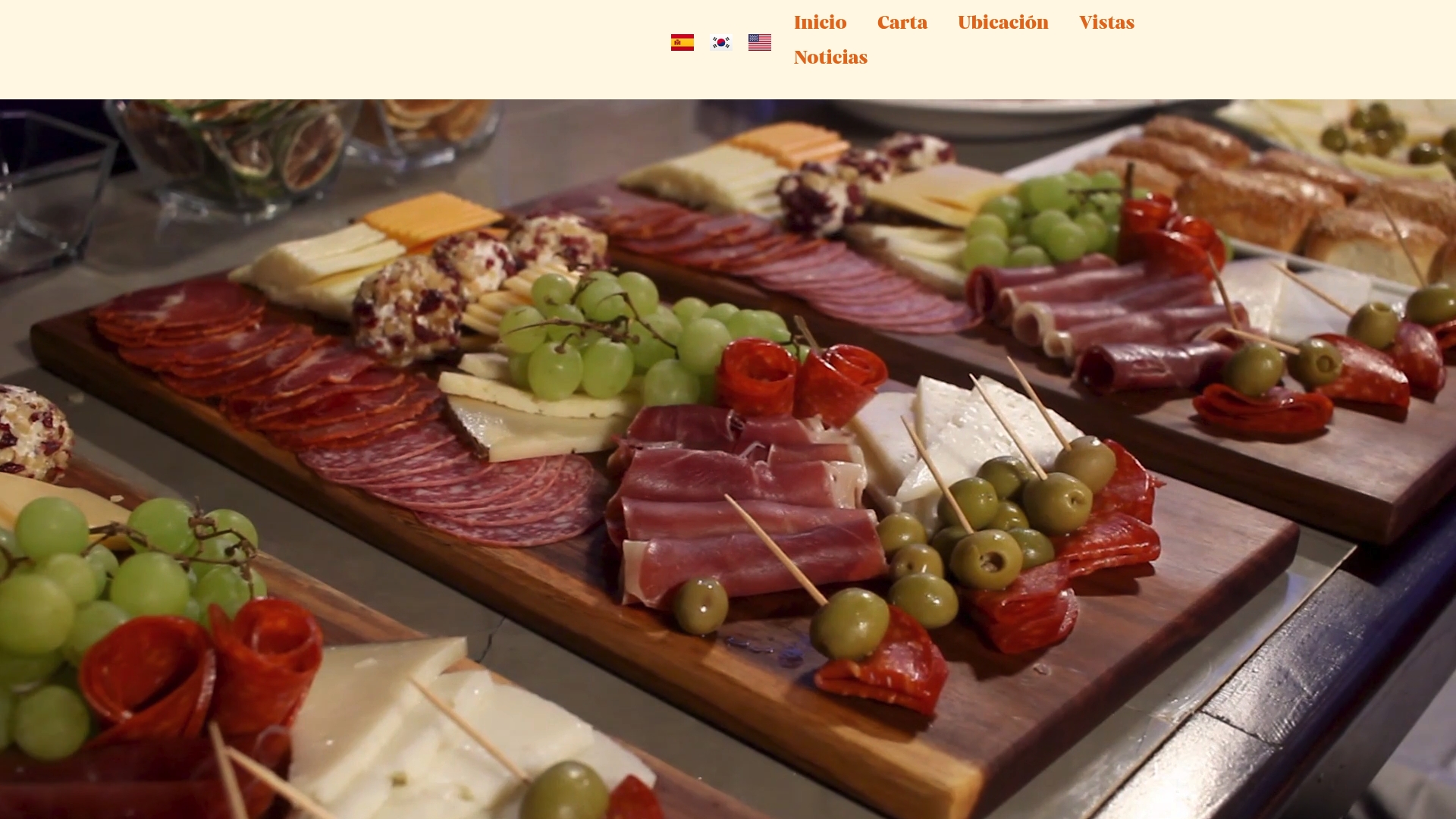
Whether you want to experience the social ritual of tapeo or sit down to a seafood paella that honors Valencian tradition with Mediterranean freshness, Kokcha delivers it in a setting that combines a warm interior with a terrace overlooking one of the world’s most iconic landmarks. Explore Mediterranean gastronomy trends for 2026 and see how Kokcha translates them into dishes you can order tonight.
FAQ
What defines modern spanish gastronomy?
Modern Spanish gastronomy is defined by the combination of deep regional culinary traditions, continuous innovation through technique and global ingredients, and the social practice of tapeo. It operates across a spectrum from neighborhood tapas bars to Michelin-starred restaurants, all sharing a common flavor code rooted in regional identity.
How does traditional vs. modern spanish gastronomy differ?
Traditional Spanish gastronomy focuses on regional recipes passed down through generations, while modern Spanish gastronomy refines those recipes using contemporary techniques, market-fresh sourcing, and selective global influences. The Nueva Cocina Vasca movement is the clearest example of this evolution in practice.
What makes spanish food unique compared to other european cuisines?
Spanish food is unique because of its layered cultural history, combining Mediterranean, Islamic, and New World ingredient influences across five distinct regional identities. No other European cuisine spans such geographic and cultural range within a single national identity.
What is tapeo and why does it matter to spanish gastronomy?
Tapeo is the social practice of sharing small plates across multiple bars or venues, and it is actively campaigned for recognition as UNESCO Intangible Cultural Heritage. It matters because it functions as the primary vehicle through which Spanish food culture transmits identity, tradition, and community across generations.
What are the key characteristics of spanish cuisine today?
The key characteristics of contemporary Spanish cuisine are regional diversity, seasonal and market-driven sourcing, a balance between tradition and innovation, and the social dimension of shared eating. Spain’s national gastronomy strategy coordinates these characteristics into a unified culinary brand that spans everyday cooking and world-class fine dining.