Walk into almost any Barcelona neighborhood at lunchtime and you’ll notice something that surprises many visitors: nobody seems to be rushing. Tables fill up, conversations stretch long past the last bite, and wine appears before anyone pulls out a phone to check nutrition facts. The assumption that locals eat Mediterranean food because it’s healthy misses the entire point. In Barcelona, this cuisine is about pleasure first, community second, and health is almost a side effect of both. Understanding why locals are so attached to it changes how you experience every meal in the city.
Table of Contents
- Mediterranean cuisine: More than just a diet
- Health, flavor, and culinary technique: Why locals savor Mediterranean food
- Taste matters: Why sensory enjoyment drives Mediterranean food loyalty
- The reality: Global influences and the limits of the Mediterranean narrative
- What most guides miss: The real reasons locals love Mediterranean food
- Experience Mediterranean flavors in Barcelona
- Frequently asked questions
Key Takeaways
| Point | Details |
|---|---|
| Lifestyle-driven eating | For Barcelona locals, Mediterranean food is more about routine, pleasure, and shared experience than dieting. |
| Flavor and tradition matter | Healthful ingredients and distinctive techniques make Mediterranean cuisine both tasty and meaningful. |
| Taste guides loyalty | Enjoyment and taste preferences are key to why locals stick to Mediterranean food day-to-day. |
| Global influences persist | Despite the Mediterranean narrative, Barcelona’s food culture mixes tradition with global fast-food habits. |
Mediterranean cuisine: More than just a diet
Most people outside Spain picture the Mediterranean diet as a checklist: olive oil, fish, vegetables, a glass of red wine. Nutritionists love it. Food magazines rank it as the world’s best diet year after year. But ask a Barcelona local why they eat the way they do, and “because it’s healthy” rarely comes up first. What you hear instead are words like costum (habit), plaer (pleasure), and família (family).
The Mediterranean diet is a way of life, not just a dietary pattern, and locals experience it through regular outdoor activity, long shared meals, and a mindful approach to sitting down together. This isn’t marketing language. It describes the actual structure of a typical Barcelona day: a proper sit-down lunch that lasts at least an hour, afternoon movement, and an early evening aperitivo with neighbors.
Eating alone consistently, by contrast, is associated with lower-quality food intake and weaker attachment to traditional food culture. That’s not an accident. Mediterranean eating was never designed to be a solo practice. The social architecture around the meal is as important as what’s on the plate.
Here’s what that lifestyle actually looks like in daily practice:
- Shared meals: Lunch is the main event, ideally eaten with family, colleagues, or friends
- Time to linger: A two-hour lunch is not laziness; it’s built into the social rhythm
- Routine: Eating at consistent times, rather than snacking continuously throughout the day
- Seasonal awareness: Ingredients shift with the calendar, which keeps meals varied and tied to place
- Outdoor activity: Walking, cycling, and general movement frame the day around eating
“The Mediterranean diet is not just a way of eating, it’s a way of life. It encompasses physical activity, social interaction, and a deep connection to seasonal and local foods.” This mindset shapes how Barcelona locals relate to food at every level.
If you want to understand modern Mediterranean dining in Barcelona, the starting point is recognizing that the meal format itself is the tradition. The dishes are almost secondary to the ritual. And eating local in Barcelona plugs you directly into that ritual, regardless of whether you’ve grown up here.
Health, flavor, and culinary technique: Why locals savor Mediterranean food
Beyond lifestyle, there’s a real culinary reason locals stay loyal to this food. It tastes extraordinary. Catalan and broader Mediterranean cuisine is built around techniques that pull maximum flavor from simple ingredients: sofrito (a slow-cooked base of tomato, garlic, and onion in olive oil), open-flame grilling, long-simmered stews, and the generous use of fresh herbs. These aren’t shortcuts; they’re flavor-first decisions that happen to align perfectly with nutrition science.
Catalan cuisine nourishes health through its traditional preparation methods, which locals associate with a shared, mindful way of eating. Extra virgin olive oil, legumes, seasonal vegetables, seafood, and whole grains form the foundation. None of these ingredients require heavy processing, and all of them carry deep flavor when prepared with skill.
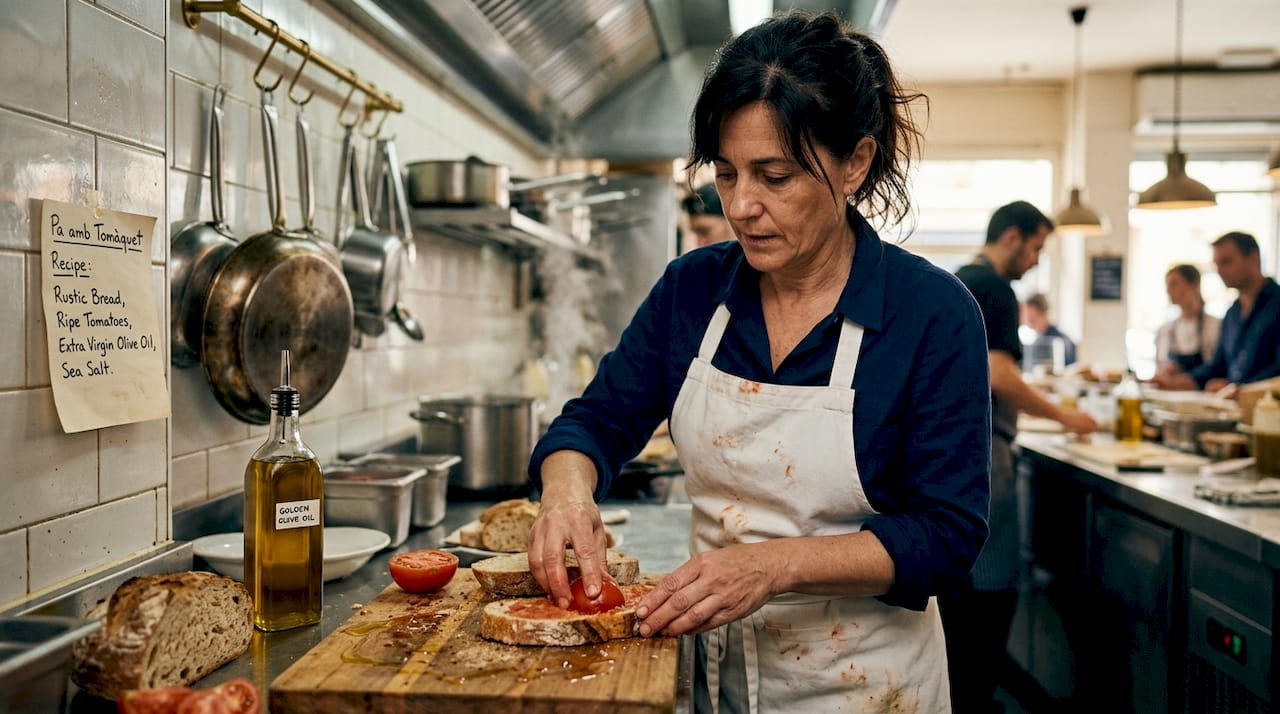
The Mediterranean diet works precisely because its culinary design delivers pleasure alongside nutrition. Flavorful, minimally processed ingredients and olive-oil-forward preparation support long-term adherence not through discipline but through genuine enjoyment. Locals don’t resist this food. They crave it.
| Barcelona staple | Key nutrients | Typical preparation |
|---|---|---|
| Pa amb tomàquet | Lycopene, fiber, healthy fats | Rubbed tomato on bread, drizzled with olive oil |
| Grilled sepia (cuttlefish) | Lean protein, minerals | Open-flame grilling with garlic and parsley |
| Escudella (Catalan stew) | Iron, complex carbs, protein | Long-simmered with seasonal vegetables and legumes |
| Allioli | Monounsaturated fats | Emulsified garlic and olive oil, no additives |
| Fresh sardines | Omega-3 fatty acids, vitamin D | Salt-cured or grilled over coals |
Pro Tip: When browsing a menu, look for dishes that list a specific olive oil or seasonal vegetable. Restaurants that specify their ingredients are usually sourcing locally, which means better flavor and higher nutritional value in every bite.
A great entry point into this flavor-first approach is the Mediterranean cuisine experience available right in the city. For a more focused introduction, local favorite tapas give you fast access to the range of techniques and ingredients that define the cuisine without committing to a full tasting menu.
Taste matters: Why sensory enjoyment drives Mediterranean food loyalty
Here’s something food scientists have confirmed what Barcelona grandmothers already knew: taste preferences drive adherence to eating patterns more reliably than health knowledge. You can tell someone that olive oil lowers inflammation all day, but if the food doesn’t taste good to them, they won’t keep eating it. Locals stick with Mediterranean food because it genuinely satisfies their senses.
This point is worth sitting with. The culinary design delivers pleasure and health simultaneously, which is unusual among dietary traditions. Most “healthy” food cultures require some degree of sacrifice. Mediterranean cuisine, at its best, requires none. The fat is satisfying. The salt is present. The textures are varied. The flavors are layered.
Compare this to the global fast-food model that competes for attention in every major city:
| Feature | Mediterranean (Barcelona style) | Global fast food |
|---|---|---|
| Fat source | Extra virgin olive oil, seafood fats | Processed vegetable oils, saturated fats |
| Flavor development | Slow cooking, fresh herbs, fermentation | Artificial flavoring, high sodium |
| Texture variety | Multiple textures per dish | Uniform crunch or softness |
| Satiety duration | Long-lasting, fiber and fat driven | Short, often followed by a crash |
| Social context | Shared plates, communal eating | Individual, often eaten alone |
| Emotional association | Family, tradition, celebration | Convenience, speed |
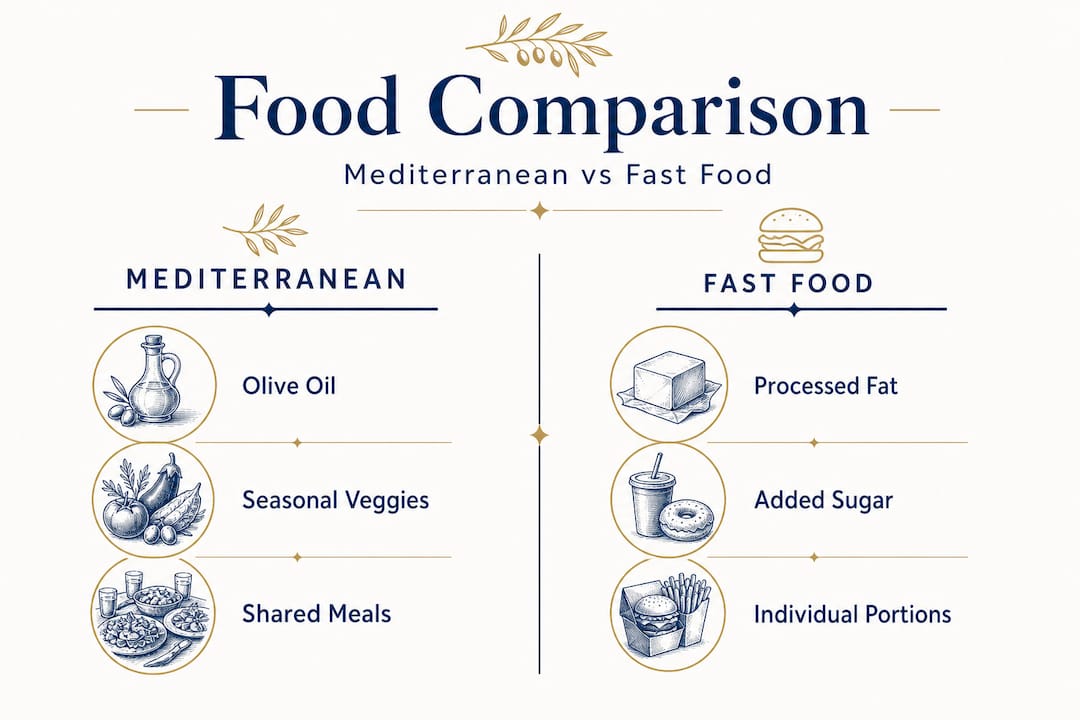
Studies on Mediterranean eating satisfaction consistently find that pleasure, not health anxiety, is the primary reported reason locals choose this food. Sensory enjoyment is the engine. Health outcomes are the reward.
This explains why Barcelona’s seafood remains such a point of local pride. Fresh gamba (prawns), cloïsses (clams), and musclos (mussels) aren’t eaten because a doctor recommended them. They’re eaten because they taste incredible with a glass of cold white wine on a warm afternoon. For a broader look at what makes the city’s food culture so distinctive, typical Barcelona dishes offer a solid overview of where flavor and tradition intersect.
The reality: Global influences and the limits of the Mediterranean narrative
Let’s be honest about something. The postcard version of Barcelona’s food culture, where every local eats pa amb tomàquet for breakfast and grilled fish for dinner, doesn’t fully capture daily reality. Barcelona is a major European city with millions of residents from dozens of countries. Burgers, sushi, pizza, and kebabs are everywhere. And many locals eat them regularly without any guilt.
Some observers caution that the Mediterranean diet narrative can be overplayed. As one Spain commentator noted in a recent expert interview, the idealized version of Spanish eating habits doesn’t always match what people actually put on their plates day to day.
This matters because it keeps expectations grounded. When you visit Barcelona, you’re not stepping into a living museum of traditional cuisine. You’re visiting a city that loves its food heritage while also fully participating in global food culture. Both can be true at the same time.
Here are some common misconceptions about local eating habits, alongside the more nuanced reality:
- Misconception: Locals eat Mediterranean food at every meal. Reality: Lunch tends to follow traditional patterns more than breakfast or dinner, which are often lighter and more varied.
- Misconception: Young Barcelonans have abandoned traditional food. Reality: Interest in traditional techniques and local produce is actually growing among younger locals, partly as a response to global food homogenization.
- Misconception: Fast food is rare or frowned upon. Reality: Fast food chains are common, particularly near tourist zones, and locals use them with the same casual frequency found anywhere in Europe.
- Misconception: Every restaurant in Barcelona serves authentic Mediterranean food. Reality: Quality varies enormously. The best experiences come from places where local ingredients and traditional techniques are genuinely prioritized.
- Misconception: The Mediterranean diet is strict and well-defined. Reality: It’s a broad framework that accommodates enormous variation across regions, seasons, and personal preferences.
Connecting with local eating experiences in the city gives you a more honest picture of how this food culture actually functions. The tradition is real and alive. It’s just more flexible and human than the idealized narrative suggests.
What most guides miss: The real reasons locals love Mediterranean food
After looking at the research, the culinary history, and the daily reality of eating in Barcelona, one thing stands out clearly: most guides get the causality backwards. They present Mediterranean food as something locals eat because of its health benefits, with pleasure as a secondary bonus. The truth is the opposite.
Locals eat this food because it’s genuinely delicious, because it gives shape and pleasure to their social lives, and because it connects them to place and season in a way that fast, anonymous food simply cannot. The health outcomes are real and significant, but they’re a consequence of the pleasure, not the motivation for it.
This matters practically for anyone visiting or living in Barcelona. If you approach Mediterranean food as a virtue exercise, you’ll miss the point entirely. You’ll choose dishes because they seem “authentic” or “traditional” rather than because they excite you. You’ll sit at a table thinking about nutrition labels instead of the conversation around you.
Pro Tip: Don’t chase authenticity as an end in itself. Instead, focus on three things: what’s in season right now, what the table next to you ordered, and what you actually want to eat. That’s how locals approach it, and it works beautifully.
Mediterranean food, as it exists in Barcelona, is also more culturally open than the purist narrative admits. It has always absorbed outside influences, from Arab spice traditions to Roman wine culture to New World tomatoes (which, ironically, are now central to pa amb tomàquet). What makes it cohesive isn’t ingredient purity but a shared philosophy: slow down, use good oil, share the table, and pay attention to what you’re eating. That philosophy is what gastronomy unites cultures in Barcelona at its best, bringing together locals and visitors around a table that has always had room for one more.
Experience Mediterranean flavors in Barcelona
If reading about Barcelona’s food culture has made you hungry, that’s the right response.
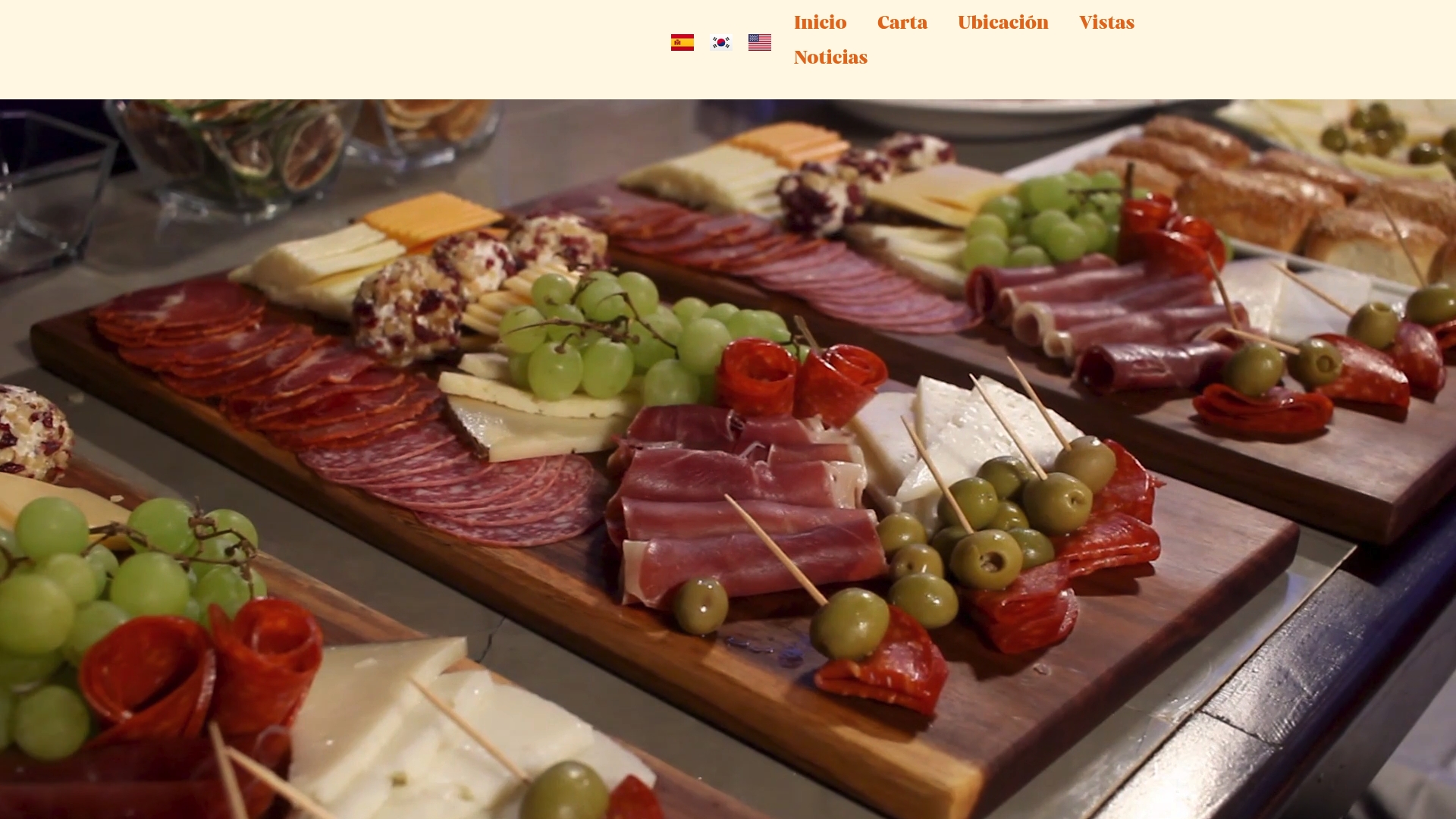
At Kokcha, just steps from the Sagrada Familia, we bring together the techniques, ingredients, and social spirit that make Mediterranean dining worth sitting down for. From Mediterranean dining in Barcelona that honors Catalan tradition to creative tapas and fresh seafood, our menu reflects real local eating at its best. Curious about what’s on the plate right now? Browse Mediterranean dishes to try or check out the latest Mediterranean food trends in 2026 shaping what locals are ordering this season. Reserve a table, pull up a chair, and let the meal do the rest.
Frequently asked questions
Is all food in Barcelona considered Mediterranean?
Not all food in Barcelona is strictly Mediterranean; global influences like burgers, sushi, and fast food are common alongside traditional cuisine, especially in the city center.
Do locals eat Mediterranean food because it’s healthier?
Health is one factor, but sensory enjoyment, social routine, and Catalan culinary tradition are equally important drivers; taste and palatability often matter more than health awareness in daily food choices.
What makes Mediterranean food especially enjoyable?
Fresh seasonal ingredients, high-quality olive oil, and the social tradition of shared meals combine to create satisfaction that lasts, making this food uniquely suited to pleasure-driven eating.
Does eating Mediterranean food mean following strict rules?
No. Locals treat it as a flexible way of life centered on enjoyment and shared routine rather than rigid dietary restrictions or rules.