Booking a table in advance guarantees you a seat, cuts your wait to zero, and gives you a real shot at the seating or accommodation you actually want. That’s why book a table in advance is worth the two minutes it takes. Cornell University research on dining preferences found guests feel more respected and more in control of their evening when a reservation exists. Kokcha, near the Sagrada Familia in Barcelona, sees the same pattern nightly. The main reasons to reserve:
- A guaranteed seat, even during peak hours
- Little to no wait once you arrive
- Better odds of the table or view you want
- Smoother handling of groups, birthdays, and special requests
- Less risk of showing up to a fully booked room
Key Takeaways
Booking ahead removes the two biggest risks of dining out, no seat and no plan, while giving restaurants the data they need to serve you well.
| Point | Details |
|---|---|
| Guaranteed seating | A reservation removes the risk of arriving to a full dining room during peak hours. |
| Better service on the night | Staff seated with advance notice can prep tailored service, accurate wait estimates, and special requests. |
| Check policies first | Confirm cancellation windows, deposits, party-size limits, and time limits before you book. |
| Walk-ins have a place | Casual, high-turnover spots and off-peak hours are usually safe without a reservation. |
| Kokcha books ahead easily | Kokcha near the Sagrada Familia offers bilingual booking, group planning, and terrace seating requests. |
Table of Contents
- Is It Necessary to Book Ahead? What the Benefits Actually Mean
- How Do Reservations Help Restaurants Run Better?
- What Reservation Policies Should You Check Before Booking?
- When Is a Walk-In Actually Fine?
- How Do You Actually Book a Table?
- What Restaurants See From the Other Side of the Booking
- Ready to Book Your Table at Kokcha?
- Frequently Asked Questions
- Sources
Is It Necessary to Book Ahead? What the Benefits Actually Mean
A guaranteed seat sounds obvious until you’re the couple standing outside a packed dining room on a Saturday night with nowhere to go. That’s the real cost of skipping a reservation: not just an annoyance, but wasted travel, wasted time, and a night that starts on the back foot. Cornell’s dining-preferences research backs this up directly: diners who reserve report feeling their time is respected, and that sense of control changes how they experience the whole meal, not just the seating.
Shorter waits matter most when your evening is on a schedule. Parents coordinating a babysitter, coworkers squeezed into a lunch hour, or a group meeting before a show all lose flexibility the moment they’re standing in a lobby waiting for a table. Escoffier’s analysis of reservation trade-offs notes that confirmed booking times make guests more likely to arrive on schedule and actually relax once they sit down, instead of watching the clock.
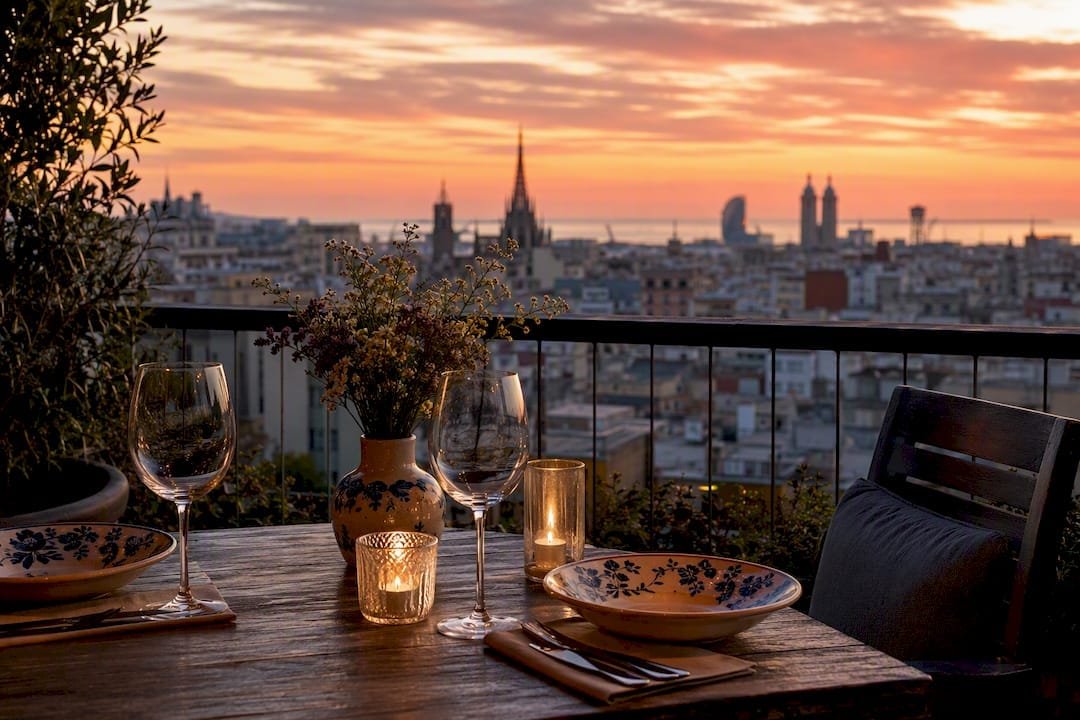
Preferred seating is where reservations earn their keep for special occasions. Booking ahead is how you request the terrace table with a view, flag an anniversary, or ask about a wheelchair-accessible spot before you arrive rather than hoping the host can improvise. It’s also how you get dietary notes on record, so the kitchen isn’t guessing.
Groups and events benefit most of all. A table for eight doesn’t just materialize on a Friday night. Tablein’s research on restaurant reservations points out that larger reserved parties tend to spend more per head, which is exactly why restaurants prioritize planning for them, and exactly why a planner who books early avoids the stress of splitting a group across two tables.
Pro Tip: Don’t just note a special request, ask for confirmation of it. “Can you flag that we’d like the terrace, and can someone reconfirm that by phone the day before?” gets you a real answer instead of a hopeful guess, and it tells the host you’re serious about the request.
How Do Reservations Help Restaurants Run Better?
A booking isn’t just a courtesy to the restaurant. It’s data the kitchen and floor staff actually use. When a restaurant knows how many covers to expect, it schedules the right number of servers and cooks for that shift instead of guessing and either over or understaffing. OpenTable’s operational guidance explains that reservation counts also drive inventory decisions: dishes with long prep times, paella included, are far more reliably available to guests who reserved ahead than to walk-ins hoping the kitchen still has ingredients on hand.
Reservations also control the front door. Without them, walk-ins cluster and create what OpenTable calls a bottleneck: a crowd at the host stand that disrupts the atmosphere for everyone already seated. Staggered arrival times, the kind a reservation book naturally creates, keep the dining room calm rather than chaotic.
Lightspeed’s analysis of restaurant operations frames this as a shift from reactive to proactive service, a restaurant that knows who’s coming can prepare for them rather than scrambling in the moment.
A booking on the books tends to improve, on the night, in a few concrete ways:
- Faster seating with no lobby wait
- More accurate wait-time estimates for other guests
- Kitchen prep matched to actual demand
- Staff who know your group size and any special notes before you sit down
What Reservation Policies Should You Check Before Booking?
Every restaurant runs its booking rules a little differently, and the fastest way to avoid an awkward surprise is to check the fine print before you confirm. The details that trip people up most:
- Cancellation windows: how many hours ahead you need to cancel to avoid a penalty
- Deposits or prepayment: common for tasting menus, holidays, or large parties
- No-show fees: charged per person or per table if you don’t cancel or show
- Party-size rules: some venues cap online bookings at six or eight and require a phone call beyond that
- Time limits: a set window, often 90 minutes to two hours, before the table turns over
Deposits and prepayment show up most often around ticketed events, prix fixe menus, and major holidays, when a no-show costs the restaurant real revenue it can’t recover on short notice. Escoffier’s reporting on reservation trade-offs notes that some restaurants now hold a mix of reserved and walk-in tables specifically to offset that risk while still keeping some spontaneity open to the public.
Party-size and time-limit policies exist for the same reason: a table built for four can’t comfortably seat seven, and a two-hour turn only works if every party actually leaves on time. Ask about both before you book if you’re planning anything larger than a standard dinner for two.
Pro Tip: Take a screenshot or save the confirmation email the moment you book. If a policy dispute comes up later, having the exact terms in writing settles it in seconds.
When you call instead of booking online, ask directly: is there a deposit, what’s the cancellation window, and how long will the table be held for our party.
When Is a Walk-In Actually Fine?
Not every meal needs a reservation, and treating every outing like it does wastes effort. Walk-ins tend to work fine at casual, fast-turn spots, bars with high seat turnover, and restaurants during off-peak hours, a quiet Tuesday lunch rarely fills up.
The risk climbs fast in popular neighborhoods, on weekend evenings, near major events, or in tourist-heavy areas where every table is already spoken for by 7 p.m. A local hospitality blog covering booking’s impact on dining quality points out that busy dining hubs lean hardest on reservations precisely because overcrowding without them wrecks the atmosphere for everyone in the room.
If you’re unsure, split the difference: arrive right when the restaurant opens for a walk-in shot, or call ahead to ask about the current wait before you commit to showing up.
How Do You Actually Book a Table?
Booking online typically takes three steps: pick your time and party size, add any special requests, and confirm your phone number or email so the restaurant can reach you. Booking by phone works the same way but lets you ask questions in real time, confirm a deposit policy, or request something specific like a quiet corner table.
Once you’ve booked, save the confirmation number or email, and turn on SMS reminders if the platform offers them. PickTables’ research on online booking systems shows that automated confirmations and text reminders measurably cut no-show rates, which is part of why so many restaurants now push guests toward online booking over a phone call. If your plans change, cancel or update the booking as early as possible, both to free the table for someone else and to avoid a no-show fee.
For groups, ask about deposits, whether a pre-fixed menu is required, and how the bill gets split if the party is large. A guide to booking a restaurant for groups covers the specific logistics worth sorting out before the day arrives, and Wild Foodz’s guide to digital reservations is a solid read if you’re booking from abroad and want to understand how platforms handle time zones and confirmations.
Pro Tip: If preferred seating matters to you, book, then call the next day to reconfirm the request by name. A note in a system is easy to miss; a second human confirmation rarely is.
Flag accessibility needs or dietary restrictions in the special requests field, or mention them directly if you’re booking by phone, so the kitchen and floor staff have time to prepare rather than adjust on the fly.
What Restaurants See From the Other Side of the Booking
Running a dining room means balancing convenience for regulars against the simple math of filling every seat. Reservations help with staffing and prep, but no-shows still cost money nobody plans for. Most restaurants, including places like Kokcha, hold back some walk-in availability even on a fully booked night, so spontaneity never fully disappears. Guests who reserve simply make it easier for the whole team to deliver the kind of night everyone came for.
Ready to Book Your Table at Kokcha?
Kokcha sits close enough to the Sagrada Familia that a same-day walk-in on a weekend evening is a gamble, and reserving ahead is the surest way to land the table, and the view, you actually want.
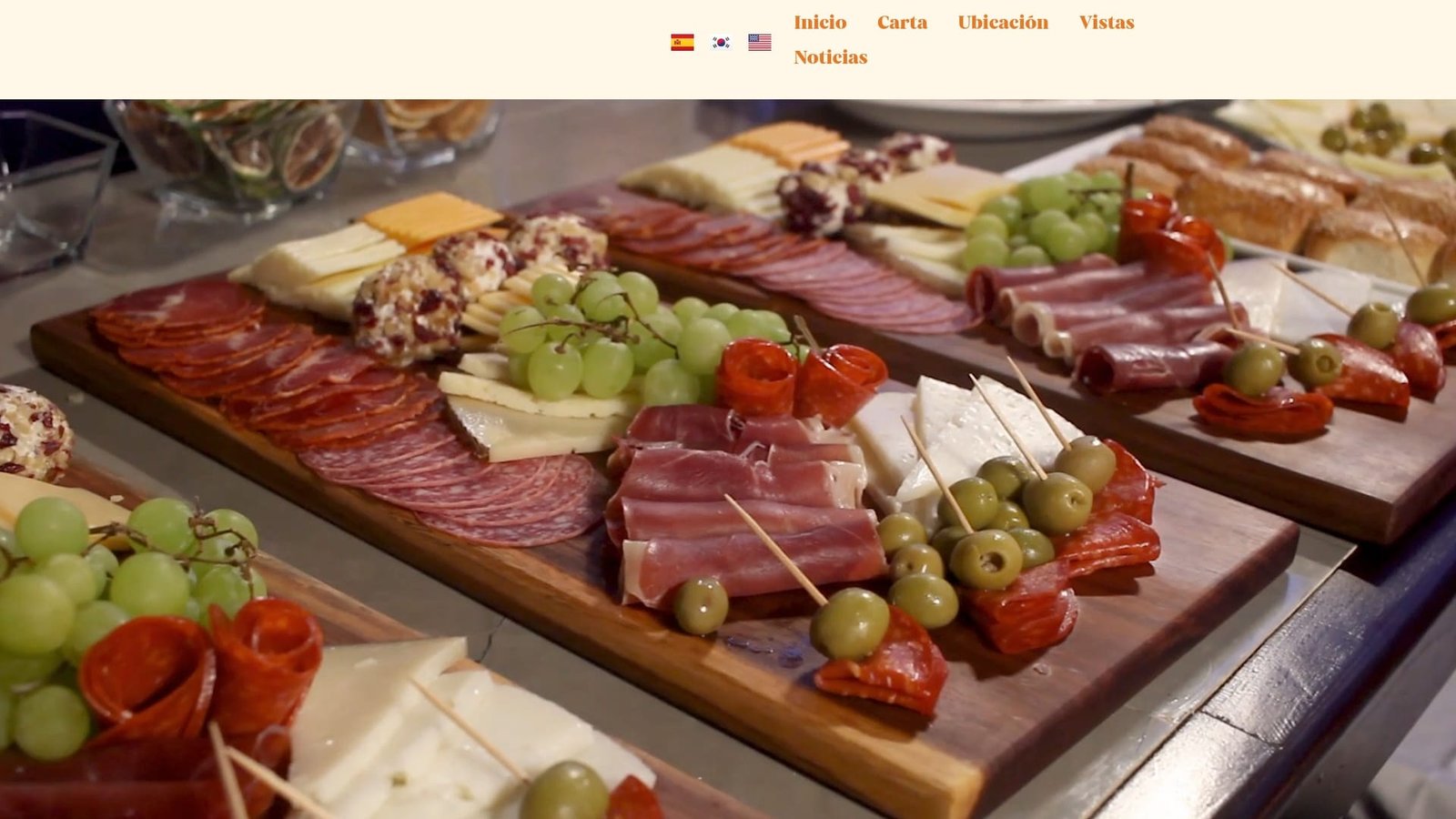
Reservations at Kokcha come with bilingual service in Spanish and English, group booking support for celebrations, a terrace with city views you can request when you book, and space to add special-occasion notes right in the reservation. Whether you’re planning a birthday dinner, a business lunch, or a first look at the full menu before you decide, reserving ahead means the kitchen and floor staff already know you’re coming. Check availability and reserve your table now through Kokcha’s booking page, or call ahead if you’d rather confirm details like terrace seating or a group deposit by phone.
Frequently Asked Questions
Why book a table in advance instead of just showing up?
Booking ahead guarantees your seat, eliminates wait time, and gives you a real shot at the seating or accommodations you want, especially during peak dinner hours.
Is it necessary to book ahead for every restaurant?
No. Casual, fast-turn spots, bars, and off-peak hours are usually fine as walk-ins. Popular restaurants, weekend evenings, and tourist-heavy areas are where reservations matter most.
What happens if I need to cancel a reservation?
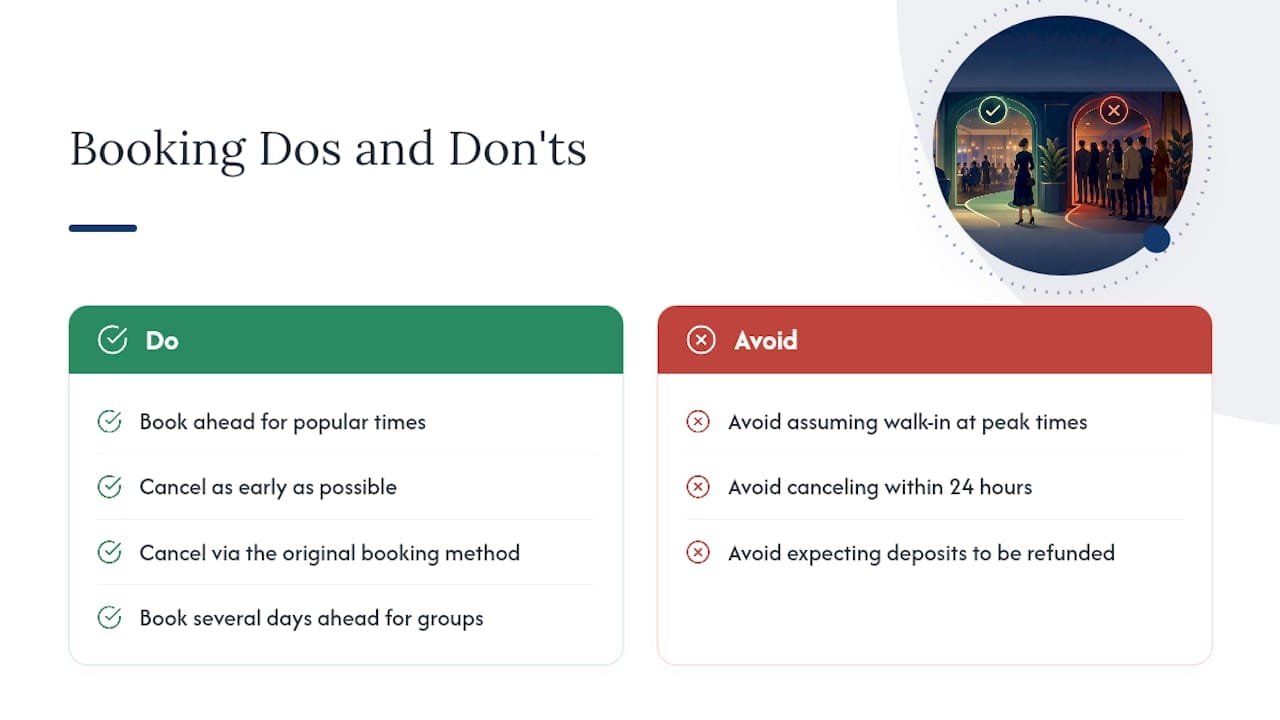
Cancel as early as possible through the same platform or phone number you used to book. Many restaurants apply a no-show fee only if you cancel inside a set window, often 24 hours.
Do reservation deposits get refunded?
It depends on the restaurant’s policy. Deposits for ticketed events or prix fixe menus are often nonrefundable close to the date, while standard table reservations rarely require one at all.
How far in advance should I book for a group?
For parties of six or more, or for celebrations, book several days ahead so the restaurant can plan seating and staffing. A group booking guide covers what to ask about deposits and pre-orders.
Sources
- Cornell University research on dining preferences
- OpenTable: Why restaurants need reservations
- Lightspeed: How restaurant reservations matter for service and operations
- Tablein: The importance of restaurant reservations