You’ve been there: kids squirming after five minutes, the menu offering only chicken nuggets, and a waiter who clearly wishes you’d picked a different table. Dining out with children should be one of life’s great pleasures, yet so many restaurants slap “family-friendly” on their signage without delivering what that promise actually requires. The difference between a stressful outing and a genuinely relaxing family meal comes down to a specific set of qualities, and once you know what to look for, you’ll never waste a reservation again.
Table of Contents
- Core features of a family-friendly restaurant
- Staff, service, and a welcoming atmosphere
- Cleanliness, layouts, and safety: Why design matters
- Menus for every family: Health, variety, and Mediterranean flair
- Entertainment and engagement: Keeping kids happy
- Our take: The bar for family dining is higher than most restaurants admit
- Experience it for yourself at Kokcha
- Frequently asked questions
Key Takeaways
| Point | Details |
|---|---|
| Welcoming atmosphere | Trained staff and a warm ambiance are essential for families to feel comfortable dining out. |
| Safe and clean design | Restaurants with clean spaces, childproofed layouts, and easy accessibility keep families returning. |
| Healthy, varied menus | Offering nutritious Mediterranean options for all ages encourages both enjoyment and loyalty. |
| Engaging entertainment | Play spaces and fun table activities help children stay content while adults enjoy their meal. |
| Quick, thoughtful service | Fast service for kids’ meals, combined with patience, reduces stress and enhances the whole dining experience. |
Core features of a family-friendly restaurant
With the problem set, let’s zoom out and see what “family-friendly” truly means, and where many restaurants miss the mark.
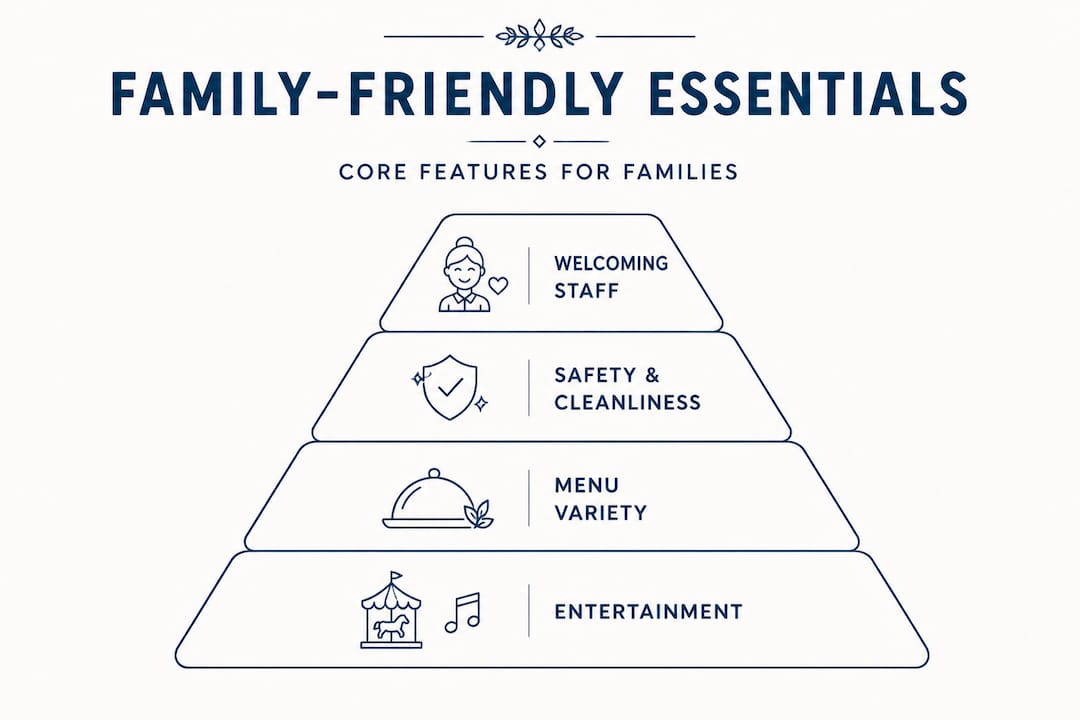
Most parents have walked into a restaurant that looked welcoming on the outside but felt chaotic the moment they arrived. The tables were too close together for a stroller, the noise level was ear-splitting, and the kids’ menu was a laminated afterthought. True family-friendliness is built on four foundations: convenient location, child safety, entertainment, and food variety. Miss any one of them, and the whole experience can unravel.
Location matters more than people admit. A restaurant a short walk from a major landmark, like the Sagrada Família in Barcelona, means no exhausted, over-stimulated children after a long transit. You arrive closer to calm, which sets the tone for the meal. Once inside, safety becomes the immediate concern: clear sightlines, rounded furniture edges, non-slip floors, and seating that keeps small children secure. Entertainment options such as play areas, coloring books, interactive games, or visible play spaces keep children engaged while parents actually get to talk. Clean, spacious layouts with controlled noise, durable surfaces, and hygiene focus round out the safety picture.
Here’s a quick snapshot of the core qualities and how they typically show up in practice:
| Quality | What it looks like in a basic restaurant | What it looks like in a truly family-friendly restaurant |
|---|---|---|
| Location | Accessible by car only | Close to landmarks, public transit, walkable |
| Safety | Standard adult furniture | Rounded edges, high chairs, non-slip floors |
| Entertainment | TV in corner | Coloring kits, play areas, interactive menus |
| Food variety | Nuggets and fries | Kid-sized Mediterranean plates, healthy sides |
| Layout | Tables packed tightly | Stroller access, quiet zones, wide aisles |
Mediterranean restaurants in Barcelona bring an interesting dimension to these features. The culture around family celebrations in restaurants is genuinely embedded in the way these spaces are designed: shared plates, relaxed timing, and a warm Mediterranean ambiance that naturally puts everyone at ease.
“A restaurant that actively designs for children’s needs sends a clear message to parents: you are welcome here, and so are your kids.”
Key features to look for on your next outing:
- High chairs and booster seats available without having to ask twice
- Non-breakable dishes for younger children to avoid accidents and stress
- Clearly marked restrooms with space for diaper changing
- Sound absorption in the design (soft furnishings, dividers, outdoor terrace options)
- Visible play corner or table activities within a parent’s sightline
Staff, service, and a welcoming atmosphere
Once the basics are in place, thoughtful staff, pace, and hospitality bring a family experience to life.
You can have the most thoughtfully designed restaurant in Barcelona, but if the server sighs when you ask for a high chair, the evening is already off track. Staff attitude is, arguably, the single biggest variable in the family dining equation. Patience, genuine warmth toward small guests, and the ability to read a table’s energy are skills that don’t come automatically. They come from intentional training.
Staff training for patient, child-engaging service, quick pacing for kids’ food, and family promotions like “kids eat free” nights can transform the atmosphere from merely acceptable to genuinely memorable. A server who crouches down to talk to a four-year-old at eye level, or who brings a small snack while the main courses are prepared, is performing the kind of hospitality that earns loyal families.
Here’s how good family-friendly service tends to unfold, step by step:
- Greeting the whole family. Staff acknowledge the children by name or directly, not just the adults.
- Seating with care. The host considers stroller space, proximity to restrooms, and noise levels when choosing a table.
- Quick delivery of kids’ food. Children’s plates arrive first or simultaneously, not ten minutes after the adult meals.
- Checking in without hovering. Staff balance attentiveness with giving families breathing room.
- Flexible portions and substitutions. Without complaint, staff accommodate simple requests like “no sauce” or “half portion.”
- Warm send-off. Children are acknowledged again at departure, reinforcing the feeling of having been genuinely welcomed.
Understanding Mediterranean family restaurant features helps clarify why this region does hospitality differently. The tradition of lingering over meals, of welcoming multiple generations to a single table, is cultural DNA. It isn’t performed. For families planning larger gatherings, reviewing tips for successful family events can help set expectations before you even arrive.
Pro Tip: When booking, call ahead and mention you’re bringing young children. A genuinely family-friendly restaurant will respond with enthusiasm and practical offers, like reserving a corner table or confirming high chair availability. If they seem indifferent, that’s telling.
Cleanliness, layouts, and safety: Why design matters
Atmosphere alone isn’t enough. Restaurants must prioritize cleanliness and safety in every detail to earn family loyalty.
Think about the last time you placed a baby in a restaurant high chair and felt a moment of doubt about when it was last cleaned. That hesitation is a failure on the restaurant’s part. Hygiene and safety aren’t bonus features. They are baseline requirements for any family to return.
Clean, spacious layouts with controlled noise, durable surfaces, and hygiene focus are the unglamorous backbone of the family dining experience. Sanitized high chairs, clean restrooms with low-reach sinks, changing tables accessible to both parents, and non-toxic materials on children’s menus and activity kits all fall into this category.
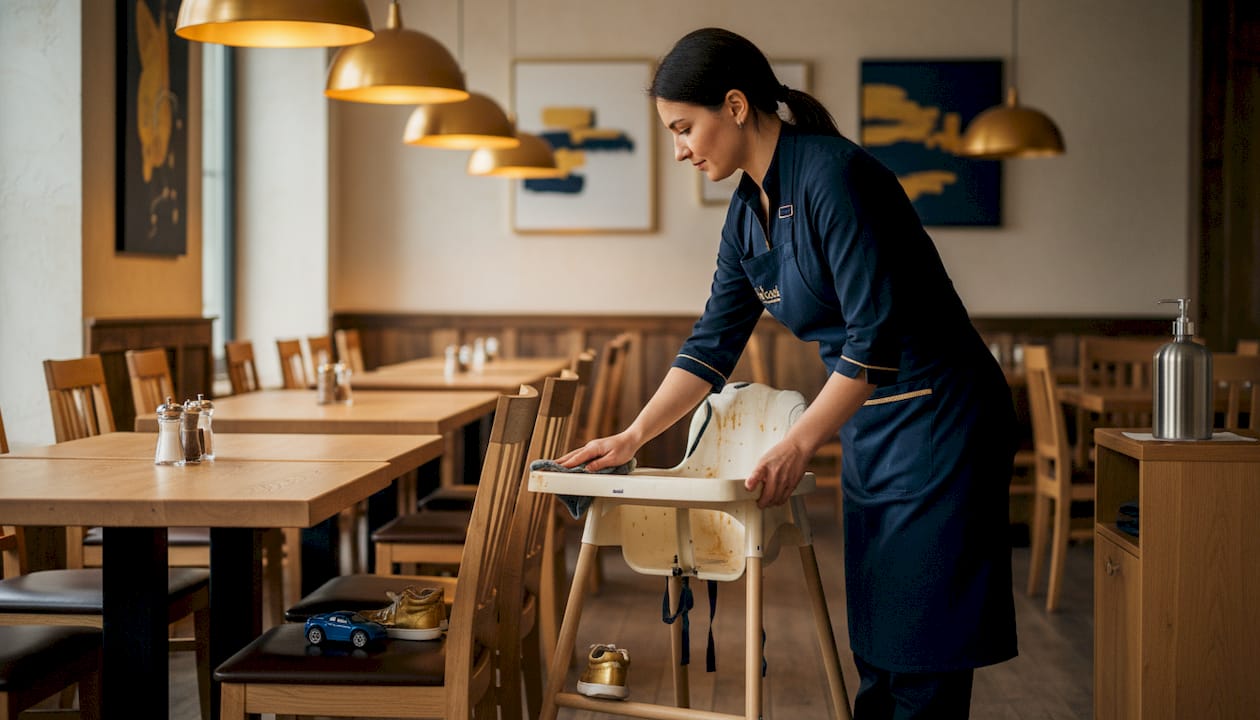
Layout plays a bigger role than most parents consciously realize. A cramped restaurant forces children and parents into uncomfortable proximity with strangers, raises the ambient noise level, and makes managing a toddler feel like an athletic event.
| Layout feature | Why it matters for families |
|---|---|
| Wide table spacing | Stroller access, less noise spillover |
| Outdoor terrace option | Natural noise buffer, fresh air for restless kids |
| Quiet seating zones | Lower stimulation for younger children |
| Accessible restrooms | Close, clean, equipped for families |
| Low-level surfaces | Children can see the food, feel included |
The best way to use a restaurant checklist in Barcelona is to run through these physical elements before you book, not after you’re seated. A quick scan of the restaurant’s photos online or a short call to ask about layout can save the whole family from an uncomfortable evening.
Physical space considerations that signal a restaurant takes families seriously:
- Wide aisles (at least 36 inches) that accommodate strollers without blocking other diners
- Sturdy, clean high chairs with functioning safety straps
- Surfaces that wipe clean easily so spills don’t become a big deal
- Outdoor or semi-outdoor terrace space for extra room and natural light
- Dividers or banquettes that create semi-private zones for families with toddlers
A restaurant near the Sagrada Família, for example, can leverage outdoor terrace space beautifully, giving families room to breathe while staying within the warmth and service of the full dining experience.
Menus for every family: Health, variety, and Mediterranean flair
Even the best-designed space can miss the mark if the menu lacks appeal for the whole family.
Children are honest food critics. If the kids’ menu reads as a series of compromises, beige food on a sad corner of the page, parents know immediately that they are not a priority for the kitchen. The good news is that Mediterranean cuisine is one of the most naturally family-adaptable food traditions in the world. Vegetables are flavorful, proteins are lean and varied, and the emphasis on fresh, seasonal ingredients means kids are eating real food rather than processed approximations.
Frequent family meals link to better child diet quality and lower obesity risk, and restaurants that offer genuinely healthy kids’ options see tangible loyalty from returning families. This isn’t a niche finding. It’s a powerful incentive for restaurants to invest in thoughtful menu planning, and for parents to prioritize it when choosing where to eat.
What does a well-designed family menu look like in practice? Consider:
- Kid-sized paella portions with colorful vegetables and mild seasoning
- Small tapas plates designed for sharing, which naturally keeps children engaged in the meal
- Grilled fish and lean meats rather than exclusively fried options
- Fresh salads with accessible ingredients like tomato, cucumber, and cheese
- Fruit-based desserts that satisfy a sweet tooth without sugar overload
- Allergy-aware modifications communicated clearly without making parents feel awkward
Pro Tip: Look for restaurants that describe their kids’ options the same way they describe adult dishes, with care and specificity. A menu that says “fresh grilled sea bass with roasted vegetables, half portion” tells you far more about the kitchen’s attitude toward young diners than one that simply lists “kids’ pasta.”
For families visiting Barcelona in 2026, healthy family menu options in Mediterranean restaurants are increasingly refined, with more places offering the full depth of the cuisine in child-friendly formats. That evolution is worth seeking out.
Entertainment and engagement: Keeping kids happy
Beyond food and space, the ingredients for a joyful meal out include making sure children have reasons to smile and stay content.
Every parent knows the window. You have roughly 15 to 20 minutes after arrival before a young child’s patience begins to erode. How a restaurant fills that window determines whether you’ll finish your meal with a glass of wine and a conversation, or spend the whole evening managing an escalating situation.
Smart restaurants understand that engagement doesn’t require expensive technology or elaborate play structures. Entertainment options such as play areas, coloring books, interactive games, or visible play spaces keep children engaged while parents dine, and the best options require minimal staff management once deployed.
Here’s how effective child engagement typically unfolds in a well-run restaurant:
- Immediate table activities. Coloring sheets, small puzzles, or themed activity menus arrive with or before the drinks.
- Age-appropriate options. Toddlers get large-format coloring pages; older children get word games or trivia about local culture (perfect near the Sagrada Família).
- A visible play corner. Positioned where parents have clear sightlines, so children can move around without anxiety on anyone’s part.
- Interactive food experiences. Simple things, like letting children choose a topping or assemble a small dish, turn eating into an activity.
- Outdoor space when available. A terrace allows children to move naturally without disturbing other diners indoors.
“The goal isn’t to distract children from the meal experience. It’s to give them their own version of it, one that matches their energy and attention span.”
The balance between stimulation and safety is worth emphasizing. A restaurant that hands tablets to every child at the table has solved one problem while creating another. The best family-friendly restaurants use physical, tactile activities that keep children engaged without replacing the social experience of a family meal.
Our take: The bar for family dining is higher than most restaurants admit
Here’s an unpopular opinion in the restaurant world: most venues that market themselves as family-friendly are really just tolerant of families. There’s a real difference. Tolerant restaurants have high chairs in a cupboard somewhere. Genuinely family-friendly restaurants have them clean and ready. Tolerant restaurants offer a kids’ menu. Truly welcoming ones treat that menu with the same kitchen pride as everything else.
The families who keep coming back, who become regulars, who tell friends and post enthusiastically about their experience, are the ones who felt that their children were genuinely welcomed rather than managed. That feeling comes from dozens of small signals: the server who remembered a child’s name, the kitchen that sent out an extra portion of bread unprompted, the terrace table reserved because the host knew a toddler would enjoy the open air.
Barcelona, and particularly the area around the Sagrada Família, has the raw ingredients for exceptional family dining: the Mediterranean tradition of multi-generational meals, fresh and varied cuisine, and outdoor spaces that give families room to breathe. The restaurants that harness all of that intentionally are the ones worth your reservation.
Experience it for yourself at Kokcha
If you’ve been nodding along to this guide, you already know what you’re looking for: a restaurant that takes the whole family seriously, from the youngest guest at the table to the adult who just wants one relaxed meal without compromise.
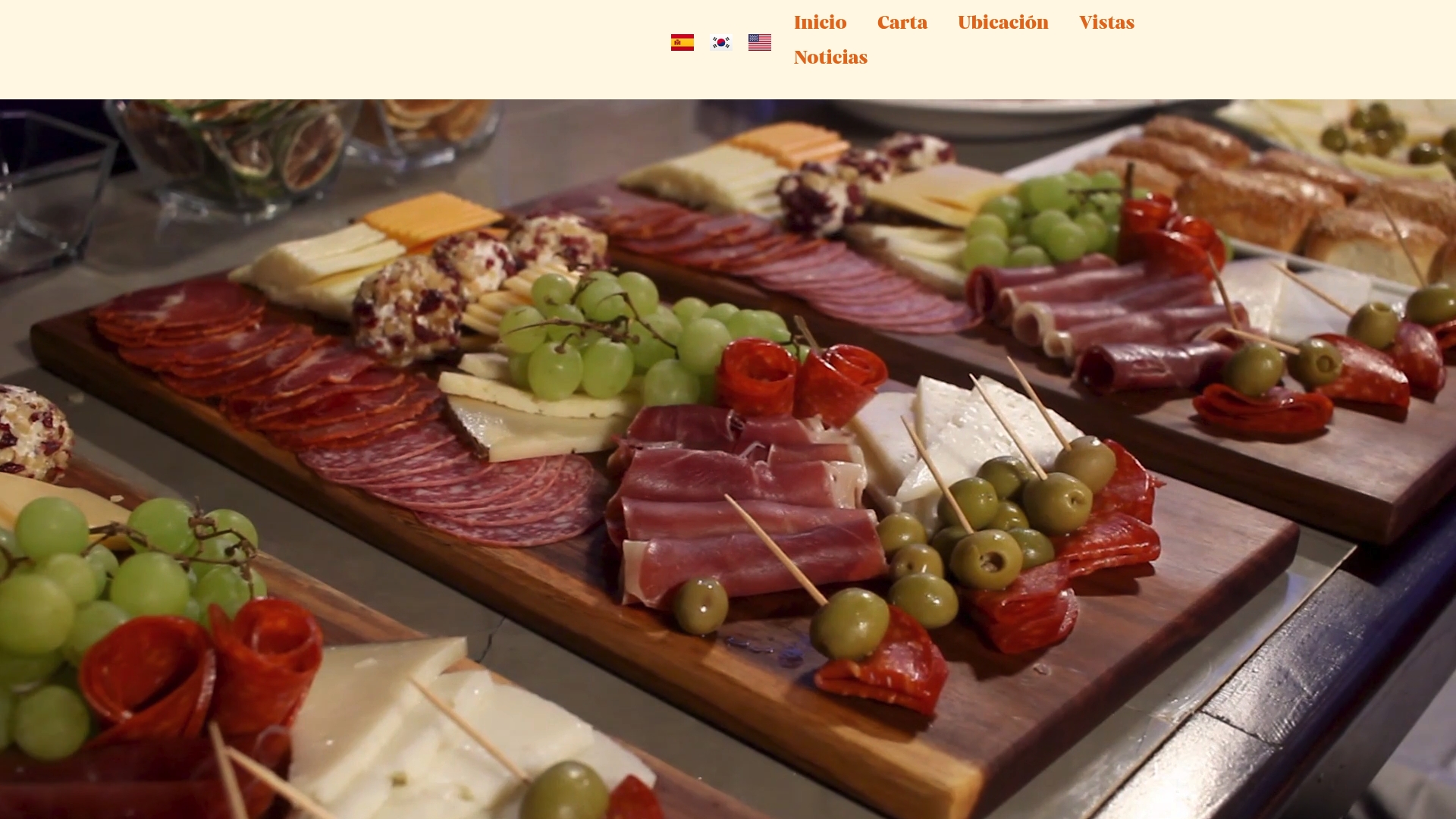
At Kokcha, steps from the Sagrada Família in Barcelona, that’s exactly the experience we’ve built. Our Mediterranean menu spans tapas, paella, fresh seafood, grilled meats, pasta, and desserts, with options designed to delight curious young eaters and satisfy discerning adults in equal measure. Our terrace, our thoughtfully designed interior, and our team’s genuine enthusiasm for families make every outing feel like the meal you actually planned for. Reserve your table and bring the whole family.
Frequently asked questions
Are play areas always safe for children in restaurants?
Play areas are excellent for keeping children engaged, but adult supervision remains essential since even well-designed play spaces carry risks when children are unsupervised.
What type of menu options support healthy family dining?
Menus that include vegetables, lean proteins, and balanced Mediterranean options promote better diet quality and lower obesity risk for children over time.
How can staff attitudes impact the dining experience for families?
Patient, friendly staff and prompt kids’ meal service can transform a routine outing into a genuinely relaxing event that families want to repeat.
Do Mediterranean restaurants in Barcelona cater well to families?
Many do, especially those near cultural landmarks, but look specifically for clear signs of kid engagement, healthy menu variety, and genuine warmth from the team rather than just a “kids welcome” sign on the door.
Recommended
- Restaurante Familiar: Claves para una Experiencia Mediterránea
- Celebraciones Familiares en Restaurantes: Impacto y Valor
- Menús familiares 2026: 67% prefieren opciones saludables
- 7 pasos clave en checklist para eventos familiares exitosos
- 7 Essential Family Cookware Recommendations for Chefs – Brass & Steel
- Coffee shop decor ideas to boost community and comfort