Spanish-style seafood is defined by three non-negotiable pillars: fresh coastal ingredients, a sofrito flavor base, and cooking techniques that protect the natural sweetness of the sea. This style of cooking, formally known as cocina marinera within Spanish culinary tradition, goes far beyond paella. It includes slow-simmered stews like zarzuela, steamed shellfish prepared with surgical precision, and tapas built around a single perfect clam or mussel. Understanding what is Spanish-style seafood means understanding a philosophy, not just a recipe. Kokcha, a Mediterranean restaurant in Barcelona near the Sagrada Familia, brings this tradition to the table every day.
What is Spanish-style seafood, and what makes it unique?
Spanish-style seafood is built on a foundation that most cuisines overlook: restraint. The goal is never to overpower the seafood. It is to amplify what is already there. Culinary experts stress that the best seasoning for Spanish seafood is the sea itself, requiring minimal intervention to avoid overpowering natural flavors. That single principle separates Spanish cocina marinera from most other seafood traditions worldwide.
The style draws from Spain’s 4,964 kilometers of coastline, which means regional variation is enormous. Galicia in the northwest favors steamed shellfish and briny simplicity. Valencia on the Mediterranean coast gave the world paella. Andalusia in the south leans toward fried fish and cold seafood salads. Each region applies the same core philosophy differently, which is why Spanish-style seafood is not monolithic but a mosaic of diverse techniques and flavor profiles adapted locally.
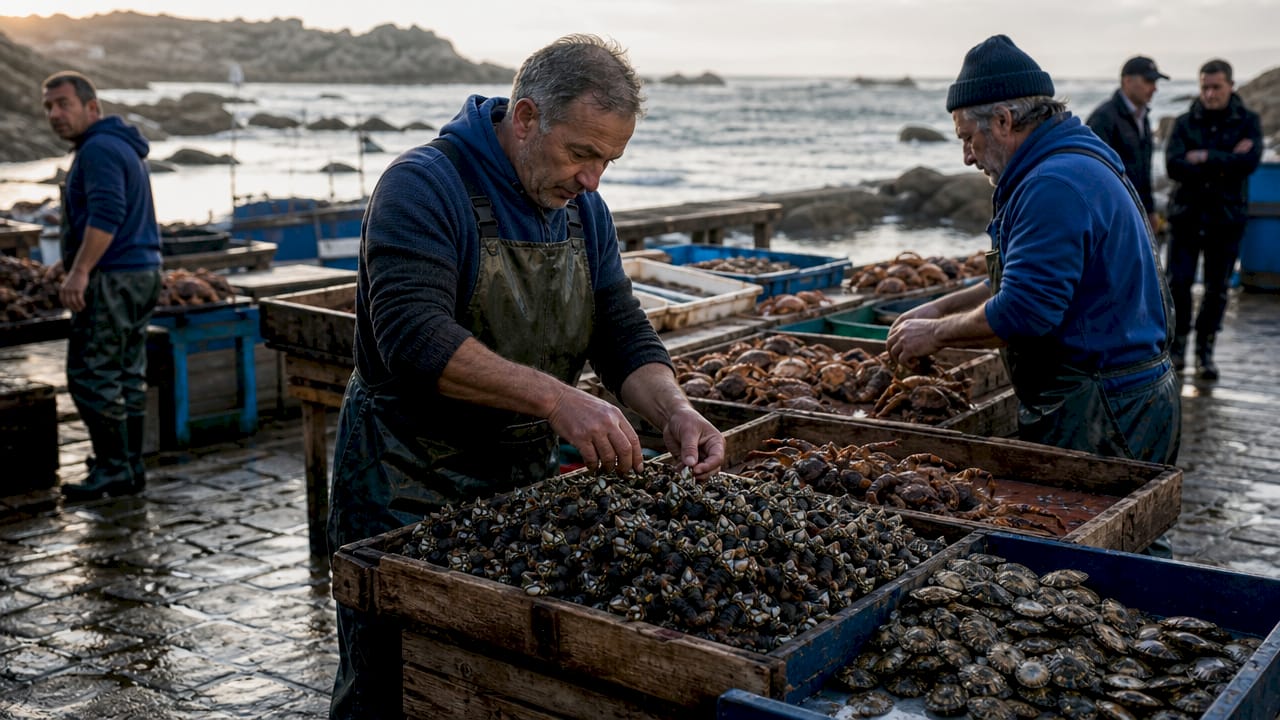
What unifies all of these regional expressions is the commitment to freshness and the use of a small set of foundational ingredients. Olive oil, garlic, tomato, onion, and pimentón appear in some form across nearly every Spanish seafood dish. These are not garnishes. They are the architecture of the flavor.
What are the essential ingredients and flavor bases in Spanish-style seafood?
The sofrito is the starting point for most Spanish seafood recipes. Authentic Spanish-style seafood cooking centers on a sofrito base consisting of olive oil, garlic, onion, tomato, and ñora pepper, which is essential for dishes like paella and seafood stews. The ñora pepper is a small, dried, round pepper with a mild, smoky sweetness. It is not widely known outside Spain, but it is irreplaceable in authentic recipes.
Beyond sofrito, these ingredients define the Spanish seafood flavor profile:
- Pimentón (Spanish paprika): Available in sweet, bittersweet, and smoked varieties. Smoked pimentón from La Vera adds a distinctive depth that no other spice replicates.
- Fumet (fish stock): A standard 4-person arroz marinero uses approximately 1,200 ml of fish fumet, which shows how central this stock is to achieving the right flavor concentration.
- White wine: Used in dishes like almejas a la marinera, where the wine is reduced by 50% to avoid a harsh alcohol taste while keeping the aromatic complexity.
- Guindilla chili: A mild Spanish chili that adds warmth without heat, used sparingly in coastal stews.
- Extra-virgin olive oil: Not just a cooking fat. It carries flavor and binds the sofrito together.
Pro Tip: Build your sofrito low and slow. Rushing it at high heat burns the garlic and turns the tomato bitter. Give it 15–20 minutes on medium heat and the difference in your final dish will be dramatic.
The Mediterranean diet that underpins Spanish cooking treats olive oil as a primary ingredient, not a condiment. That distinction matters when you are building a sofrito or finishing a seafood stew.
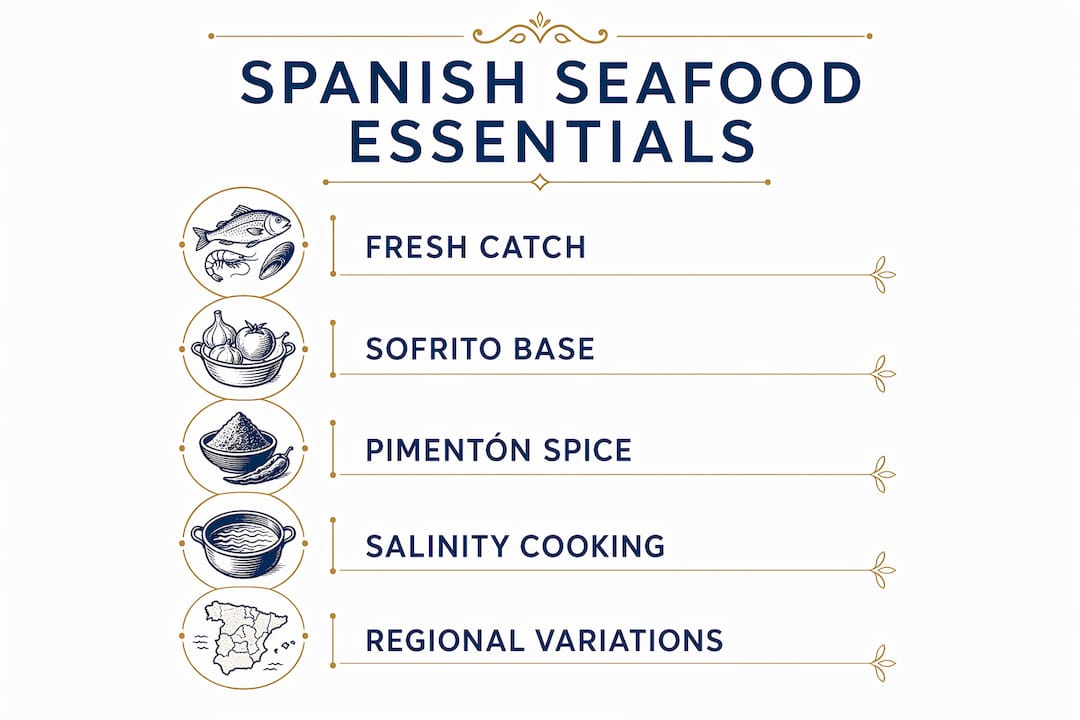
How do Spanish cooking techniques enhance seafood flavor?
Spanish seafood cooking techniques are built around one idea: protect what the ocean gave you. The methods below are not interchangeable. Each one serves a specific purpose.
-
Steaming in natural vapor. Mussels must steam in their own vapor without added water to maintain quality. Adding water or broth dilutes the flavor and causes overcooking. The shells hold enough moisture to create the steam needed. Remove them from heat the moment they open.
-
Salinity-matched boiling. Galician cooks boil crustaceans in water matched to Atlantic seawater salinity at 35g of salt per liter. This replicates the shellfish’s natural environment and preserves its texture. Using plain tap water produces a noticeably blander result.
-
Quick searing (vuelta y vuelta). This technique, whose name translates literally as “turn and turn,” involves searing fish or shellfish over very high heat for a short time on each side. It creates a caramelized crust while keeping the interior moist and barely cooked.
-
Slow simmering in stews. Dishes like zarzuela de mariscos use a long, gentle simmer to meld flavors. The seafood goes in last, cooking only for the final minutes to avoid toughening.
-
Manual extraction for large crustaceans. Chef Manuel Costiña’s approach to centollo (spider crab) involves opening the shell without tools to preserve meat quality and allow extraction of the coral as a delicate spread. Metal tools can damage the meat and impart a metallic taste.
Pro Tip: For premium shellfish like percebes or centollo, use filtered water with exactly 35g of salt per liter. The difference in flavor compared to plain tap water is immediate and significant.
The philosophy behind all of these methods is the same. Top Spanish chefs attribute 90% of a dish’s success to ingredient freshness and natural juices. Technique exists to protect those qualities, not to replace them.
What are the iconic traditional Spanish seafood dishes?
Traditional Spanish seafood dishes reflect centuries of coastal culture and the “mar y montaña” (sea and mountain) philosophy that combines ocean and land ingredients in the same pot. Spanish seafood dishes reflect this philosophy through combinations like shrimp with chickpeas or clams with white beans, highlighting regional produce alongside fresh seafood.
| Dish | Region | Key Ingredients | Flavor Profile |
|---|---|---|---|
| Seafood paella | Valencia | Rice, fumet, saffron, mixed shellfish | Savory, aromatic, slightly smoky |
| Zarzuela de mariscos | Catalonia | Mixed shellfish, tomato, almonds, wine | Rich, complex, slightly sweet |
| Almejas a la marinera | Galicia/nationwide | Clams, white wine, pimentón, garlic | Briny, bright, mildly spicy |
| Centollo al natural | Galicia | Spider crab, seawater | Pure, oceanic, minimal seasoning |
| Gambas al ajillo | Nationwide | Shrimp, garlic, olive oil, guindilla | Intense, garlicky, warming |
A few details about these dishes deserve attention:
- Seafood paella is not a simple rice dish. The socarrat, the caramelized crust that forms on the bottom of the pan, is the mark of a correctly made paella. Achieving it requires precise heat control and the right ratio of fumet to rice.
- Almejas a la marinera depends entirely on the wine reduction. The wine reduces by 50% to create the signature coastal aroma without harsh alcohol notes.
- Seafood tapas like gambas al ajillo or boquerones en vinagre represent the everyday expression of Spanish seafood culture. These dishes appear on seafood tapas menus across Barcelona and the rest of Spain.
Seasonality drives ingredient choices across all of these dishes. Galician centollo is best in winter. Percebes peak in summer. Clams are at their finest in spring. Spanish cooks treat the calendar as a menu.
How does Spanish seafood differ from broader Mediterranean cuisine?
Spanish-style seafood and general Mediterranean seafood cuisine share olive oil, garlic, and fresh fish. The differences, though, are significant enough to make them distinct culinary traditions.
The clearest distinction is the sofrito and pimentón combination. Italian, Greek, and Turkish seafood traditions do not use ñora pepper or smoked pimentón. Key ingredients such as ñora pepper and pimentón alongside sofrito separate Spanish seafood flavor profiles distinctly from other Mediterranean styles. Greek cooking favors lemon and oregano. Italian cooking leans on capers, anchovies, and fresh herbs. Spanish cooking builds its base before the seafood ever hits the pan.
The technique gap is equally wide. Spanish cocina marinera uses salinity-matched water, vapor-only steaming, and the vuelta y vuelta sear. These are not common practices in Italian or Greek seafood kitchens. The Spanish approach treats the cooking environment itself as a flavor variable.
The biggest misconception travelers carry is that Spanish seafood is heavily spiced. Authentic Spanish style favors purity and quick cooking techniques to highlight raw seafood qualities. The spice level in most traditional dishes is mild. The complexity comes from technique and quality ingredients, not from heat or heavy seasoning.
The Mediterranean seafood tasting guide for Barcelona travelers makes this point clearly: the best Spanish seafood dishes taste most intensely of the sea, not of the kitchen.
Key Takeaways
Spanish-style seafood is defined by sofrito, pimentón, salinity-matched cooking techniques, and a philosophy of protecting natural seafood flavor above all else.
| Point | Details |
|---|---|
| Sofrito is the foundation | Every authentic Spanish seafood dish starts with olive oil, garlic, onion, tomato, and ñora pepper. |
| Technique protects flavor | Steaming in natural vapor and salinity-matched boiling preserve texture and taste that water dilutes. |
| Restraint is the philosophy | Top Spanish chefs attribute 90% of dish success to ingredient freshness, not seasoning complexity. |
| Regional variation is wide | Galicia, Valencia, and Andalusia each apply the same core principles through entirely different dishes. |
| Spanish seafood is not Mediterranean generic | Ñora pepper, pimentón, and sofrito create a flavor profile that no other Mediterranean tradition replicates. |
What I’ve learned from years of eating and cooking Spanish seafood
The most common mistake I see travelers make is ordering paella everywhere and assuming they have experienced Spanish seafood. Paella is one dish in a tradition that includes dozens of equally compelling preparations. A plate of almejas a la marinera at a coastal bar in Galicia will teach you more about Spanish seafood philosophy than any tourist-facing paella.
The second mistake is underestimating simplicity. Centollo served at natural temperature with nothing but its own juices is one of the most complex flavor experiences in European cuisine. That complexity comes from the quality of the crab and the precision of the cook, not from a sauce. When a Spanish chef tells you the sea is the best seasoning, they mean it literally.
The third thing I have noticed is that the best Spanish seafood restaurants source by season and by region. They do not serve centollo in july or clams that traveled 800 kilometers. The Spanish mariscos tradition is inseparable from the idea that what grows near the water should be cooked near the water, and eaten quickly.
If you are cooking Spanish seafood at home, start with the sofrito. Get that right and the rest of the dish has a foundation worth building on. Rush it or skip it and no amount of good seafood will save the result.
— YellowRock
Authentic Spanish seafood at Kokcha in Barcelona
Kokcha is a Mediterranean restaurant in Barcelona, steps from the Sagrada Familia, where Spanish seafood is cooked with the same respect for freshness and technique described throughout this article.
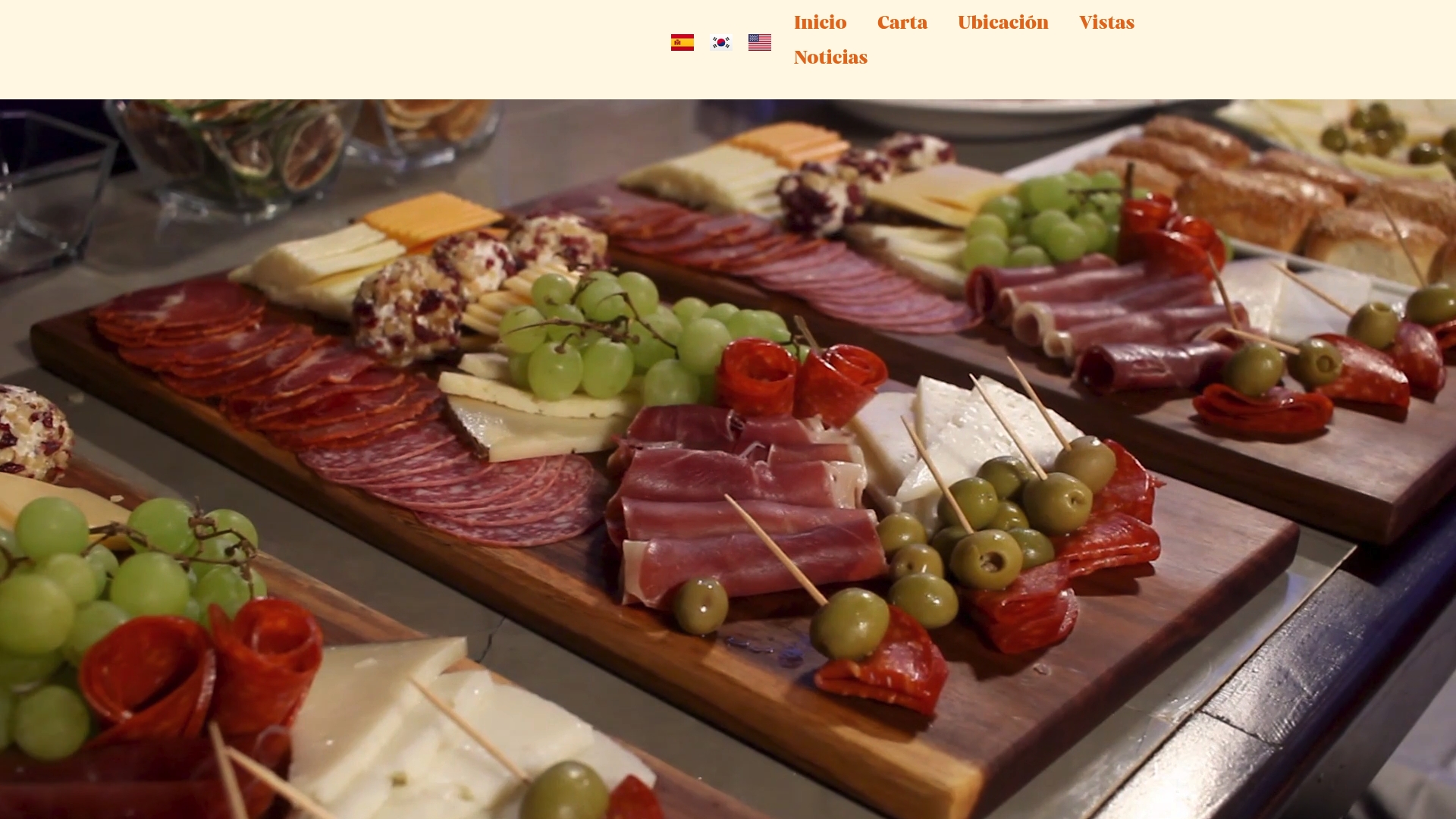
The seafood paella at Kokcha follows the Valencian tradition with a proper sofrito base, quality fumet, and the socarrat that separates a real paella from a rice dish. The menu also reflects the 2026 Mediterranean gastronomy trends toward seasonal sourcing and minimal intervention cooking. Whether you are a traveler visiting Barcelona for the first time or a culinary enthusiast looking for an authentic reference point, Kokcha offers the full range of Spanish-style seafood in a setting that matches the food.
FAQ
What is Spanish-style seafood?
Spanish-style seafood, formally called cocina marinera, is a culinary tradition built on a sofrito base, regional ingredients like pimentón and ñora pepper, and cooking techniques that preserve the natural flavor of fresh seafood.
What is sofrito and why does it matter in Spanish seafood?
Sofrito is a cooked base of olive oil, garlic, onion, tomato, and ñora pepper. It is the flavor foundation for most Spanish seafood dishes, including paella and seafood stews.
How do Spanish chefs cook mussels correctly?
Spanish chefs steam mussels in their own natural vapor without adding water or broth. Adding liquid dilutes the flavor and causes overcooking. The mussels are removed from heat the moment their shells open.
How does Spanish seafood differ from Italian or Greek seafood?
Spanish seafood uses sofrito, pimentón, and ñora pepper, which are absent from Italian and Greek traditions. Spanish technique also includes salinity-matched boiling and vapor-only steaming, which are not standard in other Mediterranean cuisines.
What are the most iconic Spanish seafood dishes?
The most recognized Spanish seafood dishes include seafood paella, zarzuela de mariscos, almejas a la marinera, gambas al ajillo, and centollo al natural. Each reflects a specific regional tradition and cooking philosophy.