If you think a “terraza” is just a balcony, you’re missing one of Spain’s most vibrant dining traditions. The word covers everything from rooftop lounges to buzzing plaza seating, and in cities like Barcelona, it defines how people eat, drink, and connect. Terrace dining is not a secondary option or a summer bonus. It is the heart of Spanish restaurant culture, and understanding it fully changes how you experience the city entirely.
Table of Contents
- What does “terraza” really mean in Spain?
- How terrace restaurants shape Spain’s dining culture
- Types of Spanish terrace restaurants: A detailed comparison
- Practical nuances: Weather, service, and menu on Spanish terraces
- Why terrace dining in Barcelona offers more than a meal
- Experience terrace dining with Mediterranean flavor in Barcelona
- Frequently asked questions
Key Takeaways
| Point | Details |
|---|---|
| Terraza means outdoor dining | A Spanish ‘terraza’ refers to any open-air seating area, not just rooftop spaces. |
| Terrace culture shapes Mediterranean life | Terrace restaurants are central to Spain’s social, culinary, and summer traditions. |
| Adapt to weather and local rules | Terrace service may pause during heat alerts, so check conditions when planning. |
| Menu highlights: Tapas and regional wines | Terrace menus favor Mediterranean flavors and local drinks for the ultimate Barcelona outdoor experience. |
| Know your terrace type | Rooftop, plaza, and street-level terraces each offer unique ambiance and views. |
What does “terraza” really mean in Spain?
Most visitors arrive in Barcelona thinking a terraza is simply a rooftop or an elevated balcony. That assumption leads to confusion when a waiter points to plastic chairs on a sidewalk and calls it the terraza. The reality is richer and more layered than a single translation can capture.
In Spanish, “terraza” refers to an open-air area that can be a balcony, patio, roof terrace, or outdoor seating section of a bar or restaurant. The key element is openness to the sky, not elevation. A ground-level cluster of tables beside a café counts just as much as a rooftop with panoramic views.
In Barcelona specifically, you encounter several distinct formats:
- Rooftop terrazas: Elevated spaces above buildings, often found in hotels and upscale restaurants, offering skyline or monument views
- Plaza terrazas: Tables arranged in open squares or plazas, surrounded by architecture and foot traffic
- Sidewalk terrazas: Street-level seating extending from the restaurant’s facade onto the pavement, separated by planters or rope dividers
- Patio terrazas: Enclosed or semi-enclosed courtyards within or behind a building, offering shade and calm
It helps to compare these settings side by side so you know what to expect before you arrive:
| Terraza type | Location | Atmosphere | Best for |
|---|---|---|---|
| Rooftop | Above buildings | Quiet, scenic | Couples, special occasions |
| Plaza | Open city squares | Lively, social | Groups, people-watching |
| Sidewalk | Street-level facade | Casual, fast-paced | Solo diners, quick meals |
| Patio | Enclosed courtyard | Intimate, shaded | Families, midday meals |
Understanding what living a Mediterranean terrace feels like is not just about the view. It is about the rhythm of the meal, the sounds of the city, and the culture of slowing down without shutting the world out.
The distinction also matters for residential versus commercial contexts. A resident talking about their terraza means their private outdoor space. A restaurant advertising a terraza means you can sit outside with food and drinks. Same word, very different expectations.
How terrace restaurants shape Spain’s dining culture
Once you understand what a terraza is, you start noticing how deeply it is embedded in Spanish life. This is not just outdoor seating bolted onto an indoor restaurant. A Spanish terrace restaurant is a specific style of dining where the outdoor setting is intentional, central to the experience, and often the reason people choose the place.
Spain’s long history of warm weather, communal meals, and slow evenings has made terrace dining a cultural institution. People do not rush through meals outside. They linger. They order another round of drinks. They watch the city move around them. This social rhythm is baked into the experience of eating on a terraza.
Here is what makes the benefits of terrace dining in Barcelona particularly compelling:
- Fresh air and natural light: Outdoor settings change how food is experienced. The smells, the breeze, and the light all enhance flavors and create a more relaxed atmosphere than most indoor spaces can match.
- People-watching as entertainment: Barcelona’s streets are alive with tourists, locals, musicians, and vendors. Sitting on a terraza puts you in the middle of the show without losing your seat.
- City-context meals: Eating near the Sagrada Familia, in the Gothic Quarter, or along the waterfront connects the meal to the city in a way that indoor dining simply cannot replicate.
- Flexible pacing: Outdoor settings naturally accommodate slower dining. Waitstaff know the rhythm. You are not rushed.
- Social amplification: Groups expand and conversations flow more easily when there are no walls. A terraza is built for connection.
Barcelona’s unique terrace views also set it apart from other Spanish cities. The blend of Modernista architecture, busy avenues, and proximity to landmarks gives even a simple sidewalk table a visual experience you cannot replicate indoors.
Pro Tip: Try to arrive for dinner at 9:00 or 9:30 PM if you want the authentic local experience. Spaniards eat late. Terraces fill up after 9 PM, and the atmosphere shifts from tourist-friendly to genuinely lively once the local crowd arrives.
The Mediterranean restaurant style that defines many Barcelona terrace restaurants emphasizes communal sharing, seasonal ingredients, and unhurried service. These are not coincidences. They reflect a food culture shaped by outdoor living for generations.
Types of Spanish terrace restaurants: A detailed comparison
Barcelona offers a wide spectrum of terrace restaurant experiences, and knowing the differences saves you from disappointment. Choosing a rooftop terrace when you want a lively social scene, or landing on a busy sidewalk table when you needed quiet romance, is entirely avoidable with a little preparation.
The terraza context matters enormously: a bar described as having a terrace might mean anything from three chairs on a cobblestone path to a fully furnished rooftop garden. Always check photos, ask when booking, and be specific about what you want.
Here is a detailed breakdown of what each type actually delivers:
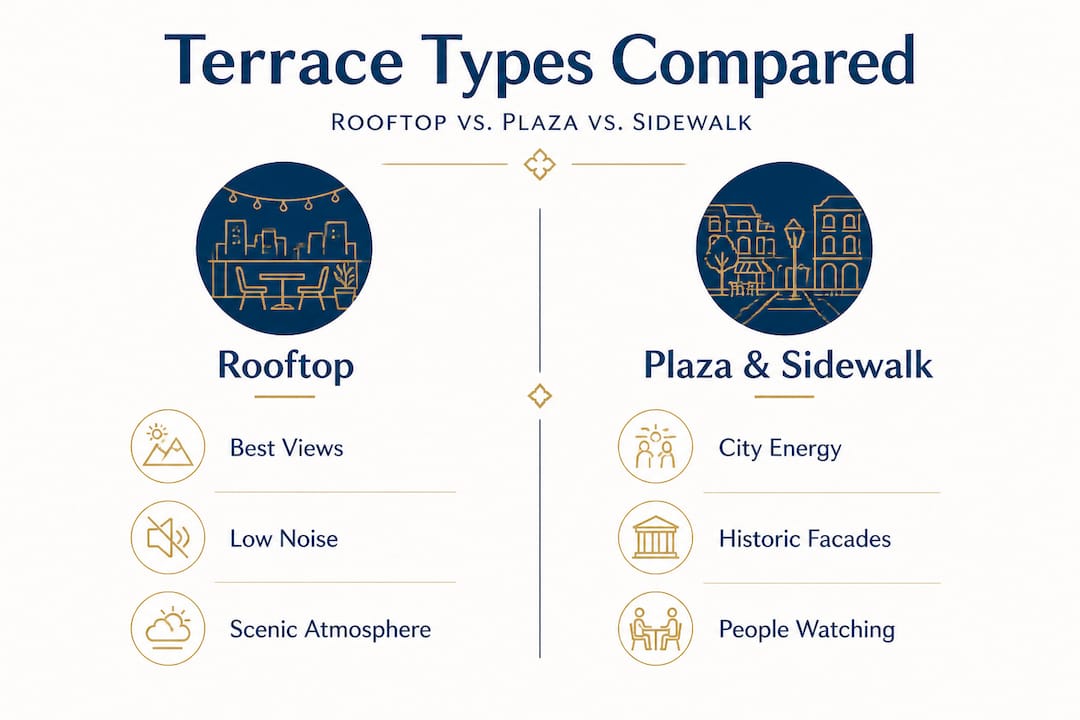
Rooftop terraces sit above the city noise. You get cleaner air, wider views, and a sense of being elevated above the chaos. These are quieter, which means conversation is easier. Drinks tend to be priced slightly higher because you are paying for the vista. Expect small plates, cocktails, and curated menus designed for extended stays.
Plaza terraces put you in the center of the action. The best ones surround you with historic facades, street performers, and the general energy of Barcelona at full volume. These spaces tend to fill fast and have higher table turnover, but the atmosphere is electric.
Sidewalk terraces are the most democratic format. You sit at the same level as pedestrians, sharing air with the city. Some of Barcelona’s finest casual tapas experiences happen at a sidewalk table. They are accessible, unpretentious, and often run by family-owned restaurants with loyal local followings.
| Feature | Rooftop | Plaza | Sidewalk |
|---|---|---|---|
| View quality | High | Medium | Low |
| Noise level | Low | High | Medium |
| Price range | Higher | Medium | Lower to Medium |
| Availability | Limited | Moderate | Wide |
| Best season | Spring/Fall | Year-round | Year-round |
If you want to find top terrace restaurants near Sagrada Familia, the neighborhood around the monument offers a dense mix of all three types within walking distance. The key is knowing what kind of experience you are after before you start looking.
One important note: the value of terrace views is not only aesthetic. Research consistently shows that dining with a view reduces perceived wait times, increases overall meal satisfaction, and encourages longer stays. You spend more, but you also enjoy more.
Practical nuances: Weather, service, and menu on Spanish terraces
Here is where many visitors get surprised. Spain’s terraces are not immune to the elements, and 2026 is shaping up to be a summer where weather plays an unusually large role in outdoor dining.
Outdoor terrace service in Spain can be suspended during extreme heat warnings. New heatwave protocols in several Spanish regions allow local authorities to require businesses to close outdoor seating when temperatures pose health risks. This means a restaurant you planned to visit for its terraza might switch to indoor-only service on particularly hot afternoons.
This is not a reason to abandon the terraza dream. It is simply a reason to plan smartly.
Key traveler insight: Check the weather forecast and any active heat alerts before you head out for a terraza dinner. If temperatures are expected to peak above 38°C (100°F), call ahead and confirm the terraza is open. Most restaurants will still serve outdoors in the evening when it cools.
Here is a practical reference for timing and conditions:
| Time of day | Typical temperature | Terraza status |
|---|---|---|
| Midday (12 PM to 3 PM) | Hottest, 35 to 40°C | May be closed in summer |
| Afternoon (3 PM to 7 PM) | Warm, 30 to 36°C | Usually open with shade |
| Evening (7 PM to 11 PM) | Comfortable, 22 to 28°C | Fully open, most popular |
| Night (11 PM onward) | Cool, 18 to 24°C | Open in warm months |
Beyond weather, there are real advantages to dining on a terraza that go beyond ambiance. The health and view benefits of outdoor dining include lower stress responses, higher levels of vitamin D absorption during daytime meals, and a general mood lift tied to fresh air and natural surroundings.
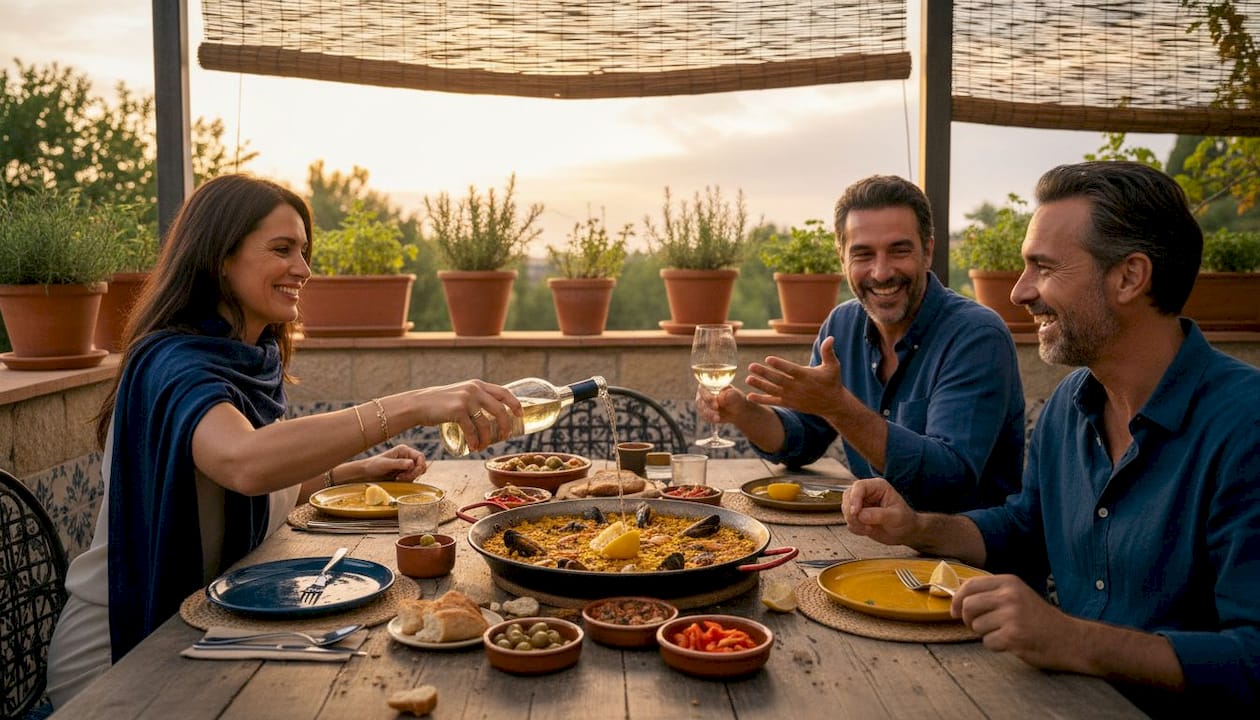
The menus at terrace restaurants reflect the outdoor setting beautifully. Expect cold plates, fresh seafood, seasonal vegetables, and dishes that travel well from kitchen to table in warm weather. If you are visiting a Mediterranean-focused terraza, a classic paella, a cold gazpacho, or a plate of jamón ibérico with local olives pairs perfectly with the setting.
For drinks, regional wines are the go-to. A Tempranillo pairs beautifully with grilled meats and aged cheese, while a crisp Verdejo is perfect alongside fresh fish or salads. Both are widely available at terrace restaurants in Barcelona.
Pro Tip: Reserve your terraza table at least 48 hours in advance during June through September. The best outdoor tables fill up within hours of becoming available, especially on weekends and near tourist landmarks. Many restaurants offer online booking, so use it.
Understanding why terrace dining is so central to Barcelona’s food scene also means understanding that it requires a little more planning than just walking in. The reward for that planning is substantial.
Why terrace dining in Barcelona offers more than a meal
Most travel guides tell you to find a terraza with a view and order the paella. That is not bad advice, but it misses what terrace dining actually is in Barcelona.
When locals sit on a terraza, they are not simply eating outside because the weather is nice. They are participating in a social ritual that has existed for generations. The table is a stage. The city is the backdrop. The food is almost secondary to the act of being present, seen, and connected. Tourists who treat the terraza as a convenient outdoor option are missing the soul of the experience.
The biggest mistake we see visitors make is choosing a terrace for its photo opportunity rather than its character. A rooftop with a forced Sagrada Familia view and a tourist-priced menu is not the same as a neighborhood sidewalk table where the waiter knows every regular and the anchovies come from that morning’s market. One is scenery. The other is Barcelona.
We also think most guides underestimate the importance of using your restaurant checklist essentials before you commit to a table. Asking about the menu’s sourcing, whether the terraza is covered during heat alerts, and what the kitchen specializes in will separate a memorable meal from a forgettable one.
Terrace dining in Barcelona rewards curiosity and patience. Slow down. Order slowly. Watch what your neighbors order and ask the waiter about it. The terraza is not a backdrop for your experience. It is the experience itself.
Experience terrace dining with Mediterranean flavor in Barcelona
If this article has made you want to book a table on a terraza and actually experience everything we have described, there is an obvious next step.
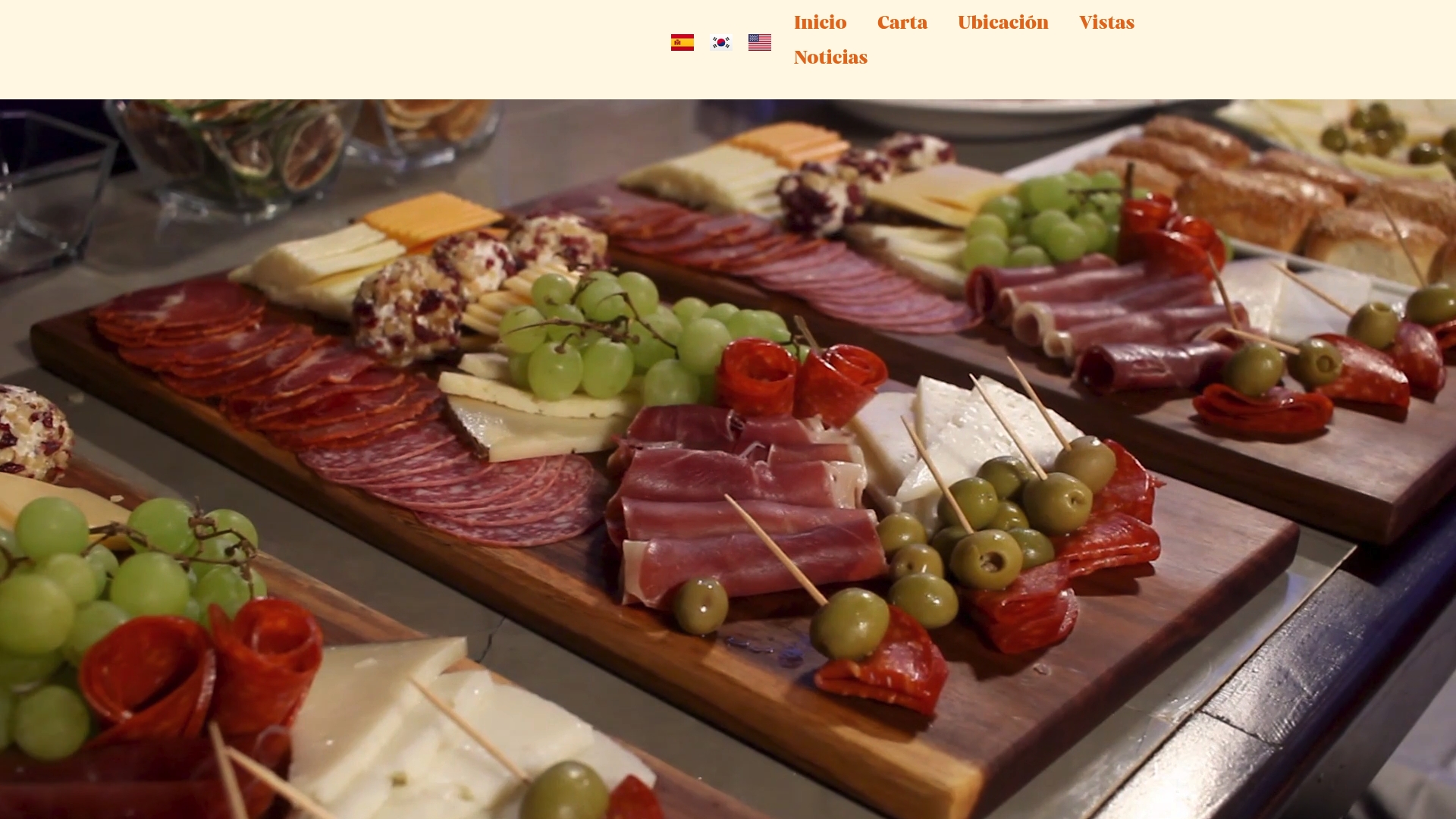
Kokcha is a Mediterranean restaurant located steps from the Sagrada Familia, offering exactly the kind of terrace dining experience this article explores. From signature tapas and fresh paellas to regional wines and seasonal Mediterranean dishes, the menu is built for outdoor enjoyment. Whether you are a tourist exploring the neighborhood or a local looking for a reliable terrace spot, you can browse the full Kokcha menu and plan your visit in advance. Discover what Mediterranean cuisine experience means in a real Barcelona setting, with views that complement every dish and a team that understands the rhythm of terrace dining.
Frequently asked questions
Are Spanish terrace restaurants open year-round?
Most terrace restaurants in Spain operate year-round, but outdoor service may be suspended during heatwaves or adverse weather conditions, switching guests to indoor seating instead.
Do terrace restaurants serve different menus than indoor eateries?
Terrace restaurants typically offer the same core menu indoors and outdoors, with a natural emphasis on cold plates, fresh Mediterranean tapas, and drinks well-suited to open-air dining.
How can I reserve a table at a terrace restaurant in Barcelona?
Most terrace restaurants offer online reservations through their websites; booking at least 48 hours ahead is strongly advised during peak summer months and weekends near major landmarks.
What kind of drinks and food are popular at Spanish terraces?
Popular terrace fare includes tapas, paella, fresh salads, and regional wines. Tempranillo is a classic red wine pairing, while lighter white wines like Verdejo suit seafood and vegetable dishes.
What should I expect when dining on a Spanish terrace during a heatwave?
Outdoor service may be paused during active heat warnings, and restaurants will move guests indoors to comply with local safety regulations. Always call ahead on extremely hot days.