Spanish salads, known formally as ensaladas españolas, are fresh, ingredient-driven dishes that rely on ripe tomatoes, salt cod, sherry vinegar, and extra virgin olive oil to deliver authentic Mediterranean flavor. The must-try Spanish salads on this list span Andalusia, Catalonia, and Cádiz, each reflecting a distinct regional identity. Most require only 20–30 minutes to prepare, which makes them as practical as they are delicious. What sets them apart from generic green salads is the quality of raw ingredients. In Spanish cooking, the ingredients are the recipe.
1. What are the top must-try Spanish salads?
The best Spanish salads are not dressed-up side dishes. They are complete expressions of regional identity, built on seasonal produce and time-tested techniques. Here are nine you need to know.
-
Pipirrana (Andalusia): A summer tomato salad made with chopped tomatoes, cucumber, green pepper, onion, hard-boiled egg, and canned tuna. Sherry vinegar provides the defining tang that no other vinegar replicates. Dress it no more than 15 minutes before serving to keep the vegetables crisp and the flavors sharp.
-
Ensalada Rusa (nationwide): Spain’s most beloved cold salad is a localized adaptation of the 19th-century French Olivier salad. The Spanish version swaps the original’s meat for tuna and uses olive oil-based mayonnaise. You find it in nearly every tapas bar from Barcelona to Seville.
-
Remojón Granadino (Granada): A winter salad built around navel oranges, flaked salt cod, olives, and spring onion. Seasonal timing matters here: peak citrus in january and february makes this dish exceptional. It is one of the most underrated salads in Spanish cuisine.
-
Esqueixada (Catalonia): Catalonia’s answer to salt cod salad combines shredded raw salt cod with tomatoes, red pepper, onion, and olives. The cod must be desalted overnight to remove excess salt without stripping its silky texture. Serve it cold with a generous pour of extra virgin olive oil.
-
Papas Aliñás (Cádiz): A warm potato salad from Cádiz dressed with sherry vinegar, olive oil, onion, and parsley. The key technique is dressing the potatoes warm so they absorb the vinegar and oil deeply. Potato-based salads like this one keep well for up to 4 days refrigerated.
-
Ensalada Mixta (nationwide): The everyday Spanish salad combines iceberg lettuce, tomato, tuna, olives, and hard-boiled egg. It appears on nearly every restaurant menu in Spain and serves as the baseline for understanding Spanish salad culture. Simple, fast, and satisfying.
-
Xató (Catalonia/Tarragona): A winter salad from the Penedès and Garraf regions featuring endive, salt cod, anchovies, and tuna. The defining element is the xató sauce, a romesco-style blend of dried peppers, almonds, and garlic. It is a protected regional specialty with its own annual festival.
-
Ensalada Malagueña (Málaga): A coastal salad combining boiled potatoes, salt cod, oranges, and olives. It shares DNA with Remojón Granadino but uses potatoes as a base, making it more filling. The combination of citrus and salt cod is a signature of Andalusian coastal cooking.
-
Ensalada de Pimientos Asados (nationwide): Roasted red peppers dressed with olive oil, garlic, and sherry vinegar. This salad is served at room temperature and improves with time as the peppers absorb the dressing. It pairs naturally with crusty bread and cured meats.
2. How do sherry vinegar and olive oil define Spanish salad flavor?
The flavor of traditional Spanish salad recipes comes down to two ingredients above all others: sherry vinegar and extra virgin olive oil. These are not interchangeable with generic pantry staples.
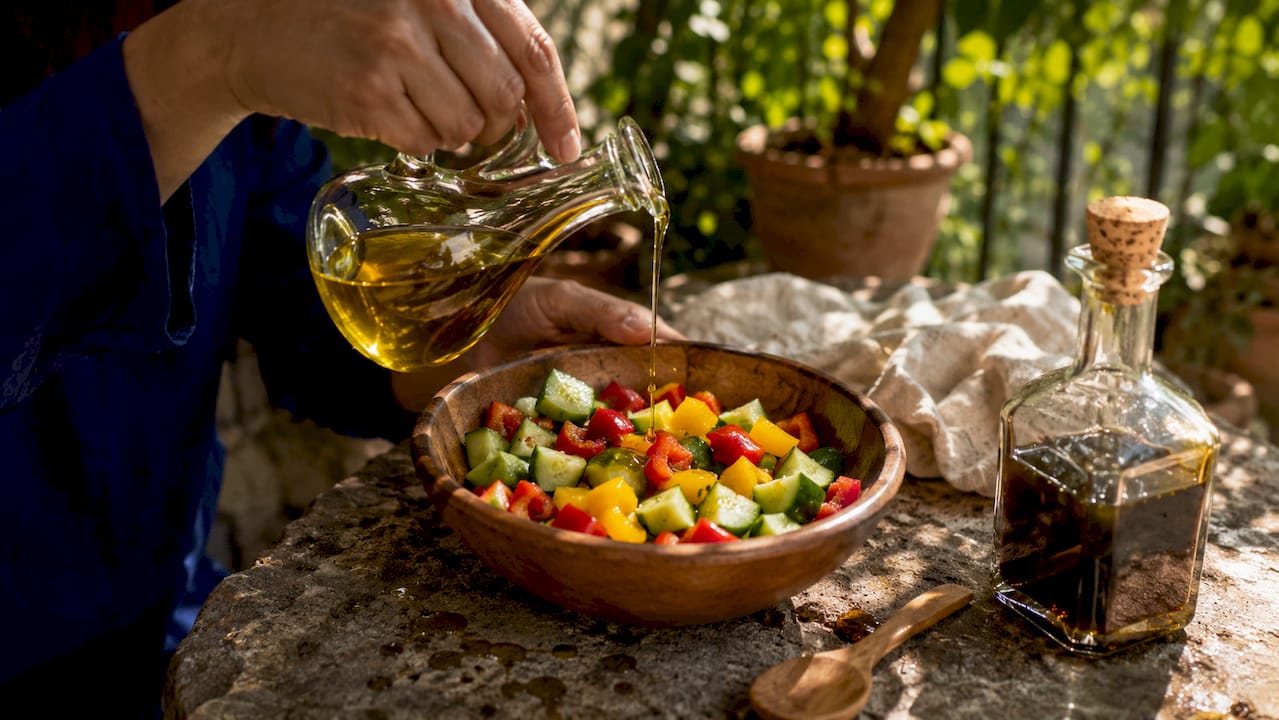
Sherry vinegar delivers a complex, nutty tang that standard white wine vinegar cannot match. It is aged in barrels in Jerez de la Frontera, which gives it depth and a slight sweetness alongside its acidity. Using it in Pipirrana or Papas Aliñás is not a preference. It is the difference between an authentic dish and a pale imitation.
Extra virgin olive oil from Spain, particularly from Andalusia and Catalonia, carries grassy, peppery notes that define the finish of every salad it touches. Seasonal and local ingredient respect is the foundation of authentic Spanish salad flavor. A cold-pressed oil from a single estate will outperform a blended supermarket bottle every time.
Pro Tip: Buy sherry vinegar labeled “Vinagre de Jerez” with a Denominación de Origen seal. That seal guarantees it was produced and aged in the Jerez region, which is the only way to get the real flavor profile.
When you shop for olive oil, look for a harvest date on the label rather than just a best-by date. Oil pressed within the last 12 months will have the brightness and pepper that Spanish salads need. Older oil goes flat and takes the salad with it.
3. What preparation and serving tips make Spanish salads taste authentic?
Timing and technique separate a good Spanish salad from a great one. The preparation rules are simple but non-negotiable.
-
Dress Pipirrana at the last minute. Dress the salad no more than 15 minutes before serving. Earlier than that, the tomatoes release water, the cucumbers go soft, and the flavors blur together. The crunch and brightness of Pipirrana depend entirely on this timing.
-
Desalt cod overnight, but not longer. Salt cod for Esqueixada and Remojón Granadino needs a full overnight soak in cold water, with the water changed two or three times. Prolonged desalting beyond the recommended time removes the silky texture that makes these salads distinctive. Taste the cod before using it. It should be pleasantly salty, not bland.
-
Dress potato salads while warm. For Papas Aliñás, pour the sherry vinegar and olive oil over the potatoes immediately after draining. Warm potatoes absorb dressing far more deeply than cooled ones. The result is a salad where every bite carries the full flavor of the dressing rather than just a surface coating.
-
Serve cold salads properly chilled. Esqueixada and Ensalada Rusa should be refrigerated for at least one hour before serving. Cold temperatures sharpen the flavors and firm the textures. Serving them at room temperature makes them taste flat.
-
Pair with rustic bread and simple tapas. Spanish salads are not standalone courses in the way a Caesar salad might be. They sit naturally alongside pan con tomate, cured jamón, or a plate of olives. The bread soaks up the dressing left on the plate, which is considered part of the meal.
Pro Tip: For Ensalada de Pimientos Asados, make it a day ahead. The roasted peppers absorb the garlic and vinegar overnight, and the flavor deepens significantly by the next day.
4. How do Spanish salads reflect cultural and historical practices?
Spanish salads carry centuries of practical cooking logic. They were never luxury dishes. They were solutions.
Spanish salads historically extended expensive proteins like tuna or salt cod with fresh vegetables to create budget-friendly, nutritious meals. A small amount of salt cod stretched across a salad of tomatoes, peppers, and onions fed a family without requiring a large protein budget. This balance of cost and nutrition is still visible in every traditional recipe. You can see it in Esqueixada, where a modest amount of shredded cod anchors a generous bowl of vegetables.
Ensalada Rusa is a direct product of Spain’s openness to international culinary influence. The original Olivier salad arrived from France and Belgium in the 19th century. Spanish cooks replaced the meat with tuna, swapped heavy cream-based dressing for olive oil mayonnaise, and created something distinctly their own. That adaptation tells you a great deal about how Spanish cuisine absorbs outside ideas without losing its identity.
Seasonal adaptation is another defining feature. Winter salads like Remojón Granadino use peak citrus, while summer salads like Pipirrana rely on the best tomatoes of the year. This is not a trend toward seasonal eating. It is how these recipes were always designed. The ingredient calendar is built into the dish itself.
The quality of raw ingredients is considered the real skill in Spanish salad cooking, not technique. A perfectly ripe tomato in a Pipirrana does more work than any dressing. That philosophy runs through all of Spanish Mediterranean cooking and connects these salads to a broader culinary worldview.
Key Takeaways
The most authentic Spanish salads succeed because of ingredient quality, seasonal timing, and simple preparation techniques applied with discipline.
| Point | Details |
|---|---|
| Seasonal timing is non-negotiable | Winter salads use peak citrus; summer salads depend on ripe tomatoes for full flavor. |
| Sherry vinegar is irreplaceable | Only vinegar aged in Jerez delivers the nutty tang that defines authentic Spanish dressings. |
| Dress at the right moment | Pipirrana needs dressing 10–15 minutes before serving; potato salads need it while still warm. |
| Salt cod requires careful desalting | Overnight soaking with water changes removes excess salt without destroying the silky texture. |
| Proteins stretch with fresh produce | Traditional recipes combine small amounts of tuna or cod with generous vegetables for balance. |
What I’ve learned from eating Spanish salads across Spain
My honest take on Spanish salad culture
Most food writing treats Spanish salads as simple side dishes. That framing misses the point entirely. After eating my way through tapas bars in Seville, market stalls in Barcelona, and family kitchens in Granada, I am convinced that these salads are the clearest window into how Spanish cooks actually think about food.
The lesson I keep returning to is this: restraint is the skill. Pipirrana has five or six ingredients. Remojón Granadino has maybe seven. The cook’s job is not to add complexity. It is to source the best possible tomato, the right sherry vinegar, and the freshest cod, then get out of the way. That discipline is harder than it sounds, and most home cooks outside Spain underestimate it.
For travelers, my practical advice is to order these salads at lunch rather than dinner. Spanish kitchens prepare them fresh in the morning, and the midday version will always be crisper and more vibrant than one that has been sitting. If you are cooking at home, start with Papas Aliñás. It is forgiving, fast, and the warm-dressing technique will immediately show you what makes Spanish salads different from everything else you have made.
— YellowRock
Kokcha: where Spanish salad culture comes alive in Barcelona
Barcelona is one of the best cities in the world to eat Spanish salads, and Kokcha puts you at the center of that experience. Located steps from the Sagrada Familia, Kokcha serves Mediterranean dishes rooted in the same ingredient-first philosophy that defines the salads in this article.
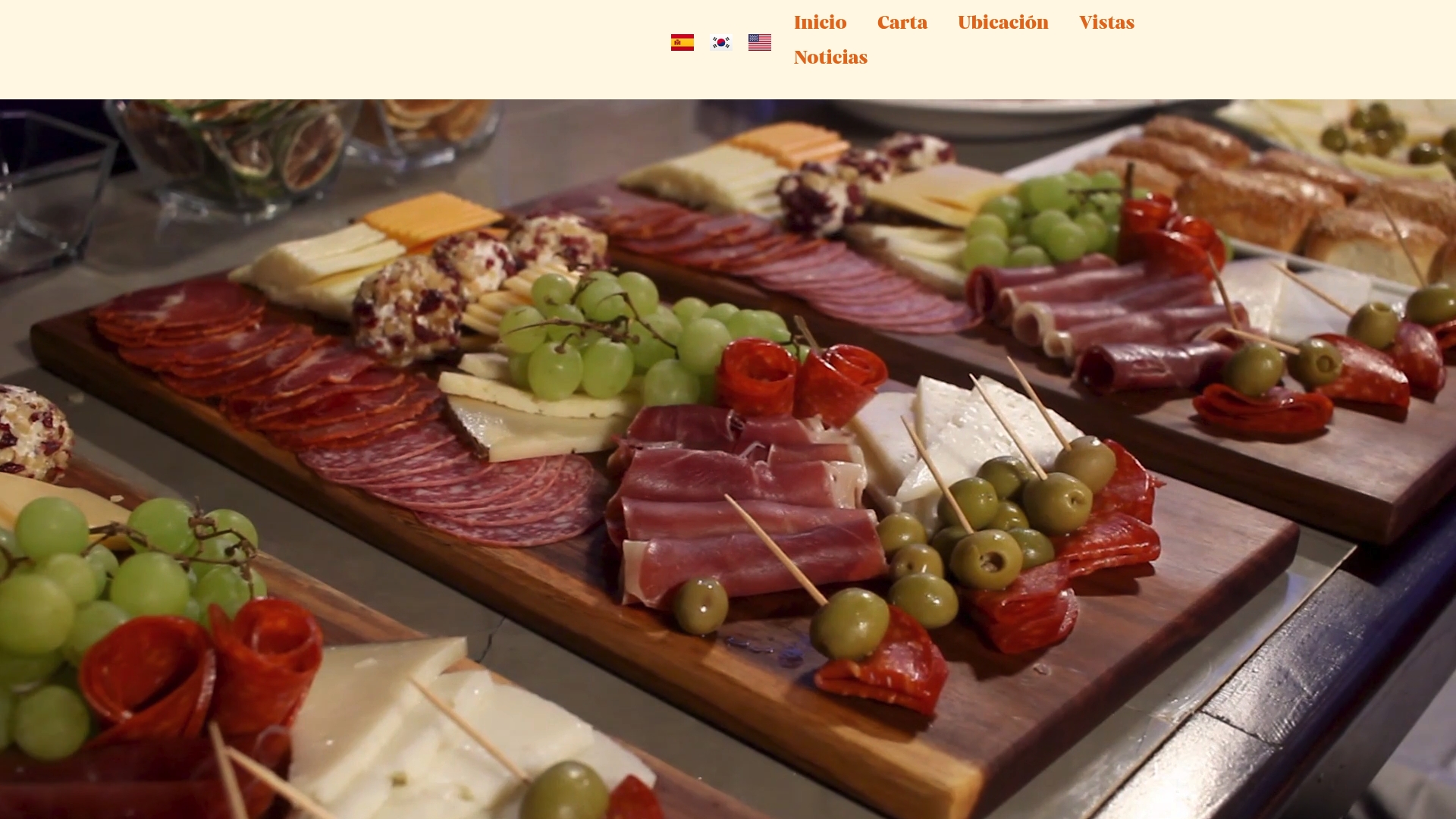
The menu at Kokcha includes salads built on fresh, seasonal produce alongside tapas, paellas, and seafood that reflect the full range of Spanish Mediterranean cooking. The terrace offers views of the Sagrada Familia, making it one of the most memorable spots in the city for a long, unhurried lunch. If you are planning a visit to Barcelona and want to experience authentic Spanish gastronomy, Kokcha’s Barcelona dining guide is a practical starting point. You can also check their restaurant checklist to plan your meal with confidence.
FAQ
What is a Spanish salad?
A Spanish salad, or ensalada española, is a fresh dish built on seasonal vegetables, proteins like tuna or salt cod, and a dressing of extra virgin olive oil and sherry vinegar. The focus is on ingredient quality rather than cooking complexity.
What makes Spanish salads different from other Mediterranean salads?
Spanish salads rely heavily on sherry vinegar, salt cod, and seasonal citrus, which are ingredients specific to Spanish regional cooking. Dishes like Remojón Granadino and Esqueixada have no direct equivalent in Greek or Italian salad traditions.
How long does it take to prepare traditional Spanish salads?
Most traditional Spanish salads take 20–30 minutes to prepare, excluding overnight desalting for salt cod dishes. Potato-based salads like Papas Aliñás can be refrigerated and served up to 4 days later.
Which Spanish salad is best for summer?
Pipirrana is the definitive summer Spanish salad, built around peak-season tomatoes and dressed with sherry vinegar. It must be served shortly after dressing to preserve the crunch and brightness of the vegetables.
Can I make Spanish salads ahead of time?
Papas Aliñás and Ensalada de Pimientos Asados both improve with time and can be made a day ahead. Pipirrana and Esqueixada are best prepared fresh, as their textures deteriorate quickly once dressed.