Mediterranean food trends 2026 are defined by a convergence of ancient culinary wisdom, health science, and digital technology reshaping how the world eats. The cuisine’s core identity, built on olive oil, legumes, fresh herbs, and seasonal produce, now intersects with probiotic research, AI-assisted kitchens, and sustainability-driven sourcing. The Fundación Dieta Mediterránea identifies the central challenge of 2026 as reversing declining adherence among younger generations competing against ultra-processed food culture. That tension between tradition and disruption is exactly what makes Mediterranean gastronomy trends 2026 so compelling to watch.
1. Mediterranean food trends 2026: the health-ingredient revolution
Health is the dominant force behind 2026 Mediterranean cuisine. Consumers no longer want food that simply tastes good. They want food that works for their bodies, and Mediterranean producers are responding with precision.
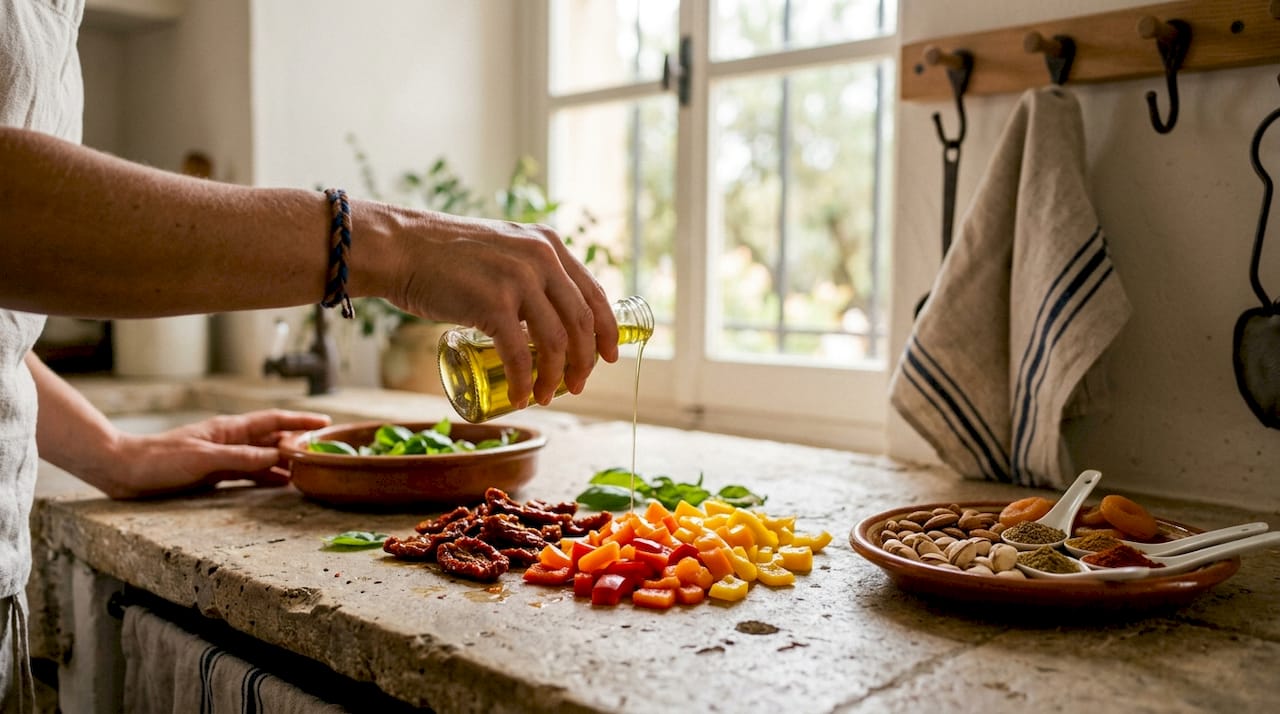
The most significant development is the rise of probiotic-polyphenol synbiotic concepts. These are functional food formulations that combine gut-friendly probiotics with polyphenols found naturally in olive oil, red wine, and Mediterranean herbs. Synbiotic market growth is projected at 8.3% CAGR in Spain, 7.2% in France, and 7.0% in Germany through 2036. That sustained growth signals a structural shift, not a passing wellness fad.
Traditional Mediterranean products are also evolving for modern health needs, specifically targeting inflammation reduction and blood sugar management. Producers are reformulating classics like hummus, tahini-based spreads, and legume pastas with added nutritional profiles. The result is heritage food that earns a place in a clinical nutritionist’s recommendation.
- Forgotten legumes: Varieties like cicerchia (grass pea) and roveja (wild pea) are returning to menus for their superior fiber and protein content.
- Ancient grains: Einkorn, emmer wheat, and farro offer lower glycemic impact than modern wheat and carry strong regional storytelling.
- Fresh herb concentrates: Rosemary, thyme, and oregano extracts are appearing in functional beverages and culinary sauces.
- Plant-forward plating: Vegetables and legumes now anchor the plate, with proteins playing a supporting role.
Pro Tip: When sourcing Mediterranean ingredients for a restaurant menu, prioritize suppliers who can document the origin and cultivation method. Traceability is the new premium signal for health-conscious diners.
The connection between traditional nutrition and modern wellness is no longer theoretical. Chefs and food developers who understand this link hold a real competitive advantage in 2026.
2. How AI and smart kitchen tech are changing Mediterranean cooking
Technology is entering the Mediterranean kitchen not to replace tradition but to protect it. The most practical applications reduce waste, standardize quality, and free chefs to focus on creativity.
AI-powered intelligent burners now reduce gas consumption by 40% and broth usage by 30% in professional rice preparations. That is a measurable operational gain for any restaurant serving paella or arroz caldoso at volume. Consistency across service shifts is the secondary benefit. A dish that depends on a single chef’s intuition becomes reproducible at scale.
“The future of Mediterranean hospitality is not choosing between warmth and technology. The restaurants that win in 2026 will use AI to handle compliance and logistics so their teams can focus entirely on the guest.”
Digital menus have moved well beyond QR codes. AI-driven hospitality platforms now handle allergen detection under EU Regulation 1169/2011, multilingual translation, and real-time conversational support for guests. A tourist in Barcelona who speaks only Japanese can now navigate a full Mediterranean menu with confidence.
- Smart burners: Automate temperature and timing for rice dishes, reducing human error and energy costs.
- AI menu builders: Generate compliant, multilingual menus in minutes, cutting administrative time for restaurant managers.
- Conversational platforms: Replace static digital menus with dynamic systems that answer guest questions and flag allergens.
- Kitchen analytics: Track ingredient usage patterns to reduce food waste and improve ordering accuracy.
Pro Tip: If you manage a Mediterranean restaurant, evaluate AI menu platforms against EU allergen regulation 1169/2011 compliance first. Compliance is non-negotiable, and the best platforms build it in automatically.
The role of Mediterranean hospitality has always been personal. Technology that handles the administrative burden makes that personal connection easier to deliver, not harder.
3. Sustainability trends reshaping Mediterranean ingredient sourcing
Sustainability in Mediterranean food production is no longer a marketing claim. It is a supply chain reality with measurable economic consequences.
The European market for sun-stressed Mediterranean herb extracts is valued at €180–€220 million in 2026, growing at 8.5–10.5% CAGR through 2035. These extracts come from herbs cultivated under controlled environmental stress, which concentrates their bioactive compounds. The process produces a more potent ingredient, but supply remains tight.
Sun-stressed herb extracts carry price premiums of 20–40% above conventional extracts. Greenhouse cultivation investment is expected to increase after 2030, which should ease supply constraints. Until then, chefs and buyers who secure direct relationships with controlled-stress producers hold a sourcing advantage.
| Sustainability Factor | Current Status | Outlook Beyond 2030 |
|---|---|---|
| Sun-stressed herb extracts | Limited supply, 20–40% price premium | Greenhouse expansion expected to increase volume |
| Forgotten legume varieties | Niche revival, growing chef interest | Broader adoption as nutritional data accumulates |
| Ancient grain cultivation | Regional and artisan scale | Scaling through specialty food retail |
| Seasonal menu design | Standard in fine dining | Expanding to casual Mediterranean formats |
Consumer behavior is also shifting toward local and biodiverse sourcing. Diners increasingly ask where ingredients come from and how they were grown. Restaurants that can answer those questions with specificity earn loyalty that generic “fresh ingredients” claims cannot.
- Prioritize suppliers who document cultivation methods and regional origin.
- Build menus around seasonal availability rather than forcing year-round consistency.
- Use ingredient storytelling on menus to communicate sustainability without lecturing diners.
4. Culinary creativity and the revival of forgotten flavors
The most exciting development in 2026 Mediterranean gastronomy is the return of ingredients that industrial food production had nearly erased. Chefs are now treating culinary archaeology as a creative discipline.
Chef Andoni Luis Aduriz exemplifies this approach. His new restaurant in San Sebastián, set inside a 1914 cinema, serves dishes starting at €16 alongside premium tasting menus. The space itself tells a story. Forgotten indigenous legumes and cereals appear alongside historic architecture, creating a dining experience that is simultaneously affordable and emotionally resonant.
This model matters because it proves that culinary innovation does not require luxury price points. The same ingredient revival that drives a Michelin-starred tasting menu can anchor a neighborhood restaurant’s lunch special.
- Middle Eastern and North African crossover: Ingredients like preserved lemon, harissa, and dukkah are integrating naturally into Spanish and Italian Mediterranean cooking.
- Communal dining formats: Shared plates and family-style service reinforce the social DNA of Mediterranean culture across all price segments.
- Narrative menus: Dishes presented with origin stories and producer names create emotional connection that drives repeat visits.
- Accessible price diversity: The trend toward dishes at multiple price points within the same restaurant makes Mediterranean dining more inclusive.
The fresh ingredients driving Mediterranean food have always been the cuisine’s foundation. What 2026 adds is intentionality. Every ingredient on a forward-thinking Mediterranean menu now carries a reason for being there, whether nutritional, environmental, or cultural.
The fusion of North African spice traditions with classic Mediterranean technique is producing some of the most genuinely new flavor profiles the cuisine has seen in decades. Ras el hanout in a Spanish seafood broth or za’atar on a Catalan flatbread are not gimmicks. They reflect the actual history of Mediterranean trade routes.
Key Takeaways
Mediterranean food trends in 2026 are driven by health science, sustainability economics, and digital technology working together to modernize a cuisine built on thousands of years of tradition.
| Point | Details |
|---|---|
| Health-driven ingredients | Synbiotic formulations and ancient grains are the fastest-growing product categories in Mediterranean food. |
| AI in the kitchen | Smart burners cut gas use by 40% and broth by 30%, standardizing quality across service shifts. |
| Sustainability premiums | Sun-stressed herb extracts command 20–40% price premiums, reflecting real supply constraints. |
| Forgotten ingredient revival | Indigenous legumes and ancient cereals are returning to menus for both nutritional and cultural reasons. |
| Digital hospitality | AI menu platforms handle allergen compliance and multilingual service, freeing staff for guest interaction. |
Why I think the real story of 2026 Mediterranean food is being missed
Most coverage of Mediterranean gastronomy trends focuses on what is new. The smarter question is what is being recovered and why it matters now.
The revival of forgotten legumes and ancient grains is not nostalgia. It is a direct response to the failure of industrial food to deliver on nutrition and sustainability simultaneously. Chefs who understand this are not looking backward. They are using history as a design brief.
The technology angle also gets misread. AI in Mediterranean restaurants is not about replacing the warmth that defines the cuisine. It is about removing the friction that prevents that warmth from reaching every guest. A multilingual AI menu assistant means a first-time visitor from Seoul gets the same confident, informed experience as a regular from the neighborhood. That is a hospitality upgrade, not a hospitality replacement.
The trend I watch most closely is the convergence of Mediterranean dining experiences with wine culture. As 2026 hospitality wine trends shift toward lower-intervention and regional varieties, Mediterranean restaurants that curate their wine lists with the same intentionality as their food menus will create a genuinely differentiated experience. The pairing of a natural Catalan white with a dish built on revived ancient grains is not a coincidence. It is a coherent culinary statement.
The challenge the Fundación Dieta Mediterránea names for 2026, reversing youth adherence decline, will not be solved by health messaging alone. It will be solved by making Mediterranean food exciting, accessible, and culturally relevant to people under 35. The chefs and restaurants doing that work right now are the ones worth watching.
— YellowRock
Mediterranean gastronomy at Kokcha in Barcelona
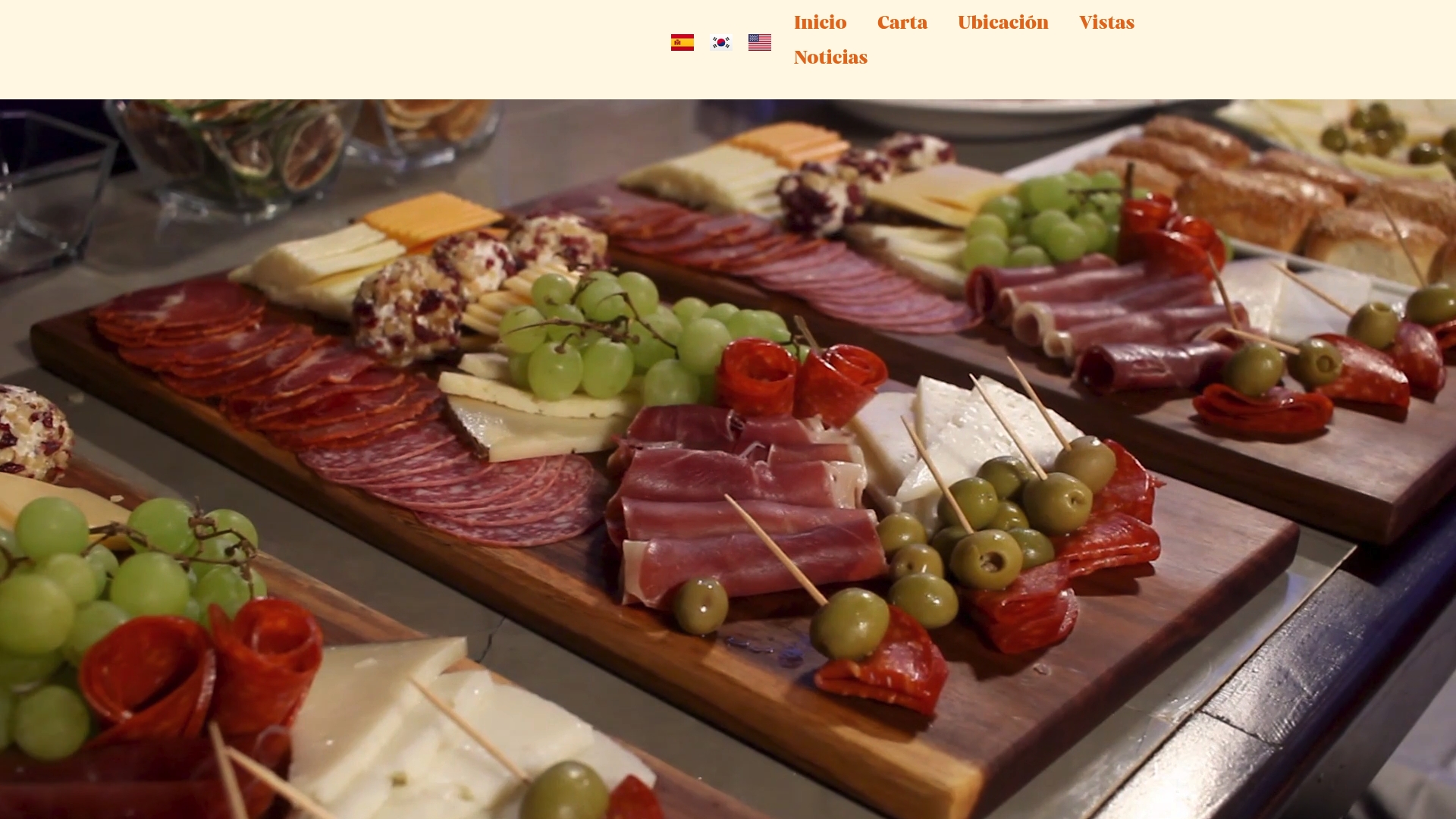
Kokcha brings the 2026 Mediterranean food trends covered here into a real dining room steps from the Sagrada Família. The menu reflects the same principles shaping the broader cuisine: fresh, quality ingredients, dishes rooted in tradition, and a kitchen that takes both health and flavor seriously. Kokcha’s paellas, tapas, and seafood plates represent the kind of ingredient-forward cooking that defines where Mediterranean gastronomy is heading. If you want to experience the innovative Mediterranean gastronomy trends of 2026 rather than just read about them, Kokcha’s table is the place to start.
FAQ
What are the biggest Mediterranean food trends in 2026?
The leading trends are health-driven ingredient innovation, sustainability-focused sourcing, and AI-assisted kitchen and hospitality technology. Probiotic-polyphenol synbiotic formulations and the revival of forgotten legumes and ancient grains are the most significant ingredient shifts.
Why is Mediterranean cuisine so popular in 2026?
Mediterranean cuisine combines established health benefits with strong cultural identity and adaptability to modern dietary priorities. The Fundación Dieta Mediterránea confirms the health science is settled. The current challenge is making the cuisine compelling enough to compete with ultra-processed food culture among younger consumers.
What ingredients define Mediterranean food in 2026?
Sun-stressed herb extracts, ancient grains like einkorn and emmer, forgotten legumes like cicerchia, and polyphenol-rich staples like olive oil and red wine are the defining ingredients. North African crossover elements like harissa and preserved lemon are also gaining ground in contemporary Mediterranean menus.
How is technology changing Mediterranean restaurants?
AI-powered burners reduce gas consumption by 40% and broth usage by 30% in rice dish preparation. AI menu platforms handle EU allergen regulation 1169/2011 compliance, multilingual translation, and conversational guest support, improving both efficiency and the dining experience.
Where can I experience Mediterranean food trends in Barcelona?
Kokcha, located near the Sagrada Família, offers a menu built on the ingredient-forward, health-conscious principles driving Mediterranean cuisine in 2026. The restaurant serves paellas, tapas, seafood, and seasonal dishes that reflect the cuisine’s current direction.