This meat dishes checklist gives you a complete, categorized inventory of global dishes organized by protein, plus the cooking-method and storage guidance to actually use it. You get representative dishes from beef, pork, poultry, lamb, game, sausages, stews, and street-grilled meats, matched to whether they need dry heat or a slow braise.
The checklist works because it groups dishes the way a kitchen actually thinks about them: by protein, then by method. That structure is what makes it printable and useful for weekly planning instead of just another list to scroll past.
Here’s what’s packed into it:
- Eight protein categories with 12 to 20 dishes each, from Jamón ibérico to Tacos al pastor
- Cooking-method guidance tied to specific cuts (when to sear, when to braise, per Maryland 4-H’s cookery method breakdown)
- A storage and food-safety quick reference with fridge and freezer windows
- Weeknight, mixed, and celebration meal-planning templates you can copy directly
- Chef-level tips on searing, braising liquid levels, and resting times
Pro Tip: Print the category lists in Section 2 as a single page, then check off dishes as you plan your week. It doubles as a shopping-list skeleton once you pick your five or six meals.
Key Takeaways
Matching cooking method to cut, whether dry heat for tender meat or a slow braise for collagen-rich cuts, is the single factor that determines how well any dish on this checklist turns out.
| Point | Details |
|---|---|
| Sort by protein first | Group your weekly plan by beef, pork, poultry, lamb, and one-pot dishes before picking recipes. |
| Match method to anatomy | Use dry heat for tender cuts and moist or combination heat for tough, collagen-rich ones. |
| Respect braise timing | Budget 2.5 to 4 hours for most braises, and rest meat at least 5 to 10 minutes after cooking. |
| Store by category, not by guess | Ground meat lasts 1 to 2 days refrigerated; cured sausages last 2 to 3 weeks unopened. |
| Taste it done right | Kokcha’s meat paella and grilled meats near the Sagrada Familia show this checklist executed in a real kitchen. |
Table of Contents
- 1. Your Meat Dishes Checklist by Protein Type
- 2. How to Choose the Best Cooking Method for Each Cut
- 3. Building a Weekly Meat Meal Plan From This Checklist
- 4. Meat Storage and Food Safety Quick Reference
- 5. Swapping Proteins Without Ruining the Dish
- 6. Glossary and Quick Cook-Time Reference
- 7. Chef Tips for Getting This Checklist Right
- Why a Categorized Checklist Beats a Recipe Pile
- Taste the Checklist in Barcelona
- Sources
1. Your Meat Dishes Checklist by Protein Type
A useful checklist groups dishes by protein first, because that’s how you’ll actually shop and plan. Below, each category lists globally recognized dishes with a one-line note on origin or method, so you can scan, pick, and move straight to cooking without hunting for context elsewhere.
Beef
Beef dishes split cleanly between fast, high-heat cuts and slow braises built for tougher sections of the animal.
- Picanha — Brazilian rump cap, salted and skewered for churrasco-style grilling.
- Bistecca alla Fiorentina — a thick T-bone from Tuscany, grilled rare over wood coals.
- Asado — Argentine and Uruguayan barbecue tradition built around slow-grilled short ribs and sausages.
- Beef Wellington — tenderloin wrapped in pâté and puff pastry, roasted whole.
- Bulgogi — Korean marinated, thin-sliced beef cooked fast on a grill or skillet.
- Beef Bourguignon — French red-wine braise using chuck or shin.
- Carne asada — Mexican grilled, marinated beef, usually skirt or flank steak.
- Beef Wellington’s simpler cousin, Steak au Poivre — pan-seared with a peppercorn cream sauce.
- Rendang — Indonesian coconut-milk beef stew simmered until nearly dry.
- Pot roast — American low-and-slow chuck roast with root vegetables.
- Beef rendang’s neighbor, Beef Massaman curry — Thai slow-cooked beef with warm spices.
- Cecina — Spanish air-dried, salted beef, sliced thin like charcuterie.
Weeknight picks: bulgogi, carne asada, steak au poivre. Weekend or celebration picks: Beef Wellington, Bourguignon, Asado.
Pork
Pork rewards both quick grilling and long, fatty braises better than almost any other protein.
- Jamón ibérico — Spanish acorn-fed, dry-cured ham, sliced paper-thin and served cold.
- Chorizo — cured or fresh Spanish and Mexican sausage, grilled or crumbled into dishes.
- Tacos al pastor — Mexican spit-roasted, achiote-marinated pork, shaved onto tortillas.
- Cochinita pibil — Yucatán slow-roasted pork marinated in achiote and sour orange, traditionally pit-cooked.
- Char siu — Cantonese barbecue pork, glazed and roasted until sticky.
- Porchetta — Italian herb-stuffed, rolled pork roast with crackling skin.
- Pulled pork — American slow-smoked pork shoulder, shredded for sandwiches.
- Katsu — Japanese breaded, fried pork cutlet.
- Bacon-wrapped pork tenderloin — a quick-roast weeknight staple.
- Lechon — Filipino whole roasted pig with crackling skin, common at celebrations.
- Pork adobo — Filipino braise in soy sauce, vinegar, and garlic.
- Schweinshaxe — German roasted pork knuckle, crisp-skinned and slow-cooked.
Weeknight picks: katsu, bacon-wrapped tenderloin, chorizo. Weekend or celebration picks: cochinita pibil, porchetta, lechon.
Poultry
Poultry dishes range from five-minute pan sears to multi-hour braises, so this category has the widest method spread.
- Gyro — Greek spit-roasted meat, often chicken, shaved into pita with tzatziki.
- Peruvian pollo a la brasa — charcoal-rotisserie chicken marinated in spiced vinegar.
- Coq au vin — French braised chicken in red wine with mushrooms and lardons.
- Butter chicken — Indian tomato-cream braise, tandoor-charred first.
- Chicken tikka — Indian yogurt-marinated, skewer-grilled chicken pieces.
- Karaage — Japanese soy-marinated, double-fried chicken.
- Turducken — a boned turkey stuffed with duck and chicken, a Southern US holiday centerpiece.
- Peking duck — Chinese lacquered, roasted duck served with pancakes.
- Chicken piccata — Italian-American quick pan sauce dish with lemon and capers.
- Jerk chicken — Jamaican spice-rubbed, smoked or grilled chicken.
Weeknight picks: chicken piccata, karaage, chicken tikka. Weekend or celebration picks: turducken, Peking duck, pollo a la brasa.
Lamb and Goat
Lamb and goat dishes tend to favor slow cooking because the meat carries more connective tissue than most cuts of beef.
- Shashlik — skewered, marinated lamb or mixed meat grilled over open coals, common across Central Asia and the Caucasus.
- Lamb shank braise — slow-cooked until the meat falls from the bone.
- Kleftiko — Greek slow-roasted lamb sealed in parchment or foil with herbs.
- Rogan josh — Kashmiri braised lamb in a spiced red gravy.
- Goat curry — Caribbean and South Asian slow-simmered goat with warm spice blends.
- Navarin — French lamb stew with spring vegetables.
- Cabrito — Mexican and Spanish roasted young goat, often spit-cooked.
Weeknight picks: none really, this category leans slow. Weekend or celebration picks: kleftiko, cabrito, lamb shank braise.
Game and Offal
Game and offal dishes reward cooks willing to experiment, and they often deliver more flavor per dollar than mainstream cuts.
- Pappardelle al cinghiale — Tuscan wild boar ragu over wide pasta ribbons.
- Venison Wellington — a game riff on the classic pastry-wrapped roast.
- Steak and kidney pie — British braised beef and kidney under a pastry lid.
- Foie gras torchon — French cured, terrine-style duck or goose liver.
- Menudo — Mexican tripe stew, traditionally slow-simmered overnight.
Sausages and Cured Meats
Sausages and cured meats double as quick mains and as building blocks for other dishes on this list.
- Chorizo (see Pork) crosses categories as both a stand-alone dish and an ingredient.
- Bratwurst — German grilled pork sausage, often simmered in beer first.
- Merguez — North African lamb and beef sausage, spiced with harissa.
- Soppressata — Italian dry-cured salami, sliced thin.
- Andouille — Cajun smoked sausage, a backbone of gumbo and jambalaya.
Mixed, One-Pot, and Stewed Dishes
One-pot dishes stretch a smaller amount of meat across a full meal, which makes them efficient for batch cooking.
- Paella de carne — Spanish saffron rice dish built with chicken, rabbit, or pork instead of seafood.
- Feijoada — Brazilian black bean and pork stew, traditionally simmered for hours.
- Cassoulet — French white bean and duck or pork casserole.
- Bigos — Polish hunter’s stew combining sausage, pork, and sauerkraut.
- Bobotie — South African spiced minced-meat bake with an egg custard top.
Grilled, Skewered, and Street Meats
Street-style grilled and skewered dishes work fastest for weeknight cooking and scale up easily for parties.
- Satay — Southeast Asian skewered, grilled meat served with peanut sauce.
- Anticucho — Peruvian grilled beef heart skewers, marinated in vinegar and chili.
- Kontosouvli — Greek slow-spit pork or lamb, cooked whole over embers.
- Sate kambing — Indonesian grilled goat skewers.
- Churrasco — Latin American grilled skewered meats, often served rotisserie-style.
- Yakitori — Japanese grilled chicken skewers, glazed in tare sauce.
2. How to Choose the Best Cooking Method for Each Cut
Choose dry heat, like grilling, roasting, or pan-searing, for tender cuts with little connective tissue. Save moist and combination methods, like braising and stewing, for tougher, collagen-rich cuts that need time to break down. That single rule explains almost every dish on the list above.
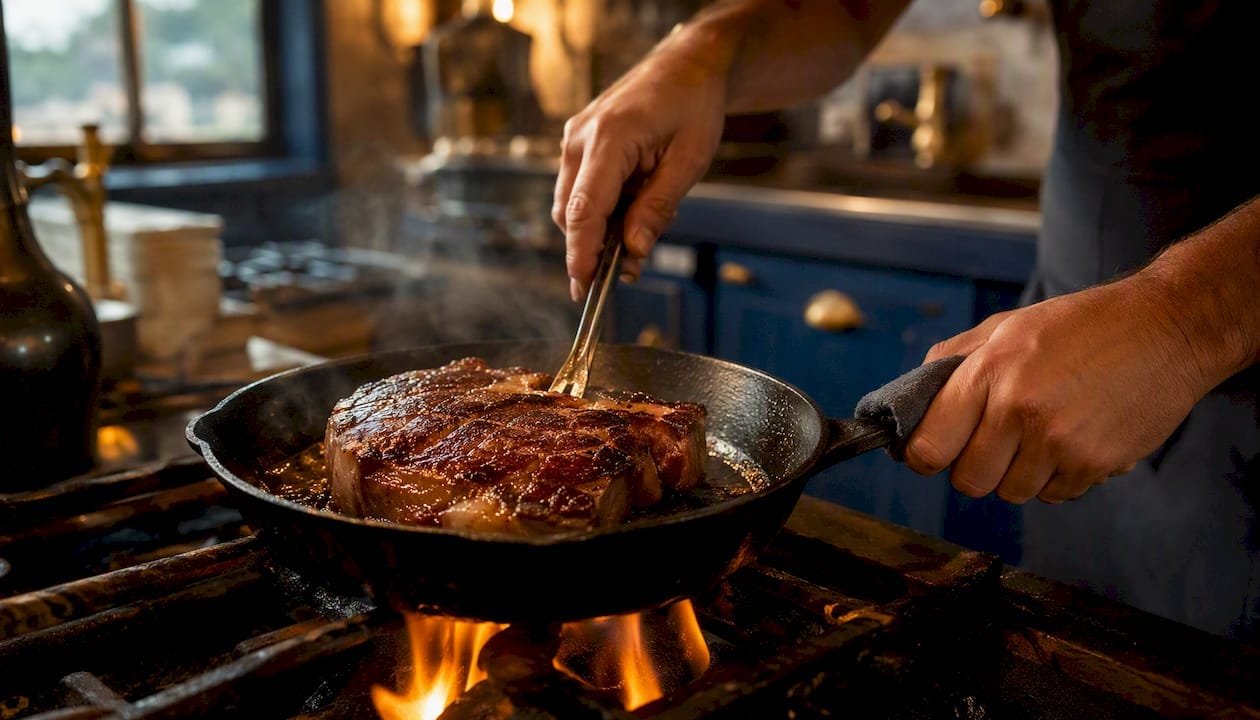
Dry-heat methods work because tender cuts (tenderloin, rib eye, chicken breast) don’t need collagen conversion. High, direct heat sears the surface fast and keeps the interior juicy. Moist-heat methods exist for the opposite problem: cuts like short ribs, pork shoulder, and lamb shank are loaded with connective tissue that turns rubbery under dry heat but melts into gelatin when simmered low and slow. Braising typically runs 2.5 to 4 hours depending on cut size, and the payoff is meat that shreds with a fork instead of fighting your knife.
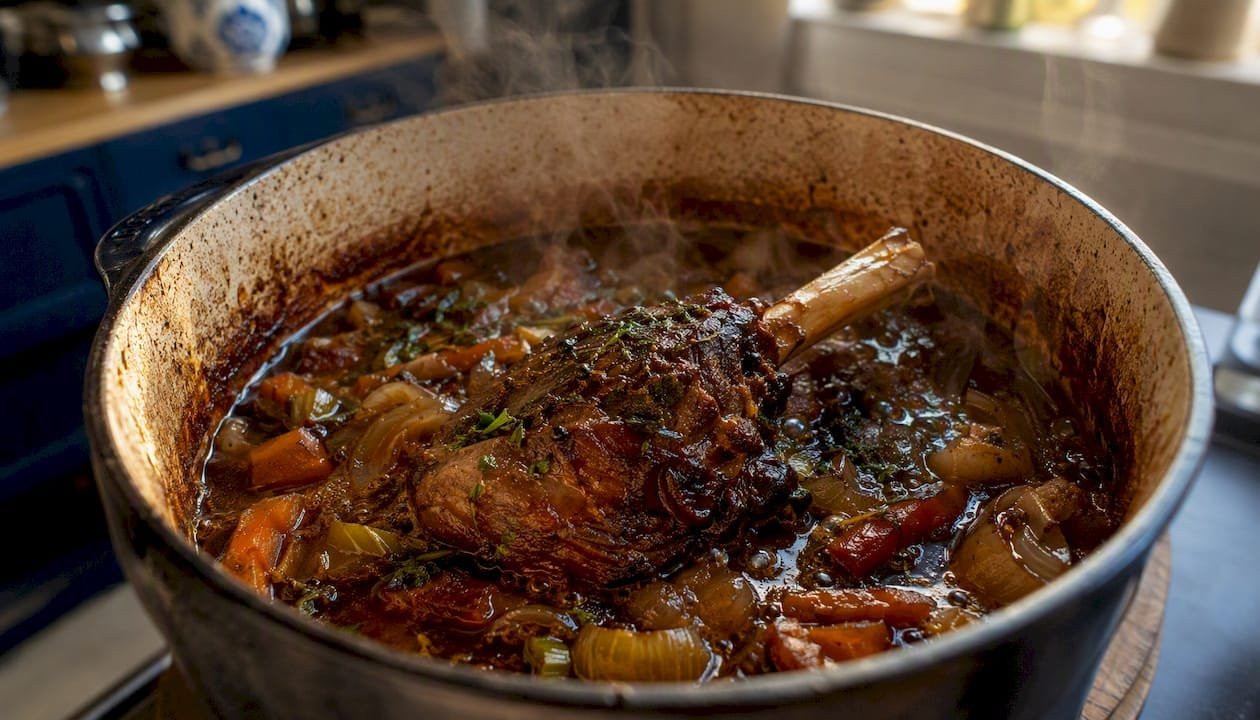
| Cut or dish type | Recommended method | Quick note |
|---|---|---|
| Tenderloin, rib eye, picanha | Dry heat (grill, sear, roast) | Sear hot and fast; rest before slicing |
| Short ribs, brisket | Combination (sear then braise) | About 3 to 3.5 hours in the oven |
| Pork shoulder | Moist heat (braise or slow roast) | Often 4+ hours to break down fully |
| Lamb shank | Combination (sear then braise) | Roughly 2.5 hours at 275°F to 325°F |
| Chicken breast, thin cutlets | Dry heat (pan-fry, grill) | Fast cooking; watch for overcooking |
| Whole chicken, duck | Combination (roast, sometimes spatchcocked) | Higher heat for skin, lower for interior |
| Tripe, oxtail | Moist heat (long stew) | Benefits from overnight or next-day reheating |
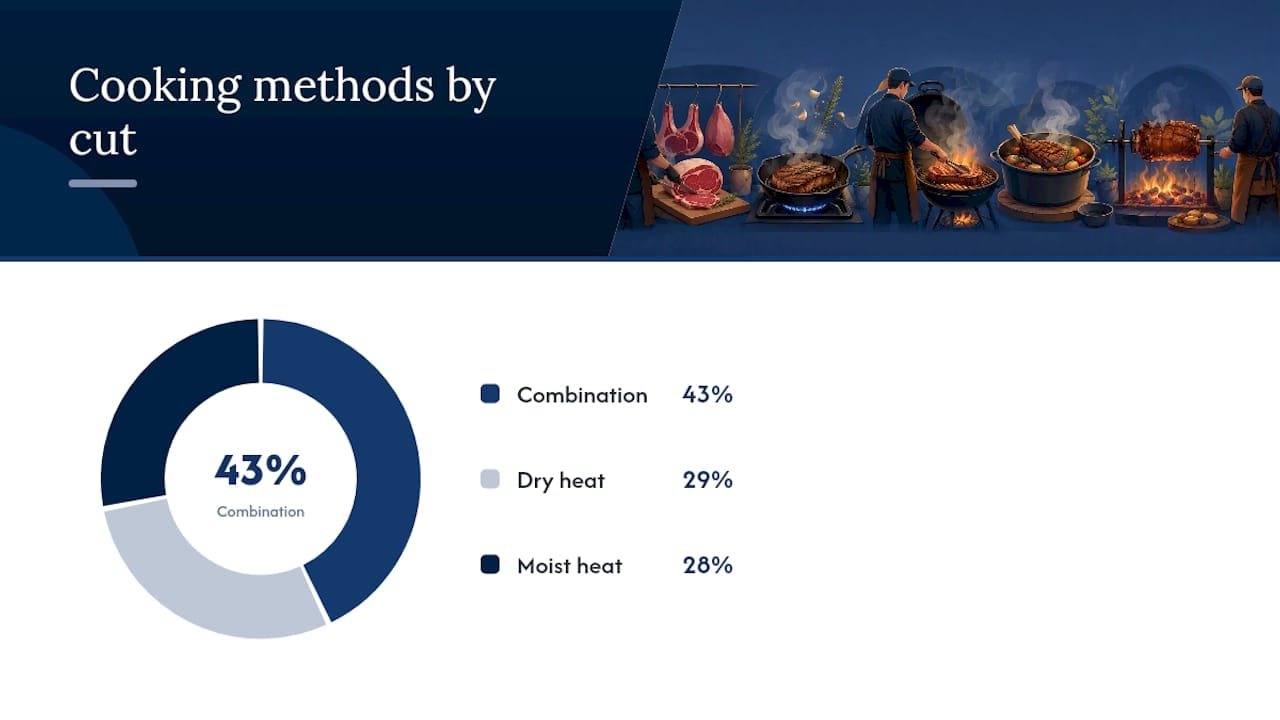
This lines up with the broader split that WebstaurantStore’s cooking-method guide lays out: dry heat, moist heat, and combination cooking, each suited to a different structure of meat.
Carryover cooking matters here too. A roast or thick steak keeps climbing in internal temperature for several minutes after it leaves the heat, so pulling meat a few degrees early and letting it rest, at least 5 to 10 minutes per Maryland Extension’s guidance, prevents overshoot and keeps juices from spilling out the moment you cut in.
Pro Tip: If you own a sous vide setup, use it for cuts where doneness precision matters most, like pork chops or thick steaks. Sous vide holds a steady low temperature, so you get edge-to-edge doneness without guessing, then finish with a quick hard sear for crust.
3. Building a Weekly Meat Meal Plan From This Checklist
The fastest way to use this checklist is rotating protein and cooking time across the week instead of repeating the same method five nights running. Home-cooking patterns tend to work best when you mix two or three quick-cook dishes with one or two slow-cook dishes, so the oven does the work on your busiest day while quick pans handle the rest.
Three templates cover most households:
- Quick-weeknight plan — three fast dishes like karaage, carne asada, and chicken piccata, each under 30 minutes of active cooking.
- Mixed plan — two slow-cook dishes (pork shoulder braise, coq au vin) paired with three quick ones, letting leftovers from the braise cover a lunch or two.
- Celebration plan — one shared roast or braise (porchetta, feijoada) as the centerpiece, built around sides that don’t compete for oven space.
A printable checklist works best with five columns: dish, protein, method, cook time, and shopping list. Print it, fill in a week’s worth of dishes from the categories above, and you’ve got both a menu and a grocery run mapped out in one page.
- Batch-cook braises and stews on a slower day. They reheat well and often taste better the next day.
- Grilled and pan-seared dishes lose texture on reheat, so plan those for the night you’ll actually eat them.
- Freeze portioned leftovers from stews like feijoada or bigos rather than letting them sit in the fridge past a few days.
For more structured meal-prep strategies, Wild Foodz’s meal-prep guide covers batching and timing tricks that apply directly to a rotating meat-based menu.
4. Meat Storage and Food Safety Quick Reference
Keep raw meat between 32°F and 39°F (0°C to 4°C) in the fridge, and never leave cooked meat at room temperature for more than two hours. Storage windows vary by category, so a single “use it within a week” rule doesn’t hold up across ground beef, whole cuts, and sausages.
| Meat category | Fridge storage | Freezer storage |
|---|---|---|
| Ground meat (beef, pork, poultry) | 1 to 2 days | 3 to 4 months |
| Whole cuts (steaks, chops, roasts) | 3 to 5 days | 4 to 12 months |
| Cooked leftovers (stews, braises) | 3 to 4 days | 2 to 3 months |
| Cured sausages (chorizo, soppressata) | 2 to 3 weeks unopened | Not recommended once cured |
| Fresh sausages | 1 to 2 days | 1 to 2 months |
- Thaw frozen meat in the fridge overnight rather than on the counter; cold-water thawing works in a pinch if the meat stays sealed.
- Never put raw meat back on the same plate that held it before cooking, that’s the fastest route to cross-contamination.
- Reheat leftovers to a steaming-hot internal temperature before serving, not just warm.
The method-by-cut logic in this checklist follows Maryland 4-H’s cookery method framework, which also covers safe handling alongside method selection.
5. Swapping Proteins Without Ruining the Dish
Most dishes tolerate a protein swap as long as you match fat content and connective tissue to the original cut, not just the animal. Swapping pork for chicken in tacos al pastor works fine because both are relatively lean once trimmed; swapping beef for lamb in a braise usually works too, since both have comparable collagen levels. The trouble starts when you swap a fatty cut for a lean one and keep the same cook time.
- Pork to chicken: works in tacos, stir-fries, and skewers; reduce cook time slightly since chicken cooks faster.
- Beef to lamb: works in braises and stews; flavor shifts but texture holds up.
- Chicken to turkey: works in most roasted or braised dishes; adjust time upward for turkey’s larger mass.
- Pork shoulder to beef chuck: works in slow braises; beef chuck needs slightly longer to break down.
For plant-based swaps, mushrooms (especially king oyster or portobello) mimic the chew of meat in stews and skewers, while seitan holds up well in braises. Cut braise times for plant proteins since there’s no collagen to convert. A stew that needs three hours with beef chuck might only need 45 minutes with mushrooms and beans.
Pro Tip: Fat renders at different rates across proteins, so a swap that keeps the same seasoning can still taste off if you don’t adjust for it. Pork shoulder renders slowly and bastes itself; lean chicken thighs don’t, so add a little extra oil or stock when substituting.
6. Glossary and Quick Cook-Time Reference
A handful of terms show up across every recipe on this checklist, and knowing them saves you from guessing mid-cook.
- Braise: sear, then simmer slowly in liquid that covers about half the meat.
- Sear: brief, high-heat contact that browns the surface and builds flavor.
- Deglaze: adding liquid to a hot pan to lift browned bits (fond) into a sauce.
- Carryover cooking: the temperature rise that continues after meat leaves the heat.
- Sous vide: cooking in a sealed bag at a precise, low water-bath temperature.
- Rest: letting cooked meat sit before slicing so juices redistribute.
- Pull temperature: the internal temperature at which you remove meat from heat, accounting for carryover.
| Dish type | Suggested cook time | Pull and rest guidance |
|---|---|---|
| Grilled steak (1 inch) | 12 minutes total | Pull a few degrees early; rest 5 minutes |
| Whole roasted chicken | 60 minutes | Rest 10 minutes before carving |
| Braised short ribs | 3 to 3.5 hours | Rest in braising liquid 10 minutes |
| Pork shoulder braise | 4+ hours | Shreds easily when fully done |
| Skewered satay | 6 to 10 minutes | Minimal rest; serve immediately |
Times vary with cut thickness and starting temperature, so treat these as starting points, not fixed rules. Carryover cooking can add several more degrees to a large roast after it leaves the oven, which is exactly why professional kitchens pull meat before it hits the final target number.
7. Chef Tips for Getting This Checklist Right
Match the anatomy of the cut to the method before anything else, and never skip the sear before a slow braise. That order of priorities separates a forgettable stew from one that tastes like it took real effort.
A deep, aggressive sear builds the Maillard reaction that becomes the flavor backbone of the entire dish, so rushing that step to get to the braise faster costs you flavor you can’t add back later. Once the sear is done, deglaze the pan to lift the fond into your braising liquid instead of leaving it stuck to the pot. Keep braising liquid at roughly half the height of the meat, the top half cooks in steam and keeps a roasted character instead of turning into a boiled texture.
- Prep all aromatics and liquids before you start searing; the process moves fast once the pan is hot.
- Hold braises a day ahead when possible, they deepen in flavor overnight.
- Always slice finished roasts against the grain, especially with beef and lamb.
- Rest large cuts longer than small ones. A whole roast needs more time than a single steak.
Pro Tip: Braise short ribs or lamb shanks the day before serving. The flavor improves overnight, and reheating gently in the braising liquid the next day keeps the meat from drying out.
Why a Categorized Checklist Beats a Recipe Pile
Most home cooks don’t need more recipes, they need a system for choosing among the ones they already know. A categorized checklist like this one does the sorting work up front, so you’re picking from beef, poultry, or lamb with a method already in mind instead of scrolling through a feed hoping something looks doable on a Tuesday.
Consistency in a kitchen comes from matching method to meat, not from having access to more dishes. That’s the same principle that shapes how a full menu, from grilled meats to a shared paella, gets built for variety without losing focus on what each protein actually needs to taste right.
Taste the Checklist in Barcelona
Reading through categories and cook times is one thing, tasting a properly executed version is another. If you’re near the Sagrada Familia and want to see this checklist in action rather than cook it yourself tonight, Kokcha’s kitchen builds several of these categories directly into its menu, including a saffron-based meat paella that follows the same one-pot logic covered in Section 1, and a rotation of grilled meats built on the same anatomy-to-method thinking behind Section 2.
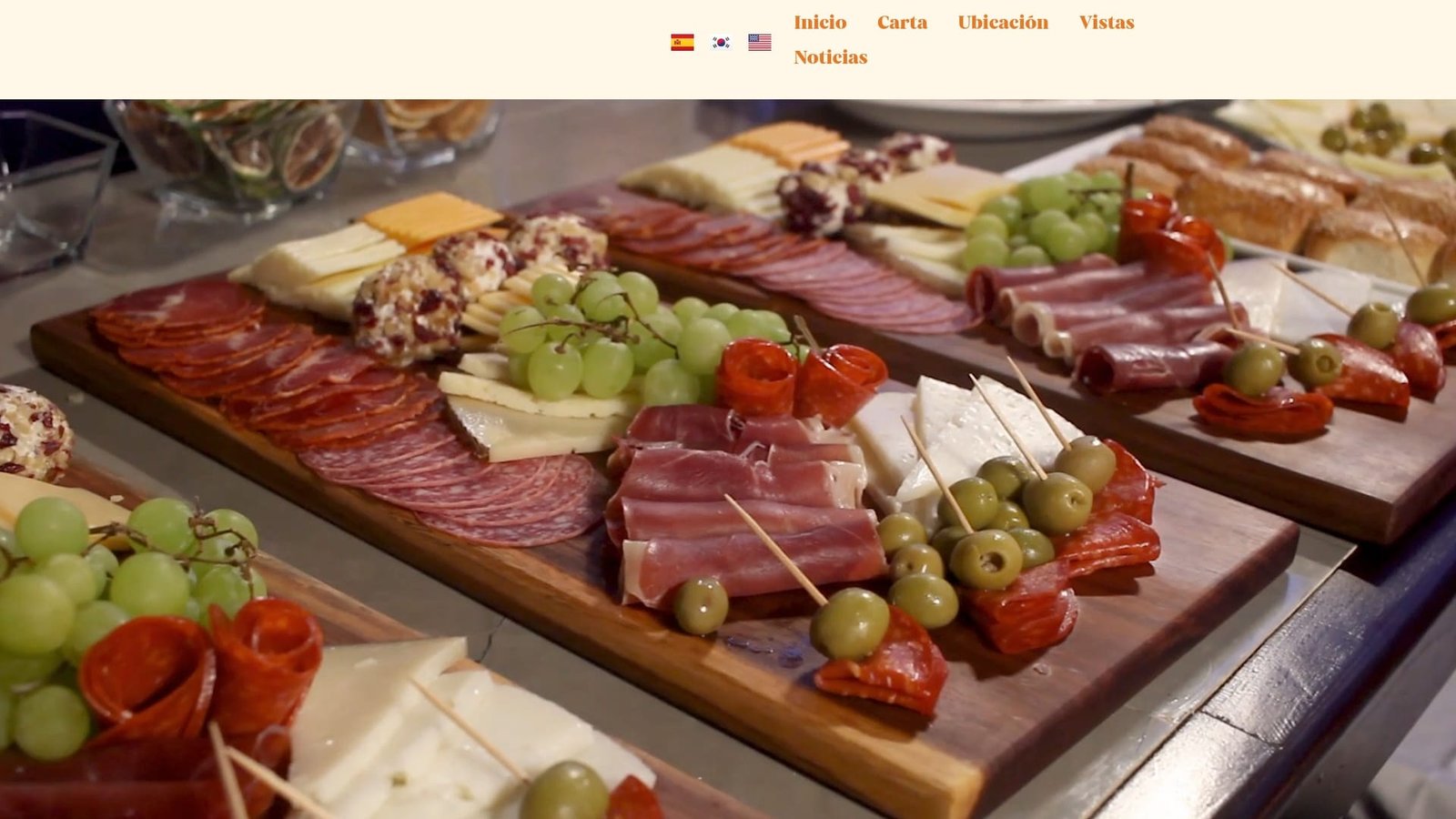
You don’t have to choose between planning your own week of meals and enjoying a dish someone else has already dialed in. Book a table, order the meat paella, and compare it against your own attempt at home. Reserve a table at Kokcha to try it firsthand.
Sources
- Maryland 4-H Meats Identification Cookery Methods
- Types of cooking methods — WebstaurantStore
- Meat recipes from around the world — Cook Eat World