If you want sites like EatTravelGo — the art-inspired travel platform built by Kathy Leonardo and Richard Bilow as a sister site to LAArtParty in 2018 — here is the shortlist that actually covers art, food, and culture travel in Central Europe:
- Kokcha — On-the-ground Mediterranean dining near Sagrada Familia; the publisher’s local option for Barcelona stops. Central Europe strength: strong (Barcelona gateway).
- Google Arts & Culture — Virtual museum tours, AR exhibits, and creator-led cultural adventures across many countries. Central Europe strength: strong.
- Atlas Obscura — Crowd-sourced hidden attractions and offbeat cultural stops worldwide. Central Europe strength: strong.
- Culture Trip — Story-driven city features mixing culture, food, and neighborhood guides. Central Europe strength: moderate.
- TasteAtlas — Regional dish maps and traditional food culture for food-first trip planning. Central Europe strength: strong.
- Roads & Kingdoms — Longform narrative journalism connecting food, politics, and place. Central Europe strength: moderate.
- Spotted by Locals — Handpicked tips from city residents, not anonymous crowds. Central Europe strength: moderate.
- Hidden Europe — Essays and cultural writing focused on lesser-known European destinations. Central Europe strength: strong.
These eight cover the same art-plus-food angle ETG’s founders built into their editorial model, each from a different direction.
Table of Contents
- How to plan an art- and food-focused Central Europe trip with these sites
- Key Takeaways
- The case for combining digital research with a real table
- Kokcha: the on-the-ground option these sites can’t replace
How to plan an art- and food-focused Central Europe trip with these sites
Start with a virtual preview. Google Arts & Culture’s travel adventures let you walk through museum collections before you book a flight — useful for deciding whether a city’s art scene justifies the detour. Pair that with travel.art for biennale calendars and museum-visit strategy, and Pursuit of Art for art-historian-style context that turns a gallery visit into something you actually remember.
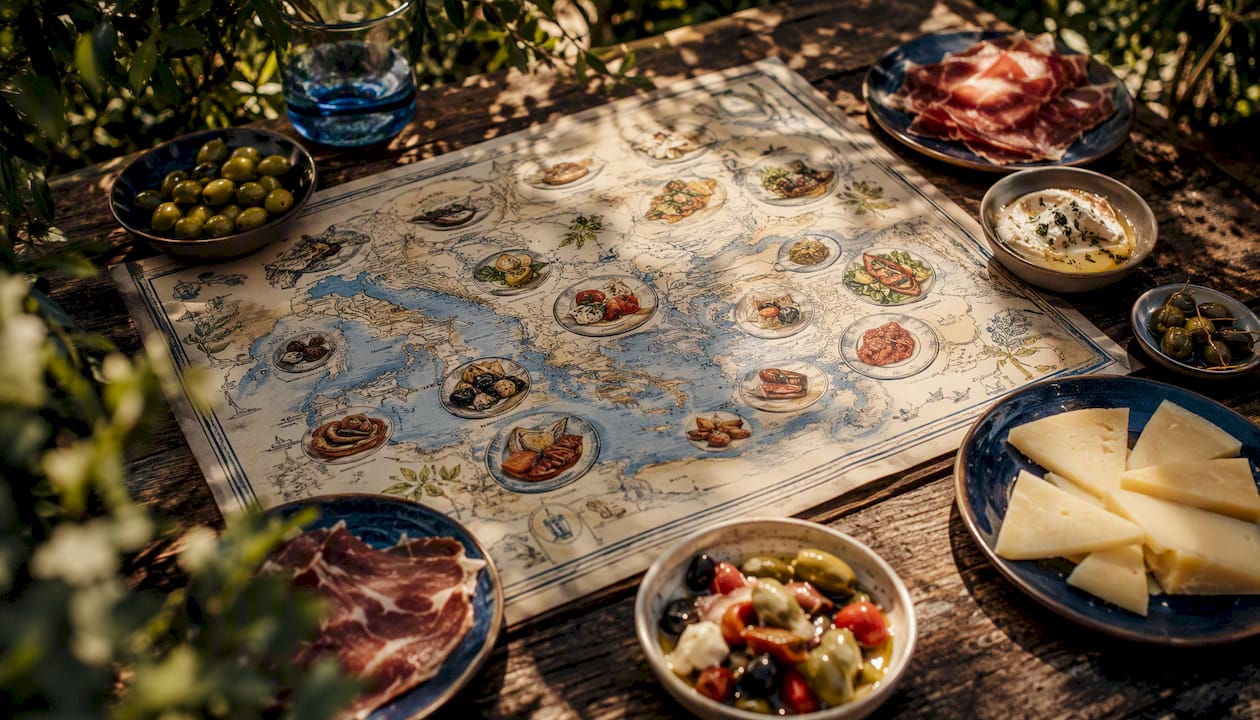
For food planning, TasteAtlas pins regional specialties to the map so you arrive knowing what to order, not just where to sit. Roads & Kingdoms adds the why behind a dish — the politics, the migration story, the chef who kept a recipe alive. Together they replace the generic “best restaurants in X” search.
On the ground, Spotted by Locals and Hidden Europe fill the gap that editorial platforms miss: the bakery a local contributor flagged last month, the Baroque chapel that no guidebook bothers with. ArtistEarth goes further for creative travelers, pairing sketching destinations with gear advice for plein air work on the move.
Pro Tip: Use Google Arts & Culture for virtual previews, TasteAtlas for food mapping, and Spotted by Locals for street-level tips — then book a meal at a local spot like Kokcha to close the loop between screen research and real experience. This layered approach is how experienced art-travelers build a trip stack that actually holds up on arrival.
For culinary experience travel, the same logic applies: research the dish culture online, then find a restaurant that executes it. Eating local in Barcelona is one concrete example of how that research-to-table move works in practice.
ArtsyTravels rounds out the stack for contemporary-art travelers — gallery-focused destination picks and modern exhibition guides that ETG never covered in depth. For hands-on art tourism like studio visits and workshops, it pairs well with ArtistEarth.
Key Takeaways
The strongest approach combines a virtual-preview platform (Google Arts & Culture), a food-mapping tool (TasteAtlas), a local-contributor network (Spotted by Locals), and an on-the-ground dining option to convert research into a real meal.
| Point | Details |
|---|---|
| Start with virtual previews | Google Arts & Culture lets you assess a museum before booking travel. |
| Map food before you land | TasteAtlas pins regional dishes to specific cities, cutting guesswork from food planning. |
| Add local contributor depth | Spotted by Locals and Hidden Europe surface tips that editorial platforms miss entirely. |
| Layer niche art guides | travel.art, Pursuit of Art, and ArtsyTravels each serve a distinct art-travel use case. |
| Kokcha as the Barcelona stop | Mediterranean dining near Sagrada Familia with bilingual service and terrace views. |
Choose the right site by asking: What is my primary goal — inspiration, itinerary, food map, or virtual preview? Does the site cover my specific Central European destination? Does it use local contributors or editorial writers? Is it free or subscription-based?
The case for combining digital research with a real table
Every platform on this list does one thing well: it gets you ready. What none of them does is seat you at a table with a view of Gaudí’s masterpiece and a plate of paella in front of you. That gap is exactly where Kokcha sits. Planning an art-and-food trip through Central Europe with these tools is genuinely useful — but the best trips close the loop between screen research and lived experience. Spotted by Locals points you to the right neighborhood; Google Arts & Culture previews the museum. The meal is still the thing you remember.
Pro Tip: Before your Barcelona stop, use Pursuit of Art’s cultural guides to map the art context, then book a terrace table at Kokcha to anchor the day with food that matches the setting.
Kokcha: the on-the-ground option these sites can’t replace
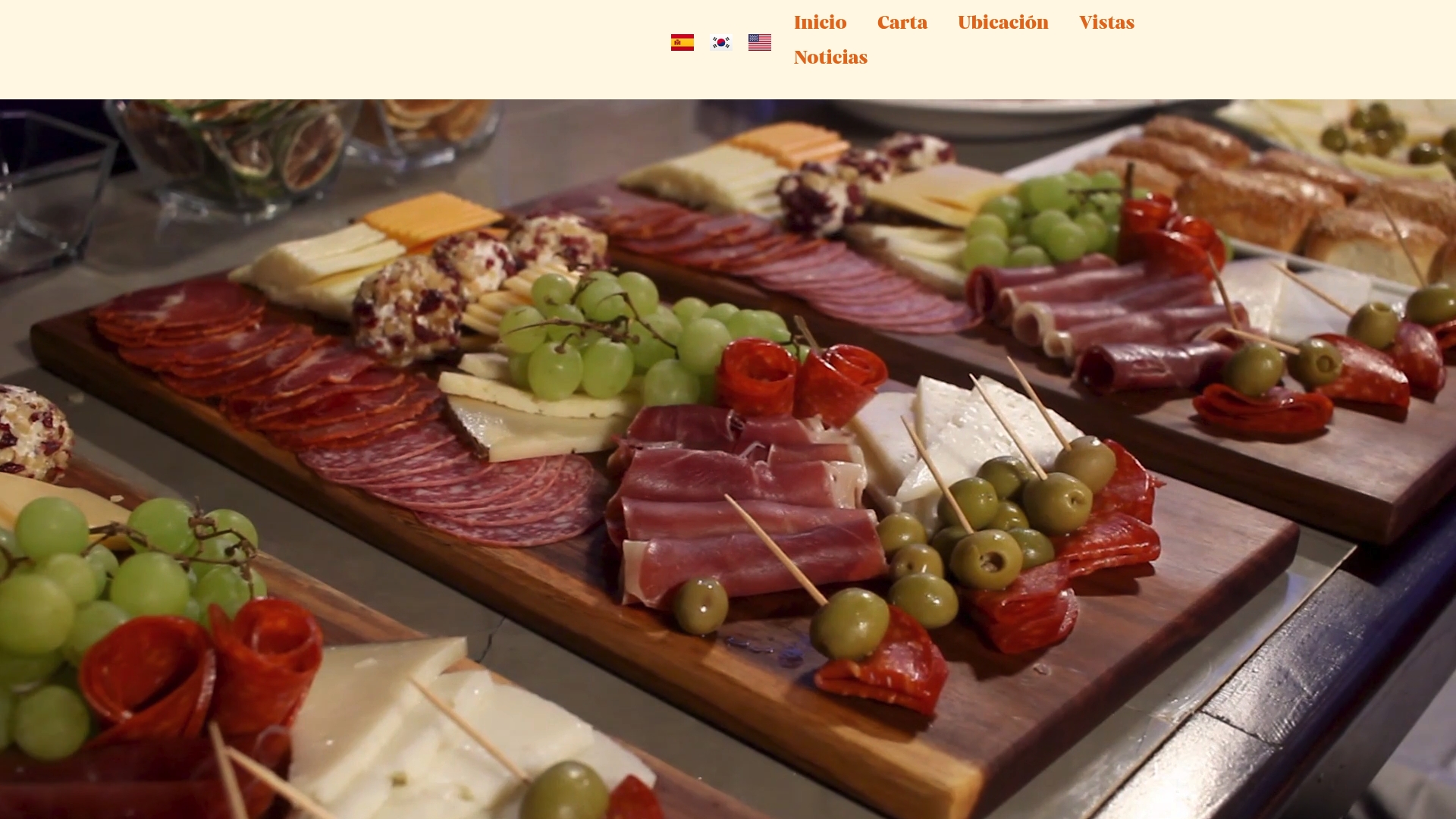
The sites above are research tools. Kokcha is what happens after the research ends. A Mediterranean restaurant steps from the Sagrada Familia, Kokcha offers tapas, paella, grilled meats, and seafood on a terrace with direct views of the monument — bilingual service included, reservation system ready. For travelers who spent an evening on Google Arts & Culture and TasteAtlas planning a Barcelona day, Kokcha is the Mediterranean dining experience that turns the itinerary into a memory. Check availability and reserve your terrace table before your visit.