Spanish coffee is small, strong, and almost always drunk standing at a bar counter or sitting at a table for longer than you planned. Forget the 20-ounce paper cup. Here is what you need to know before you walk in:
- What to order: A café con leche if you want something milky and mild, a café solo if you want a straight espresso, or a café bombón if you want something sweet and layered.
- How it arrives: Small ceramic cup or glass, no lid, no sleeve. Milk drinks come in a glass at many bars; black coffee comes in a small cup.
- One etiquette rule: Ordering takeaway is technically possible at some places, but most bars expect you to drink on the spot. Standing at the bar is faster and often cheaper than sitting at a table.
Key Takeaways
| Point | Details |
|---|---|
| Start with the right drink | Order a cortado or café con leche; both are widely available and easy to pronounce. |
| Torrefacto changes the taste | Many Spanish blends use sugar-roasted beans; ask for “natural” if you prefer a lighter, less bitter cup. |
| Bar vs. table changes the routine | Standing at the bar is faster and sometimes cheaper; table service means waiting for the bill. |
| Regional names vary widely | Sombra, nube, asiático, and barraquito are local names for drinks that may not appear on every menu. |
| Kokcha in Barcelona | Near the Sagrada Familia, Kokcha offers breakfast and Mediterranean meals with terrace views and bilingual service. |
Table of Contents
- What coffee in Spain actually looks like on the menu
- Why some Spanish coffee tastes so dark: café torrefacto explained
- How to order coffee in Spain: phrases, bar etiquette, and tipping
- Where to find traditional bars, cafeterías, and specialty shops
- Regional names you might not recognize
- Spanish coffee culture: why the pace is the whole point
- A traveler’s honest first recommendation
- A Mediterranean coffee pause near the Sagrada Familia
- Sources
What coffee in Spain actually looks like on the menu
Spain has a tighter, more logical coffee menu than most countries. Every drink starts from a single espresso base, and the name tells you how much milk goes in. The standard Spanish coffee types break down like this:
- Café solo: One espresso shot, no milk. The default black coffee. Ordered at any hour but especially after lunch.
- Café doble: Two shots, still no milk. Ask for this if you want more volume without adding milk.
- Cortado: One shot with a small splash of warm milk, just enough to cut the bitterness. Served in a small glass. Popular mid-morning.
- Café con leche: Roughly equal parts espresso and steamed milk. The most popular Spanish coffee drink by a wide margin. Breakfast staple, almost always ordered before noon.
- Manchado / Leche manchada: Mostly warm milk with just a stain of coffee. The mildest option, sometimes called leche manchada when the milk is the main event. Good for those who find espresso too intense.
- Café bombón: Espresso poured over sweetened condensed milk in a small glass. The layers are visible before you stir. A dessert-style drink, popular in Valencia and the southeast.
- Carajillo: Espresso with a splash of liquor, typically brandy, rum, or Licor 43. An after-lunch or after-dinner drink. Not a breakfast order.
- Café con hielo: Espresso served alongside a glass of ice. You pour it yourself. Add sugar to the hot espresso before pouring it over the ice so it dissolves properly, otherwise it sinks to the bottom as grit. A summer staple.
- Americano: Available at most cafés, though it often arrives as a short espresso with hot water added rather than the long-brew version North Americans expect. Ask for café americano largo if you want more volume.
- Cappuccino / flat white: Found at specialty shops and hotel cafés. Traditional bars may not make them, or may interpret them loosely. Manage expectations outside major cities.
Pro Tip: If you want your café con leche at a drinkable temperature rather than scalding, ask for it “templada” (lukewarm). Locals know this trick; most tourists don’t.
Why some Spanish coffee tastes so dark: café torrefacto explained
One thing that genuinely surprises travelers is how dark and almost smoky some Spanish coffees taste. The reason is café torrefacto, a roasting method unique to Spain and a handful of other markets.
Torrefacto involves adding sugar to the coffee beans during the roasting process. According to the quality standard for this roast, up to 15 kg of sugar can be added per 100 kg of green coffee, with roasting temperatures approaching 200°C where the sugar caramelizes and coats the beans. The result is a dark, glossy bean with a more bitter, slightly burnt flavor profile.
Stat to know: The torrefacto standard allows up to 15 kg of sugar per 100 kg of green coffee, roasted near 200°C.
The technique has roots in early 20th-century Spain. A long-standing explanation ties its persistence to post-war scarcity and industrial distribution: darker, sugar-coated beans stayed fresher longer during transport and storage, which made them practical for mass-market use. Over decades, that flavor became what many Spaniards simply expect coffee to taste like.
| Roast type | Appearance | Flavor profile | Common use |
|---|---|---|---|
| Natural (natural) | Brown, matte bean | Fruity, nuanced, less bitter | Specialty shops, quality bars |
| Torrefacto | Very dark, glossy bean | Bitter, smoky, caramelized | Traditional bars, supermarket blends |
| Mezcla (blend) | Mixed appearance | Moderate bitterness, balanced | Most standard bars |
If you prefer a lighter cup, ask specifically for café de tueste natural or simply natural. Most traditional bars use a mezcla (blend of natural and torrefacto), so the bitterness is moderate.
How to order coffee in Spain: phrases, bar etiquette, and tipping
The short answer: walk up to the bar, make eye contact, and say what you want. Spanish café service is direct and efficient. No need to wait to be seated at the bar.
Your Spanish coffee cheat sheet
| Spanish phrase | Literal meaning | What you get |
|---|---|---|
| Un café solo, por favor | One coffee alone, please | Single espresso |
| Un cortado, por favor | One cut, please | Espresso with a splash of milk |
| Un café con leche, por favor | One coffee with milk, please | Half espresso, half steamed milk |
| Un café con hielo, por favor | One coffee with ice, please | Espresso + glass of ice |
| Un carajillo, por favor | (regional term) | Espresso with liquor |
| En vaso, por favor | In a glass, please | Drink served in a glass, not a cup |
| Templada, por favor | Lukewarm, please | Milk not scalding hot |
| La cuenta, por favor | The bill, please | You want to pay |
Ordering at the bar vs. at a table
At the bar (en la barra):
- Walk up and catch the barista’s eye. A nod works.
- State your order clearly: “Un café con leche, por favor.”
- Drink it there. Bar service is designed for a 5–10 minute stop.
- Pay when you finish. Say “¿Cuánto es?” (How much is it?) or “La cuenta, por favor.”
- Leave coins on the counter if you want to tip. Rounding up to the nearest euro is common.
At a table (en la mesa):
- Sit down and wait for the server to come to you.
- Order when they arrive. You can also flag them with a raised hand.
- The bill comes when you ask for it. Servers rarely drop it unsolicited.
- Pay at the table or walk to the register, depending on the bar.
Specifying en la barra or en la mesa when you order removes any ambiguity about where you plan to sit and can affect the price at some venues, where table service costs slightly more.
Tipping: There is no fixed rule. Rounding up small change is appreciated but not expected. Leaving €0.20–€0.50 on a coffee order is generous by local standards.
Where to find traditional bars, cafeterías, and specialty shops
Not every café in Spain is the same, and knowing which type you are walking into sets the right expectations.
Traditional bar (bar de barrio)
Opens early, often by 7:00 AM. Serves coffee alongside tostadas, churros, and sometimes a small glass of orange juice. The machine is usually a commercial espresso unit, the beans are almost certainly a torrefacto or mezcla blend, and the coffee costs €1.20–€1.80. No single-origin listings, no pour-over. What you get is fast, consistent, and exactly what most Spaniards drink every morning.
Cafetería or pastelería
A step up in presentation. Pastry displays, more seating, sometimes table service from the start. Coffee quality varies widely. Prices run €1.50–€2.50. These are good spots for a longer breakfast with a napolitana (chocolate pastry) or ensaimada.
Third-wave specialty shop
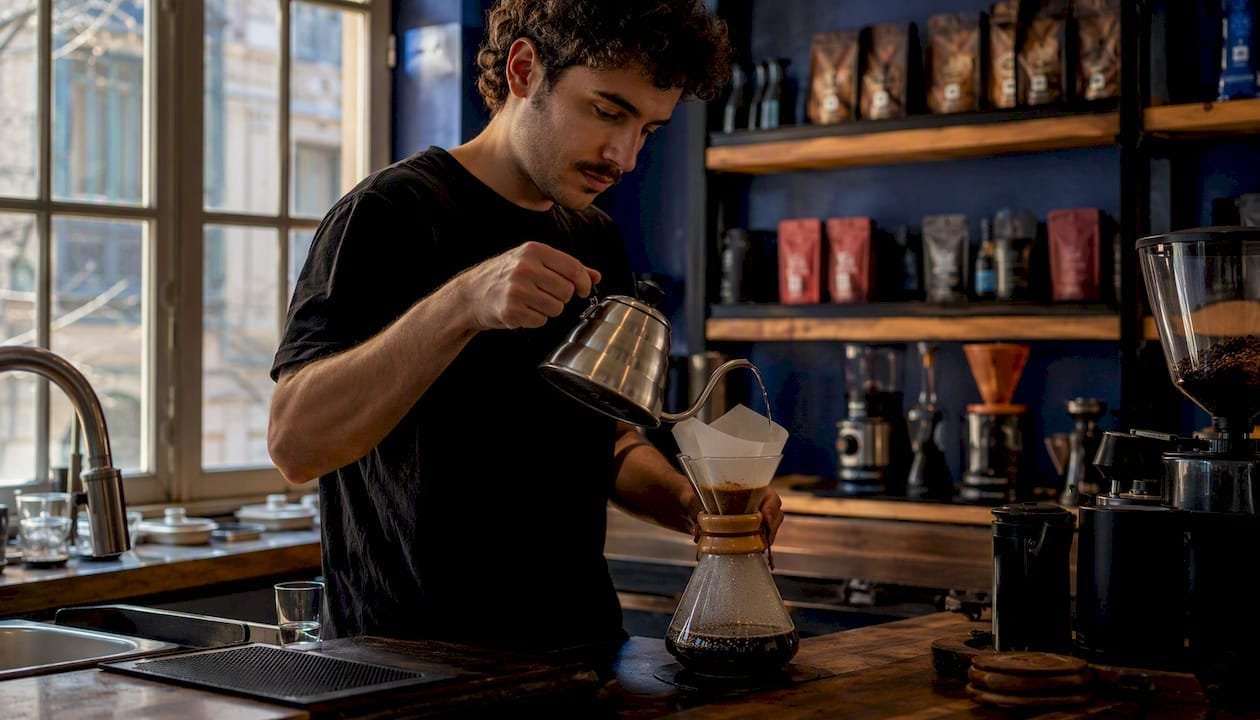
The rise of artisanal brewing in Spain has brought Chemex, AeroPress, and single-origin offerings into major cities, particularly Barcelona, Madrid, and Valencia. Specialty shops are easy to spot: visible roasting equipment or bean bags with origin labels, a chalkboard menu with brewing method options, and staff who will talk about the coffee if you ask. Prices run €2.50–€4.50 for a specialty filter or espresso drink. These venues almost never use torrefacto.
| Signal to look for | Traditional bar | Cafetería | Specialty shop |
|---|---|---|---|
| Menu language | Handwritten or simple board | Printed menu | Chalkboard with origins |
| Bean visibility | Rarely shown | Rarely shown | Bags or roaster on display |
| Brewing equipment | Commercial espresso machine | Commercial espresso machine | AeroPress, Chemex, V60 |
| Single-origin options | No | Rarely | Yes |
| Typical espresso price | €1.20–€1.80 | €1.50–€2.50 | €2.50–€4.50 |
For travelers who want to explore modern Spanish gastronomy and the evolving café scene, major cities are the right place to start. Outside urban centers, the traditional bar remains dominant.
Regional names you might not recognize
Spain’s coffee vocabulary shifts by province. The drink you order in Seville may arrive under a completely different name in Málaga or Cartagena. Here is a quick reference:
- Málaga: Sombra (more milk than coffee, similar to a manchado) and nube (even more milk, just a cloud of coffee). Locals order these by name; asking for a cortado in Málaga might get you a confused look.
- Valencia: Café bombón is especially popular here, and the city is often credited with originating it.
- Cartagena (Murcia): Asiático, a specialty drink made with espresso, condensed milk, Licor 43, and cinnamon, served in a glass. Dessert-style, strong, and not found easily outside the region.
- Canary Islands: Barraquito, a layered drink with condensed milk, Licor 43, espresso, milk foam, cinnamon, and lemon zest. Also leche y leche, which layers condensed milk and regular milk with espresso.
- Catalonia / Barcelona: Standard Spanish names apply, though specialty shops use international terminology (flat white, filter coffee).
- Galicia: Café con leche is common, but you may also encounter queimada (a different ritual drink, not a coffee, but sometimes offered after meals).
Pro Tip: When you land somewhere new and the menu looks unfamiliar, ask the barista “¿Cómo lo hacen aquí?” (How do you make it here?) or “¿Qué lleva?” (What’s in it?). You will get a straight answer and probably a recommendation.
Spanish coffee culture: why the pace is the whole point
Spanish coffee culture is not about the coffee alone. It is about the pause.
That observation cuts to the core of what confuses many visitors. A coffee break in Spain is not a transaction. It is a scheduled social moment, usually 15–30 minutes, built into the morning or post-lunch routine. Spaniards do not typically eat breakfast at home and then grab coffee on the run. They stop at a bar, order a café con leche and a tostada con tomate, and talk.
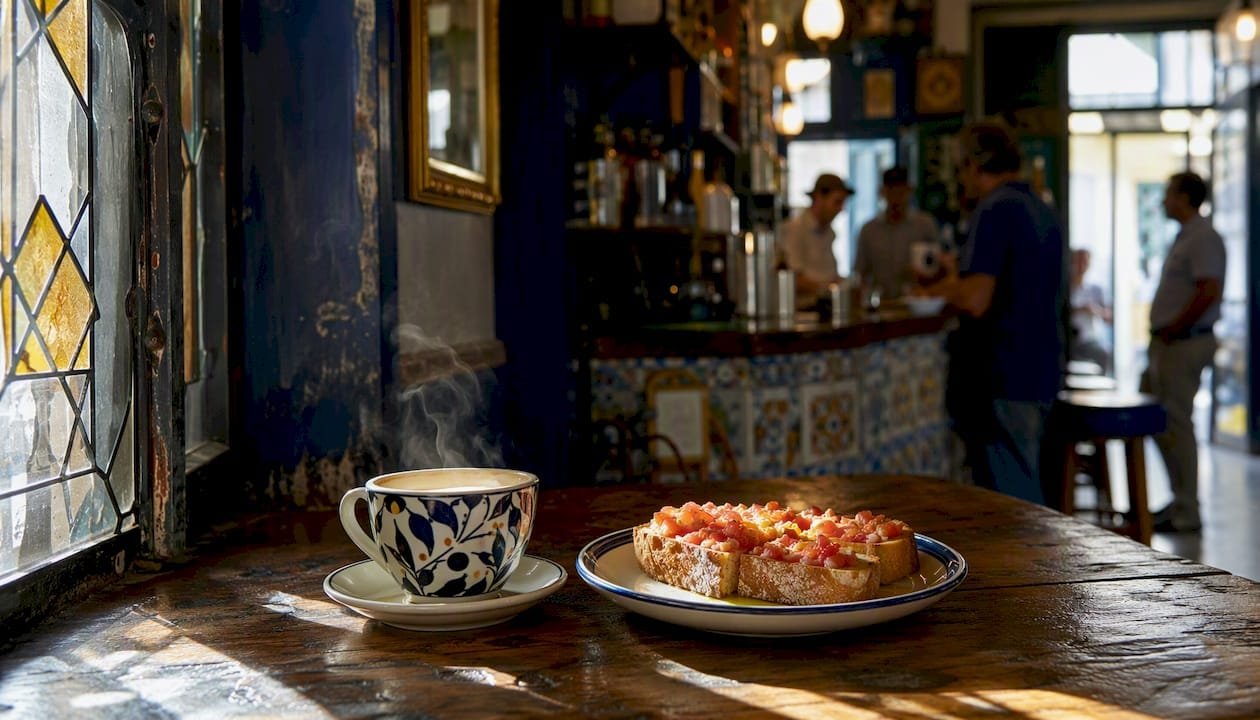
The noise level at a Spanish bar in the morning is high by northern European standards. That is not rudeness; it is the sound of the ritual working as intended. Conversations overlap, the espresso machine runs constantly, and nobody is in a hurry to leave or to give up their spot at the bar.
A practical note for travelers: attempting to order takeaway at a traditional bar is not offensive, but it signals that you are missing the point. Some bars will hand you a plastic cup if you insist. Most will find it slightly odd. The cultural value is the pause itself, not the caffeine delivery. If you have five minutes, stand at the bar. If you have twenty, sit down and order a pastry.
For a deeper look at how food and drink rituals connect in Spain, the Spanish food tradition guide covers the broader cultural context well.
A traveler’s honest first recommendation
Start with a cortado at the bar. Order it standing, pay when you finish, and leave a few coins. That single experience tells you more about Spanish coffee culture than any amount of reading.
Say: “Un cortado, por favor.” It will arrive in a small glass, espresso on the bottom, a thin layer of warm milk on top. Drink it in three or four sips. That is the rhythm.
If you are having breakfast, swap the cortado for a café con leche and pair it with pan con tomate (bread rubbed with tomato and olive oil). That combination is what most Spaniards eat between 8:00 and 10:00 AM, and it is one of the better simple meals you will find anywhere.
A Mediterranean coffee pause near the Sagrada Familia
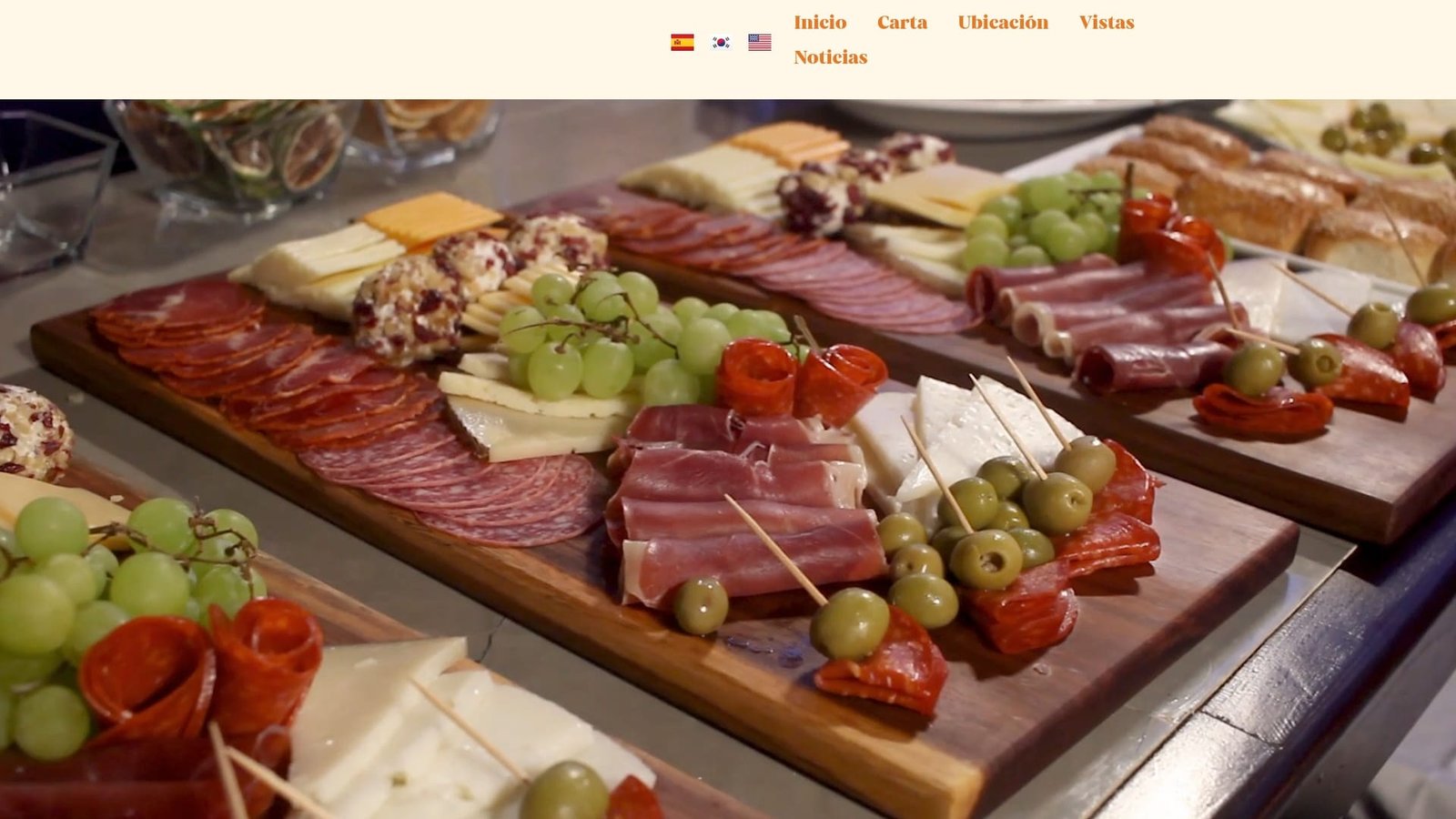
If you are visiting Barcelona and want to slow down with a proper coffee alongside something to eat, Kokcha is a few steps from the Sagrada Familia. The restaurant serves breakfast and full Mediterranean meals on a terrace with city views, with bilingual staff who can help you navigate the menu in English or Spanish.
It is a good spot to try a café con leche alongside a Mediterranean breakfast before a morning at the monument, or to stop mid-afternoon for a coffee and a light bite after the visit. The terrace makes the pause feel like the point, which is exactly how it should be. Check the Kokcha terrace experience for seating details, or browse the full Mediterranean menu before you arrive.
Sources
- Tipos de café en España (nombres, diferencias y cómo pedirlos)
- Café torrado — Wikipedia (es)
- Guide to Spanish Coffee — How2Spanish
- How to Order Coffee in Spain: The Complete Guide