Why olive oil is the foundation of Mediterranean cuisine
Olive oil is not just one ingredient among many in Mediterranean cooking. It is the primary fat, the flavor base, and in many ways the defining element that separates Mediterranean cuisine from every other food tradition on earth. Extra virgin olive oil (EVOO) sits at the top of that hierarchy, delivering a combination of taste, chemical stability, and documented health benefits that refined oils simply cannot match.
The landmark PREDIMED randomized controlled trial found that a Mediterranean diet supplemented with extra virgin olive oil reduced major cardiovascular events by 30% in high-risk adults. That single figure reshaped how nutritionists worldwide think about dietary fat. It also confirmed what cooks across Spain, Italy, Greece, and the broader Mediterranean basin had known for centuries: this oil is not a condiment. It is the architecture of the meal.
Here is what olive oil actually does in Mediterranean food:
- Provides the primary cooking fat across virtually every preparation, from raw dressings to high-heat roasting
- Delivers monounsaturated fatty acids (primarily oleic acid) and phenolic compounds that protect cardiovascular health
- Acts as a flavor carrier, pulling fat-soluble aromatics from garlic, herbs, and vegetables into the dish
- Enables traditional techniques like sofrito that are impossible to replicate with neutral oils
- Carries cultural and historical weight as a symbol of prosperity, ritual, and regional identity across the Mediterranean world
- Supports the broader dietary pattern by making plant-based foods more palatable and nutritionally complete
Pro Tip: When shopping, look for a harvest date on the bottle rather than a “best by” date. Phenolic content peaks in freshly pressed oil and declines steadily, so fresher always means more flavor and more benefit.
What the science says about olive oil’s health benefits
The nutritional case for olive oil is built on a specific lipid profile that sets it apart from other common cooking fats. Oleic acid, a monounsaturated fatty acid, makes up the majority of olive oil’s fat content, though exact percentages vary by variety and origin. That high monounsaturated fraction is part of the story. The more distinctive part is what comes alongside it.
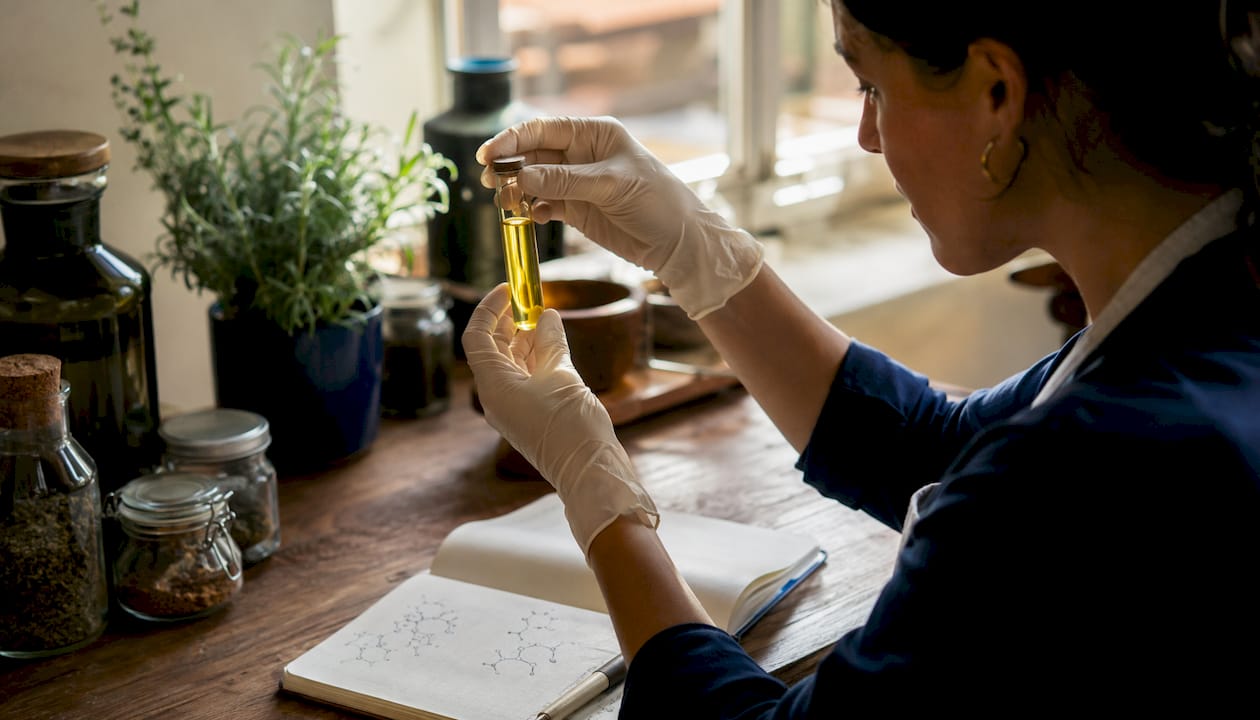
EVOO contains a range of phenolic compounds, including oleocanthal, oleuropein, and hydroxytyrosol, that act as antioxidants and anti-inflammatory agents in the body. These compounds are largely absent in refined olive oils, which undergo processing that strips them out. A systematic narrative review covering 34 clinical and cohort studies found that phenolic-rich EVOO outperforms other fats in improving blood pressure, LDL and HDL cholesterol, and glycemic control within weeks of consistent use.
The population-level data is equally striking. A large meta-analysis found that increasing daily olive oil consumption is associated with reduced risks of cardiovascular disease, diabetes, and mortality. These are not marginal gains. They represent the kind of effect size that typically requires pharmaceutical intervention.
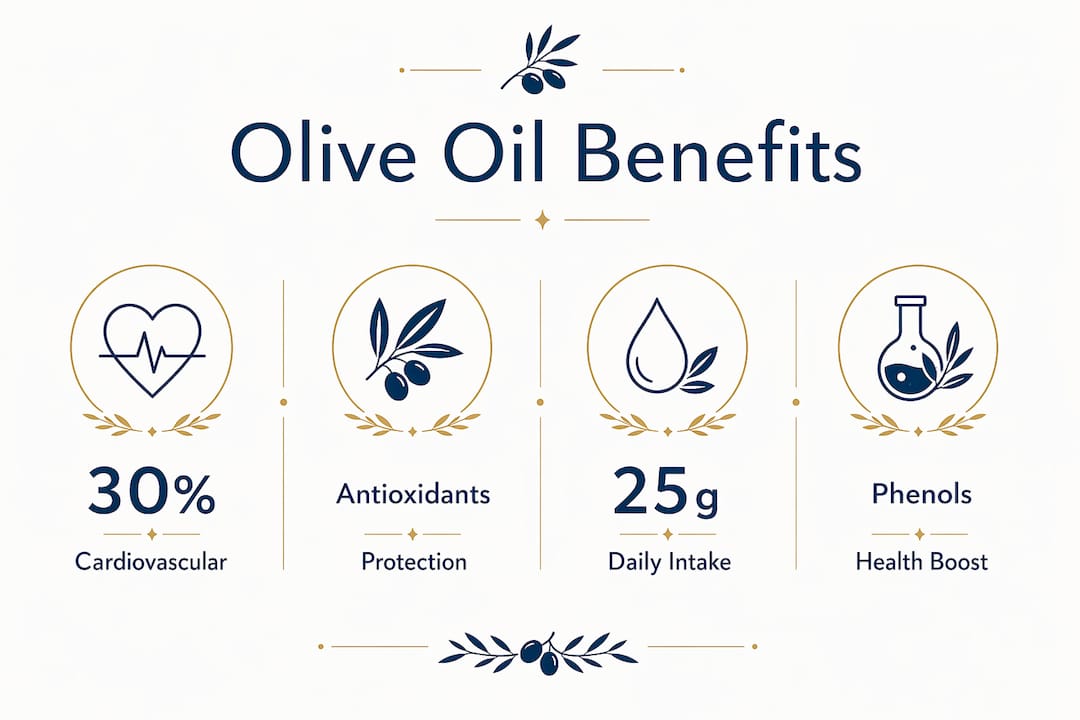
The European Food Safety Authority (EFSA) has formally recognized olive oil’s antioxidants and phenols as protective against oxidative damage to blood lipids, giving the oil one of the few food-based health claims the agency has ever approved. That regulatory stamp matters because it is based on a strict evidence threshold, not marketing.
Key health outcomes linked to olive oil intake
| Health outcome | Evidence base |
|---|---|
| Cardiovascular events (stroke, peripheral artery disease) | 30% reduction in PREDIMED trial with EVOO supplementation |
| Cardiovascular disease risk | — |
| Type 2 diabetes risk | — |
| All-cause mortality | — |
| Blood pressure and cholesterol | Improved within weeks on phenolic-rich EVOO vs. other fats |
A few common misconceptions are worth addressing directly. First, olive oil is not a low-fat food, nor should it be treated as one. Its benefits come from the type of fat, not a reduced quantity. Second, the idea that you cannot cook with EVOO at high temperatures is largely a myth. EVOO’s chemical stability and relatively high smoke point make it suitable for sautéing, roasting, and even shallow frying. Third, not all olive oils are equal. High-phenol EVOO and commodity refined olive oil are nutritionally different products, and treating them as interchangeable misses the point entirely.
Dietary guidelines from institutions including the World Health Organization and the American Heart Association consistently endorse olive oil as a preferred fat source. The Mediterranean diet, with olive oil as its central fat, is the most studied dietary pattern in the world for chronic disease prevention.
How olive oil is used across Mediterranean cooking
The range of applications for olive oil in Mediterranean kitchens is wider than most people outside the region realize. It is not simply a salad dressing or a finishing drizzle. It functions as the primary cooking medium from the first step of almost every savory preparation to the last.
Common culinary uses of olive oil in Mediterranean cuisine:
- Raw dressings and marinades: Greek salad, Italian panzanella, and Spanish ensalada de tomate all rely on EVOO as the dressing base, where its flavor is fully unmasked
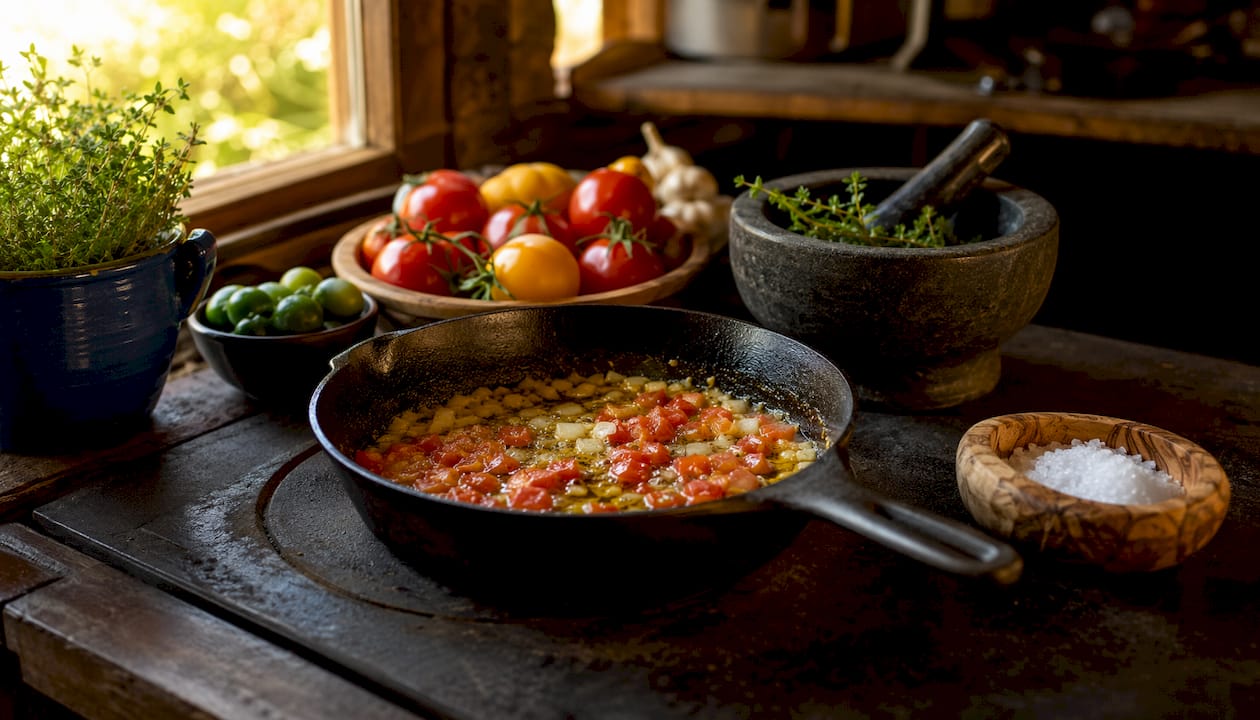
- Sofrito and aromatic bases: The technique of slowly cooking garlic, onion, and tomato in olive oil is the foundation of Spanish, Italian, and Greek cooking alike
- Sautéing and stir-frying: Vegetables, seafood, and proteins are routinely cooked over medium-high heat in olive oil across the region
- Roasting: Potatoes, root vegetables, and fish are coated in olive oil before roasting, which promotes caramelization and prevents drying
- Bread dipping and spreads: Across Spain and Italy, fresh bread served with EVOO and salt is a standard table ritual
- Preservation: Olives, cheeses, and dried herbs are stored submerged in olive oil, a technique that predates refrigeration
- Baking: Certain Mediterranean breads, focaccia, and savory pastries use olive oil instead of butter for both texture and flavor
The technique of sofrito deserves particular attention. Slow-cooking aromatics in olive oil does more than build flavor. Traditional Mediterranean cooking methods like sofrito use olive oil to extract fat-soluble compounds from vegetables, making nutrients like lycopene and beta-carotene more bioavailable to the body. You get better flavor and better nutrition from the same ingredients, simply by using the right fat and taking the time to do it properly.
EVOO’s chemical stability also matters practically. Its high oleic acid content makes it more resistant to oxidation at cooking temperatures than polyunsaturated oils like sunflower or corn oil. That stability means fewer harmful compounds form during cooking, which is a real advantage for anyone using olive oil daily.
Quality and freshness affect cooking performance in ways that are easy to underestimate. A fresh, high-phenol EVOO from a recent harvest will have a peppery, grassy bite that transforms a simple dish. An old or poorly stored bottle will taste flat and contribute little beyond fat. The polyphenol content in EVOO declines with age and improper storage, so buying from producers who list a harvest date is the single most practical step toward better cooking and better health outcomes.
At Kokcha, the fresh ingredients in Mediterranean food philosophy extends directly to olive oil selection, where quality sourcing shapes every dish on the menu.
The cultural and historical weight of olive oil in Mediterranean food
Olive oil has been called “liquid gold” since antiquity, and the phrase is not hyperbole. Ancient Greek, Roman, and Phoenician civilizations built trade networks around olive oil production. It served as currency, lamp fuel, medicine, and religious offering long before it was simply a cooking fat. The olive tree itself became a symbol of peace, wisdom, and endurance across Mediterranean cultures, and that symbolism has never fully faded.
The cultural habits that surround olive oil use are as important as the oil itself. In Spain, the ritual of drizzling fresh EVOO over pan con tomate is a daily act, not a special occasion. In Greece, olive oil appears at every meal, from breakfast yogurt to grilled fish. In southern Italy, the harvest season is a community event that marks the agricultural calendar. These practices keep olive oil consumption high not through conscious health decisions but through cultural repetition.
How olive oil shapes Mediterranean food culture:
- Olive cultivation has defined the agricultural economy of Mediterranean regions for at least 6,000 years
- Regional olive varieties (Arbequina in Catalonia, Koroneiki in Greece, Frantoio in Tuscany) create distinct flavor profiles that define local cuisines
- Harvest timing, pressing methods, and storage traditions are passed down through generations as culinary knowledge
- Olive oil appears in religious and ceremonial contexts across Jewish, Christian, and Islamic Mediterranean traditions
- The Mediterranean diet’s UNESCO recognition as an Intangible Cultural Heritage of Humanity explicitly names olive oil as a defining element
Sustainability is increasingly part of this cultural conversation. Traditional Mediterranean olive groves, many of which contain trees that are hundreds of years old, represent a form of agricultural heritage that is difficult to replicate industrially. Small-scale producers in Spain, Greece, and Italy maintain low-intervention farming practices that preserve soil health and biodiversity. Choosing single-origin EVOO from these producers is both a culinary and an environmental decision.
The Mediterranean food culture in Barcelona reflects this same continuity, where olive oil is not a trend ingredient but a permanent fixture of how food is cooked and shared.
What today’s experts and research say about olive oil
The scientific conversation around olive oil has moved well beyond “it’s good for your heart.” Researchers now classify high-quality EVOO as a functional food, meaning it delivers measurable physiological benefits beyond basic nutrition. That classification rests almost entirely on phenolic compounds, which act on inflammatory pathways, oxidative stress, and metabolic regulation in ways that oleic acid alone cannot explain.
-
EVOO’s phenolic compounds are the active ingredient. Oleocanthal, in particular, inhibits the same inflammatory enzyme (COX) as ibuprofen, though through a different mechanism. This anti-inflammatory action is one reason high EVOO intake correlates with reduced risk of conditions from cardiovascular disease to certain cancers.
-
High EVOO intake (above 40 grams per day) is linked to reduced risk of composite cardiovascular events including stroke and peripheral artery disease, based on longitudinal analysis of the PREDIMED trial with 621 adjudicated cardiovascular events.
-
Freshness determines potency. The polyphenol content in EVOO declines measurably with age and exposure to light, heat, and oxygen. An oil that was excellent at harvest can be nutritionally ordinary by the time it reaches a supermarket shelf a year later.
-
Olive oil increases vegetable consumption indirectly. Research on Mediterranean eating patterns shows that olive oil’s flavor contribution makes plant-based foods more palatable, which drives higher overall vegetable intake. The oil does not just add nutrients; it makes people eat more of the foods that carry them.
-
Variety and harvest date matter more than most buyers realize. Early-harvest oils pressed from green, unripe olives contain significantly higher phenol concentrations than late-harvest oils from fully ripe fruit. Producers in Catalonia, Andalusia, and Crete increasingly list phenol content on labels, a practice that lets buyers make genuinely informed choices.
Pro Tip: Store EVOO in a dark glass bottle or tin, away from heat and light. A bottle kept next to the stove loses its phenolic content faster than one stored in a cool cabinet. The flavor difference after three months of poor storage is noticeable.
Manuel Moñino of the Spanish Academy of Nutrition and Dietetics has consistently emphasized that olive oil’s chemical stability and flavor profile make it the only fat that simultaneously serves culinary and health goals across the full range of Mediterranean cooking techniques. That dual function is what no substitute has managed to replicate.
The current research consensus, supported by institutions from the EFSA to the World Health Organization, confirms that the Mediterranean diet with EVOO as its primary fat represents the strongest evidence-based model for chronic disease prevention available in nutritional science. That is not a marketing claim. It is the conclusion of decades of epidemiological and clinical research across hundreds of thousands of participants.
Key Takeaways
Extra virgin olive oil is the nutritional and culinary cornerstone of Mediterranean cuisine, with clinical evidence showing it reduces cardiovascular disease risk by 16%, diabetes risk by 22%, and all-cause mortality by 11% when daily olive oil consumption increases by 25 grams as part of a traditional Mediterranean diet.
| Point | Details |
|---|---|
| EVOO leads on health outcomes | Increasing daily olive oil consumption by 25 grams reduces cardiovascular disease risk by 16%, diabetes risk by 22%, and mortality risk by 11%. |
| Phenolic compounds are what matter | Refined olive oils lack the phenols that drive EVOO’s anti-inflammatory and cardiovascular benefits. |
| Freshness affects both flavor and nutrition | Polyphenol content declines with age and poor storage; always check for a harvest date on the bottle. |
| Olive oil enables key cooking techniques | Sofrito and similar methods use olive oil to extract fat-soluble nutrients and build flavor simultaneously. |
| Cultural continuity sustains consumption | Millennia of Mediterranean food tradition keep olive oil use high through habit, not just health awareness. |
Experience Mediterranean olive oil cuisine at Kokcha
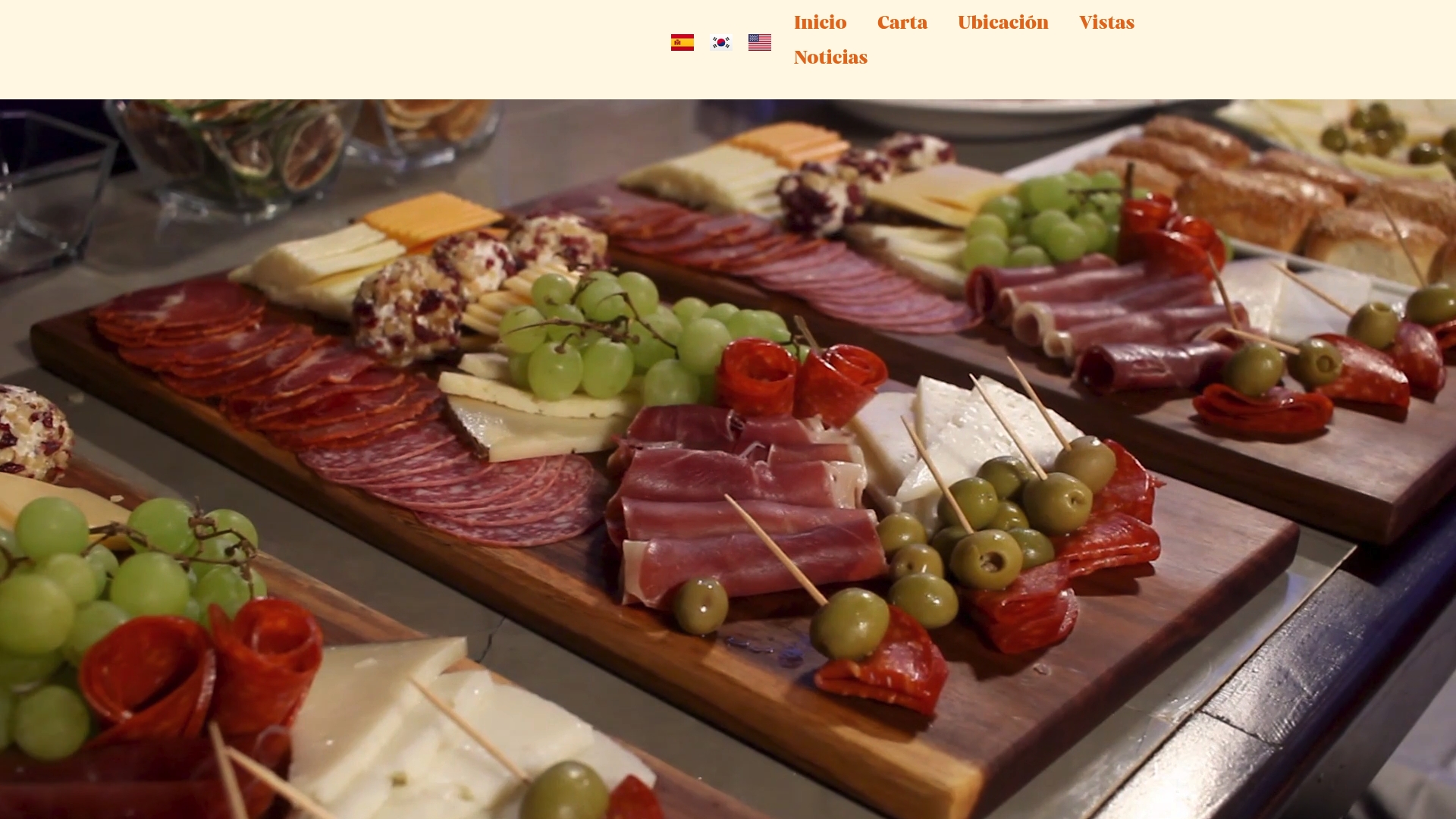
Kokcha sits steps from the Sagrada Família in Barcelona, serving Mediterranean cuisine where olive oil is not an afterthought but the starting point of every dish. From seafood paella built on a sofrito cooked low and slow in EVOO, to tapas where the quality of the oil is as visible as any other ingredient, the kitchen reflects the same principles this article covers: sourcing matters, technique matters, and the oil you choose shapes everything that follows.
If you want to taste what the role of olive oil in Mediterranean food actually means at the table rather than on the page, authentic Mediterranean dining in Barcelona is exactly what Kokcha offers. Book a table, order the paella, and pay attention to what the olive oil does to the flavor. You will understand the research immediately.