A step-by-step family dining experience is a structured, intentional approach to shared meals that builds connection, reduces stress, and improves emotional well-being for every person at the table. Research shows that families sharing at least three meals weekly see measurable gains in emotional health and nutrition. That number matters because most families assume the bar is higher than it is. You do not need elaborate menus or perfect timing. You need a repeatable structure that makes every meal feel worth showing up for.
What key preparations start a family dining experience?
The foundation of any successful family dining guide is consistency, not complexity. Fixed mealtimes aligned with your family’s actual schedule create a predictable rhythm that children and adults both rely on. Short, predictable routines best mitigate time constraints in modern families. That means a 25-minute dinner at 6:30 PM every weekday beats an elaborate Sunday feast that happens twice a month.
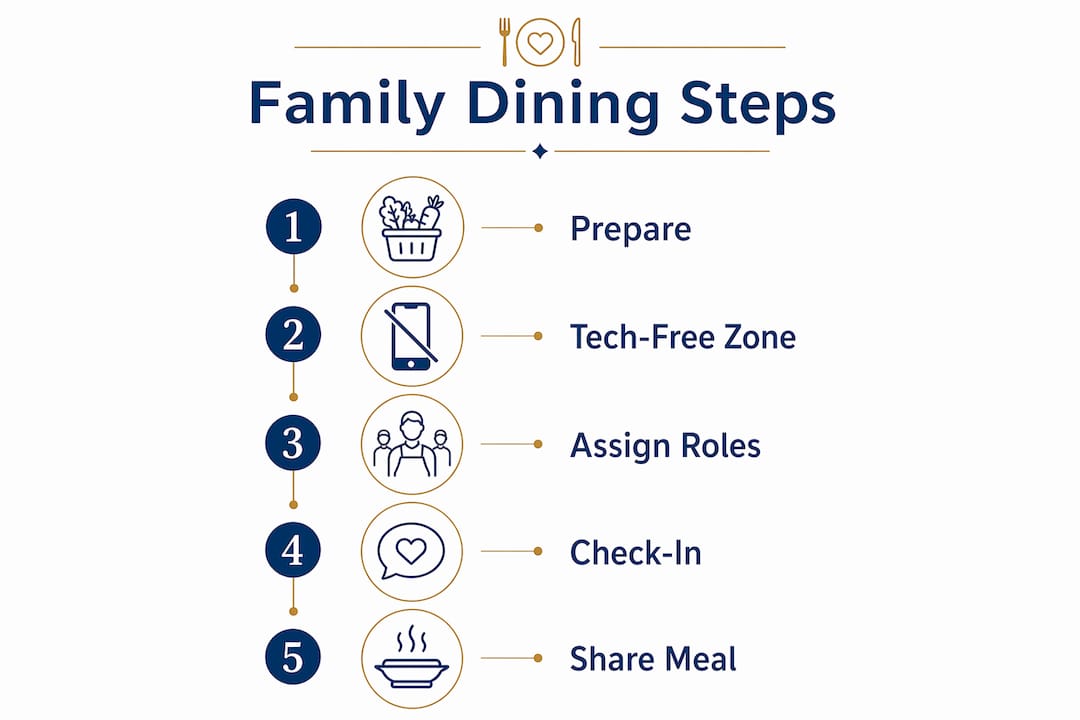
Before the first fork hits the table, set up your environment deliberately. A tech-free zone is the single most impactful change you can make. Digital distractions, particularly from parents’ device use, are the primary barrier to real connection at meals. Phones in a basket or another room removes the temptation entirely.
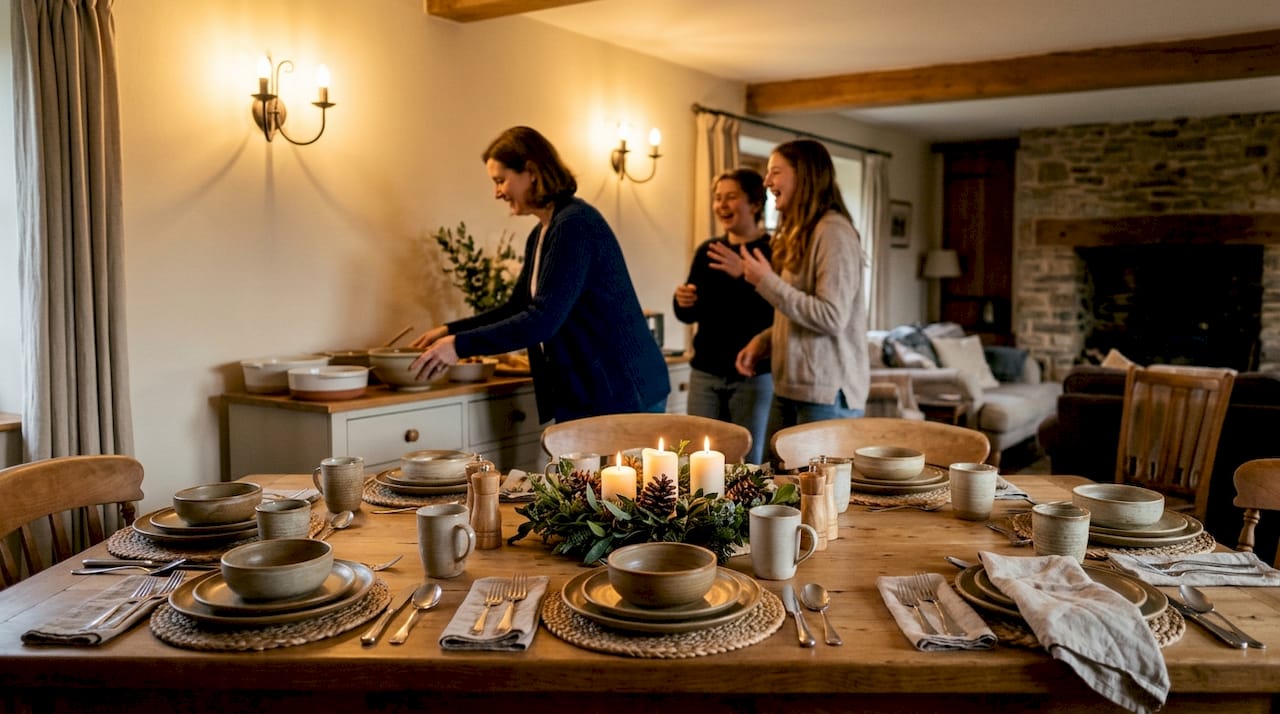
Involving family members in setup increases engagement before the meal even starts. Assign age-appropriate roles: younger children set napkins and cups, older kids plate side dishes, and adults handle the main course. This shared ownership signals that the meal belongs to everyone.
Here is a quick overview of what you need in place before you begin:
| Element | What it looks like |
|---|---|
| Fixed time | Same days and times each week, non-negotiable |
| Tech-free zone | Phones and screens off or in another room |
| Shared setup roles | Each person has a small task before sitting down |
| Simple table setting | Shared serving dishes that encourage passing and tasting |
| Opening ritual | One consistent signal that the meal has started |
Pro Tip: Pick one night per week as your anchor meal. Once that night feels natural, add a second. Building slowly beats burning out fast.
What are the step-by-step actions for a successful family meal?
A structured sequence turns a regular dinner into a genuine shared experience. Follow these six steps to build a routine that sticks.
-
Set the time and communicate it. Choose specific days and times and tell every family member in advance. Consistency signals that this meal matters. Children especially benefit from clear, repeated meal structure that reduces decision fatigue and promotes calm.
-
Prepare food together when possible. Even five minutes of shared prep, like washing vegetables or stirring a sauce, increases investment in the meal. Cooking together also gives you natural conversation before anyone sits down.
-
Start with a welcoming ritual. This can be as simple as everyone saying one word about their day, or a “high/low” check-in where each person shares a high point and a low point. Starting with one simple, non-negotiable ritual anchors the routine and helps the family feel secure in it.
-
Serve food in shared dishes. Passing plates around the table naturally creates interaction. Tapas-style or family-style serving encourages tasting and conversation without pressure. This mirrors the Mediterranean approach to communal dining, where the act of sharing food is itself the social glue.
-
Manage pacing and conversation deliberately. Avoid turning the meal into a teaching session. Adults often misinterpret family meals as teaching moments rather than spaces for social connection. Ask open questions, laugh freely, and let the conversation wander.
-
Close with a shared ritual. Clearing the table together, choosing tomorrow’s meal, or a simple “thank you” round takes two minutes and signals a clean end to the experience.
Pro Tip: The “high/low” check-in works for ages 4 to 74. It gives quieter family members a guaranteed moment to speak without being put on the spot.
Here is a comparison of common opening ritual approaches:
| Ritual type | Best for | Time needed |
|---|---|---|
| High/low check-in | All ages, daily use | 2–3 minutes |
| Gratitude round | Families with younger children | 1–2 minutes |
| Theme question | Older kids and teens | 3–5 minutes |
| Shared toast or greeting | Special occasions or weekly anchor meals | Under 1 minute |
How do you handle challenges and keep the habit going?
Every family hits the same walls: packed schedules, picky eaters, and phones that keep buzzing. The key is not to eliminate these obstacles but to build a routine strong enough to survive them.
Time constraints are the most common reason families skip meals together. The fix is not finding more time. It is shrinking the minimum viable meal. A 20-minute dinner with everyone present beats a 90-minute production that happens twice a year. Brief, consistent meal rituals signal the start and finish of day segments more effectively than elaborate setups.
Picky eaters create tension when adults treat the table as a negotiation. The division of responsibility approach resolves this cleanly. Adults decide what food is offered, when it is served, and where everyone eats. Children decide whether they eat and how much. Children accept new foods better with repeated exposure in a low-pressure environment. That means putting a new dish on the table without comment, not forcing anyone to try it.
Digital distraction does not just come from teenagers. Adult phone use at the table is the bigger problem. A physical basket near the entrance works better than an honor system.
Ritual repetition, not perfection, is what creates a sense of safety and belonging at the family table. A simple, consistent structure repeated three times a week does more for family connection than an occasional elaborate dinner. The goal is presence, not performance.
To keep engagement alive over months, rotate conversation starters and introduce occasional themes. A “cuisine night” where you explore a different food tradition, or a festive meal format with small shared plates, refreshes the routine without breaking it. Predictability provides security. Variety provides interest. You need both.
Which dishes and atmospheres best support family connection?
The format of the meal shapes the quality of the conversation. Shared dishes consistently outperform individual plates for family bonding. Sharing dishes like tapas-style meals encourage natural conversation and tasting experiments, balancing interaction with individual choice. When everyone reaches for the same bowl, eye contact and laughter follow naturally.
Ambiance matters more than most families realize. Tables arranged for equality, such as round or open seating, and soft ambient music produce deeper conversation than formal or hierarchical arrangements. Dim lighting reduces visual distraction and slows the pace of eating. Both effects support connection.
Here are the elements that most reliably improve the family dining atmosphere:
- Shared serving dishes rather than pre-plated individual portions
- Soft background music at low volume, without lyrics that compete with conversation
- Warm lighting from candles or dimmable bulbs rather than overhead fluorescents
- Seating that faces everyone toward each other, not toward a TV or window
- A centerpiece or focal point that gives children something to comment on
For meal types, consider these options by family composition:
| Meal format | Works best for | Connection benefit |
|---|---|---|
| Tapas or small plates | Mixed ages, varied tastes | High: encourages tasting and passing |
| Paella or large shared dish | Groups of 4 or more | High: natural focal point for conversation |
| Build-your-own format | Families with picky eaters | Medium: autonomy reduces conflict |
| Themed cuisine night | Older children and teens | Medium to high: novelty sparks curiosity |
For families planning an outing, family-friendly restaurant features like flexible seating, shared platters, and a relaxed pace replicate these same conditions outside the home. The Mediterranean dinner approach is particularly well-suited to families because the cuisine is built around sharing from the start. For busy weeks, holiday meal prep tips can help you bring the same shared-plate energy to a weeknight without extra effort.
Key Takeaways
A structured, ritual-based family dining routine, practiced at least three times per week, produces measurable gains in emotional well-being, reduces mealtime conflict, and strengthens family bonds more reliably than any single elaborate meal.
| Point | Details |
|---|---|
| Frequency over formality | Three shared meals per week delivers measurable emotional and nutritional benefits. |
| Tech-free is non-negotiable | Removing devices, especially adult phones, is the single highest-impact change you can make. |
| Start with one ritual | A simple opening check-in or greeting anchors the routine and builds lasting consistency. |
| Shared dishes drive connection | Tapas-style or family-style serving naturally generates eye contact, laughter, and conversation. |
| Division of responsibility reduces conflict | Adults control what and when; children control whether and how much they eat. |
Why I stopped chasing the perfect family dinner
The families I have seen build the strongest dining rituals are not the ones with the best recipes or the most organized kitchens. They are the ones who showed up consistently, even when dinner was reheated leftovers on a Tuesday. The research on oxytocin and cortisol at shared meals confirms what most parents already sense: the biological bonding that happens at the table does not require a special occasion. It requires presence.
The biggest mistake I see is treating the family meal as a performance. Parents plan elaborate menus, set ambitious conversation topics, and then feel defeated when a child refuses to eat or a teenager checks out. The ritual itself, not the content, is what creates the safe harbor effect that reduces behavioral issues and builds trust over time.
My honest advice: pick the ugliest, most imperfect version of a family meal you can actually sustain. A bowl of pasta with everyone at the table and phones in another room beats a gourmet spread where half the family is distracted. Start there. The quality of the meals will improve on its own once the habit is solid.
— YellowRock
Kokcha: where Mediterranean sharing comes naturally
Kokcha is a Mediterranean restaurant in Barcelona, steps from the Sagrada Familia, built around the kind of shared-plate dining that makes family meals memorable. The menu centers on dishes designed for the table to pass around together, from tapas and salads to the restaurant’s signature paellas.
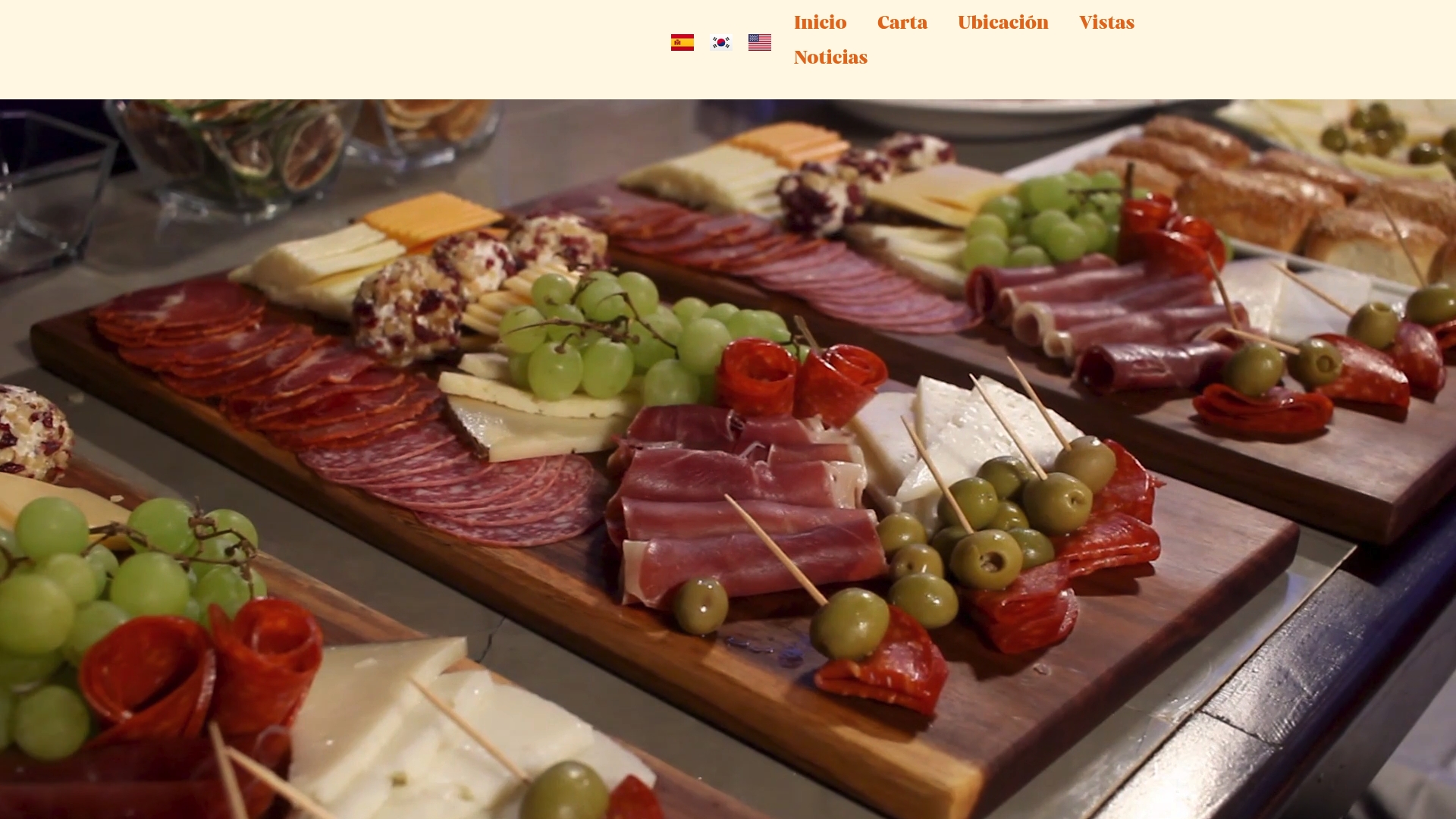
A seafood paella at Kokcha serves as a natural centerpiece for a family meal out, the kind of dish that draws everyone in and keeps conversation going. For families who want a vegetarian option, the vegetable paella delivers the same communal energy. Kokcha’s terrace with views of the Sagrada Familia adds an atmosphere that turns a regular dinner into a genuine occasion. If you want to experience Mediterranean cuisine in Barcelona the way it was meant to be eaten, shared and unhurried, Kokcha is the right table.
FAQ
How many family meals per week actually make a difference?
Sharing at least three meals weekly produces measurable improvements in emotional well-being and nutrition. You do not need daily dinners to see real benefits.
What is the single best first step for families new to this routine?
Introduce one non-negotiable ritual, such as a tech-free start or a brief check-in question, before adding anything else. Consistency with one small habit builds the foundation for everything that follows.
How do you handle picky eaters without turning dinner into a battle?
Use the division of responsibility approach: adults decide what food is served and when, children decide whether and how much they eat. Repeated low-pressure exposure to new foods is more effective than pressure or negotiation.
Does the type of food served affect family bonding?
Yes. Shared dishes like tapas or paella naturally generate more eye contact and conversation than individually plated meals. The act of passing food around the table is itself a bonding mechanism.
What role does restaurant dining play in a family dining guide?
Eating out at a family-friendly restaurant reinforces the same rituals you practice at home and adds novelty that refreshes the routine. Choose venues with shared-plate menus and relaxed pacing for the best results.