A mixed grill is defined as a platter featuring at least three distinct protein types, typically beef, pork, and lamb, served alongside roasted vegetables in a single, cohesive dish. The mixed grill definition spans cultures from British pub classics to Mediterranean feasts, making it one of the most versatile formats in grilled cuisine. A standard serving includes a small steak, a chop, a sausage, a piece of bacon, and vegetables like tomatoes, onions, or mushrooms. That combination is not accidental. It reflects centuries of culinary tradition where variety, balance, and communal sharing define the meal.
What is a mixed grill, exactly?
A mixed grill is a multi-protein platter built around the principle that no single cut tells the whole story. The dish earns its name from the deliberate contrast between cuts: the richness of lamb chops, the smokiness of sausage, the lean bite of steak. Each protein brings a different texture and fat content to the plate, and that variety is the point.
The dish appears across Mediterranean, British, and Central European traditions under different names but with a consistent structure. In Germany, it is called the Gemischter Grillteller. In Argentina, the asado mixto follows the same logic with different cuts. The format travels because the idea is universal: one plate, many proteins, shared at the table.
What separates a mixed grill from a random assortment of grilled meats is intention. The proteins are chosen to complement each other in flavor and texture. The vegetables serve as counterpoints, cutting through fat and adding brightness. The result is a plate that feels complete rather than crowded.
What are the typical mixed grill ingredients?
The core proteins in a classic mixed grill are lamb chops, beef steak, pork sausage, and bacon. Some versions add kidneys or chicken thighs for additional variety. The chargrilled chicken option has become increasingly popular in Mediterranean versions, where lighter proteins balance heavier cuts.
Vegetables are not garnish. They are structural components of the dish. Standard additions include:
- Grilled tomatoes: Acidity cuts through fat and refreshes the palate between bites.
- Mushrooms: Earthy, meaty texture that bridges proteins and vegetables.
- Onions: Sweetness develops on the grill, adding depth without heaviness.
- Bell peppers: Common in Mediterranean and skewer-based versions for color and crunch.
- Zucchini: A staple in Southern European mixed grills, especially on the vegetable grill side of the plate.
Regional variations shift the protein lineup significantly. British mixed grills lean on kidneys and back bacon. Mediterranean versions favor lamb and chicken with herb marinades. Argentine-style platters prioritize beef ribs and chorizo. Skewer-based formats, common across the Middle East and Eastern Europe, thread proteins and vegetables alternately on metal rods for simultaneous cooking.
The balance of flavors across a well-built mixed grill relies on contrast. Fat-rich cuts need acidic or fresh counterparts. Smoky proteins benefit from mild, sweet vegetables. The harmony among platter components determines whether the dish feels unified or chaotic.
How do you prepare and cook a mixed grill at home?
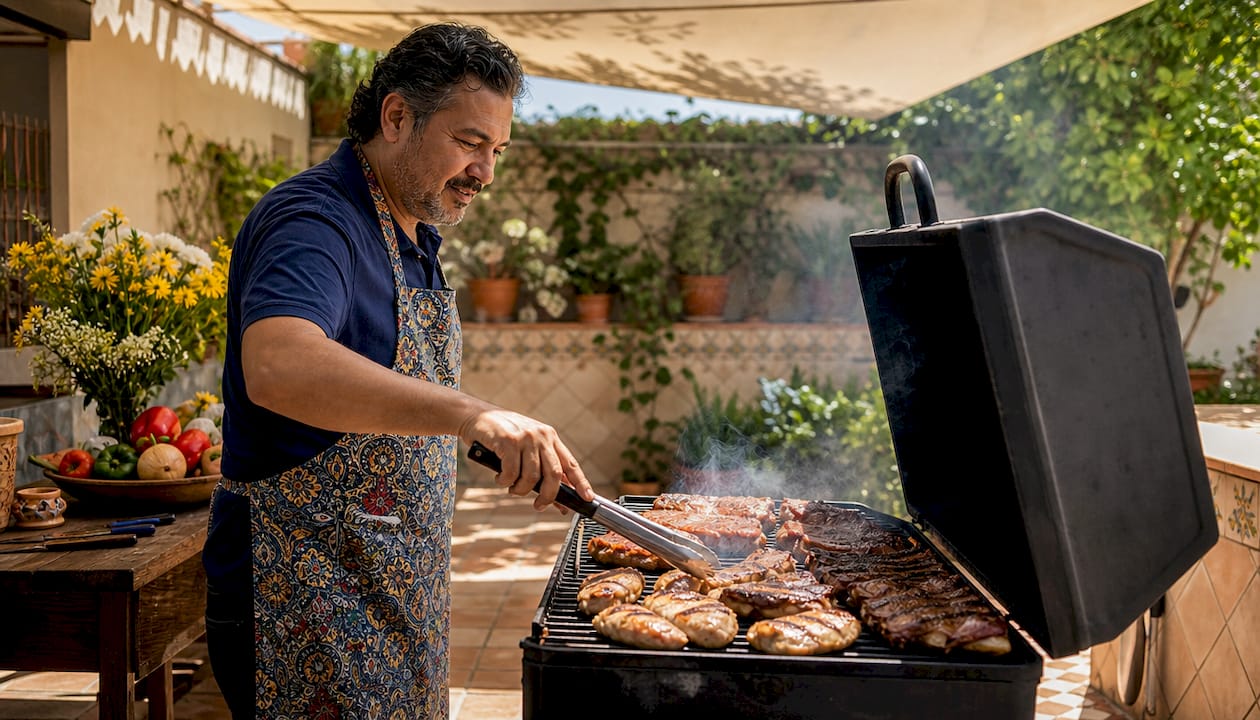
Cooking a mixed grill successfully requires managing multiple proteins with different densities and cooking times simultaneously. The most common mistake home cooks make is placing everything on the grill at once. That approach guarantees some cuts are overcooked while others are underdone.
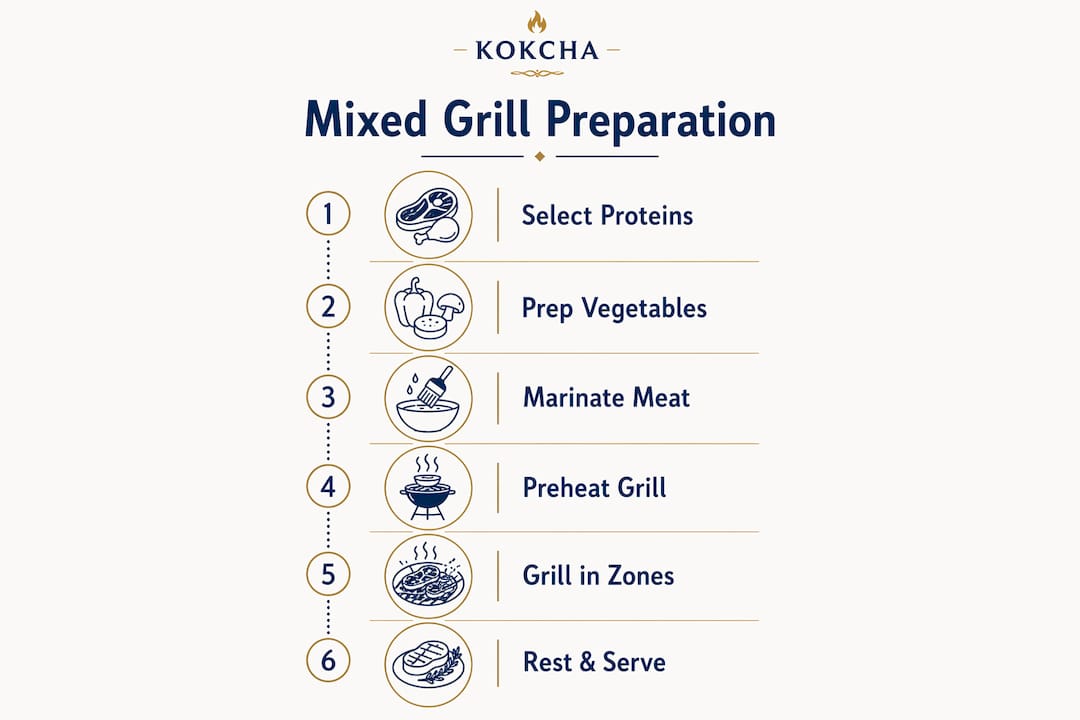
The correct method uses staggered start times. Follow this sequence:
- Preheat the grill to high heat (220–300°C). High initial heat creates the sear that locks in juices and builds crust on the exterior.
- Start thick cuts first. Lamb chops and beef steaks go on 8–10 minutes before thinner items. Thick cuts need the longest time to reach proper internal temperature.
- Add sausages and pork cuts midway. These cook faster and benefit from slightly lower heat after the initial sear.
- Add vegetables in the final 5–7 minutes. Tomatoes, mushrooms, and onions need only brief contact with heat to soften and char lightly.
- Rest all meats for 3–5 minutes before plating. Resting retains juiciness by allowing internal juices to redistribute. Skipping this step dries out even a perfectly cooked steak.
One technique most home cooks overlook involves hard vegetables like corn. Blanching corn for 5 minutes before grilling ensures the interior cooks through before the exterior burns. The same logic applies to dense root vegetables.
Pro Tip: Keep proteins and vegetables on separate skewers or grill zones. Experienced grillers avoid mixing dense meats and delicate vegetables on the same skewer because they cook at different rates. Separate skewers give you control over each component’s doneness.
Marinating is optional but worthwhile. A simple marinade of olive oil, garlic, lemon juice, and fresh herbs works across most proteins. Apply it at least 30 minutes before grilling. For lamb, add rosemary. For chicken, add paprika. For beef, keep it minimal so the meat’s natural flavor leads.
For holiday meal planning that includes mixed grill preparation, festive grill meal prep offers practical timing frameworks that translate directly to home cooking.
Why does mixed grill culture matter beyond the food?
The mixed grill is not just a cooking format. It is a social ritual in many European and Mediterranean cultures. The act of grilling together, assigning roles, and sharing a communal platter carries meaning that extends well beyond the meal itself.
The clearest example comes from the Saarland region of Germany, where the Schwenken tradition treats grilling as a ceremony. The grill master, called the Schwenker, holds a recognized social role. The meat, the method, and the person grilling all share the same name in local dialect. This tradition carries official recognition as intangible cultural heritage.
“A mixed grill party is a ritualized community event where the grill master’s role is ceremonial and social functions intertwine with culinary practice to promote connection and belonging. This elevates the dish from food to a cultural experience.”
That elevation from food to ritual is not unique to Germany. Mediterranean cultures treat the grill as a gathering point. In Barcelona, the tradition of sharing grilled meats and vegetables at a communal table reflects the same values: generosity, variety, and the pleasure of eating well together. The social cohesion function of mixed grill gatherings turns a meal into an event where specific roles regulate the flow and everyone participates.
That communal dimension explains why mixed grills appear at celebrations, family gatherings, and festivals rather than quiet weeknight dinners. The format demands an audience. A platter built for variety is best appreciated when shared.
How to plate and pair a mixed grill for maximum impact
Presentation determines whether a mixed grill looks impressive or chaotic. The goal is visual order that reflects the flavor logic of the dish. Group proteins together and place vegetables at the edges or in gaps between cuts. That arrangement signals intentionality and makes it easier for guests to navigate the plate.
Key pairing and presentation principles:
- Use pre-warmed plates. Different meats and vegetables cool at different rates. A warm plate extends the window during which every component stays at optimal temperature and texture.
- Serve yogurt-based sauces on the side. Acidity from yogurt or tzatziki cuts the richness of grilled lamb and beef. This contrast is what makes the platter feel balanced rather than heavy.
- Add fresh herbs at the last moment. Flat-leaf parsley, fresh mint, or oregano placed just before serving add color and aroma without wilting from heat.
- Include a simple green salad. A lightly dressed salad with lemon vinaigrette provides a clean break between bites of rich protein.
- Offer bread or flatbread. It absorbs juices from the plate and rounds out the meal without competing with the proteins.
The success of a mixed grill depends on the interplay between components, not on any single item. A perfectly cooked lamb chop served without contrast tastes good. That same chop alongside a charred tomato, a spoonful of yogurt sauce, and a bite of fresh herb tastes exceptional.
Key Takeaways
A mixed grill succeeds when every component, protein, vegetable, sauce, and presentation, works together as a unified plate rather than a collection of separate items.
| Point | Details |
|---|---|
| Core definition | A mixed grill features at least three protein types plus roasted vegetables on one platter. |
| Staggered cooking | Start thick cuts first and add vegetables last to avoid uneven doneness across components. |
| Rest before plating | Allow meats to rest 3–5 minutes after grilling to retain juices and prevent dryness. |
| Acidic contrast | Yogurt-based sauces and fresh salads cut the richness of grilled meats for a balanced plate. |
| Cultural significance | Mixed grill traditions in Europe and the Mediterranean treat the grill as a communal ceremony, not just a cooking method. |
The part most recipes never tell you
The first time I cooked a mixed grill for a group, I made the classic mistake: everything hit the grill at the same time. The sausages were perfect, the lamb chops were raw in the center, and the tomatoes had collapsed into mush. The plate looked like a disaster because it was one.
What changed my approach was understanding that a mixed grill is a coordination problem, not a cooking problem. The actual grilling is straightforward. The challenge is sequencing. Once I started treating the grill like a kitchen with multiple burners, each running at its own pace, the results improved immediately.
The cultural dimension surprised me more than the technique. Attending a Schwenken-style gathering in Europe, where the grill master holds genuine social authority and the meal unfolds over hours rather than minutes, reframed what a mixed grill actually is. It is not fast food for carnivores. It is a format for slowing down and eating together.
My honest advice for first-time mixed grill cooks: resist the urge to fill the plate. Three proteins done well beat five proteins done poorly. Start with lamb chops, a good sausage, and a small steak. Master the timing on those three. Then add complexity. The dish rewards patience more than ambition.
— YellowRock
Kokcha and the Mediterranean mixed grill tradition
Kokcha, located steps from the Sagrada Familia in Barcelona, brings the Mediterranean approach to grilled meats and shared plates to life in a setting that reflects the culture behind the food.
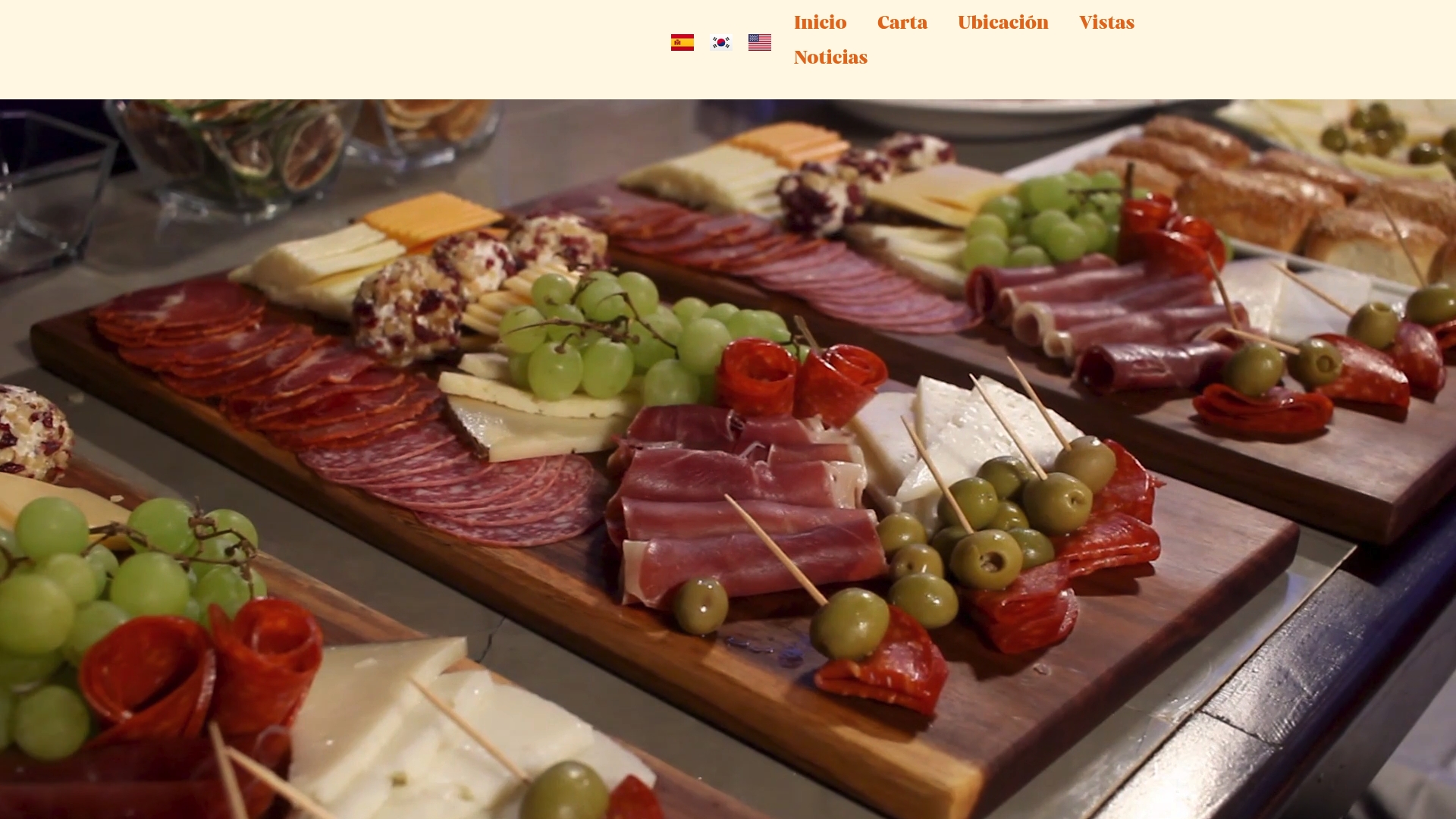
The restaurant’s menu draws on the same principles that define a great mixed grill: variety, balance, and the pleasure of eating well with others. From grilled meats to fresh Mediterranean sides, Kokcha’s kitchen treats each component of the plate with the same care. Readers curious about where Mediterranean grilling is heading in 2026 can explore current Mediterranean gastronomy trends on Kokcha’s site. For those planning a visit to Barcelona, the Mediterranean dining experience at Kokcha offers a direct taste of the tradition this article describes.
FAQ
What is the standard definition of a mixed grill?
A mixed grill is a dish featuring at least three distinct protein types, commonly beef, pork, and lamb, served alongside grilled or roasted vegetables on a single platter. The format emphasizes variety and balance over any single cut.
How long does it take to cook a mixed grill?
Total cooking time ranges from 10–20 minutes depending on meat thickness, with high-heat searing for 3–5 minutes per side followed by a 3–5 minute rest before serving.
What vegetables go in a mixed grill?
Tomatoes, mushrooms, onions, and bell peppers are the most common additions. They provide acidity, texture, and sweetness that contrast the richness of grilled proteins.
Why do mixed grills have cultural significance?
Grilling traditions like the Saarland Schwenken in Germany treat the mixed grill as a communal ceremony with recognized social roles, officially acknowledged as intangible cultural heritage. The format turns a meal into a shared ritual.
What is the biggest mistake when cooking a mixed grill at home?
Placing all proteins on the grill simultaneously is the most common error. Thick cuts like lamb chops and steaks require more time than sausages or vegetables, so staggering start times by meat density produces the best results.