Mediterranean desserts are defined by a core set of natural ingredients: phyllo pastry, pistachios, walnuts, honey, semolina, yogurt, and aromatic flavorings like rosewater and orange blossom water. These are not casual sweets. They are the product of centuries of trade, migration, and culinary tradition across a region that stretches from Morocco to Greece to Lebanon. The top Mediterranean desserts share a philosophy of balance: intense sweetness cut by the bitterness of nuts, the crunch of pastry, and the brightness of citrus. Understanding that balance is the key to appreciating why these sweets taste unlike anything from a Western bakery.
1. What are the top Mediterranean desserts worth knowing?
The best Mediterranean sweets are built on a short list of signature ingredients that repeat across countries and cultures. Phyllo pastry, nuts, honey, semolina, and floral waters appear in desserts from Istanbul to Casablanca. That consistency is not coincidence. It reflects centuries of shared trade routes and overlapping culinary traditions across the Mediterranean basin.
Baklava is the most recognized of all traditional Mediterranean desserts. It layers paper-thin phyllo with crushed pistachios or walnuts, then soaks the whole structure in a honey or sugar syrup. The optimal syrup technique is to pour cool syrup over hot pastry. Hot syrup on hot pastry causes sogginess. Baklava also benefits from overnight resting at room temperature, which lets the syrup absorb evenly and the flavors deepen.
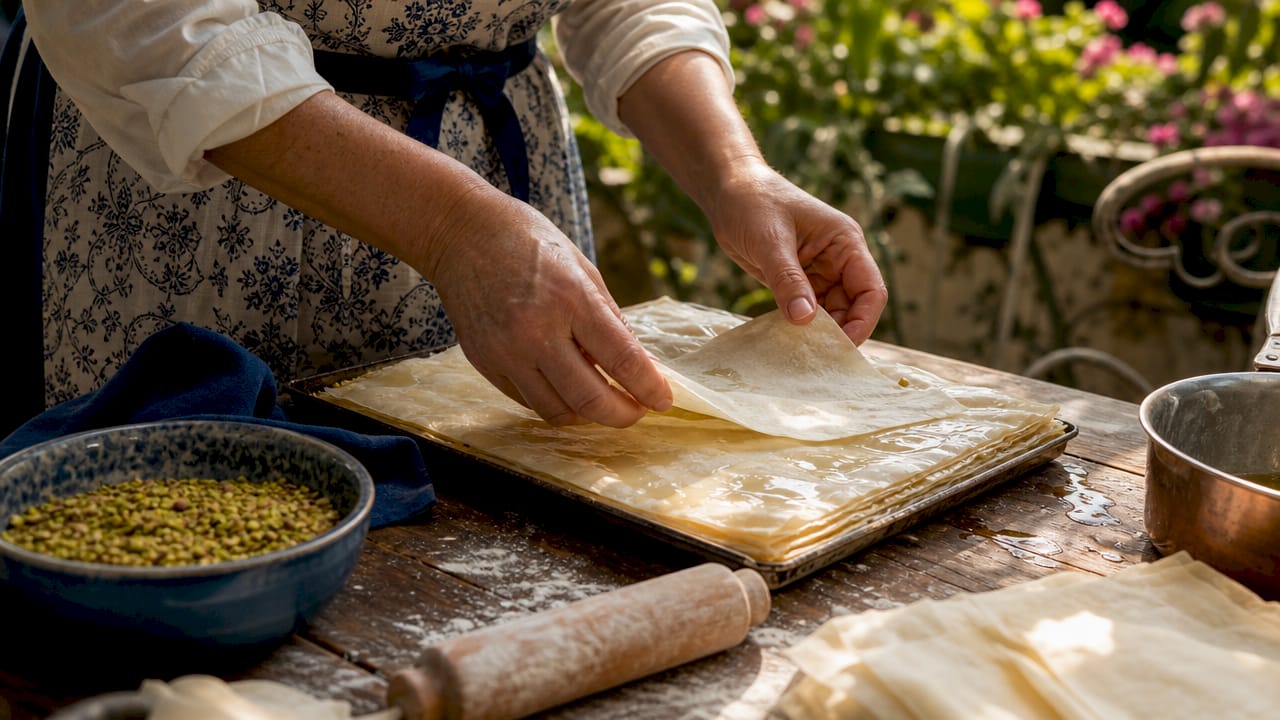
Knafeh is a Levantine specialty made from shredded wheat pastry layered over soft white cheese, soaked in sugar syrup, and finished with crushed pistachios. The contrast between the crispy exterior and the molten, savory cheese interior is what makes it extraordinary. It is most commonly associated with the Palestinian city of Nablus, though versions appear across Lebanon, Jordan, and Syria.
Loukoumades are Greek honey-drizzled doughnuts, fried until golden and served warm. They are one of the oldest recorded desserts in the world, with references dating back to ancient Greece. Modern versions often add cinnamon, sesame, or chocolate drizzle, but the classic preparation with raw honey remains the standard.
Ma’amoul are shortbread cookies filled with dates, pistachios, or walnuts and pressed into decorative wooden molds. They are central to Easter celebrations in Lebanon and Syria, and to Eid festivities across the Arab world. The mold patterns identify the filling: a round shape signals dates, a dome shape signals nuts.
Basbousa is a semolina cake soaked in simple syrup, often flavored with coconut or rosewater. It is one of the easiest Mediterranean dessert recipes to prepare at home. The semolina gives it a slightly grainy, dense texture that absorbs syrup without falling apart.
- Baklava: phyllo, nuts, honey syrup, overnight rest required
- Knafeh: shredded wheat, white cheese, pistachio topping
- Loukoumades: fried dough, raw honey, cinnamon
- Ma’amoul: shortbread, date or nut filling, decorative molds
- Basbousa: semolina, syrup, rosewater or coconut
Pro Tip: For baklava, always apply cool syrup to hot pastry straight from the oven. This single step determines whether your baklava is crisp or soggy.
2. How do Mediterranean desserts differ from Western sweets?
Mediterranean desserts use natural sweeteners like raw honey rather than refined sugar as their primary source of sweetness. Raw honey contains phenolic acids and flavonoids that provide antioxidant properties. That is a meaningful difference from the processed sugar that dominates Western baking.
The flavor philosophy is also distinct. Western desserts often rely on heavy frostings, buttercreams, and artificial flavorings to deliver sweetness. Mediterranean sweets prioritize ingredient integrity and balance over richness. A well-made piece of baklava is sweet, but the bitterness of the nuts and the crunch of the phyllo prevent it from feeling heavy.
| Feature | Mediterranean desserts | Western desserts |
|---|---|---|
| Primary sweetener | Raw honey, light syrup | Refined sugar, corn syrup |
| Fat source | Olive oil, butter (light use) | Butter, cream, shortening |
| Texture focus | Crunch, flake, chew | Soft, creamy, dense |
| Flavoring | Rosewater, orange blossom, citrus | Vanilla extract, artificial flavors |
| Serving style | Small portions, shared | Individual, large servings |
| Heaviness | Light to moderate | Often heavy |
Nuts play a structural role in Mediterranean sweets, not just a decorative one. Pistachios, walnuts, and almonds add fat, protein, and texture that make a small portion genuinely satisfying. That is why Mediterranean dessert philosophy favors quality and natural ingredients over quantity and heaviness. You eat less and feel more satisfied.
Citrus and floral essences like orange blossom water and rosewater add a layer of complexity that refined sugar cannot replicate. These aromatics lift the sweetness and prevent the palate from becoming fatigued. The result is a dessert that invites a second bite without demanding it.
Pro Tip: When substituting honey for sugar in a Mediterranean recipe, reduce the quantity by about one quarter. Honey is sweeter and adds moisture, so the ratio is not one to one.
3. What regional variations define Mediterranean dessert culture?
The Mediterranean basin produces a wide range of distinct dessert traditions, each shaped by local ingredients, religion, and social customs. Understanding these regional differences helps explain why Mediterranean sweets differ so sharply from one country to the next, even when they share core ingredients.
North Africa: Morocco and beyond
Moroccan sweets are consumed primarily as communal snacks with mint tea, not as post-dinner desserts. This is a fundamental cultural difference from European dining customs. Chebakia is the defining example: a flower-shaped fried cookie bathed in honey and rolled in sesame seeds, prepared in large batches before Ramadan and stored for weeks. Gazelle Horns, known locally as kaab el ghazal, are crescent-shaped pastries filled with almond paste and orange blossom water. Both are tied to celebrations, weddings, and religious observances.
Eastern Mediterranean: Lebanon, Palestine, and Syria
This region produces some of the most technically demanding popular Mediterranean pastries. Knafeh and Kataifi both use shredded wheat pastry as a base. Kataifi is often rolled around nut fillings and soaked in syrup, similar in spirit to baklava but with a distinctly different texture. Maamoul, described above, is central to both Christian and Muslim holiday traditions in this region.
Greece and the Aegean
Greek desserts include Galaktoboureko, a custard-filled phyllo pastry soaked in lemon syrup, and Melomakarona, honey-soaked cookies made with olive oil and orange zest. Both appear during the Christmas season. Loukoumades are eaten year-round at street festivals and markets. Greek desserts lean heavily on flavor contrast and texture as the defining sensory experience.
- Moroccan: Chebakia, Gazelle Horns, served with mint tea at celebrations
- Levantine: Knafeh, Kataifi, Maamoul, tied to religious holidays
- Greek: Galaktoboureko, Melomakarona, Loukoumades, seasonal and street-food traditions
- Italian: Cannoli, Panna Cotta, Tiramisu, reflecting dairy-forward Western Mediterranean style
- Spanish: Crema Catalana, Turron, influenced by Moorish almond and honey traditions
The cultural emphasis across all these regions is on sharing. Desserts arrive at the table in quantities meant for the group, not the individual. That communal dimension is as much a part of the experience as the flavor itself. You can read more about how Mediterranean dining customs shape the full meal experience.
4. How to serve and enjoy Mediterranean desserts authentically
Serving Mediterranean sweets correctly makes a real difference in the final experience. The most common mistake is treating them like Western desserts and serving them straight from the refrigerator. Most Mediterranean pastries are best at room temperature, where the fats in the nuts and pastry are soft and the aromas are fully expressed.
- Serve baklava at room temperature. Refrigeration firms the syrup and dulls the flavor. Store it covered at room temperature for up to a week and serve it as is.
- Fill cannoli just before serving. Even a 15–30 minute delay allows moisture from the ricotta cream to soften the shell. The crunch is the point. Fill them at the last possible moment.
- Pair with the right beverage. Mint tea is the traditional companion for North African sweets. Greek coffee, which is thick and unsweetened, cuts through the richness of baklava and loukoumades. Both pairings work because the bitterness of the drink balances the sweetness of the dessert.
- Portion small. Mediterranean sweets are rich and concentrated. A two-inch square of baklava is a complete serving. Resist the Western instinct to cut large portions.
- Present on a shared plate. Arrange an assortment of two or three sweets on a single plate for the table. This reflects the communal serving tradition of the region and lets guests sample different flavors.
- Match the occasion. Maamoul and Chebakia belong at celebrations and holidays. Loukoumades and Basbousa are casual, everyday sweets. Knafeh is a centerpiece dessert for gatherings. Choosing the right sweet for the right moment is part of the tradition.
Pro Tip: Greek coffee and baklava is one of the great flavor pairings in Mediterranean food culture. The coffee’s bitterness is the perfect counterweight to the honey syrup. Try it before you default to espresso.
For a broader look at how these flavors fit into the full Mediterranean table, the guide on Mediterranean flavors for home cooks is worth reading.
Key takeaways
The top Mediterranean desserts are defined by natural ingredients, balanced sweetness, and regional traditions that prioritize sharing over individual indulgence.
| Point | Details |
|---|---|
| Core ingredients matter | Phyllo, honey, pistachios, semolina, and floral waters define authentic Mediterranean sweets. |
| Balance is the goal | Sweetness is always offset by nut bitterness, pastry crunch, or citrus acidity. |
| Regional identity is strong | Moroccan, Levantine, and Greek traditions each produce distinct desserts tied to local customs. |
| Serving technique affects quality | Cool syrup on hot baklava and last-minute cannoli filling are non-negotiable steps. |
| Communal context is part of the experience | Mediterranean sweets are meant to be shared, not eaten alone in large portions. |
Why Mediterranean desserts changed how I think about sweetness
The first time I tasted knafeh made properly, with fresh cheese and warm syrup poured tableside, I stopped thinking about dessert as a reward at the end of a meal. That single dish reframed the entire concept. It was savory and sweet at once, hot and cold in the same bite, crunchy and molten in the same mouthful. No Western dessert I had eaten before did that.
What I have come to believe, after years of eating across the Mediterranean, is that the Western dessert tradition optimizes for maximum sweetness. The Mediterranean tradition optimizes for maximum interest. Those are very different goals, and they produce very different results. A piece of baklava made with good pistachios and raw honey does not need to be large to be satisfying. It earns its place through complexity, not volume.
The sharing culture is the other thing that Western food writing consistently undervalues. When Moroccan families prepare chebakia before Ramadan in batches large enough to last weeks, they are not just making cookies. They are making something to give away. The dessert is the vehicle for the relationship. That context changes how it tastes.
My practical advice: start with baklava if you are new to these sweets, because the technique is forgiving and the payoff is immediate. Then move to knafeh, which requires more precision but delivers a more complex experience. Save maamoul for when you have time to appreciate the craft of the mold work. Each of these sweets rewards attention.
— YellowRock
Authentic Mediterranean flavors at Kokcha in Barcelona
Barcelona is one of the best cities in the world to eat Mediterranean food, and Kokcha sits right at the center of that experience. Located steps from the Sagrada Familia, Kokcha serves a full Mediterranean menu that goes well beyond desserts, with tapas, paellas, seafood, and grilled meats prepared with the same commitment to ingredient quality that defines the best Mediterranean sweets.
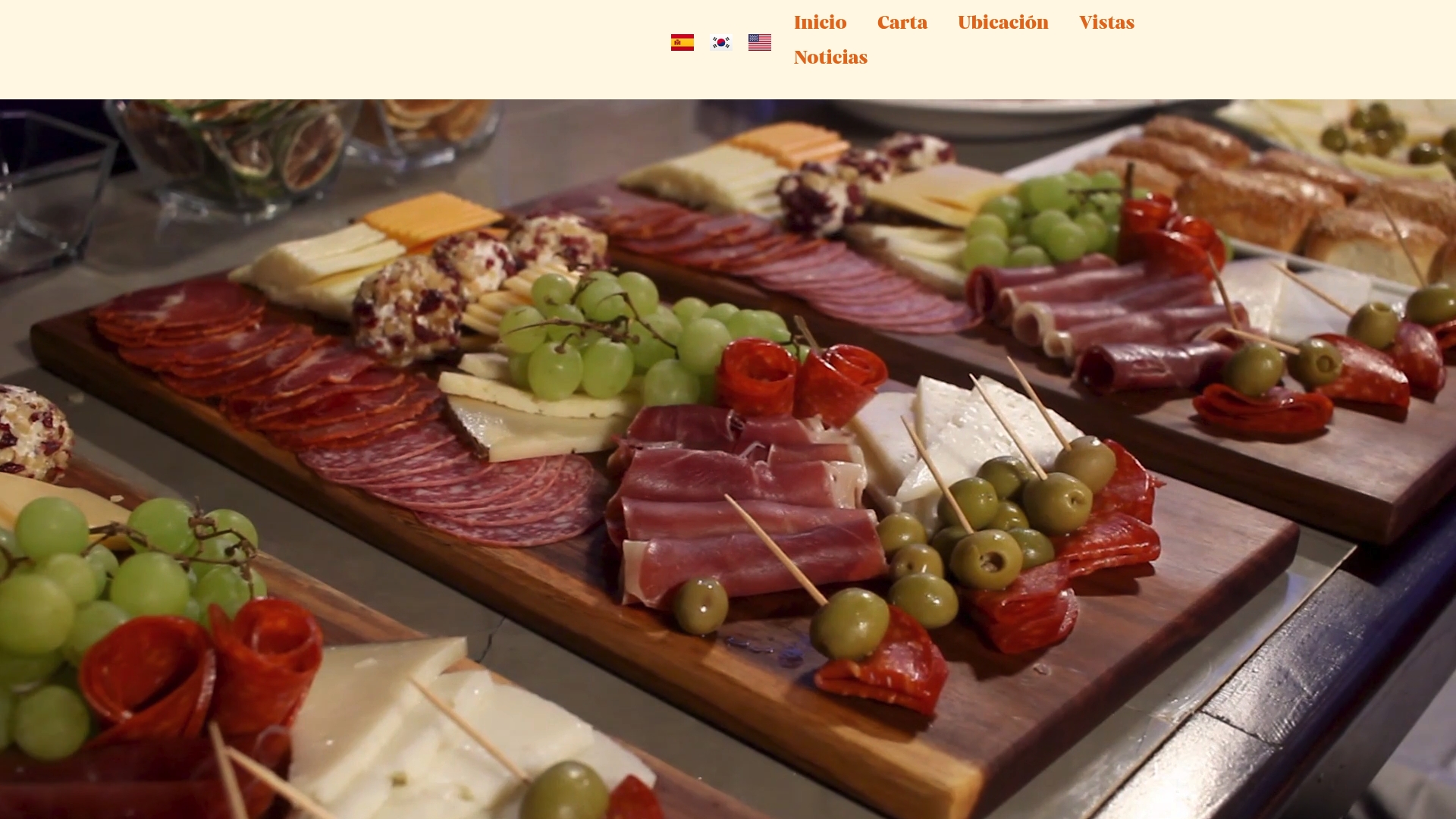
The restaurant’s terrace offers views that match the food in ambiance. Whether you are visiting Barcelona for the first time or looking for a reliable table near one of the city’s most visited landmarks, Kokcha delivers the kind of meal that makes the Mediterranean table worth understanding. For those planning a special occasion, the guide on dining in Barcelona covers everything you need to know about making the most of a night out. You can also explore the full Kokcha terrace experience before you book.
FAQ
What are the most popular Mediterranean desserts?
Baklava, knafeh, loukoumades, maamoul, and basbousa are the most widely recognized traditional Mediterranean desserts. Each is defined by a combination of phyllo pastry, nuts, honey, or semolina.
What makes Mediterranean desserts different from Western sweets?
Mediterranean desserts use natural sweeteners like raw honey and rely on nuts, citrus, and floral waters for flavor complexity. They avoid heavy frostings and prioritize balance between sweetness, bitterness, and texture.
Are Mediterranean desserts healthy?
Mediterranean sweets use whole-food ingredients including raw honey, nuts, and semolina, which provide satiety and nutritional value. They are consumed in small portions, which aligns with a balanced diet philosophy.
How should baklava be stored and served?
Baklava is best stored at room temperature, covered, for up to one week. Refrigeration firms the syrup and dulls the flavor. Serve it at room temperature for the best texture and aroma.
What beverages pair best with Mediterranean sweets?
Mint tea is the traditional pairing for North African sweets like chebakia. Greek coffee pairs well with baklava and loukoumades because its bitterness balances the honey sweetness directly.