Barcelona’s dining scene is one of the most exciting in Europe, but it can also be one of the most disorienting. Knowing how to enjoy authentic Barcelona cuisine means more than just picking a restaurant with a good view. It means understanding when locals eat, which dishes are rooted in real Catalan tradition, and how to navigate neighborhoods where food culture is still lived rather than performed for tourists. This guide walks you through every step, from morning market rituals to late-night tapas rounds, so you eat like you actually belong here.
Table of Contents
- What you need to know before savoring authentic Barcelona cuisine
- Preparing your day: timing and neighborhood approach for authentic meals near cultural landmarks
- How to order and enjoy Barcelona’s classic dishes authentically
- Tips and common mistakes to avoid when enjoying authentic Barcelona cuisine
- What to expect: verifying authenticity through food and atmosphere
- Why pacing your food journey reveals Barcelona’s culinary soul
- Discover authentic Mediterranean dining near Sagrada Familia with Kokcha
- Frequently asked questions
Key Takeaways
| Point | Details |
|---|---|
| Pace your meals | Slow your dining schedule to match Barcelona’s late lunches and dinners for authentic experiences. |
| Explore neighborhoods | Move through neighborhoods like Gothic Quarter and Barceloneta for local food and culture. |
| Order tapas gradually | Start with a few dishes and add more to sample wide Catalan flavors authentically. |
| Prioritize fresh preparation | Look for freshly rubbed pa amb tomàquet and market-fresh ingredients to ensure authenticity. |
| Market visits matter | Visit Mercat de la Boqueria early for the freshest produce and vibrant local food culture. |
What you need to know before savoring authentic Barcelona cuisine
Before you set foot in any restaurant, understanding how Barcelona’s food culture works saves you from making the kind of rookie mistakes that lead to overpriced mediocrity near the major monuments. Catalan gastronomy is built on a daily rhythm that most visitors completely ignore.
Barcelona’s eating rhythm favors a late lunch as the main meal, with dinner starting after 9pm and vermouth rituals beginning around noon. If you walk into a restaurant at 6pm expecting dinner, you will find empty tables, indifferent service, and a kitchen that is not fully engaged. That is not an accident.
The core dishes of authentic Catalan cuisine include:
- Pa amb tomàquet (bread rubbed with tomato and olive oil): the unofficial national snack, eaten at every meal
- Fideuà: a noodle-based dish cooked like paella, with seafood and a rich sofregit base (a slowly cooked sauce of tomato and onion)
- Crema catalana: the original custard dessert with a caramelized sugar crust, predating French crème brûlée
- Cargols (snails cooked with herbs and garlic): a fixture in traditional Catalan cooking
- Escalivada: roasted vegetables dressed with olive oil, typically served as a side or on toast
Seasonality is not a buzzword here. It is how the market stalls determine what kitchens cook each day. Understanding this principle, that eating local in Barcelona means following what is available right now, is what separates a real food experience from a tourist meal.
| Meal | Local timing | What to order |
|---|---|---|
| Breakfast (esmorzar) | 8am to 10am | Toast with tomato, coffee with milk |
| Vermouth hour (vermut) | Noon to 1:30pm | Vermouth, olives, anchovies, small snacks |
| Lunch (dinar) | 2pm to 4pm | Menú del día with starter, main, and dessert |
| Dinner (sopar) | 9pm to 11pm | Tapas, shared plates, slow rice dishes |
Preparing your day: timing and neighborhood approach for authentic meals near cultural landmarks
Most visitors plan their days around sights and squeeze food into the gaps. Flip that priority. Build your food schedule first, then fit the museums and monuments around it.
A neighborhood-by-neighborhood approach, pairing cultural districts like the Gothic Quarter, El Born, Barceloneta, Eixample, and Gràcia with specific food experiences, is the most reliable way to eat well throughout the day. Each neighborhood has its own culinary personality, and they are best visited at different times.
A practical daily sequence:
- Start at a market (8am to 10am): Mercat de Santa Caterina in El Born is less crowded than Boqueria and just as fresh. Grab a coffee, buy a piece of fruit, watch the stallholders set up.
- Vermut stop at noon: Head to Gràcia or the Eixample for vermouth at a bar with standing room only. Order anchovies or boquerones with it.
- Menú del día at 2pm: Sit down for the three-course lunch menu, which any neighborhood restaurant worth visiting will offer. This is the best value meal in Barcelona, often under 15 euros.
- Barceloneta by mid-afternoon: If rice and seafood are on your list, position yourself here before 3pm for the freshest preparation.
- Evening in Gràcia or the upper Eixample: These neighborhoods fill with local families and young professionals after 9pm. The dining energy is completely different from the Gothic Quarter.
Neighborhoods and their food strengths:
- Gothic Quarter: traditional taverns, pa amb tomàquet, and cheap menús
- El Born: creative Catalan cooking and natural wine bars
- Barceloneta: seafood, rice dishes, and waterfront grills
- Gràcia: family-run restaurants, slow food, strong local identity
- Eixample: upscale tapas bars, modern Catalan cuisine
Pro Tip: Book your menú del día table in advance if you are visiting on a Friday. Local workers fill these spots fast, and the kitchen is cooking at its best for regulars, not tourists.
Exploring the food neighborhoods to explore in Barcelona requires some flexibility but delivers a completely different level of experience than sticking to the Ramblas.
How to order and enjoy Barcelona’s classic dishes authentically
Knowing what to order is only half the challenge. Knowing how to order it makes the difference between a great plate and a disappointing one.
Start every meal with pa amb tomàquet. Authentic pa amb tomàquet requires rubbing ripe, seasonal tomatoes directly on warm rustic bread, not spreading pre-made tomato puree on cold sliced bread. If a place brings you the latter, treat it as a warning sign for the rest of the menu.
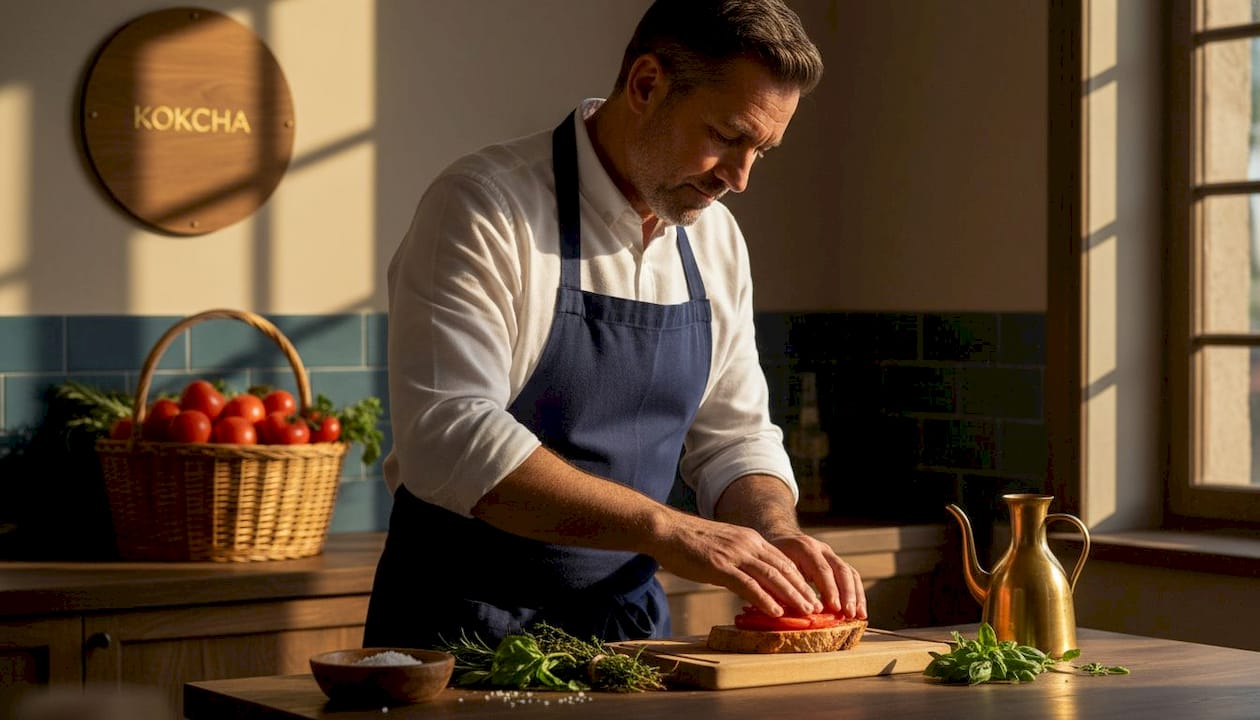
When ordering tapas, the right approach is to go in rounds. Order 2 to 3 dishes to start, eat them, assess your hunger and curiosity, then order more. Ordering tapas like a local means never placing your entire order upfront. This way the food arrives hot, portions feel deliberate, and you actually end up trying more variety.
Comparison: tourist ordering vs. local ordering
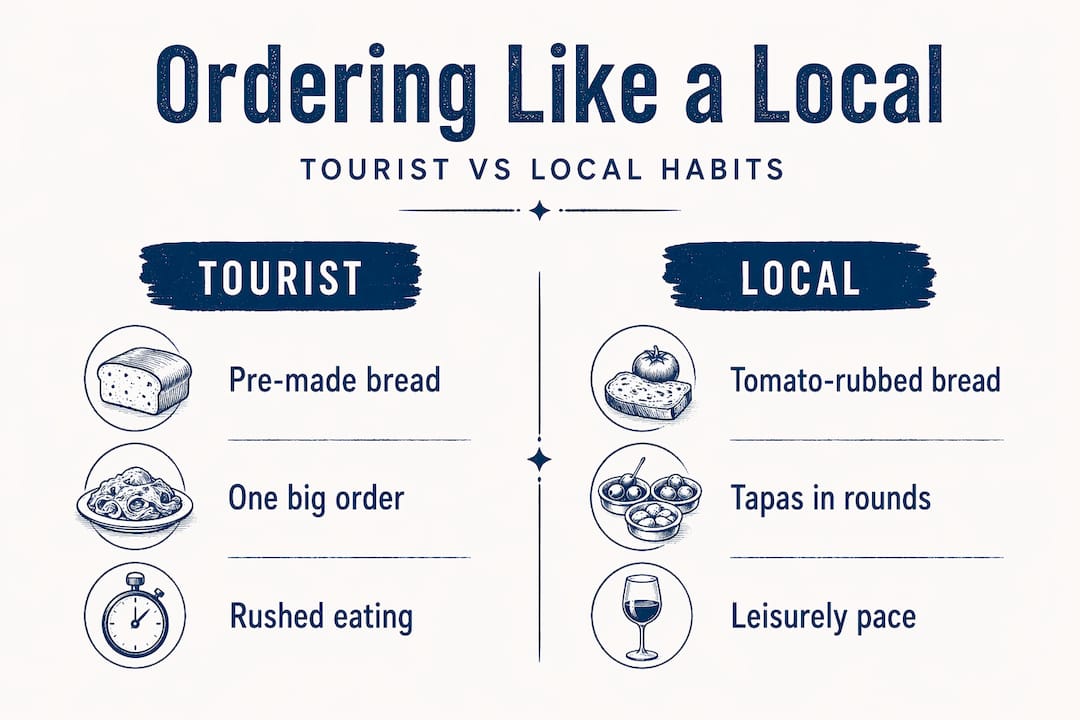
| Habit | Tourist approach | Local approach |
|---|---|---|
| Pa amb tomàquet | Pre-made with tomato spread | Freshly rubbed at the table |
| Tapas order | Everything at once | Rounds of 2 to 3 dishes |
| Rice dishes | Generic paella | Fideuà or arròs a la cassola |
| Meal timing | Dinner at 7pm | Dinner after 9pm |
| Dessert | Skip it | Crema catalana or fresh cheese with honey |
If rice is your goal, order fideuà instead of generic paella. Fideuà uses thin toasted noodles instead of rice, cooked in the same style with seafood and sofregit. It is less famous to tourists and more respected by locals. Be patient with rice dishes. A properly made arròs (rice) takes around 45 minutes. If a kitchen delivers it in 10, ask yourself what they skipped.
Pro Tip: Ask your server if the rice is socarrat style. Socarrat refers to the prized caramelized crust that forms on the bottom of the pan when the rice finishes cooking dry. It is a mark of technique, and a kitchen that knows the word will always cook the dish better.
For more context on building your plate correctly, authentic tapas near landmarks breaks down what to expect from different styles of tapas bars around Barcelona’s main monuments.
Tips and common mistakes to avoid when enjoying authentic Barcelona cuisine
The gap between a good food trip and a great one usually comes down to a handful of avoidable errors.
The most common mistakes:
- Eating dinner before 9pm. Restaurants catering to early diners near tourist zones are almost always running a lower-quality kitchen. The real dinner service starts late.
- Accepting pre-pureed pa amb tomàquet. This is so common near major landmarks that many visitors never experience the real version. Always ask if it is made fresh.
- Arriving at Mercat de la Boqueria after 11am. By then it is wall-to-wall tourists and prices reflect it. Go at 8am for vendors focused on local buyers, not selfies.
- Ordering all tapas at once. Over-ordering tapas leads to food arriving cold and out of sequence, and you miss the chance to discover what the kitchen does best.
- Treating rice dishes as fast food. Slow-cooked rice is a sit-down commitment. Plan at least 90 minutes for a proper rice meal.
“The biggest mistake I see food visitors make is treating Barcelona like a place where you show up and good food just happens. It requires a little planning, a lot of patience, and a willingness to eat on Barcelona’s schedule, not your own.”
Pro Tip: When you sit down at any local restaurant, scan the tables around you to see what is being eaten. If three different tables have the same dish, that is almost always the kitchen’s strength that day. Point at it and ask what it is.
Avoiding common tapas ordering mistakes keeps your meals moving in the right direction from the very first plate.
What to expect: verifying authenticity through food and atmosphere
Authentic dining in Barcelona has recognizable markers once you know what to look for. The signs are sensory and social, not just about the food itself.
Signs you are in an authentic place:
- The menu changes based on what is in season and available at the market
- Locals are actually eating there, especially families and older residents
- The pace is unhurried. No one is clearing your plate before you are finished
- Shared plates arrive gradually, not all at once
- The waiter can answer questions about where the fish came from that day
- The bread is rustic and slightly warm, not a packaged roll
The genuine flavor and ritual of Barcelona food involve fresh ingredients, social eating, and pacing your meals in neighborhood rhythms, not in tourist zones designed for rapid turnover.
| Authentic signal | What it looks like |
|---|---|
| Seasonal menu | Dishes change weekly or daily |
| Local clientele | Mix of ages, families, regulars |
| Market-fresh ingredients | Server can name the source |
| Proper meal pacing | 90 minutes minimum for a full lunch |
| Handwritten specials | Daily offerings not on the printed menu |
The atmosphere itself is a clue. Neighborhood restaurants in Gràcia or the upper Eixample often feel like someone’s dining room. Tables close together, voices overlapping, wine poured generously. That social density is not noise. It is the sound of locally loved Mediterranean food being eaten the way it was intended.
Why pacing your food journey reveals Barcelona’s culinary soul
Here is the perspective most food guides will not give you: Barcelona does not reward efficiency. Every traveler who packs too many restaurants into a single day, racing from Boqueria to a Michelin counter to a rooftop bar before 10pm, comes away with a fragmented, slightly bloated version of what Catalan cuisine actually is.
Authentic enjoyment comes from pacing your day to include markets, a menú del día, vermouth, and multiple neighborhoods rather than focusing only on touristy dinners. That structure reflects the actual daily life of the people who built this food culture. It is not a schedule. It is a philosophy.
The vermouth hour is the part most visitors skip because it does not feel significant enough. But sitting at a bar at noon with a glass of house vermut, a plate of anchovies, and nowhere to be for 45 minutes puts you directly inside the social rhythm that shapes everything else on the table. You start to understand why dinner is late. Why lunch matters more. Why a kitchen that has been feeding the same neighborhood for 30 years does not need a fancy sign.
Slowing down also surfaces the slow travel and local eating tips that no algorithm surfaces, the grandmother-run tavern in the back of a market hall, the bar that only serves one rice dish and has done so for 40 years. These places exist in every Barcelona neighborhood. They simply require time to find.
The uncomfortable truth is that most visitors eat well in Barcelona but almost none of them eat authentically. The gap is not about budget or access. It is entirely about pace.
Discover authentic Mediterranean dining near Sagrada Familia with Kokcha
If you are visiting the Sagrada Familia area and want an authentic Mediterranean dining experience without spending half your day hunting for it, Kokcha is worth your time. Located just steps from the monument, Kokcha offers a menu built around the same principles this guide covers: seasonal ingredients, traditional Catalan and Mediterranean dishes, and a kitchen that takes its rice seriously.
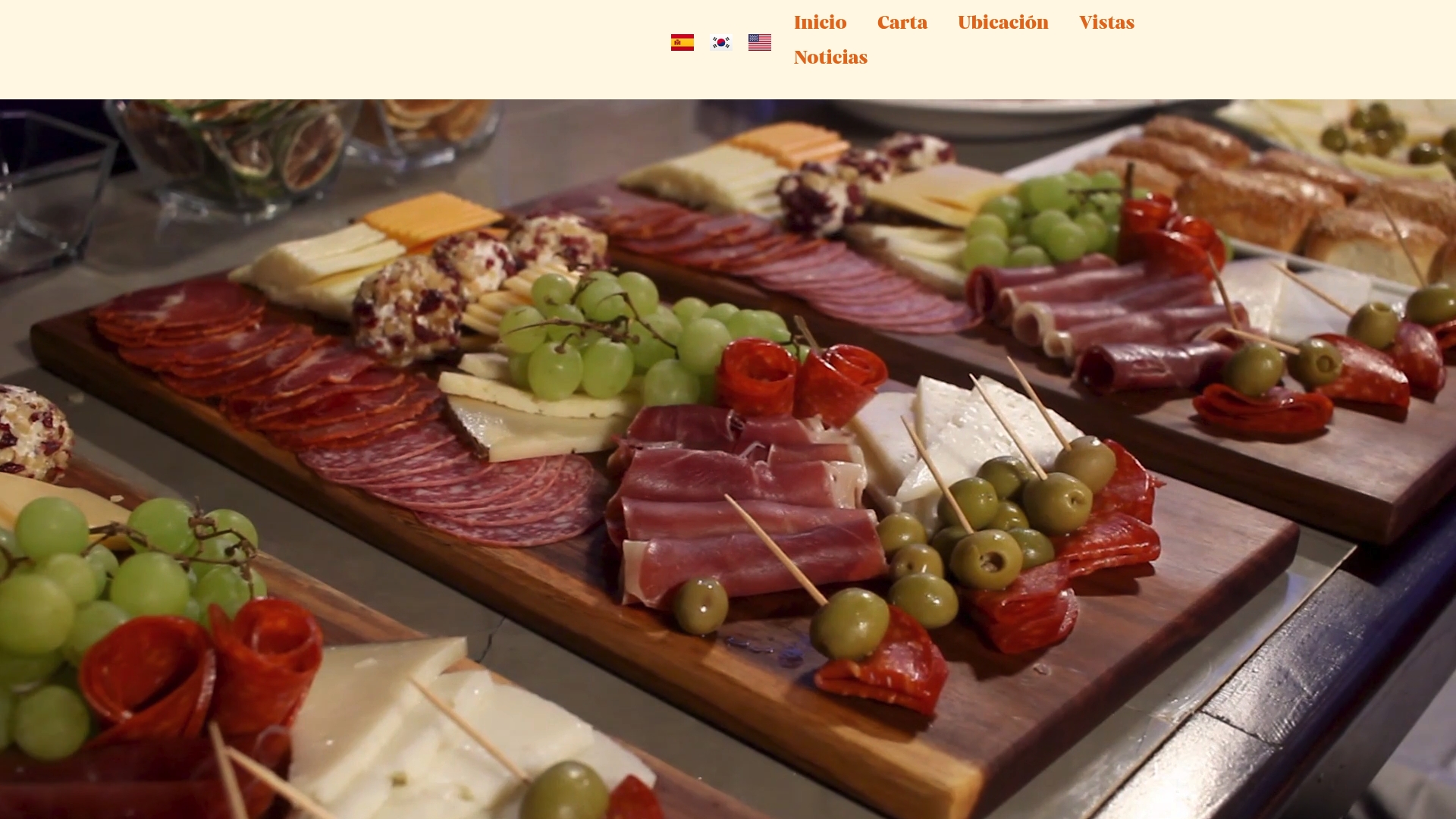
Whether you are stopping in for a proper menú del día after a morning at the basilica or settling in for a full dinner with tapas rounds and a slow arròs, Kokcha delivers the kind of Mediterranean cuisine experience that actually reflects Barcelona’s food culture. The terrace and interior both capture that unhurried Mediterranean atmosphere. Before you book, it is worth checking the restaurant selection tips to understand exactly what makes a Barcelona dining spot worth your time. When you are ready, browse the full menu at Kokcha and reserve your table.
Frequently asked questions
What is the best time to eat authentic Barcelona meals?
Lunch runs from 2pm to 4pm as the main meal, and dinner starts after 9pm. Eating at these times puts you in the same rhythm as local diners and gets you access to a kitchen operating at full capacity.
How can I recognize authentic pa amb tomàquet?
Real pa amb tomàquet is made by rubbing a ripe tomato directly on warm rustic bread, not by spreading pre-pureed tomato from a container. If the tomato arrives separately in a small ramekin, you are in the right place.
Where should I go for fresh seafood and rice dishes in Barcelona?
Barceloneta is the district for authentic seafood and rice, including fideuà and arròs a la cassola. Aim to arrive before 2pm for the freshest preparation and the most attentive service.
Why is visiting Mercat de la Boqueria recommended for food lovers?
Boqueria in the morning offers fresh produce, seafood displays, and tapas counters still focused on local buyers rather than tourist foot traffic. Go before 10am for the best experience.