Here are 12 tested vegetarian tapas, cold, hot, vegan swaps, and quick party ideas, you can make tonight without a special trip to a specialty store. Every recipe below tells you what it is, who it’s best for, and how long it actually takes at the stove.
- Cold bites: hummus and tostas, pan con tomate, mini ensaladilla
- Hot plates: croquetas de espinacas, patatas bravas, champiñones al ajillo
- Quick vegan swaps: chickpea tortilla, tofu pinchos, roasted vegetable brochetas
Scan by time first, then by “best for.” Anything marked make-ahead can be built a day early, which matters more than people think once guests are actually standing in your kitchen.
Key Takeaways
Vegetarian tapas succeed when texture contrast, proper seasoning, and seasonal produce replace animal ingredients rather than simply removing them.
| Point | Details |
|---|---|
| Build a varied tray | Mix at least one cold, one hot, and one bread-based tapa per spread for balance. |
| Chill croquetas before frying | Two hours of chilling plus a 15-minute freeze prevents the shell from breaking apart in oil. |
| Season sauces boldly | Taste sauces alone; they should read slightly too salty before they hit the finished dish. |
| Prep components ahead | Fillings, purees, and ensaladilla base can be made a day early and often taste better rested. |
| Visit Kokcha for inspiration | Kokcha’s vegetable paella and Parrillada De Verduras show how seasonal produce carries a plate without meat. |
Table of Contents
- Tapas Vegetarianas: 12 Recipes Worth Making
- How to Turn Classic Tapas Vegan Without Losing Their Character
- Plating Tricks That Make Vegetarian Tapas Look and Taste Bar-Worthy
- Building a Tapas Menu for Any Occasion
- Kokcha’s Take on Vegetable-Forward Tapas
- Serving Tapas When Someone at the Table Has Other Restrictions
- Why “Just Remove the Meat” Is Bad Advice
- Bring This Tapeo to Kokcha’s Terrace Instead of Your Kitchen
- Frequently Asked Questions
- Sources
Tapas Vegetarianas: 12 Recipes Worth Making
This is the working list. Some of these are straight vegetarian, several convert to fully vegan with one swap, and all of them hold up next to their meat-based cousins on a real tapeo spread.
1. Patatas Bravas (vegetarian, easily vegan)
Crispy fried potatoes under a smoky bravas sauce built from tomato, pimentón de la Vera, and a touch of cayenne. Best for: the crowd-pleaser everyone expects at a tapeo. Time: requires moderate preparation time. Skip the classic aioli or make it with a neutral plant-based mayo base, no one will notice the difference once the sauce hits the potato.
2. Tortilla de Patata, Two Ways
The vegetarian version needs nothing more than eggs, potato, and onion cooked low and slow. For a vegan variant, swap in a chickpea-flour batter thickened with a little cornstarch. Best for: make-ahead lunch or a tapa served at room temperature. Time: requires moderate preparation time. Kokcha’s own Spanish omelette leans on this same slow-cook method for a custardy center.
3. Croquetas de Espinacas
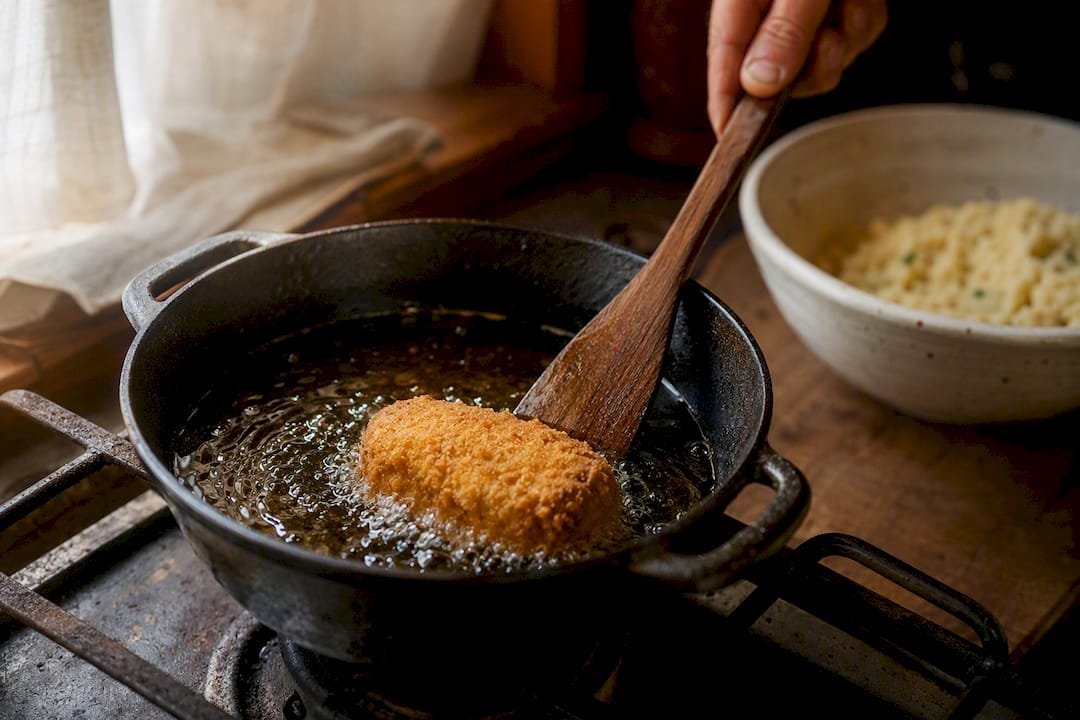
Béchamel thickened with spinach and nutmeg, breaded and fried until the shell cracks under a fork. Best for: the hot tapa that disappears first. Time: requires a moderate preparation time and extra chilling time.
Pro Tip: Chill the croqueta mixture for at least two hours before shaping, and freeze the breaded croquetas for 15 minutes right before frying. A cold center keeps the shell from blowing out in hot oil, which is the single biggest reason home-fried croquetas turn greasy.
4. Berenjenas con Miel de Caña
Sliced eggplant, fried until golden, drizzled with cane syrup (or a good dark honey substitute for strict vegan service, use agave or date syrup). Best for: the sweet-savory contrast that resets the palate. Time: requires a short preparation time.
5. Pimientos de Padrón
Blistered in hot olive oil and finished with flaked sea salt. Best for: the fastest tapa on this list, and one that needs zero technique beyond a hot pan. Time: requires a very short preparation time.
6. Pan con Tomate y Manchego (or Vegan Cheese)
Toasted rustic bread rubbed with ripe tomato, good AOVE (extra virgin olive oil), and shaved manchego or a cashew-based vegan alternative. Best for: breakfast tapas or a light opener. Time: requires a very short preparation time.
7. Champiñones al Ajillo
Mushrooms sautéed hard and fast in olive oil, garlic, and a splash of sherry, finished with parsley. Best for: the tapa that proves vegetarian doesn’t mean bland. Time: requires a short preparation time.
8. Hummus con Crudités y Pan Tostado
Classic chickpea hummus with raw vegetables and toasted bread. Best for: the no-cook option when the oven’s already full. Time: requires a short preparation time and no cooking if using canned chickpeas.
9. Brochetas de Verduras Asadas
Skewered zucchini, bell pepper, red onion, and cherry tomato, roasted or grilled with AOVE and oregano. Best for: outdoor tapeo and summer menus. Time: requires moderate preparation time.
10. Tostadas de Berenjena y Queso
Roasted eggplant rounds topped with melted cheese (or a smoked vegan alternative) and a drizzle of romesco. Best for: a heartier tapa that eats like a mini open sandwich. Time: requires moderate preparation time.
11. Mini Ensaladilla (Chickpea Variant)
Traditional Spanish potato salad rebuilt with mashed chickpeas standing in for tuna, folded with peas, carrot, and a lemony vegan mayo. Best for: cold buffets and make-ahead party trays. Time: requires a short preparation time.
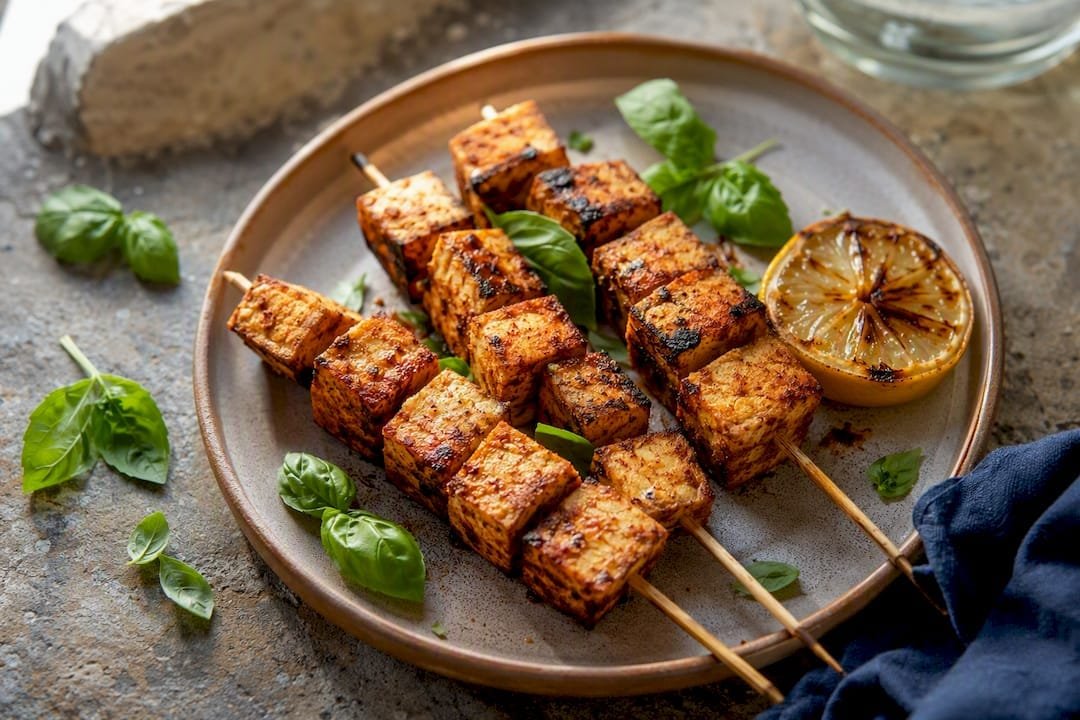
12. Pinchos de Tofu o Tempeh
Marinated in smoked pimentón, garlic, and citrus, then grilled or pan-seared until the edges char. Best for: the quick vegan protein tapa that still has bite. Time: requires a short cooking time plus some marinating time.
How to Turn Classic Tapas Vegan Without Losing Their Character
The trick to converting a Spanish classic isn’t removing the meat, it’s replacing the flavor job that meat was doing. Jamón brings salt, fat, and smoke. Fish brings brine and umami. Once you know what job an ingredient performs, the swap gets obvious.
- For a chickpea-flour tortilla, use roughly one part chickpea flour to one part water, plus a splash of olive oil and a pinch of turmeric for color. If it falls apart when you flip it, the batter is too thin; add another spoonful of flour and let it rest 10 minutes before cooking.
- Build vegan “mayonnaise” for ensaladilla with a neutral oil, a splash of aquafaba or plant milk, lemon juice, and mustard blended until it emulsifies.
- Replace jamón’s smoky depth with seitan seared hard in a dry pan, smoked mushrooms, or a generous hit of smoked pimentón, which carries most of the same aromatic weight.
- Layer umami with dried mushroom powder, a spoon of miso stirred into sauces, or a strip of kombu simmered briefly into stock.
Pro Tip: Roast garlic whole until it caramelizes before adding it to any sauce meant to replace a meat-based one. Raw garlic tastes sharp; roasted garlic tastes rounded and savory, which is exactly the depth a bravas sauce or romesco needs when there’s no chorizo in the pot.
Plating Tricks That Make Vegetarian Tapas Look and Taste Bar-Worthy
Presentation does real work here, not decoration for its own sake, but the difference between a tapa that reads as an afterthought and one that reads as intentional. Contrast color against color (green herbs against a pale hummus), vary height (a skewer standing taller than a flat tostada), and mix temperature across the table, cold ensaladilla next to hot croquetas keeps the spread interesting bite to bite.
- Serve sauces in small dishes or verrines instead of pooling them under the food; it keeps textures distinct.
- Finish with a scatter of fresh herbs or citrus zest right before serving, never earlier, or the color fades and the aroma flattens.
- Fix underseasoning by tasting the sauce alone, not just the finished dish; sauces need to taste slightly “too salty” on their own to season the whole plate correctly.
- Avoid texture monotony: pair something crisp (fried, toasted) with something creamy on the same tray.
Chefs who work tapas bars point to underseasoning, ignoring texture contrast, and using out-of-season produce as the most common mistakes home cooks make with vegetarian spreads, and correcting just those three things closes most of the gap between homemade and restaurant-quality. Reheat croquetas and fried items in a hot oven, never a microwave, to keep the shell from turning soft.
Building a Tapas Menu for Any Occasion
A tapeo works best when it’s planned like courses instead of a random pile of plates. For a quick midweek spread, pick three: pimientos de Padrón, pan con tomate, and hummus with crudités, all under 30 minutes combined.
- Casual tapeo (4 to 6 people): Serve 4 to 6 tapas per person if this is the whole meal, mixing two cold, two hot, and one bread-based item.
- Celebratory party platter (10+ guests): Plan 2 to 3 bites per person per tapa type, leaning on make-ahead dishes like ensaladilla and croquetas so you’re not cooking during the party.
- Date night (2 people): Four tapas total works well: one shareable hot dish, one cold, one bread, one sweet-savory finish like the berenjenas con miel de caña.
Pour a chilled Albariño or a light Verdejo alongside the cold plates, and a young Rioja or Garnacha once the hot, smokier dishes arrive; for non-alcoholic options, a dry vermut-style soda or sparkling water with citrus does the same palate-resetting job. Serve cold dishes first, then bring out hot plates as they finish cooking.
Kokcha’s Take on Vegetable-Forward Tapas
At Kokcha, vegetable dishes never get treated as the fallback option for the table. The kitchen’s vegetable paella leans on the same seasonal produce logic as the recipes above, whatever’s peaking that week drives the dish, not a fixed recipe card.
The Parrillada de Verduras proves the point better than anything: grilled seasonal vegetables, char and all, need almost no dressing up when the produce itself is good. That’s the whole philosophy in one plate.
The Parrillada De Verduras also shows a trick worth stealing for home platters at scale: grill everything on one hot surface in batches, then plate together, so nothing goes cold waiting on something else.
Pro Tip: Buy your vegetables from whoever sells what’s actually in season that week, not what a recipe demands. A recipe written for August eggplant won’t taste the same made with December’s version.
Serving Tapas When Someone at the Table Has Other Restrictions
Vegetarian doesn’t automatically mean gluten-free or nut-free, and a mixed table often needs both. Croquetas and tortilla de patata (chickpea-flour version) are the two dishes on this list most likely to trip up a gluten-free guest, since both traditionally rely on wheat flour or breadcrumbs.
For a gluten-free swap, bread croquetas in gluten-free panko or crushed cornflakes instead of standard breadcrumbs, and use cornstarch or rice flour in place of wheat flour in the béchamel base. Patatas bravas, pimientos de Padrón, and champiñones al ajillo are naturally gluten-free as written, which makes them the easiest dishes to build a mixed-diet spread around.
Nut allergies show up less often in traditional tapas but sneak into modern vegan swaps, cashew-based cheeses and almond-based mayonnaises being the usual culprits. Swap in a sunflower-seed based cream or a soy-based vegan mayo instead, both work in ensaladilla and pan con tomate without changing the texture much.
The simplest fix for hosting a mixed table is labeling. Small handwritten cards next to each dish listing “gluten-free,” “contains nuts,” or “vegan” save you from fielding the same question five times during the party, and let guests build their own plate with confidence instead of asking before every bite.
Why “Just Remove the Meat” Is Bad Advice
Most vegetarian tapas advice online treats meat removal as the whole job. It isn’t. The research behind this list points to something more specific: texture contrast and proper seasoning do more for perceived quality than any ingredient swap. A croqueta that’s crispy outside and molten inside beats a “healthier” version every time, regardless of what’s in the filling.
The conventional wisdom oversells lightness and undersells technique. Nobody at a tapeo wants a diet plate, they want the same crunch, salt, and char they’d get from the meat version. That means the roasted garlic, the smoked pimentón, the properly chilled croqueta mixture matter more than any single vegan substitute you pick.
If you take one thing from this list, prioritize the technique fixes, chilling, seasoning tastes, batch grilling, before you worry about finding the perfect plant-based cheese. Get the fundamentals right and the ingredient swaps take care of themselves.
*— YellowRock
Bring This Tapeo to Kokcha’s Terrace Instead of Your Kitchen
Cooking a full tapas spread for eight people on a weeknight is a lot of dishes for one host to manage alone. Kokcha, near the Sagrada Familia, runs a full vegetable-forward tapas and paella menu daily, so you get the same seasonal vegan menu ideas and char-forward cooking philosophy covered above without touching a fryer yourself.
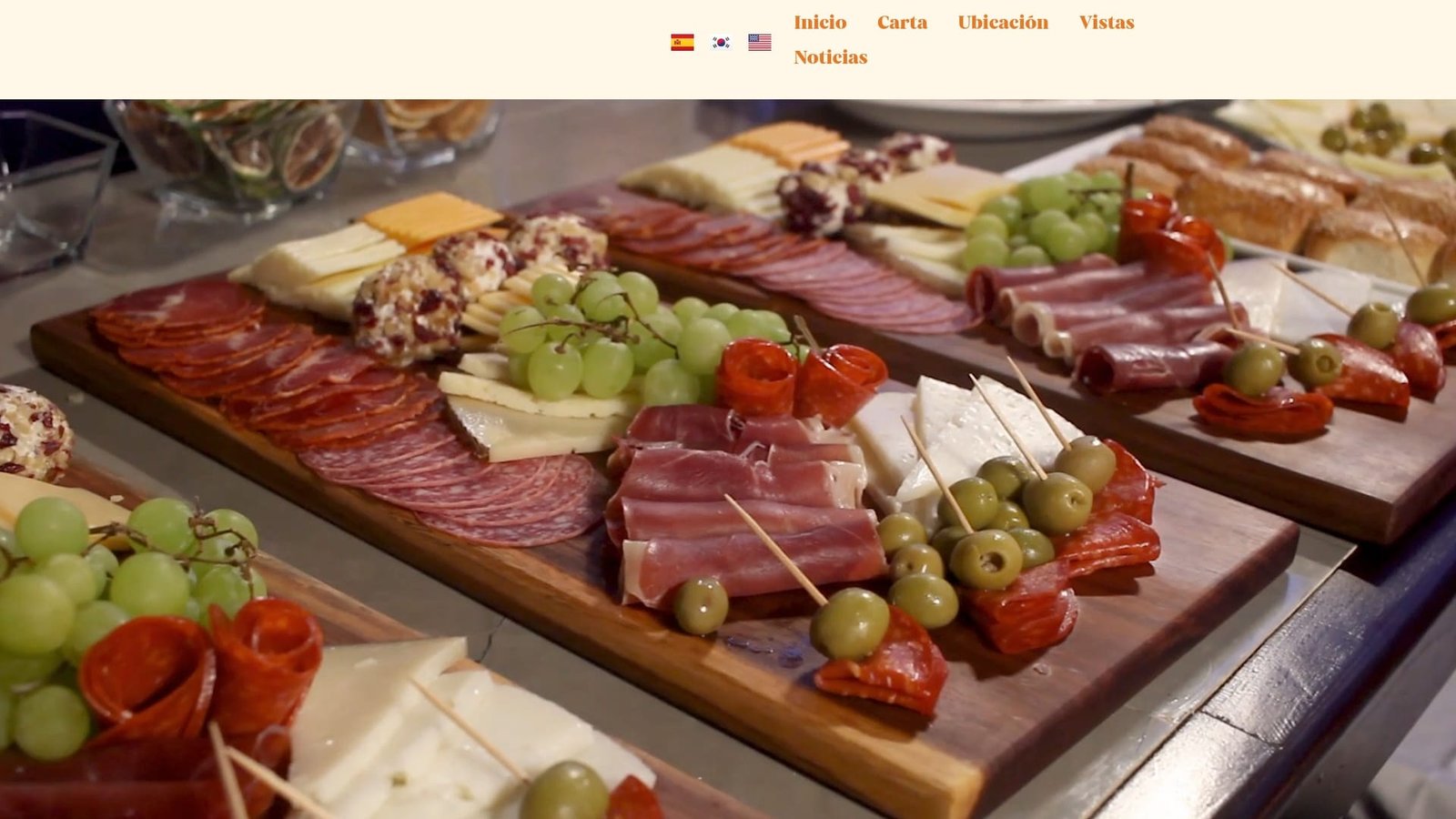
The kitchen sources produce the same way this list recommends, built around what’s actually in season, and the terrace adds something no home kitchen can match: city views over one of Barcelona’s most visited landmarks while you eat. If tonight’s plan was recipes at home, consider swapping it for a table booking instead. Check the current Mediterranean cuisine trends shaping the menu, or reserve a spot on the Sagrada Familia terrace for your next tapeo.
Frequently Asked Questions
What are vegetarian tapas, exactly?
Vegetarian tapas are small Spanish plates built without meat or fish, often relying on eggs, legumes, vegetables, and dairy or plant-based substitutes to recreate the same salty, savory, textured bites found in traditional tapeo.
What are the best vegetarian tapas for beginners to cook?
Pimientos de Padrón, pan con tomate, and champiñones al ajillo require the least technique and the fewest ingredients, all can be made in under 20 minutes with a hot pan and good olive oil.
Are there quick vegan tapas that don’t need a recipe swap?
Yes. Hummus with crudités, roasted vegetable brochetas, and pimientos de Padrón are vegan by default, no substitution needed, which makes them the fastest additions to any mixed-diet table.
Does Kokcha offer vegetarian and vegan options near the Sagrada Familia?
Kokcha’s menu includes vegetable-forward tapas and paella, including the Parrillada De Verduras and vegetable paella, alongside its full Mediterranean menu and terrace seating.
How many tapas should I plan per person for a party?
For a full tapeo-style meal, plan 4 to 6 tapas per person; for a lighter aperitivo before a main meal, 2 to 3 bites per person across a mix of dishes works better.
Sources
- Errores comunes al hacer tapas vegetarianas y cómo evitarlos — Mesón La Judería