If you want paella without seafood near Sagrada Familia, Kokcha serves it in three forms: vegetable, chicken, and meat. On Spanish menus, “paella sin marisco” simply means paella made without shellfish or shrimp. To book, reserve online or call and ask directly: “¿Tienen paella sin marisco hoy? / Do you have paella without seafood today?” That single line works at almost any restaurant in the neighborhood, not just Kokcha.
Two ways to move forward right now:
- Reserve at Kokcha and note “paella sin marisco” in your booking, choosing from vegetable paella, chicken paella, or meat paella.
- Call around to other spots near the basilica and use the Spanish/English phrasing above to confirm before you walk over.
Key Takeaways
Paella sin marisco is a menu term for paella made without shellfish, and confirming rice type, ingredients, and lead time before you order is what separates a good plate from a disappointing one.
| Point | Details |
|---|---|
| Know the menu terms | Look for “paella de verduras,” “paella de pollo,” or ask for “paella mixta sin marisco.” |
| Check quality signals | Named rice variety, visible socarrat, and seasonal vegetables signal a kitchen that cooks with care. |
| Confirm before you go | Call or message using exact phrasing and ask about lead time, since kitchens often need 30 to 60 minutes. |
| Plan for groups | State headcount and paella type in your reservation to avoid delays on arrival. |
| Book at Kokcha | Kokcha offers vegetable, chicken, and meat paellas near Sagrada Familia with terrace seating and bilingual booking. |
Table of Contents
- What Does “Paella Sin Marisco” Mean on a Menu?
- How Do You Confirm and Order Paella Sin Marisco?
- Kokcha’s Paella Sin Marisco Options Near the Basilica
- What to Expect at the Table: Portions, Allergens, and Pairings
- Editorial Take: Treat the Menu Like a Menu, Not a Recipe Card
- Book Your Paella Sin Marisco at Kokcha
- Frequently Asked Questions
- Sources
What Does “Paella Sin Marisco” Mean on a Menu?
This guide treats “paella sin marisco” the way a restaurant menu does: a dish, not a recipe. It is paella served without seafood, built instead around chicken, rabbit, other meats, or vegetables. You will not find step-by-step cooking instructions here. What you will find is how to spot the version worth ordering.
Menus around Barcelona use a few standard names for this. Look for paella de verduras (vegetable paella), paella de pollo (chicken paella), or paella mixta ordered with a request to skip the seafood. Some kitchens list “arroz con verduras” instead of “paella,” which usually signals the same seafood-free approach chef José Andrés uses for his vegetable rice dishes built around whatever produce is in season.
A handful of details separate a memorable plate from a forgettable one:
- The rice is named. Bomba or Calasparra rice absorbs broth without turning mushy, and Barcelona dining commentary treats naming the rice variety as a basic sign of quality.
- A real sofrito went into the pan. Slow-cooked tomato, garlic, and onion build the base flavor that broth alone cannot deliver.
- The vegetables look seasonal, not frozen-mix uniform. Andrés’s own guidance is to adapt vegetables to what is fresh that day rather than running the same mix year round.
- Socarrat, the slightly toasted rice at the pan’s bottom, gets mentioned or is visible when the dish arrives.
Pro Tip: Ask what’s in today’s vegetable paella specifically. A kitchen that can answer with actual vegetable names, not “the usual mix,” is telling you something about how it cooks.
Red flags run the other direction. If a menu just says “rice dish” with no rice type, no mention of stock, and no sense of portion size, that is often pre-made rice reheated to order rather than paella built fresh in a pan.
How Do You Confirm and Order Paella Sin Marisco?
Getting the dish you actually want takes four quick steps, especially if you are booking for a group or during peak tourist months.
- Check the online menu first. Look for a “paellas” section that names ingredients and rice type. Vague listings are a warning sign before you even call.
- Call or message if the menu is unclear. Use a direct script: “Reserva para 4 personas, paella sin marisco / Reservation for 4, paella without seafood.” Restaurants handling group bookings appreciate the specificity.
- Ask about lead time. Paella is usually cooked to order, and most restaurant kitchens need 30 to 60 minutes depending on portion size and workflow, with large groups sometimes requiring advance notice.
- Confirm portion size and price per person before you sit down. Ask whether it comes out whole for the table or already plated, and whether sides are included.
Pro Tip: Book earlier in the day for weekend dinners and anytime during high tourist season. If you have a shellfish allergy rather than just a preference, say so explicitly and ask about cross-contact in the kitchen, not just the ingredient list.
Kokcha’s Paella Sin Marisco Options Near the Basilica
Kokcha keeps this simple: three seafood-free paellas, a terrace with Sagrada Familia views, and a bilingual site so you are never guessing at a menu term.
Barcelona’s most memorable rice dishes tend to pair traditional technique with a contemporary kitchen, valuing both where the ingredients come from and how carefully the dish is cooked.
Kokcha’s dining room and terrace with basilica views give you a choice between indoor and outdoor seating, which matters more than it sounds during peak lunch hours when tables fill fast. When you reserve, just add “paella sin marisco” or name the specific version (vegetable, chicken, or meat) directly in your booking note. Group reservations work the same way. State the headcount and the paella type up front, and the kitchen can plan around it instead of scrambling when you arrive.
What to Expect at the Table: Portions, Allergens, and Pairings
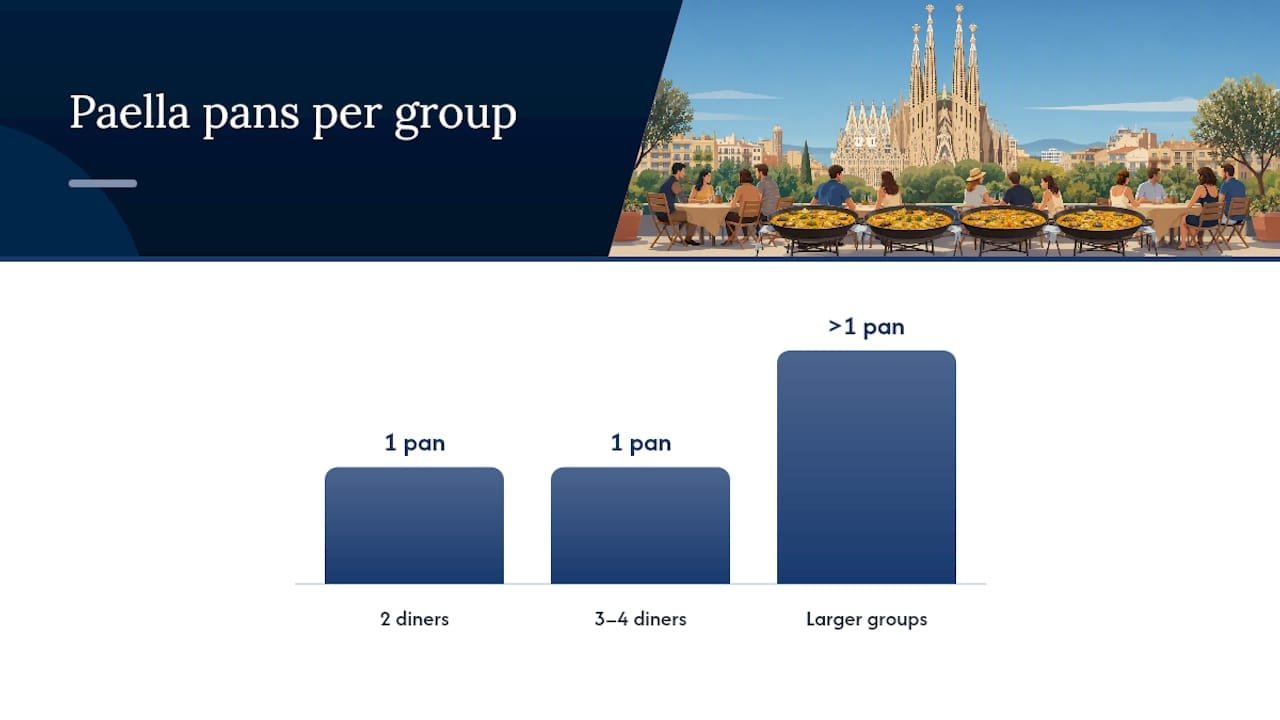
Paella is typically served for two or more, since most kitchens build the dish in a shared pan rather than individual bowls. For two to four diners, one large paella usually covers the table with room for a starter or salad on the side. Larger groups should order more than one pan rather than stretch a single portion thin, since overcrowding the pan is one of the more common ways restaurants end up with soggy rice instead of a proper socarrat.
If you are avoiding seafood for allergy reasons rather than preference, say so plainly: “Alergia al marisco, no solo preferencia” makes clear this is a cross-contact concern, not a substitution request. Kitchens handling both shellfish and non-seafood paellas in the same space should be able to tell you how pans and utensils are kept separate.
- A dry white or a light rosé pairs well with chicken or vegetable paella.
- Simple sides like a green salad or grilled bread round out the meal without competing with the rice.
- A paella built on a well-reduced stock and genuinely seasonal vegetables tends to need less on the side, since the base flavor is already doing the work.
Pro Tip: If the table next to you got their paella and it looks glossy with visible grains rather than a starchy clump, that is usually a good sign about how it was cooked.
Reservation and Visit Checklist
A short list to run through before you book or walk in near Sagrada Familia:
- Include date, time, party size, and the phrase “paella sin marisco” in your reservation message.
- Specify which version you want (vegetable, chicken, or meat) rather than leaving it open.
- Arrive on time. Kitchens plan paella cook times around your reservation slot, and showing up late can mean a longer wait.
- Ask about terrace seating if views matter to you, since outdoor tables near the basilica tend to fill first.
- Bring a card or cash. Most restaurants in the area accept both, but confirming in advance avoids surprises.
Start with Kokcha’s vegetable paella or chicken paella page to see current offerings before you call.
Editorial Take: Treat the Menu Like a Menu, Not a Recipe Card
The conventional advice on paella sin marisco tends to focus on cooking technique, as if every diner needs to know how to build a sofrito. That misses what actually matters at the table: whether the kitchen in front of you can name its rice, name its vegetables, and tell you how long the pan takes. Diners do not need to cook the dish. They need to recognize when a restaurant is cooking it well.
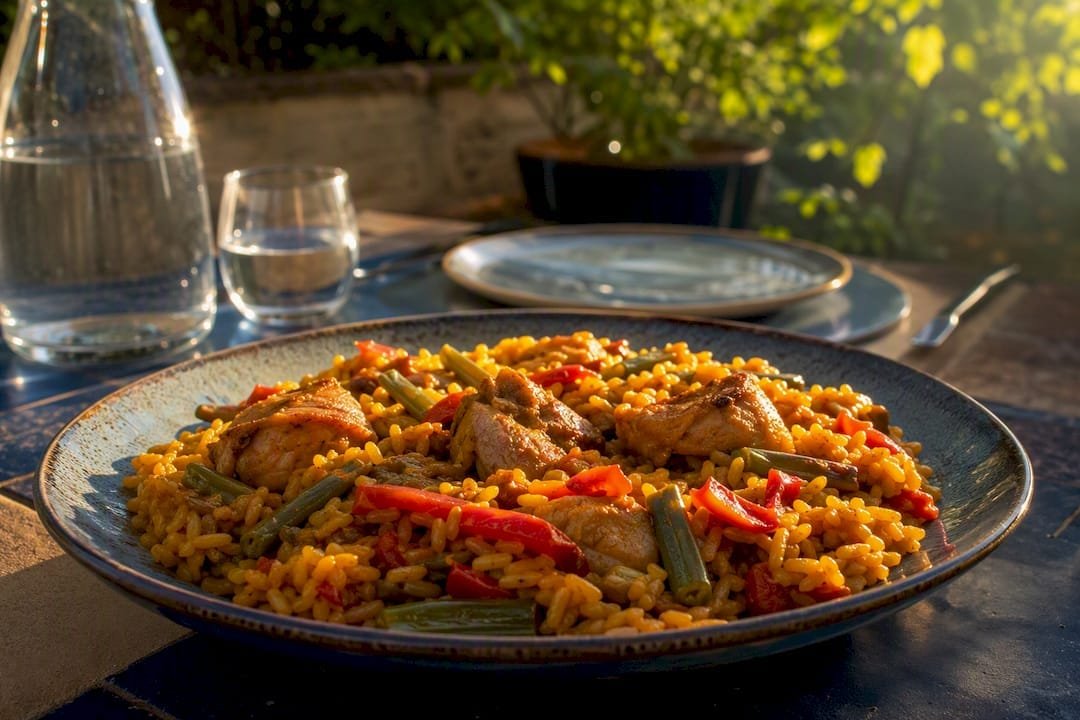
What gets underrated is the phone call. A thirty-second question about today’s vegetables or the rice variety tells you more than any menu photo. Restaurants that answer specifically are usually the ones plating socarrat on purpose rather than by accident.
Prioritize the ask-first habit over the guesswork of scanning menu adjectives. “Fresh,” “traditional,” and “authentic” appear on every menu in the district. A straight answer about ingredients and cook time does not.
Book Your Paella Sin Marisco at Kokcha
Kokcha is the direct option for this exact need: a Mediterranean restaurant steps from Sagrada Familia with three seafood-free paellas already on the menu, a bilingual site so nothing gets lost in translation, and a terrace where you can watch the basilica while you eat.
Rather than calling around the neighborhood hoping a kitchen has what you want, you can see the meat paella or chicken paella menu ahead of time and know exactly what arrives at the table. Groups get the same clarity: note your headcount and paella choice in the reservation, and the kitchen plans around it instead of guessing when you show up. If the terrace view matters to your evening, check table availability with a view before you lock in a time. Reserve now and put “paella sin marisco” in your booking note so your table is ready when you are.
Frequently Asked Questions
Does “paella sin marisco” mean vegetarian paella?
Not necessarily. It means no seafood, but chicken and meat versions are common and are not vegetarian. Ask specifically if you need a fully vegetarian or vegan option.
How much does paella sin marisco typically cost near Sagrada Familia?
Prices vary by restaurant and portion size, but non-seafood paellas are generally priced similarly to or slightly below seafood and mixed versions on most local menus.
Can I order paella sin marisco for one person?
Some restaurants offer individual portions, but paella is traditionally cooked and served for two or more. Ask when you reserve.
What’s the difference between paella mixta and paella sin marisco?
Paella mixta usually includes both meat and seafood. Ordering it “sin marisco” means requesting the meat components without the shellfish or shrimp.
How far in advance should I book for a group?
For groups of six or more, reserve at least a day ahead and mention the paella type, since kitchens often need extra lead time to prepare larger pans.