Planning a family dinner out is defined as deliberate preparation before you leave the house, covering restaurant selection, timing, child readiness, and reservation logistics. Families who prepare in advance arrive calmer, order faster, and leave with better memories. The difference between a stressful outing and a genuinely enjoyable one almost always comes down to decisions made before you walk through the door. This guide covers every step, from picking the right venue and dining time to handling meltdowns with grace.
How to plan a family dinner out: choosing the right restaurant and time
The single most effective family dinner planning tip is to book early. Dining between 4:30 and 5:00 PM delivers faster service, a quieter room, and staff who have the bandwidth to actually help you. That window closes fast once the dinner rush hits, so treat it as a firm target rather than a preference.
Choosing the right restaurant means looking beyond the menu. A family-friendly venue offers casual seating, space for strollers, high chairs on request, and at least a few dishes that picky eaters will recognize. Read recent reviews specifically for mentions of noise level and staff attitude toward children. Those two factors predict your experience more accurately than star ratings.
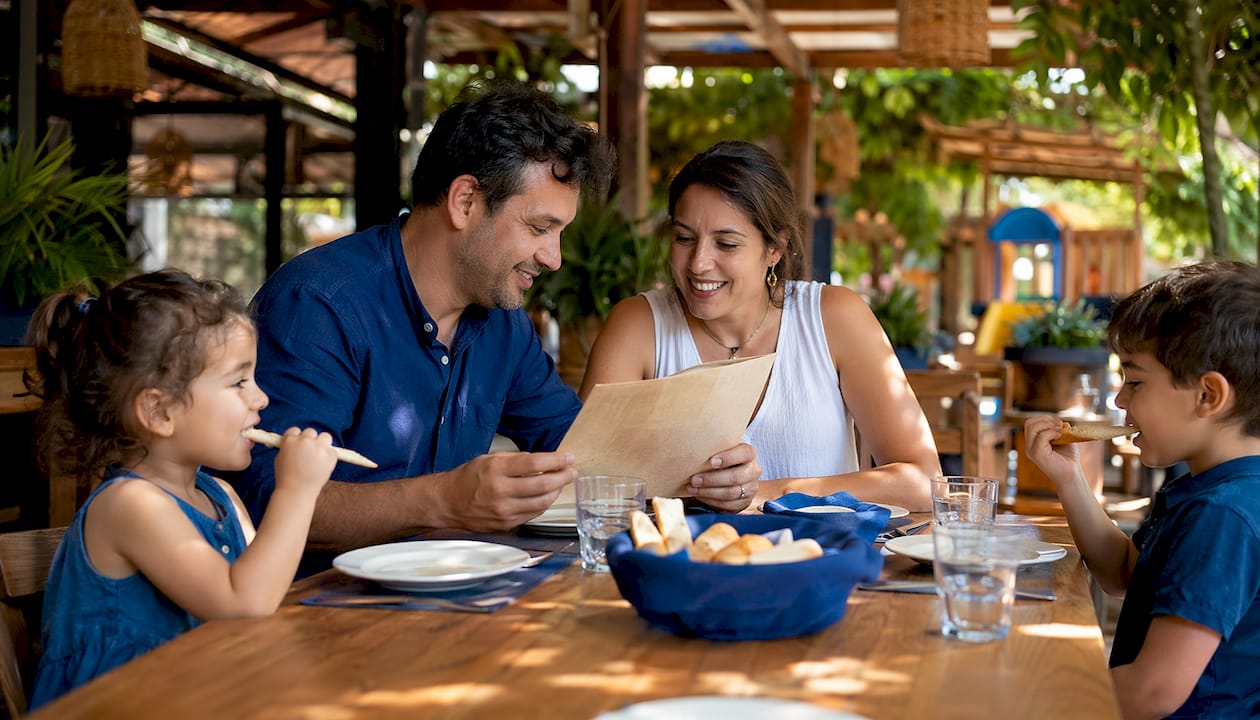
Before you book, check the menu online and identify a “safe base” food for each child. Familiar options like bread, white rice, or potatoes reduce mealtime conflict for selective eaters. Knowing in advance that the menu has something your child will eat removes a major source of pre-dinner anxiety. For a deeper look at what separates a good venue from a great one, Kokcha’s guide on family-friendly features breaks it down clearly.
Key factors when picking a restaurant
| Factor | What to look for |
|---|---|
| Menu variety | At least one familiar “safe” dish per child |
| Seating setup | High chairs, booth options, stroller space |
| Noise level | Casual atmosphere, not library-quiet or concert-loud |
| Timing flexibility | Early slots available before 6:00 PM |
| Outdoor option | Terrace or patio for restless kids to get air |
Pro Tip: Call the restaurant directly and mention you are bringing young children. Staff can flag the best table location and confirm high chair availability before you arrive.
How do you prepare kids for a restaurant outing?
Preparation at home is what makes the restaurant experience manageable. Teaching children a “restaurant voice” before the outing works far better than shushing them at the table. Practice it as a game: whisper a question, get a whispered answer, and praise the effort. Children who rehearse the behavior at home carry it into the real setting.
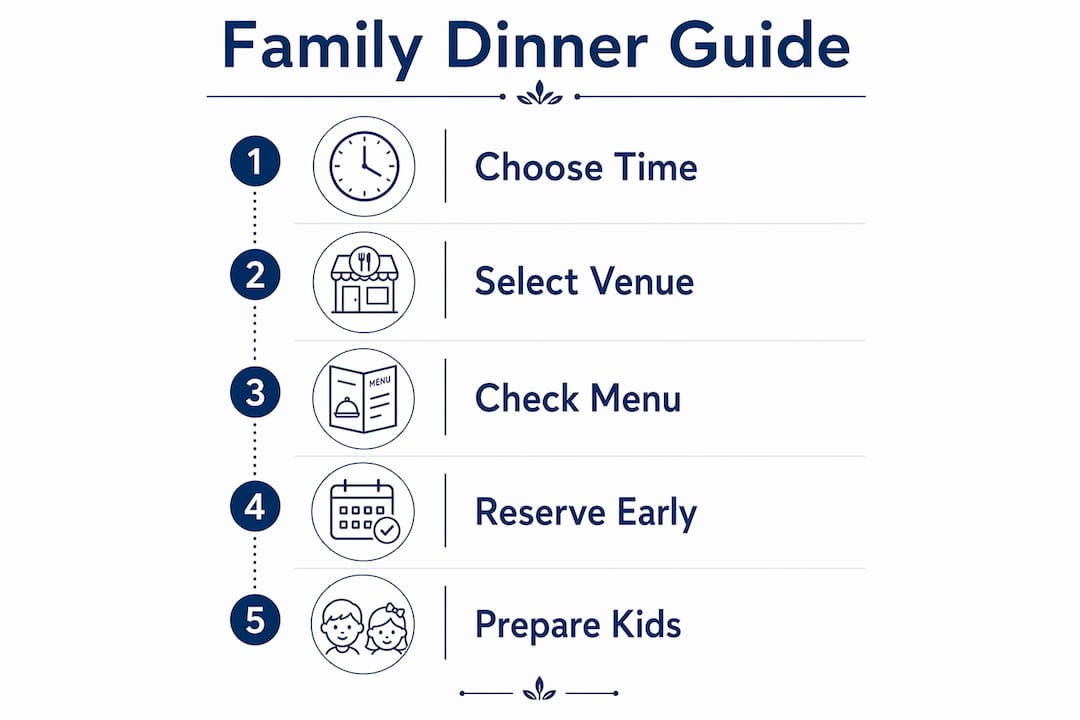
Review the menu with your kids the day before. Let them pick one dish they want to try. This small act of involvement reduces “I don’t want anything” moments at the table and gives children a sense of ownership over the meal. Involvement at the planning stage translates directly into better behavior during the outing.
Pack a small bag for the table. The goal is quiet engagement, not screen dependency. A mix of options works best.
- Coloring books and crayons
- Small figurines or quiet toys
- One age-appropriate puzzle or activity book
- A tablet or phone loaded with one downloaded show as a backup
- Healthy snacks for the gap between ordering and food arriving
Time the outing around naps and hunger. A tired or already-hungry child will not last through a long meal. Aim to leave the house when kids are rested and slightly hungry, not starving. That window gives you the best chance of a calm first 20 minutes, which sets the tone for the whole meal.
Pro Tip: Involve kids in choosing the restaurant from two pre-approved options. Children who feel heard before the outing are less likely to act out during it.
What is the step-by-step process for a smooth family dinner?
Execution matters as much as preparation. Follow this sequence to keep the outing on track from start to finish.
- Make the reservation correctly. Count every child in your party and note any gear you need, such as high chairs or space for a stroller. Omitting children from the headcount causes seating problems the moment you arrive.
- Arrive five minutes early. Early arrival means you get seated before the room fills up. Staff have more time for you, and your kids can settle before the noise level rises.
- Order drinks and bread immediately. Getting something on the table fast reduces the restless waiting period. Ask for the kids’ food order to go in first so their plates arrive before the adults’ meals.
- Order familiar dishes for selective eaters. Save new food introductions for home. A restaurant outing is not the right moment to expand a picky eater’s palate.
- Take breaks if needed. Stepping outside briefly with a restless child is standard practice and prevents the family from becoming a disruption for other diners.
- Use the early exit when necessary. Asking for the check and to-go boxes early is a respected move. It shows self-awareness and keeps your relationship with the restaurant positive.
- Thank the staff sincerely and tip well. A genuine thank-you from a parent managing a busy table means a great deal to restaurant staff. Generous tipping after a chaotic meal is the right call.
For a more detailed walkthrough of each stage, Kokcha’s step-by-step dining guide covers the full arc from reservation to departure. If you are planning a trip to Barcelona specifically, knowing how to reserve a restaurant the right way saves real headaches.
What are the most common challenges during family dinners out?
Picky eating is the challenge families cite most often, and the fix starts before you sit down. Identifying a safe base food in advance means your child always has something on the plate they will eat. Never use a restaurant meal to push new foods. The unfamiliar environment already raises a child’s stress level, and adding an unfamiliar dish on top of that is a recipe for a meltdown.
Disruptive behavior is the second most common issue, and the solution is movement, not discipline. Take the child outside for two minutes of fresh air. Walk around the block. Let them burn off energy before returning to the table. This approach resets the child’s mood without creating a scene.
- Do not lecture children at the table about their behavior. Address it privately, outside.
- Accept that mess will happen. Bring a small pack of wipes and let it go.
- Model the calm you want to see. Children read parental stress faster than any verbal cue.
- Communicate with staff early if you anticipate challenges. Most restaurants will work with you.
- Never ask the kitchen to reheat food brought from outside or to prepare frozen meals. This is an industry-wide practice that restaurants cannot accommodate and may refuse outright.
“The goal of a family dinner out is a successful outing, not perfection. A calm, accepting approach from parents leads to better experiences for everyone at the table, including the staff.” — Psychology Today
Understanding the wine and service dynamics of a full-service restaurant also helps families set realistic expectations about pacing and kitchen flow.
Key Takeaways
Successful family dinners out depend on preparation before you leave the house, not improvisation at the table.
| Point | Details |
|---|---|
| Book early time slots | Aim for 4:30–5:00 PM to get attentive service and a quieter room. |
| Identify safe foods in advance | Check the menu online and find one familiar dish per child before you arrive. |
| Include kids in the reservation | Count every child and note gear needs to avoid seating problems on arrival. |
| Prepare behavior at home | Practice the “restaurant voice” as a game so kids arrive knowing what is expected. |
| Use the early exit without guilt | Asking for to-go boxes early is respected by staff and protects everyone’s experience. |
What I have learned from years of family dinners out
The advice that changed how I approach family dining is simple: lower the bar for what counts as success. For years, I measured a good outing by whether the kids sat still and ate everything. That standard guaranteed disappointment. The moment I shifted to “did we leave without a major incident and did everyone eat something?” the whole experience improved.
The preparation piece is not optional. Families who wing it consistently have harder evenings than families who spend 15 minutes the night before reviewing the menu and talking through expectations with their kids. That gap is not about luck. It is about information and readiness.
The other thing I have seen repeatedly is that parents who treat restaurant staff as partners, rather than service providers, get a noticeably better experience. A quick word at the start of the meal, a genuine thank-you at the end, and a fair tip create goodwill that shows up in small but real ways throughout the evening. Restaurants want families to succeed. Meet them halfway.
— YellowRock
Planning a family meal in Barcelona? Kokcha makes it easy
Families visiting Barcelona near the Sagrada Familia have a natural home base in Kokcha, a Mediterranean restaurant with a terrace, a menu built for sharing, and a team experienced in hosting groups of all sizes. The terrace with views gives restless kids space to breathe while adults enjoy the setting.

Kokcha’s curated tips for a special dinner in Barcelona cover everything from timing your reservation to choosing dishes the whole table will enjoy, including paellas, tapas, and fresh seafood. Whether you are a local family or visiting with children in tow, Kokcha’s guides give you a clear, practical starting point for a meal worth remembering.
FAQ
What time is best for dining out with kids?
Early slots between 4:30 and 5:00 PM deliver the fastest service and the quietest environment for families with young children.
How do I handle a picky eater at a restaurant?
Check the menu in advance and identify a familiar “safe” dish your child will eat. Avoid introducing new foods during a restaurant meal.
Should I include my kids in the reservation headcount?
Yes. Always count children in your reservation and note any equipment needs, such as high chairs or stroller space, to avoid seating issues on arrival.
What do I do if my child becomes disruptive at the table?
Step outside briefly with the child for fresh air. This is standard dining etiquette and prevents the disruption from affecting other guests.
Is it okay to leave a restaurant early if the meal is not going well?
Asking for the check and to-go boxes early is respected by restaurant staff and is the considerate choice when a family outing becomes unmanageable.