Solo diner, order a single grilled fillet or two seafood tapas. Couple, split a whole small-to-medium fish or a two-person paella. Hosting a celebration, order a whole fish for the table or a seafood paella sized to the group. That’s the entire decision tree, and everything else in this guide is just backup for making it with confidence.
Before the plate arrives, confirm three things: the portion you’re actually getting, whether the item is priced by weight, and whether it’s in season right now. Whole fish and premium cuts are frequently sold per kilogram, which means the number on the menu isn’t the number on your check.
- Solo: one fillet, a la plancha, or two to three tapas
- Couple: a shared whole fish (small to medium) or a paella built for two
- Celebration: whole fish for the table, a group paella, or a set seafood menu
Pro Tip: If a fish is priced per kilo, ask the server to weigh it in front of you and state the total cost before it goes to the kitchen. It takes ten seconds and saves an awkward conversation at the end of the meal.
Key Takeaways
The single most reliable way to avoid a bad seafood order is to confirm price, portion, and season before the dish leaves the kitchen for prep.
| Point | Details |
|---|---|
| Match order to occasion | Solo diners choose a fillet or tapas, couples share a whole small fish or paella, groups order for the table. |
| Confirm weight-based pricing | Ask to have any per-kilo item weighed in front of you before it’s cooked. |
| Ask the origin question | Where the fish came from and when it arrived are the two fastest ways to judge sourcing. |
| Watch the menu’s rhythm | A menu that never changes with the seasons is a common red flag worth probing further. |
| Book ahead for celebrations | Kokcha and similar Mediterranean kitchens need lead time for whole fish and group paellas, so confirm timing and pricing when reserving. |
Table of Contents
- Step-By-Step Seafood Selection Checklist for the Table
- How Do You Choose the Right Portion Size?
- What Should You Ask the Server Before Ordering?
- What Do Menu Terms Like A La Plancha Actually Mean?
- How Can You Tell if Seafood Is Sustainably Sourced?
- What Sides and Sauces Actually Complement Seafood?
- How Far Ahead Should You Book for a Celebration?
- Ready to Try This Checklist at a Table That Welcomes the Questions
- Sources
Step-By-Step Seafood Selection Checklist for the Table
Ordering seafood well isn’t guesswork. It’s a short sequence you run through before you say a word to the server, and it works whether you’re at a casual tapas bar or a white-tablecloth spot with a raw bar in the window.
- Read the dish name and prep method first. “A la plancha” tells you griddled and light. “A la romana” tells you battered and fried. The verb in the description sets your expectations for texture before you even ask a question.
- Scan for seasonal or market notes. A menu that flags “today’s catch” or names a specific region is telling you something the laminated year-round menu never will.
- Check the portion format. Is it a tapa, a ración, a whole fish, priced per kilo, or a posta (steak cut)? This single detail determines whether you’re ordering a snack or a shared main.
- Decide adventurous versus efficient. Whole fish means bones, more flavor, and more time at the table. A fillet means faster eating and less work, which matters if you’re on a lunch break instead of a three-hour dinner.
- Confirm anything priced by weight before it’s cooked. Ask to see or choose the fish, then have it weighed in front of you.
- Lock in the final price and sides. Some sides are included, some are extra. Ask before you nod along.
A few checkpoints are worth repeating to yourself as you scan the menu:
- Favor items with seasonal or local sourcing notes over the dish that never changes.
- Skip heavy sauce preparations if what you actually want to judge is freshness. A cream or tomato base can hide a mediocre fillet just as easily as it complements a great one.
- Whole fish and large paellas need kitchen lead time. If you’re ordering either, ask the server how long it will take and whether it should go in now or after a starter course.
Restaurants that sell fish by the kilo often let you pick the exact piece from a display case, then weigh it while you watch, a practice common across Mediterranean seafood restaurants and one you should treat as a right, not a favor. If a place hesitates to do this, that’s worth noting.
How Do You Choose the Right Portion Size?
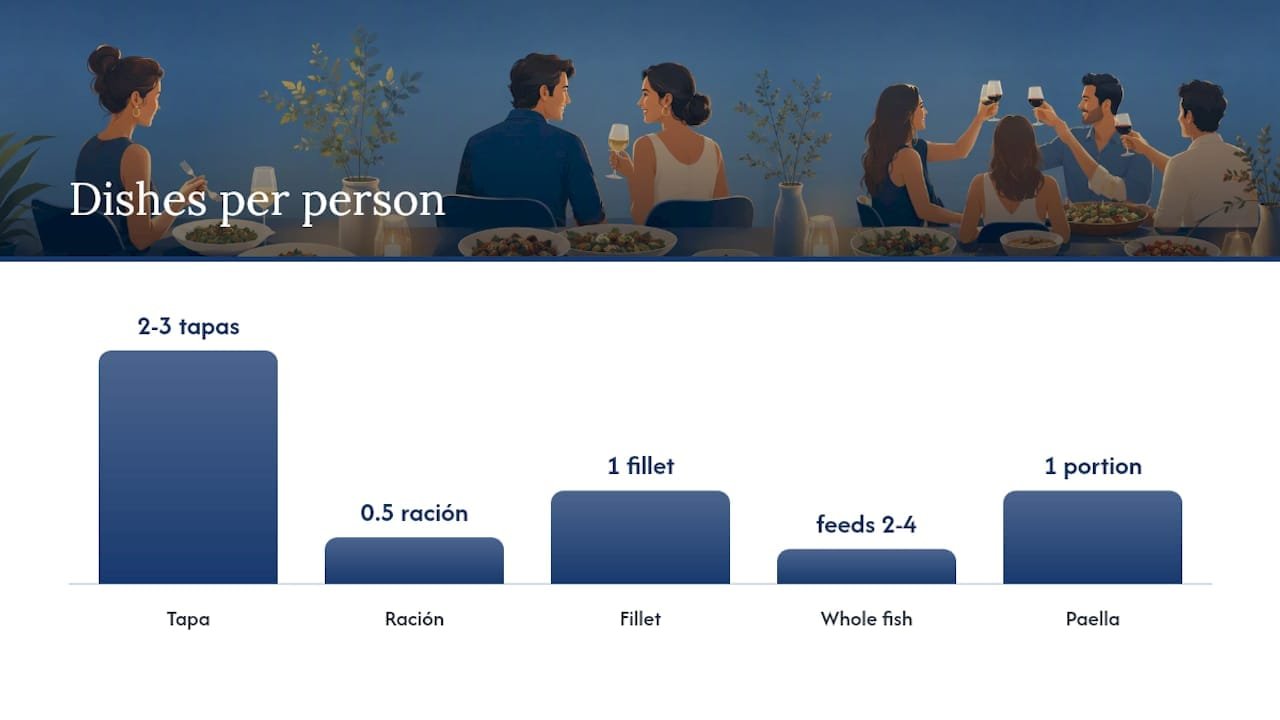
Seafood menus use a handful of formats, and mixing them up is the fastest way to either overspend or leave the table hungry. A tapa is a small plate meant for tasting, usually two to four bites. A ración is roughly double that, built to be shared by two or split among a small group as one of several dishes. A main fillet is a single-diner portion, typically enough on its own. Whole fish and paella are built around headcount rather than fixed serving sizes.
For a solo diner, one fillet or two to three tapas is a full meal. A couple usually does well with one whole small fish (expect some weight loss from raw to cooked, commonly cited in the 20 to 30 percent range) plus a shared side. For groups, a rough rule of thumb is one paella portion per person plus one extra dish to share, and one whole fish per two to three diners depending on size.
- Tapa: tasting portion, 2 to 4 bites
- Ración: shared plate, feeds 2
- Whole fish: sized by weight, feeds 2 to 4 depending on the fish
- Paella: usually priced and portioned per person
Pro Tip: When sharing, ask the server how they’d split the dish for your group size. Staff who handle whole fish daily usually have a portioning instinct that beats guesswork.
What Should You Ask the Server Before Ordering?
A few direct questions separate a confident order from a gamble, and none of them take longer than the time it takes the server to write your order down.
- “Where’s this from, and how was it caught?”
- “When did it arrive?”
- “If this is market-price, will it be weighed in front of me?”
- “What sides come with this, and what costs extra?”
- “Does the fryer handle anything besides seafood?”
Watch for a few warning signs while you ask. A menu that lists the same high-demand species every single day of the year, regardless of season, often signals a supplier relationship built around convenience rather than quality. A server who can’t say where the fish came from or when it arrived is another sign worth taking seriously. So is a “special” that reads more like inventory the kitchen needs to move than an actual seasonal offering. If the raw bar has any smell beyond clean ocean brine, that’s not a subtlety worth ignoring.
If you spot a red flag, you have options short of walking out. Ask what arrived most recently, request a cooked preparation instead of raw, or consider a flash-frozen option, which chefs and fishmongers generally regard as comparable to fresh when handled properly and true day-boat fish isn’t available.
FAQ: Is it rude to ask where the seafood comes from?
No. Kitchens that source well are usually glad to talk about it, and the ones that dodge the question are telling you something too.
What Do Menu Terms Like A La Plancha Actually Mean?
Menu language is a shortcut to texture, effort, and portion size, once you know how to read it. A la plancha means griddled hot and fast, usually a light, clean flavor with minimal fat added. A la romana means battered and deep-fried, crisp exterior, common with rings of squid or small whole fish. Escalado refers to a poaching or gentle cooking method that keeps flesh delicate and moist. Posta is a steak-cut portion, usually boneless or nearly so, easier to eat than a whole fish. Ración, as covered above, is a format rather than a cooking method: a shareable plate size.
- A la plancha: griddled, light, minimal bones removed for you
- A la romana: fried, crisp, best eaten with your hands
- Escalado: gently poached, soft texture
- Posta: steak cut, easy eating, less bone work
- Ración: shared-plate portion, not a preparation style
If you want delicate flake and don’t mind a few bones, order the whole fish grilled. If you want something you can eat with a fork and no patience for bones, order a posta or a fillet. Understanding Spanish seafood vocabulary before you sit down makes the whole ordering process faster.
How Can You Tell if Seafood Is Sustainably Sourced?
Three quick questions do most of the work. Ask how the fish was caught. Pole-and-line methods generally produce less bycatch than trawling, and a kitchen that knows the difference usually sources more carefully overall. Ask whether it’s wild-caught or farmed, and where. Ask whether the menu changes with the seasons or stays static year-round.
Visible cues help too. A raw bar that smells like the ocean, not ammonia, is a good sign. A whole-fish display packed in ice, visible from the dining room, suggests the kitchen isn’t hiding anything. Staff who can name a specific supplier or fishing region tend to work in kitchens that actually track their sourcing.
- Ask: pole/line caught or trawled?
- Ask: wild or farmed, and from where?
- Look: ice display, raw bar smell, staff confidence
Pro Tip: When you’re unsure, check a resource like Seafood Watch before you go, or ask the server directly which species on the menu they consider the more responsibly sourced choice that night.
What Sides and Sauces Actually Complement Seafood?
Delicate fish wants a light-bodied white wine and a squeeze of citrus, nothing that competes. Oilier, meatier fish like tuna or swordfish can handle a richer sauce without losing its identity. Heavy cream or thick tomato bases are worth skipping if you actually want to taste the seafood rather than the sauce covering it.
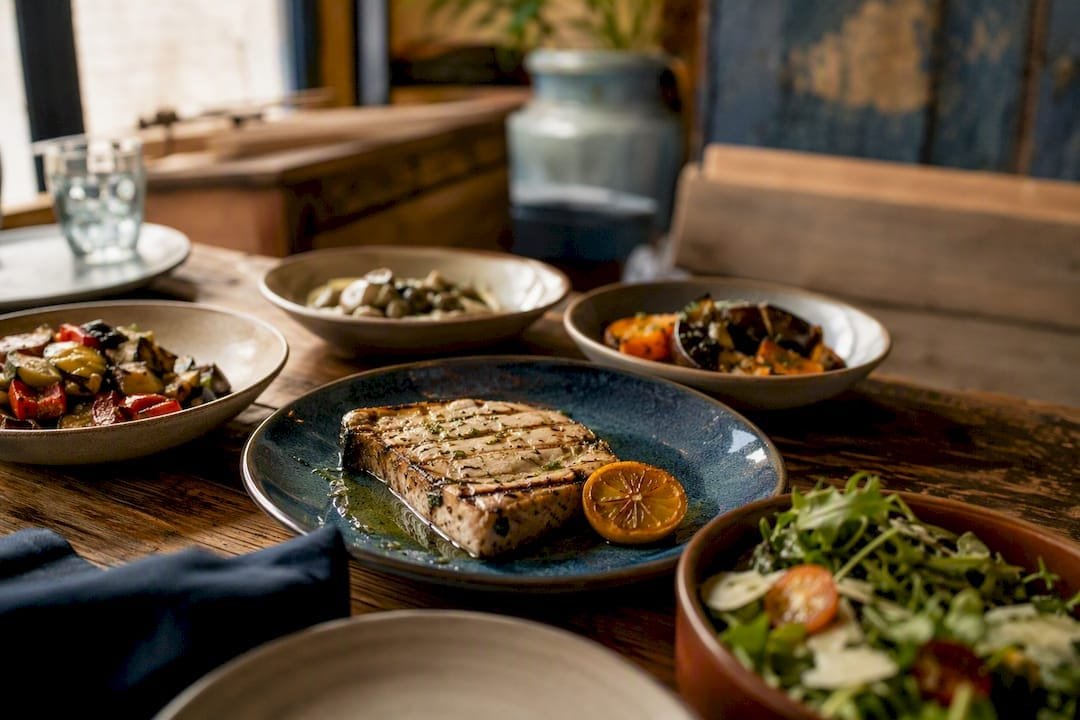
For sides, a simple green salad, seasonal roasted vegetables, or a light rice dish usually complements grilled fish and shellfish without stealing focus. For a table sharing several plates, order two or three sides total rather than one per person. It keeps the seafood as the centerpiece instead of crowding the table with redundant plates.
How Far Ahead Should You Book for a Celebration?
Whole fish and large paellas need kitchen lead time, often 20 to 30 minutes minimum once ordered, longer for a table of eight or more. If you’re planning a celebration, ask three things when booking: whether the restaurant offers a set seafood menu, whether you can pre-order a whole fish so it’s ready when your group arrives, and whether the kitchen can stagger courses so the table doesn’t sit waiting on one big dish.
Arrive with a buffer. A relaxed celebratory pace usually means seating 15 minutes before you want the first course to land, giving the kitchen room to work without rushing.
- Ask about set menus and paella lead times when booking
- Request pre-ordered whole fish for large groups
- Confirm supplements and per-kilo pricing in writing before the meal, especially for groups
Why Kokcha Built Its Seafood Service Around This Checklist
Serving group celebrations and seafood-forward tables taught Kokcha that most disappointment comes from unclear pricing and rushed ordering, not bad food. A diner who asks these questions before ordering consistently has a better night, and a kitchen that welcomes them usually deserves the trust.
Ready to Try This Checklist at a Table That Welcomes the Questions
Kokcha sits a short walk from the Sagrada Familia and builds its seafood menu around the same principles this guide just walked you through: seasonal availability, transparent pricing, and portions sized for how you’re actually dining, whether that’s solo, as a couple, or hosting a full celebration.
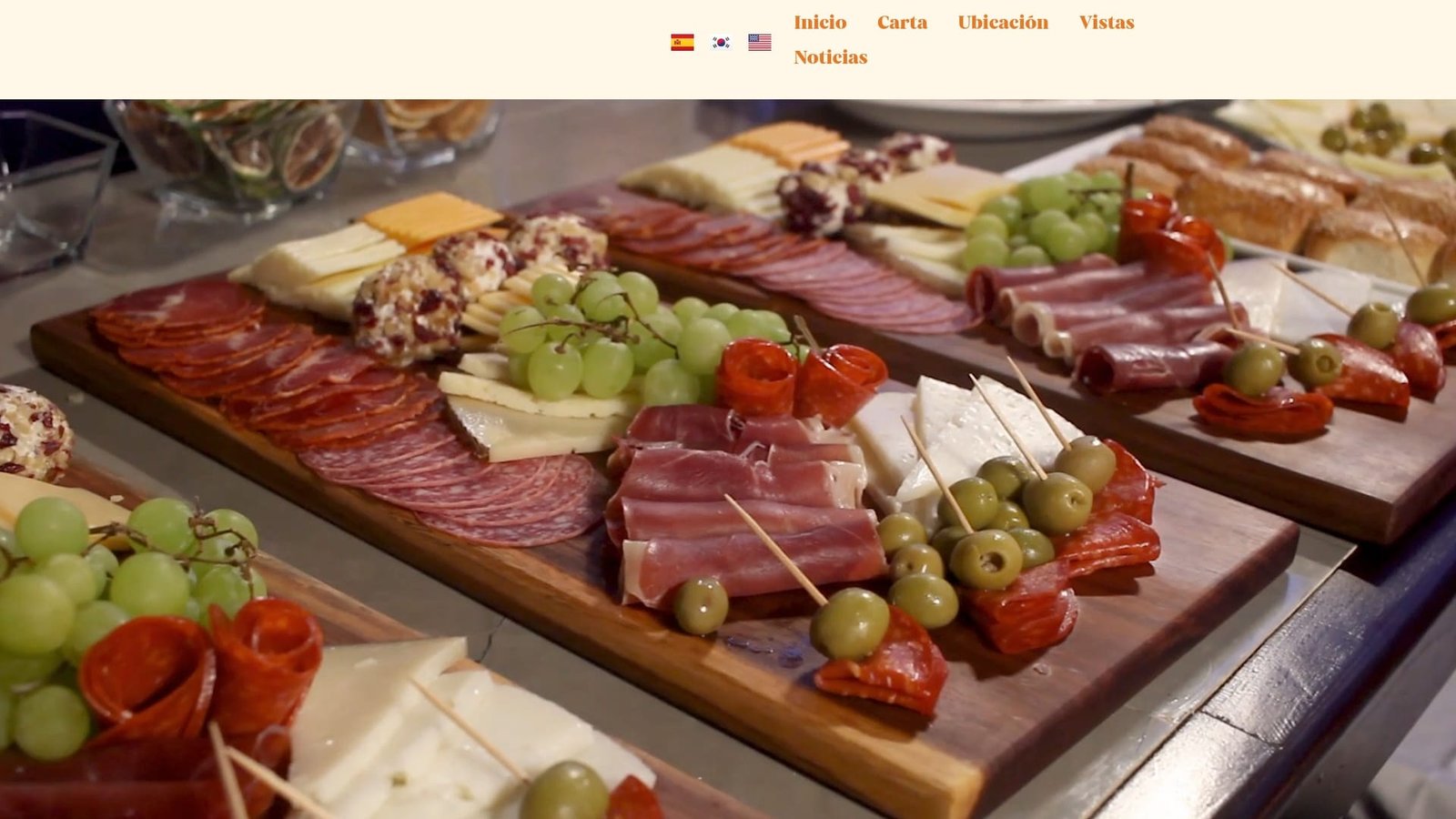
The seafood paella is built for sharing and scales cleanly for groups, and if your table includes guests who’d rather skip seafood entirely, the meat paella and vegetable paella sit on the same menu without forcing a compromise. For celebrations, ask about pre-ordering whole fish or a set menu when you book so the kitchen can pace your table properly. Reserve a table at Kokcha and run this checklist yourself.
Sources
- How to choose sustainable seafood | NPR
- How to order the best seafood in Spain | View From La Vila
- Seafood restaurant red flags from a chef | Business Insider