A seafood menu checklist is a planning and evaluation tool that keeps your menu organized, compliant, and genuinely appealing. At its core, it covers six areas: seafood types and sourcing, allergen labeling, pricing strategy, food safety documentation, seasonal availability, and beverage pairing. Restaurant owners and caterers who work from a structured checklist catch gaps before service, not during it.
Here is what a solid checklist for seafood dishes covers at a glance:
- Species selection (fin fish, shellfish, molluscs, cephalopods)
- Supplier approval and traceability documentation
- Allergen declarations for fish, crustaceans, and molluscs
- Temperature storage requirements for fresh and frozen product
- Pricing tiers across everyday and premium items
- Seasonal sourcing calendar
- Complementary dishes and beverage pairings
- Menu design format and visual layout
Table of Contents
- What your seafood menu checklist must include
- How to design a seafood menu that actually works
- Food safety and compliance: what your checklist cannot skip
- Key Takeaways
- Kokcha brings the Mediterranean seafood menu to life
What your seafood menu checklist must include
Strong seafood menu planning starts with species variety. A well-built menu balances fin fish and shellfish across price points and cooking methods. Classic items like grilled salmon, lobster bisque, shrimp scampi, crab cakes, clam chowder, and oysters Rockefeller appear on high-performing seafood menus for a reason: they cover texture, temperature, and flavor range in one pass.
Sourcing standards belong on every checklist. Your supplier list should include approved vendors with documented catch areas, species names (commercial and scientific), and production method (wild-caught or farmed). EU traceability rules now require batch-level records linking every delivery to its FAO catch zone and catch method, effective January 2026.
Pricing strategy is where many operators leave money on the table. Structure your menu with entry-level items (calamari, mussels, shrimp appetizers), mid-tier mains (salmon, sea bass), and premium anchors (lobster, whole fish). Seafood appetizers like crab rangoon and mini crab cakes work well as accessible entry points that lift average check size without intimidating guests.

Allergen labeling is mandatory under EU Regulation 1169/2011. Fish, crustaceans, and molluscs are three separate allergen categories, each requiring independent declaration on your menu. For non-prepacked restaurant dishes, allergen information must be available to the guest even when full ingredient lists are not required.
Menu balance matters beyond species count. Pair heavier shellfish dishes with lighter vegetable sides or fresh salads. Match white fish with crisp whites like Albariño or Vermentino; pair richer shellfish preparations with a dry rosé or light Chardonnay. Listing suggested pairings directly on the menu increases both perceived value and average beverage spend.
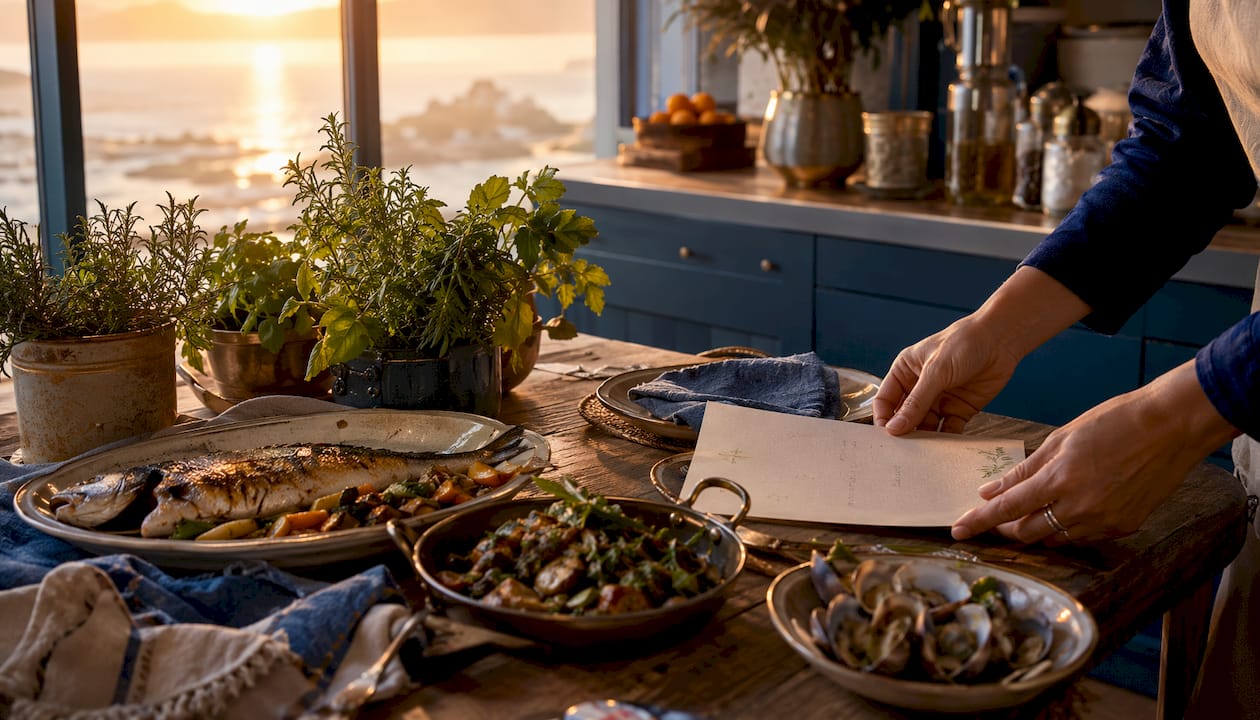
How to design a seafood menu that actually works
The format you choose depends on your dining concept. Three templates cover most situations:
Casual format: A single-page menu with sections for starters, mains, and sides. Keep descriptions short (two lines maximum), list the allergen categories at the bottom, and rotate seasonal specials as inserts rather than reprinting the full menu each quarter.
Fine dining format: A multi-course structure with a dedicated seafood section or a tasting menu built around a single species or regional catch. Include the catch origin and production method for each item. Guests at this price point expect that detail, and transparent origin labeling builds credibility that generic descriptions cannot.
Event or catering format: A platter-centered layout works best. Shellfish platters built around oysters, crab legs, steamed shrimp, lobster, clams, and mussels served chilled on ice are crowd-tested and operationally manageable at scale. Pair with two or three hot options (grilled fish skewers, seafood paella) to cover temperature preference.
For local seafood specialties, lean into what your region actually produces. Central European operators sourcing from the Adriatic or Mediterranean markets should feature local bream, sea bass, and octopus alongside more familiar salmon and shrimp. A Spanish-style seafood approach integrates these regional species naturally into a menu that feels specific rather than generic.
Pro Tip: Build your menu template in a format that separates the fixed structure from the variable content. That way, seasonal updates take minutes instead of a full redesign.
For sustainable sourcing guidance in 2026, prioritize suppliers who can provide MSC certification or equivalent documentation. Guests increasingly notice, and regulators increasingly require it.
Food safety and compliance: what your checklist cannot skip
Standard food hygiene protocols miss seafood-specific hazards like histamine formation and parasite control. Your HACCP plan needs to address these separately from your general food safety procedures.
Key compliance checklist items for seafood:
- Parasite control: Wild-caught fish served raw (sushi, ceviche, tartare) must be frozen to -20°C for 24 hours to kill Anisakis. Document this with freezer logs or supplier certificates.
- Temperature limits: Fresh fish should arrive and be stored at 0–2°C. Frozen product must stay at -18°C or below. These are tighter than the limits used for meat.
- Histamine risk: Tuna, mackerel, sardines, and anchovies form histamine when temperature control fails. Histamine survives cooking, so the cold chain is the only control.
- Vibrio and norovirus: Bivalves (oysters, mussels, clams) must come from approved harvesting areas classified by the relevant food safety authority.
- Traceability records: Every batch needs a batch ID, FAO catch zone, catch method, species code, and supplier details. EU regulations require this to be digitally available and transferable.
- Cross-contamination: Fish, crustaceans, and molluscs are three independent allergen categories. Use dedicated prep surfaces or strict time-separation protocols, not just glove changes.
- Signed daily logs: Regulatory guidance requires temperature monitoring records signed by both staff and a responsible manager. Environmental Health Officers check these routinely.
Pro Tip: Keep a separate parasite control log for every raw fish dish on your menu. A single signed entry per batch, noting the species, freeze date, and temperature reached, is enough to satisfy an inspection.
Key Takeaways
A complete seafood menu checklist covers species variety, allergen labeling, traceability documentation, temperature controls, and pricing structure, with signed daily logs as the compliance backbone.
| Point | Details |
|---|---|
| Allergen labeling | Fish, crustaceans, and molluscs are three separate EU allergen categories, each declared independently. |
| Temperature control | Fresh seafood stored at low temperatures suitable for preservation; frozen products kept at appropriate subzero temperatures; raw fish dishes require pre-freezing to sufficiently low temperatures for a set duration to kill parasites. |
| Traceability records | Every batch needs a batch ID, FAO catch zone, catch method, and supplier details under 2026 EU rules. |
| Menu design format | Match your template to your concept: single-page for casual, multi-course for fine dining, platter-led for events. |
| Kokcha | Kokcha’s Mediterranean seafood menu in Barcelona demonstrates how local species, transparent sourcing, and seasonal variety translate into a checklist-ready offering. |
Kokcha brings the Mediterranean seafood menu to life
Planning a seafood menu on paper is one thing. Seeing it executed well is another. Kokcha, located steps from the Sagrada Familia in Barcelona, runs a Mediterranean menu built around exactly the principles this checklist covers: local species, seasonal sourcing, clear allergen information, and dishes that range from seafood tapas to a full seafood paella served on the terrace.
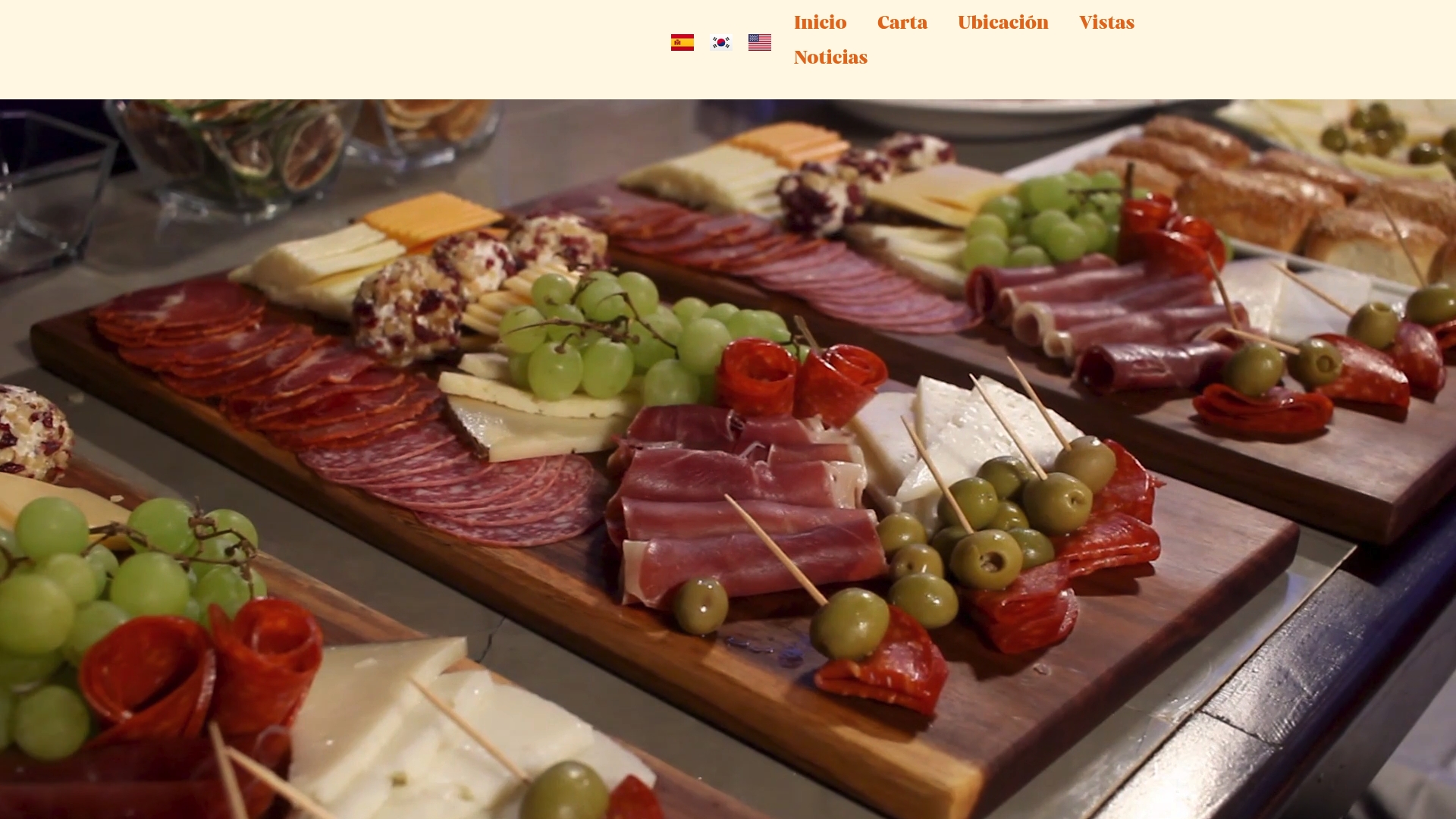
If you are building or refining your own seafood menu, Kokcha’s approach to Mediterranean seafood dishes offers a working reference point for what a well-structured, guest-ready seafood offering looks like in practice. Visit Kokcha in Barcelona to see the 2026 menu and draw inspiration for your own checklist-driven planning.