A successful group dining workflow in Barcelona is defined as the coordinated process of planning, communicating, pre-ordering, and executing a group meal from first contact through final service. Most groups underestimate how much coordination this requires. Personalized communication and guided consultation are the backbone of every well-run group event, especially in a city where dining culture is as layered as Barcelona’s. Tools like Creventa (group dining pre-order software) and venues like Generation B have made this process far more structured. Still, allergen mismanagement and service bottlenecks remain the two most common failure points for groups that skip the planning phase.
What does a group dining workflow in barcelona actually require?
The foundation of any Barcelona group dining event is defining your event scope before you contact a venue. You need to know your guest count, your preferred service format (tapas sharing versus plated courses), and your dietary requirements before any meaningful conversation with a restaurant can happen. Standard group event workflows begin with a consultation that locks in these four parameters: event type, guest count, service format, and dietary needs.
Barcelona venues offer a wide variety of formats that directly shape your workflow. Rooftop terraces require different timing and service logistics than enclosed private rooms. Beachside seafood spots operate on a more relaxed Mediterranean pace than city-center event spaces. Knowing which format fits your group’s mood and purpose saves significant back-and-forth with the venue coordinator.
Here are the core prerequisites every group organizer should confirm before booking:
- Guest count and seating plan: Confirm the exact number and whether the group will sit together or across multiple tables.
- Service format: Decide between sharing plates, set menus, or fully plated individual courses.
- Dietary and allergen data: Collect this from guests before contacting the venue, not after.
- Venue features needed: Private room, outdoor terrace, sound system, AV equipment.
- Pre-order capability: Ask whether the venue supports digital pre-orders or requires manual collection.
Pre-order software like Creventa allows hosts to invite guests to select meals online with automatic allergen capture. This removes the most error-prone step in the entire process. Venues that use integrated booking engines with multi-table pre-order support can turn a logistical headache into a smooth operation.
Pro Tip: Send a short digital form to your guests at least two weeks before the event. Ask for meal preferences and allergen information in the same form. This single step eliminates the most common source of day-of chaos.
How do you execute a group dining workflow step by step?
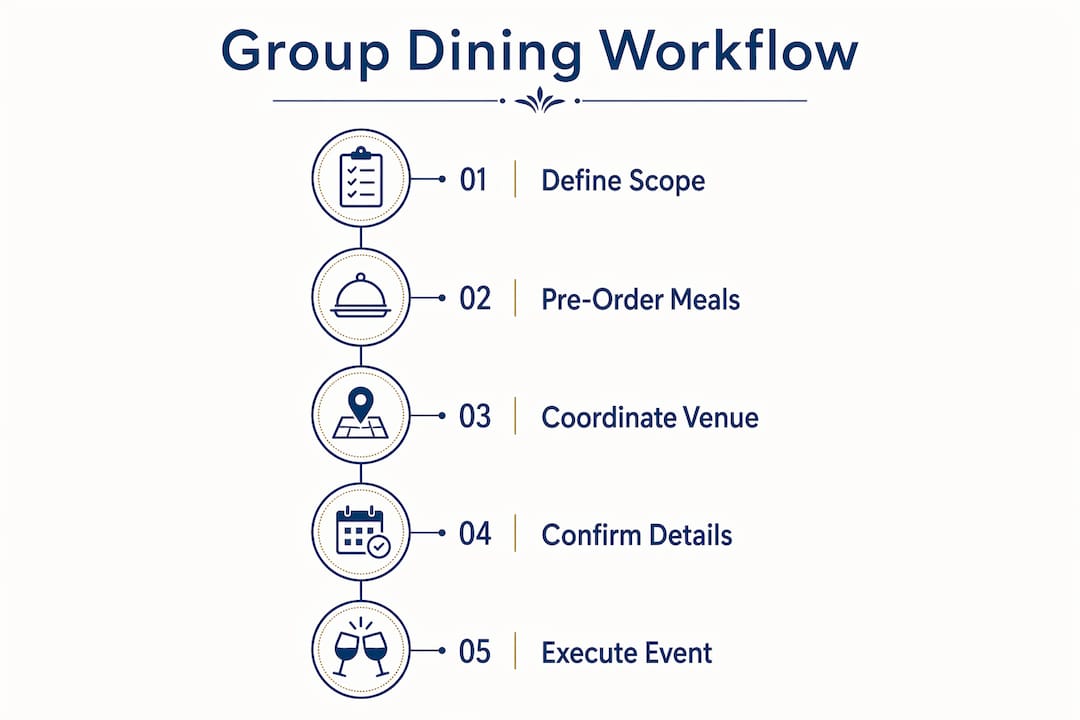
Execution follows a clear sequence. Skipping any step creates compounding problems later. Here is the full process, from first contact to post-event review:
-
Initial consultation. Contact the venue and define your event parameters: guest count, date, service format, and budget. Ask specifically about private dining options and whether an event coordinator will be assigned to your booking.
-
Menu communication and pre-orders. Share menu options with your guests digitally. Collecting pre-orders via software rather than email chains reduces errors and gives the kitchen a confirmed production list days in advance.
-
Allergen management. Do not leave this to the day of the event. Automated allergen capture through pre-order platforms flags conflicts before they reach the kitchen. Underestimating dietary disclosure is the single most cited cause of service delays in group dining.
-
Front-of-house and kitchen coordination. Share the confirmed pre-order list with both the kitchen team and the floor manager at least 48 hours before the event. Group dining requires integrated kitchen and front-of-house coordination to prevent bottlenecks during service.
-
Day-of operations. Arrive early to confirm seating arrangements, check that the pre-order list matches the kitchen’s production sheet, and brief the floor team on any last-minute changes. Timing is especially important in Barcelona, where a relaxed dining pace is expected but service still needs to stay on schedule for large groups.
-
Post-event review. Collect feedback from your group within 24 hours. Ask what worked and what felt slow or disorganized. This data improves every future event you plan.
Pro Tip: Ask the venue for a printed seating chart with each guest’s pre-ordered meal noted by seat. Servers can deliver courses without asking, which speeds up service and impresses guests.
What common challenges occur in group dining workflows?
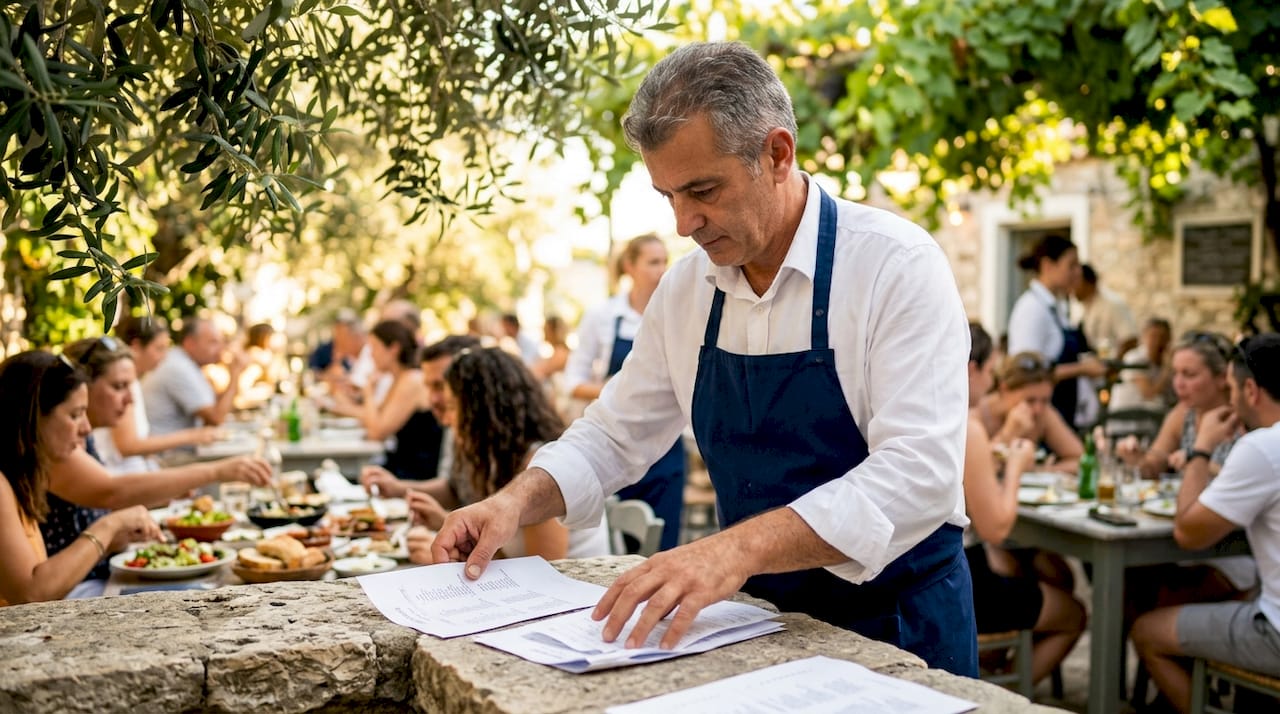
Manual management systems cause order mismatches and allergen oversights at a rate that surprises most first-time group organizers. Phone calls and email threads are the primary culprits. A single misread email can mean a guest with a nut allergy receives the wrong dish, or that the kitchen prepares 12 fish courses when 15 were ordered.
The most frequent problems in group dining workflows fall into three categories:
- Mismatched orders: Occur when pre-orders are collected manually and transcribed by hand. A digital pre-order system eliminates transcription errors entirely.
- Forgotten allergens: Happen when dietary data is collected late or stored in a format the kitchen cannot easily reference. Automated allergen capture solves this at the collection stage.
- Service bottlenecks: Result from poor synchronization between the floor team and the kitchen. When the kitchen fires all courses at once without a coordinated floor plan, tables receive food at different times and the experience breaks down.
Contingency planning matters more than most organizers realize. Build a 15-minute buffer into your event timeline for seating delays. Designate one person in your group as the point of contact for the venue coordinator. Structured booking workflows reduce errors by shifting the team from reactive problem-solving to proactive preparation. That shift is the difference between a memorable event and a frustrating one.
For groups using Barcelona dining reservations platforms or third-party booking tools, always confirm directly with the venue that your pre-order data has been received and reviewed. Platform confirmations do not always reach the kitchen team automatically.
How does barcelona’s dining culture shape group event planning?
Barcelona’s Mediterranean dining culture emphasizes sharing plates and a relaxed pace, and this directly affects how group workflows are structured. A tapas-style sharing format suits the local culture well, but it requires a different coordination model than plated service. Dishes arrive in waves rather than simultaneously, which means the kitchen and floor team need a clear sequence agreed upon in advance.
The table below shows how different Barcelona venue types affect workflow decisions:
| Venue Type | Service Format | Key Workflow Consideration |
|---|---|---|
| Rooftop terrace | Sharing plates or cocktail | Weather contingency plan required |
| Private dining room | Plated courses or set menu | Pre-order list critical for kitchen timing |
| Beachside restaurant | Sharing seafood | Relaxed pace; build in extra time |
| City-center event space | Flexible | AV and seating logistics more complex |
| Neighborhood restaurant | Tapas sharing | Informal; allergen management still required |
Group dining in Barcelona blends traditional local sharing customs with modern event management practices, and the best organizers treat both as equally important. Ignoring local customs creates friction. Ignoring modern workflow tools creates chaos. The strongest events combine both.
Personalizing the menu to reflect local ingredients and seasonal dishes also raises guest satisfaction. Personalized menus that incorporate guest preferences produce smoother logistics and better reviews than generic set menus. Venues near landmarks like the Sagrada Familia attract international groups with diverse dietary backgrounds, which makes allergen management even more critical in that part of the city.
Key takeaways
A well-executed group dining workflow in Barcelona requires pre-orders, allergen management, and venue coordination to be locked in before the event day arrives.
| Point | Details |
|---|---|
| Define scope first | Confirm guest count, service format, and dietary needs before contacting any venue. |
| Use pre-order software | Tools like Creventa capture allergens automatically and reduce kitchen errors. |
| Coordinate both teams | Share the confirmed pre-order list with the kitchen and floor manager 48 hours ahead. |
| Match workflow to venue type | Rooftop terraces, private rooms, and beachside spots each require different timing models. |
| Embrace local dining culture | Barcelona’s sharing-plate tradition shapes service pacing; plan your timeline accordingly. |
What i’ve learned coordinating group events in barcelona
Most organizers I’ve worked with make the same mistake: they treat group dining like a large reservation rather than a small event production. Those are fundamentally different things. A reservation requires a date and a headcount. An event production requires a brief, a pre-order list, a seating chart, and a coordinated team.
The technology piece is genuinely underused. Automated pre-orders accelerate service and increase per-table revenue, yet most groups still collect meal choices over WhatsApp. That approach works for eight people. It fails at twenty. The moment you cross fifteen guests, you need a system, not a chat thread.
What I find most interesting about Barcelona specifically is that the cultural expectation of a relaxed meal actually works in the organizer’s favor. Guests are not watching the clock the way they might in other cities. That gives you a small buffer when things run slightly behind. But do not rely on that buffer. Use it as insurance, not as a plan.
The organizers who run the best events are the ones who over-communicate with the venue before the day and then step back and let the team work. Micromanaging the floor on the day of the event creates confusion. Your job ends when the briefing is complete. After that, trust the process you built.
— YellowRock
How Kokcha supports your barcelona group dining plans
Groups looking for a venue that handles the workflow complexity for them will find Kokcha well-suited to the task. Located steps from the Sagrada Familia, Kokcha offers Mediterranean menus built around sharing formats, with options ranging from grilled langostinos to seafood paella, all adaptable to group pre-order formats. The terrace with views of the Sagrada Familia adds a setting that requires no decoration budget from the organizer.
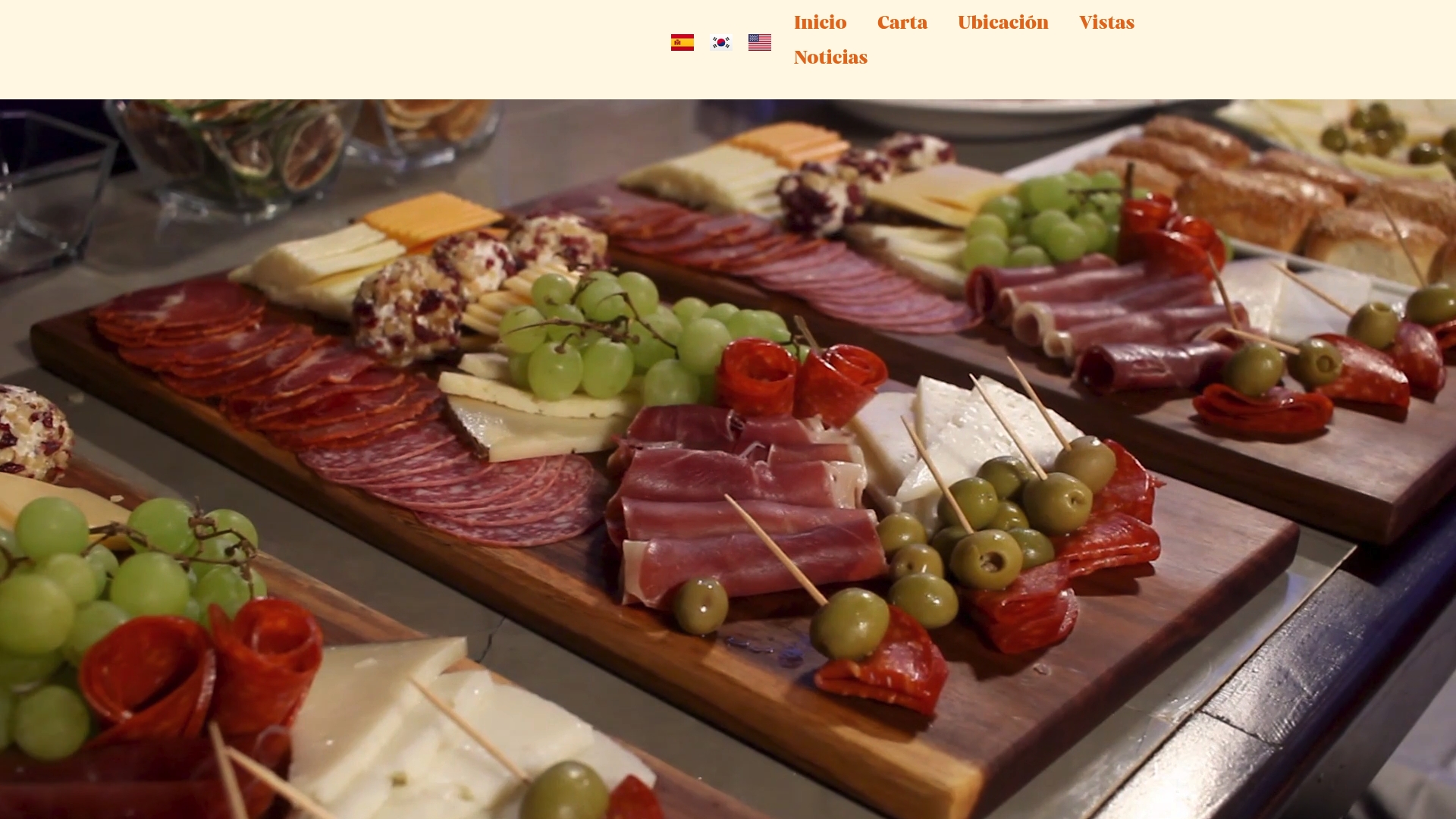
Kokcha’s team handles large bookings with a structured approach to seating, timing, and menu customization. For groups planning special occasion dining in Barcelona, Kokcha provides the venue infrastructure and culinary range to match any event format, from corporate dinners to birthday celebrations. Reach out directly to discuss your group’s specific needs and confirm availability.
FAQ
What is a group dining workflow?
A group dining workflow is the coordinated process of planning, pre-ordering, and executing a group meal, covering guest communication, allergen management, and kitchen-to-floor coordination. It differs from a standard reservation by requiring structured event management from start to finish.
How far in advance should i book group dining in barcelona?
Book at least three to four weeks in advance for groups of fifteen or more. This gives the venue time to assign a coordinator, configure a seating plan, and open pre-order collection for your guests.
What is the best service format for large groups in barcelona?
Sharing plates aligned with Barcelona’s Mediterranean tradition work well for social events, while set menus with pre-orders suit corporate dinners or events with strict timing. Your choice should match both the event purpose and the venue’s kitchen capacity.
How do i manage dietary restrictions for a large group?
Use a digital pre-order tool that captures allergen data automatically at the point of selection. Sending a form to guests two weeks before the event gives the kitchen enough lead time to prepare safely and accurately.
Does barcelona’s dining culture affect group event timing?
Yes. The local expectation of a relaxed, multi-course meal means service pacing is slower than in northern European cities. Build extra time into your event schedule, especially if you are combining dining with speeches or presentations.