Few experiences are more frustrating than visiting one of the world’s great food cities and ending up eating a mediocre burger near a famous landmark. Barcelona has a meat tradition that stretches back centuries, but if you stay within the tourist bubble around major attractions, you will likely never taste it. This guide cuts through the noise and shows you exactly which dishes to seek out, how to recognize them on a menu, and how to avoid the generic traps that swallow most visitors whole. Whether you have one dinner or a full week, these are the flavors worth planning your meals around.
Table of Contents
- How to spot authentic meat dishes in Barcelona
- Classic meat dishes every visitor should try
- Sea-and-mountain fusion: Mar i muntanya and beyond
- Barcelona meat dishes at a glance: Classics vs. hybrids
- Choosing where to eat: Local tips for meat lovers
- Why most tourists miss Barcelona’s boldest meat flavors
- Discover and taste Barcelona’s authentic meat dishes yourself
- Frequently asked questions
Key Takeaways
| Point | Details |
|---|---|
| Seek local classics | Traditional meat dishes like escudella i carn d’olla deliver authentic Catalan flavors. |
| Try fusion specialties | Barcelona blends mountain meats and seafood for bold combinations such as mar i muntanya. |
| Step off the tourist trail | Exploring just beyond main attractions uncovers menus with true local meat options. |
| Compare dishes | Understand the differences between pure classics and fusion to enhance your dining experience. |
| Choose authentic venues | Restaurants with locals and specialty Catalan dishes promise a genuine Barcelona food adventure. |
How to spot authentic meat dishes in Barcelona
The first and most useful skill you can develop as a food lover in Barcelona is menu literacy. Authentic Catalan meat dishes have names you can learn in advance, and spotting them on a menu tells you immediately that a kitchen is serious about local tradition. Words like escudella, fricandó, butifarra, and pilota signal that a restaurant respects the canon.
Here is what separates a genuine Catalan meat experience from a tourist shortcut:
- Named Catalan dishes appear on the menu. Not just “stew” or “grilled sausage,” but their actual names with brief descriptions.
- The menu distinguishes between land and sea dishes. Restaurants that understand the local cuisine separate classic meat stews from the sea-and-land fusion category called mar i muntanya.
- Seasonal specials are posted. A kitchen using local butchers will rotate dishes based on what is available, especially in fall and winter.
- The bread basket comes with pa amb tomàquet. This small detail, bread rubbed with ripe tomato and olive oil, signals a kitchen that respects Catalan basics.
- Locals are sitting down. Not just tourists with cameras, but people in work clothes eating lunch.
Tourist-heavy menus near major attractions frequently strip traditional recipes of their complexity. A real fricandó takes hours to cook and uses dried moixernons mushrooms. A shortcut version is just veal in brown sauce. The difference matters enormously to the palate.
Choosing a restaurant near Sagrada Familia is a genuine skill, and the single most practical advice comes from sources focused on authentic dining in the area: walking a few minutes from the main attraction entrance dramatically increases your chances of finding real Catalan cooking rather than a laminated picture menu.
Pro Tip: Before you sit down, spend 90 seconds reading the full menu on the door. If the meat section lists only “grilled chicken,” “beef steak,” and “pork ribs” without any Catalan names, keep walking.
Classic meat dishes every visitor should try
With your criteria set, here are the unmissable classics to look for when searching for genuine meat dishes across Barcelona.
Escudella i carn d’olla is the cornerstone of Catalan meat cooking. The dish is actually a two-course experience: the broth served first, followed by a platter of slow-cooked meats, vegetables, and chickpeas called carn d’olla. This format, broth then meat, is how Catalan families have eaten for generations. The star protein in the second course is the pilota, a large herbed meatball made from ground pork, garlic, parsley, egg, and breadcrumbs. It is dense, fragrant, and nothing like the meatballs you may have eaten elsewhere.
Escudella i carn d’olla is the dish to order in winter, particularly around Christmas. Many restaurants serve it only from November through February, so if you visit during that window, prioritize it above everything else.
“Escudella i carn d’olla is a celebration of patience. Every component has been simmering together for hours, and what arrives at the table is the result of a kitchen that refuses to rush.”
Fricandó deserves far more international recognition than it gets. This is a veal stew built on a base of sofregit, which is slowly caramelized onion and tomato, enriched with dried wild mushrooms. The result is deeply savory and slightly sweet, with a sauce that coats the back of a spoon. It is a home-cooked staple in Catalan households and appears on restaurant menus that cater to locals rather than tourists. Order it for lunch, when Spanish kitchens are at their best.
Butifarra a la brasa is the everyday hero of Catalan meat eating. Butifarra is a fresh pork sausage seasoned simply with salt and black pepper, grilled over charcoal until the skin blisters and the inside stays juicy. It typically arrives beside white beans dressed in olive oil. The simplicity is the point. You can find versions on the authentic Mediterranean menu at restaurants that take their grilling seriously, and you will quickly understand why locals eat it weekly.
Other essential classics worth trying include:
- Llom de porc (pork loin): often marinated in garlic and herbs, then roasted or grilled
- Conill amb all i oli (rabbit with garlic mayonnaise): a rural Catalan staple still found in traditional restaurants
- Pollo al ast (rotisserie chicken): Barcelona has a long tradition of rotisserie shops, and the birds are often seasoned with lemon and paprika
You can check the full local menu at restaurants near your accommodation to see which of these appear before you even arrive.
Sea-and-mountain fusion: Mar i muntanya and beyond
Barcelona’s meat dishes aren’t limited to strictly land-based fare, as the region is renowned for its seamless fusion of seafood and meats. This is where Barcelona’s geography becomes its cuisine.
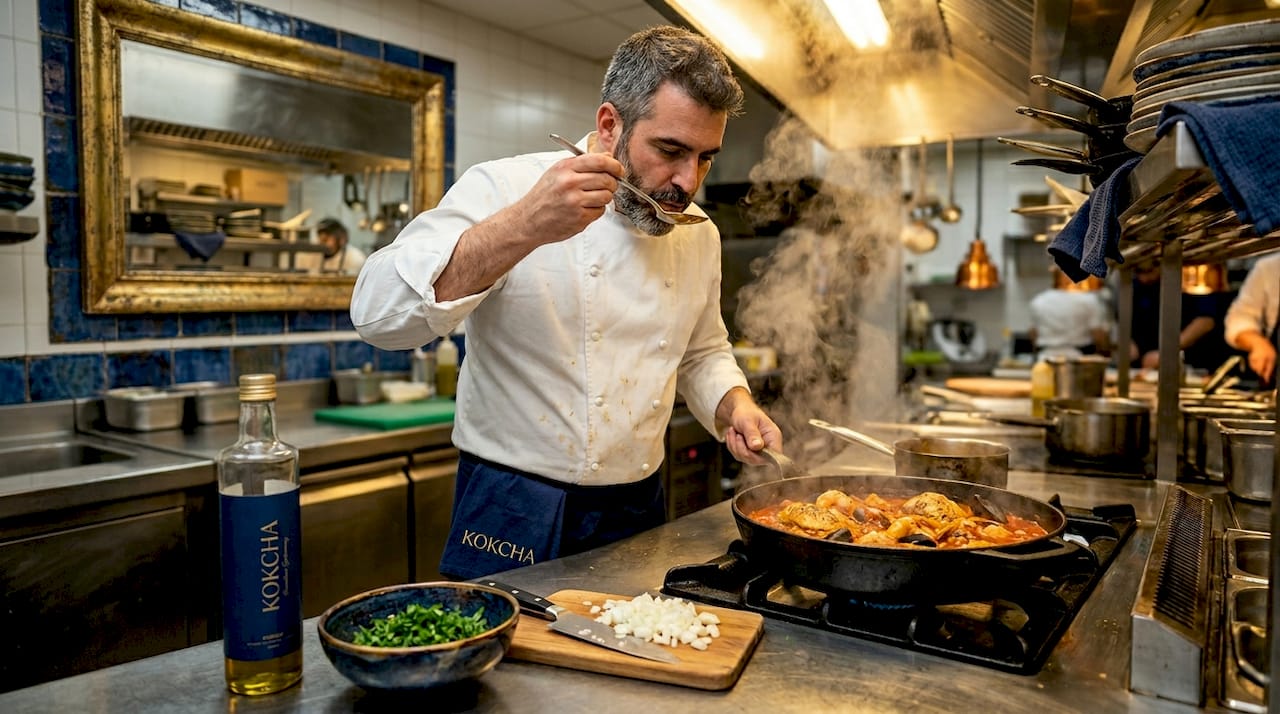
Mar i muntanya, which translates directly as “sea and mountain,” is the Catalan answer to the concept now widely called surf-and-turf, though the Catalan version predates that term and is considerably more nuanced. The dish reflects the reality of Catalonia’s landscape: the mountains of the interior meet the Mediterranean coast within a short distance, and for centuries, cooks have combined ingredients from both worlds in a single pot.
The most celebrated version pairs shrimp and beef meatballs in a rich tomato-based sauce, thickened with a Catalan preparation called picada. A picada is made by grinding together toasted almonds or hazelnuts, garlic, fried bread, and sometimes saffron or chocolate. It adds body and a subtle earthiness that you simply cannot replicate with cream or flour.
- Start with the sauce base. A classic sofregit of onion and tomato cooked low and slow for at least 45 minutes.
- Brown the meat elements first. Meatballs or chicken pieces are seared until golden before entering the sauce.
- Add seafood in the final minutes. Shrimp, crayfish, or clams go in last so they do not overcook.
- Finish with picada. Stirred in at the end to thicken and deepen the sauce.
The genius of mar i muntanya is that the fat from the meat enriches the shellfish, and the brine of the shellfish brightens the meat. Neither ingredient dominates. When asking for “meat dishes” in Barcelona, it helps to separate Catalan classics from sea-and-land hybrids, because both belong on your itinerary but for different reasons.
Pro Tip: If you see pollastre amb llagosta (chicken with lobster) on a menu, order it without hesitation. It sounds strange, tastes extraordinary, and is one of the most distinctively Catalan dishes you will ever encounter.
Barcelona’s Mediterranean themed restaurants often feature mar i muntanya as a centerpiece dish because it tells the story of the city’s culinary identity better than almost anything else.
Barcelona meat dishes at a glance: Classics vs. hybrids
To make your choices even easier, compare at a glance the core features of classic and fusion meat dishes popular throughout Barcelona.
Understanding the full meat cuisine spectrum in Catalonia means seeing where each dish sits between pure land cooking and coastal fusion. This table gives you a quick reference whether you are planning a first visit or returning to try something new.
| Dish | Main ingredients | Best season | Dining context | Key flavor note |
|---|---|---|---|---|
| Escudella i carn d’olla | Pork, veal, chicken, chickpeas | Winter | Formal lunch or family dinner | Rich, slow-cooked broth |
| Fricandó | Veal, dried mushrooms, tomato | Fall/Winter | Weekday lunch | Deep, earthy, savory |
| Butifarra a la brasa | Fresh pork sausage, white beans | Year-round | Casual dinner or tapas | Smoky, simple, satisfying |
| Pilota (meatball) | Ground pork, garlic, parsley | Winter | Part of escudella | Herbed, dense, aromatic |
| Mar i muntanya | Chicken or meatballs, shrimp, tomato | Year-round | Sharing at dinner | Savory-sweet, coastal |
| Pollastre amb llagosta | Chicken, lobster, picada | Year-round | Celebration meal | Luxurious, complex |
This table is your ordering cheat sheet. For a hearty winter lunch, go with fricandó or a full escudella. For something lighter but still distinctly Catalan, butifarra with beans never disappoints. For a showstopping sharing plate, look for dining near Sagrada Familia restaurants that feature mar i muntanya on their dinner menu.
Choosing where to eat: Local tips for meat lovers
Once you know what to eat, choosing where to enjoy these dishes makes all the difference in your Barcelona experience.
The process of finding a genuinely good meat-focused restaurant near a busy attraction like Sagrada Familia follows a clear logic. Here is a step-by-step approach that works:
- Start your search before you leave your hotel. Look at menus online. Any restaurant worth eating at will post its full menu, not just a price range.
- Check for Catalan dish names. If you see fricandó, escudella, or butifarra on the menu, that is a strong signal.
- Ask your hotel for a local recommendation. Not the tourist desk, but the person at the front who actually eats lunch nearby.
- Walk at least three to five minutes from the monument entrance. Sources focused on authentic dining near major Barcelona attractions consistently recommend this single step as the most effective way to leave the tourist bubble.
- Arrive at peak local lunch hours. In Barcelona, locals eat lunch between 2:00 p.m. and 4:00 p.m. If a restaurant fills up in that window, it is a reliable signal.
- Look for a daily specials board. Restaurants using fresh market produce change their menu based on what came in that morning. This reflects a kitchen that cooks from scratch.
The benefits of eating near Sagrada Familia go beyond convenience. The neighborhood known as Eixample Dret has a dense concentration of Catalan restaurants catering to both visitors and the large residential population that lives there. That local customer base keeps quality honest.
Pro Tip: If a restaurant has a printed menu in six languages posted in the window but no specials board, it is optimized for tourists, not food. That is not necessarily a disaster, but you will not find the most interesting Catalan meat cooking there.
When you find your spot, do not be shy about asking the server what they recommend from the meat section today. A good server at a genuinely local restaurant will steer you toward whatever the kitchen is proudest of that day. Check where to eat near Sagrada Familia to plan your route before you go.
Why most tourists miss Barcelona’s boldest meat flavors
Here is something worth saying plainly: most visitors leave Barcelona having never tasted what makes the city’s meat cooking special. They order steak because it feels safe, or they default to paella because it is famous. The genuinely distinctive dishes sit untouched on menus all around them.
The core problem is expectation. Many travelers arrive with a mental image of “meat dish” that means a grilled cut with a sauce on the side. When they see escudella on a menu, they skip it because it sounds unfamiliar and the description mentions broth. They are not being timid. They just do not know yet that a Catalan two-course meat meal built around a slow-simmered pilota meatball is one of the most satisfying eating experiences in Europe.
The same issue applies to mar i muntanya. The idea of shrimp and meatballs in the same bowl triggers doubt rather than excitement in most people who did not grow up eating it. But the combination is not a gimmick. It reflects centuries of practical coastal cooking where you used what was available and made it delicious.
Our experience is that the guests who arrive with even a basic restaurant selection checklist and a willingness to order something unfamiliar walk away with the meals they remember for years. The guests who play it safe often cannot recall what they ate by the time they reach the airport.
Rushing through famous spots and picking the most recognizable option is not just a missed opportunity. It actively shapes what you think Catalan cooking is, and it shapes it incorrectly. The boldest, most interesting flavors in Barcelona’s meat tradition require only one thing from you: the willingness to try them.
Discover and taste Barcelona’s authentic meat dishes yourself
Inspired to taste the real thing? Here’s how to make the most of your Barcelona trip with Mediterranean meat specialties.
At Kokcha, located steps from the Sagrada Familia, we have built our menu around exactly the dishes this article covers. You can experience Mediterranean cuisine in Barcelona the way it was meant to be eaten, whether that means starting with butifarra, sharing a mar i muntanya, or exploring something you have never tried before.
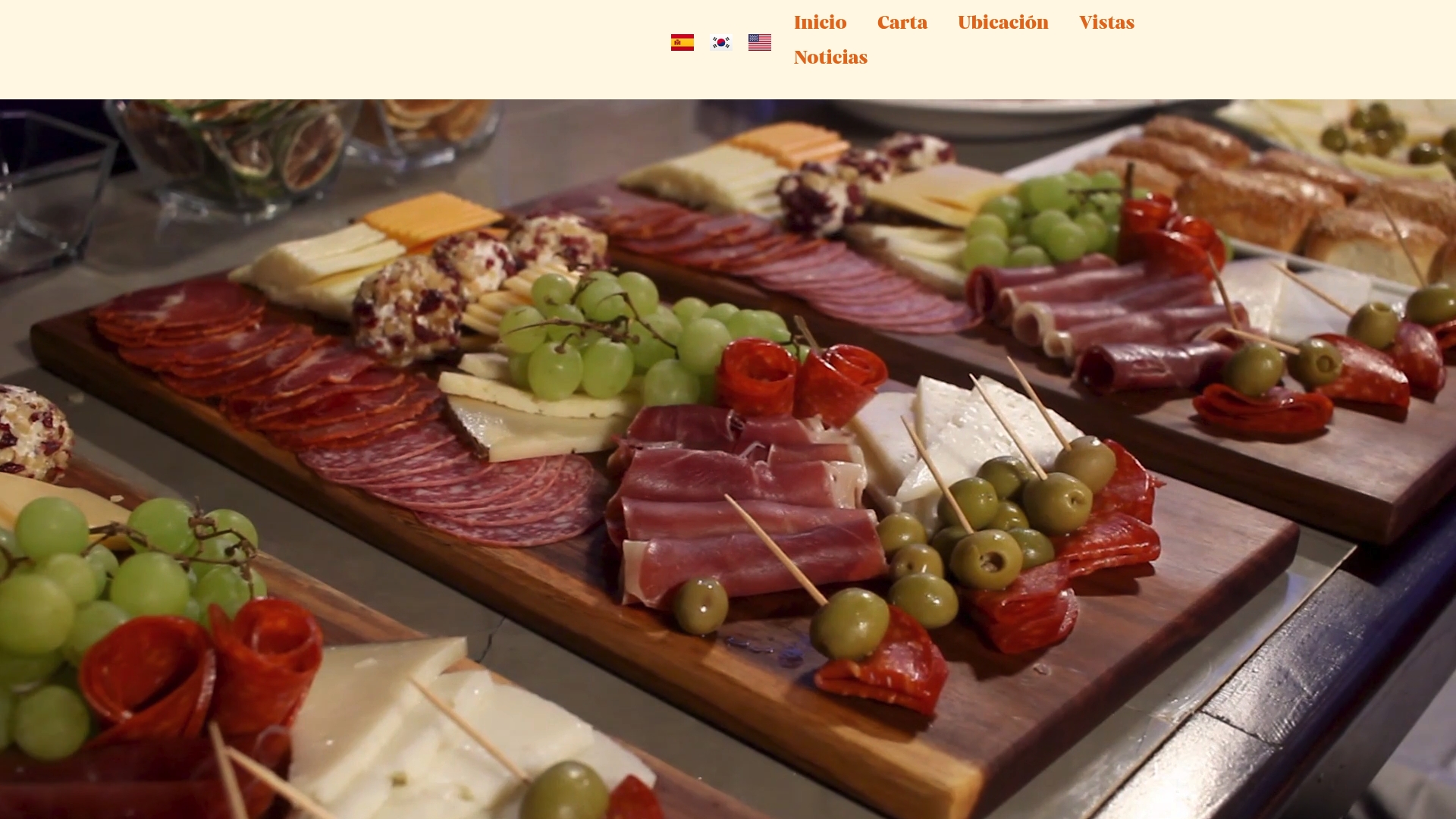
We also offer a meat-forward paella that bridges the classic and fusion worlds beautifully. Our terrace gives you an open-air Mediterranean setting while staying right in the heart of one of Barcelona’s most visited neighborhoods. If you want to turn a sightseeing day into a genuine food memory, we would love to be part of your meal.
Frequently asked questions
What is the most traditional meat dish in Barcelona?
Escudella i carn d’olla is considered Barcelona’s most traditional meat dish, served in two courses with broth first and a platter of slow-cooked meats second. It is especially popular during the winter months and Christmas season.
Where can I find authentic meat dishes near the Sagrada Familia?
Walking a few minutes away from the Sagrada Familia entrance significantly improves your chances of finding restaurants serving Catalan classics like fricandó and butifarra rather than tourist-focused menus.
Are there any meat and seafood combination dishes in Barcelona?
Yes, mar i muntanya is a Catalan tradition that pairs meats and seafood such as shrimp and beef meatballs in a tomato-based sauce thickened with picada. It is one of the most distinctive dishes in the city.
What’s the difference between a classic and a fusion meat dish?
Classic dishes focus on local meats and slow-cooked stews, while fusion dishes like mar i muntanya combine land and seafood ingredients, reflecting Barcelona’s position between mountains and coast.