Every 400 meters in Barcelona, you encounter a shop or market selling fresh local food, a density of access that few cities worldwide even come close to matching. That single fact tells you something important: this city takes food seriously, not just as fuel, but as identity, culture, and economy woven together. If you think eating local is just a trendy lifestyle choice for Instagram-friendly farmers’ markets, you’re missing a much bigger picture. From reducing your carbon footprint to tasting Catalan recipes unchanged for generations, choosing local food in Barcelona reshapes everything about how you experience the city, whether you’re visiting for a week or living here year-round.
Table of Contents
- Local food powers Barcelona’s economy and community
- Authenticity: True Mediterranean flavor and Catalan traditions
- Sustainability and health: Eating local vs. imported and ultra-processed foods
- Challenges and nuances: What makes “local” complex
- Barcelona’s local dining: Our perspective on authenticity, sustainability, and value
- Explore Mediterranean cuisine in Barcelona: Genuine flavors and experiences
- Frequently asked questions
Key Takeaways
| Point | Details |
|---|---|
| Supports local communities | Eating local boosts Barcelona’s farmers, fishermen, and preserves cultural heritage. |
| Authentic flavors | Local, seasonal ingredients deliver true Mediterranean and Catalan cuisine worth exploring. |
| Environmental and health impact | Local diets are healthier and more sustainable than imported or ultra-processed options. |
| Complexity of choices | Not all ‘local’ food is equally sustainable—be mindful of ingredients, seasonality, and chef practices. |
Local food powers Barcelona’s economy and community
When you buy a plate of grilled vegetables sourced from a Catalan farm or pick up fresh-caught anchovies at a neighborhood market, the money you spend circulates within the local economy instead of disappearing into a global supply chain. This matters in concrete, measurable ways. Local restaurants and markets that prioritize regional producers keep fishermen employed in Tarragona, support vegetable growers in the Maresme region, and fund the traditional techniques that have shaped Catalan cuisine for centuries.
As the Catalunya Pedrera Foundation highlights, food, territory, and sustainability work hand-in-hand with social missions, supporting local farmers, fishermen, and communities while preserving cultural heritage and traditional practices. This is not abstract charity. Every peseta-era recipe kept alive, every fishing method passed down through generations, survives because someone chose the local option over the cheaper import.
Beyond individual purchasing decisions, community gardens are reshaping how Barcelona residents relate to food and each other. Community gardens promote food sovereignty, boost biodiversity, and strengthen social bonds amid the pressures of urban density. In a city as densely populated as Barcelona, these green pockets do double duty: they produce real food while creating spaces where neighbors actually talk to each other.
Here is what eating local actually supports in Barcelona:
- Farmers and small producers in Catalonia’s agricultural zones who cannot compete with industrial-scale pricing without local demand
- Fishing communities along the Costa Brava and Costa Daurada, whose methods and livelihoods depend on restaurants and markets choosing fresh over frozen
- Traditional food crafts like charcuterie, artisan cheese, and cured meats that require specific local knowledge to produce properly
- Urban gardens and community growing spaces that give city residents a connection to food production and seasonal rhythms
“Local food is not just about geography. It is about relationships. When you know where your food comes from, you begin to care differently about the land and the people who tend it.”
Pro Tip: Visit the Mercat de Sant Antoni on a Sunday morning for the combination of fresh produce, secondhand books, and actual neighborhood residents doing their weekly shopping. You will learn more about real Barcelona food culture in two hours there than in a week of restaurant menus.
If you want to experience what a genuine Mediterranean dining experience looks like when it is grounded in these local supply chains, pay attention to which restaurants name their producers and explain the seasonality of their dishes. Those details are signals, not decoration.
Authenticity: True Mediterranean flavor and Catalan traditions
Seasonality is not a marketing buzzword in Barcelona. It is a survival mechanism built into Catalan cuisine over centuries. When tomatoes are not in season, a real Catalan kitchen does not use tomatoes. When spring brings tender asparagus and peas, you will find them everywhere. This rhythm is what gives authentic Mediterranean and Catalan cuisine its distinctive character, rooted in traditional recipes using native ingredients grown or caught within striking distance of the city.
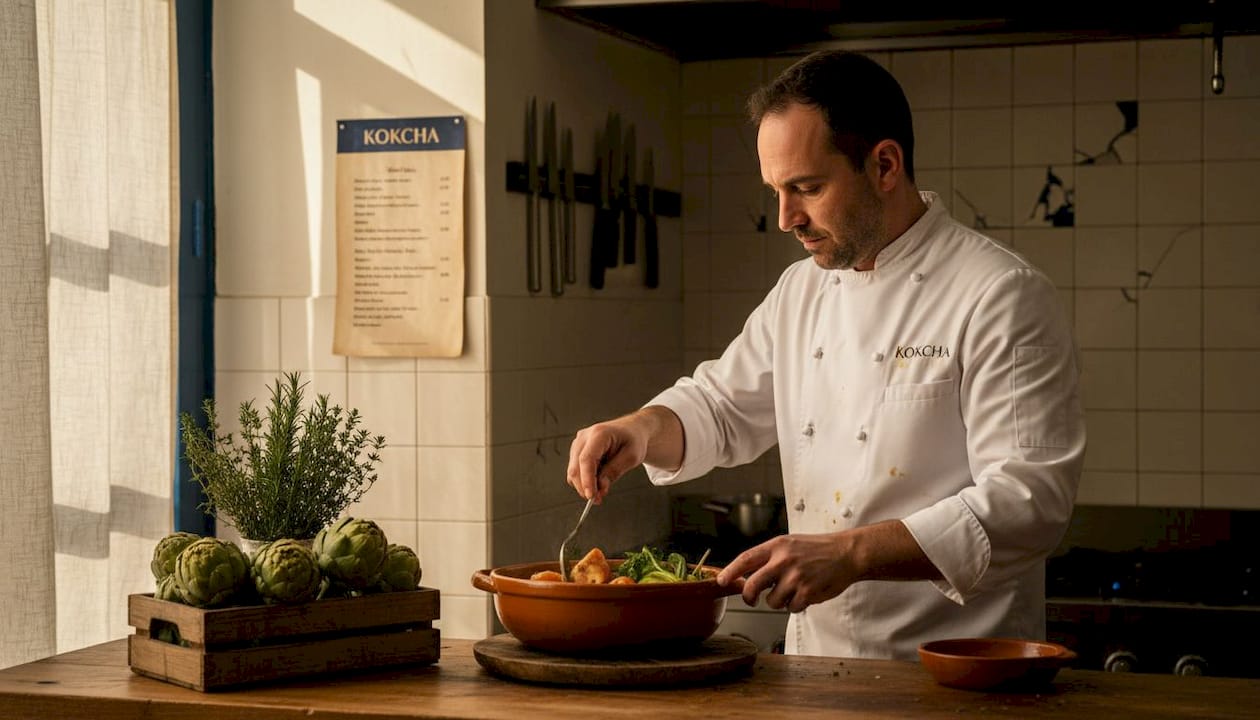
The problem is that mass tourism has created enormous pressure to serve what visitors expect rather than what is genuinely local and seasonal. This is how tourist traps work. They offer a version of paella or tapas engineered to match a postcard image, not a recipe that a Catalan grandmother would recognize.
The good news is that the markets cut through that noise. Markets like La Boqueria and Sant Antoni offer genuinely immersive, authentic experiences where you engage directly with local food culture and avoid the tourist traps that dominate many Barcelona neighborhoods. The key is knowing how to navigate them rather than just wandering in and buying the most photogenic option.
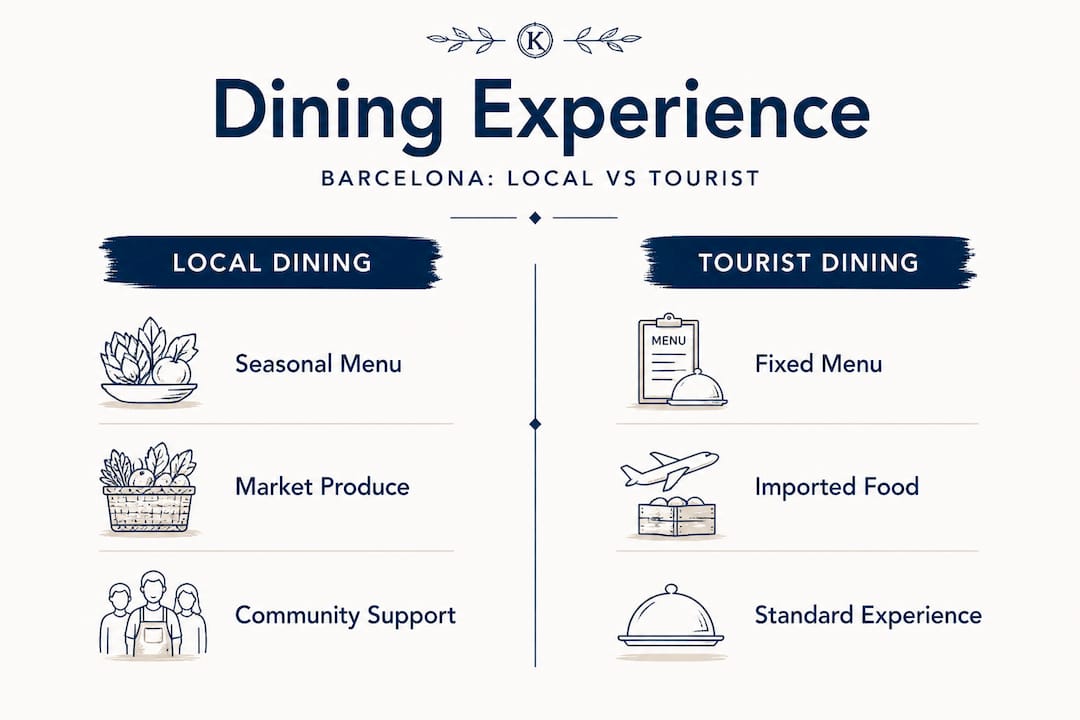
Here is a quick comparison of what you actually find when you go local versus tourist-focused in Barcelona:
| Feature | Local and seasonal dining | Tourist-focused dining |
|---|---|---|
| Menu changes | Frequently, follows harvest | Rarely, fixed for convenience |
| Ingredient origin | Named, regional | Vague or unlisted |
| Flavor complexity | High, variety-specific | Standardized |
| Price | Moderate, honest | Often inflated |
| Cultural context | Explained and meaningful | Decorative only |
The loss of local sourcing at Mercabarna, Barcelona’s central wholesale market, illustrates the scale of the challenge. Local production there dropped from 53% in 1988 to just 15% by 2023, while import reliance jumped from 8% to 28%. What you taste on a plate reflects those numbers directly. When a restaurant can no longer source local tomatoes at competitive prices, it substitutes with imports, and the flavor, the texture, and the story all change.
Exploring typical Barcelona dishes with this context in mind changes your appreciation entirely. You are not just eating food. You are reading the history of a city’s relationship with its land, its sea, and its people.
The fresh seasonal ingredients you encounter at their peak in Barcelona are genuinely different from what you find elsewhere. A spring onion from the Calçot harvest season, a summer fig from a Catalan tree, or a winter escudella (traditional Catalan stew) made with properly aged pork are not experiences you can replicate with substitute ingredients.
Sustainability and health: Eating local vs. imported and ultra-processed foods
Barcelona’s urban design gives residents remarkable access to fresh food. The city’s planning ensures that fresh local food options exist within every 400 meters of most residents’ homes, a deliberate structure meant to combat food deserts and make healthy choices the default rather than the exception.
Despite that infrastructure advantage, 89% of Greater Barcelona’s population still lives surrounded by ultra-processed food options. Convenience wins unless people actively choose otherwise. This is not a personal failure. It is a design problem compounded by price signals that make imported and processed foods artificially cheap.
The environmental case for eating locally in Barcelona is backed by real data. Research on Mediterranean diet emissions shows that local and seasonal diets generate roughly 3.54 kg of CO2 per day, significantly lower than animal-heavy diets. Vegan variants of the Mediterranean diet cut greenhouse gas emissions (GHGE) by 46 to 54% compared to standard patterns. Animal products alone account for 29% of meat and 16% of fish contributions to health and environmental burden.
Here is how to identify genuinely local options when you are eating out or shopping in Barcelona:
- Ask about the origin directly. If staff cannot tell you where the fish or vegetables came from, that is information in itself.
- Look for menus that change weekly or monthly. Static menus with identical offerings year-round almost certainly rely on imports.
- Check for Denominació d’Origen (DO) labels on wines, cheeses, and oils. These certifications guarantee geographic and production authenticity.
- Visit markets before 10 a.m. The freshest, most local produce moves quickly, and arriving early means you see what is actually in season.
- Eat where locals eat at lunchtime. The midday menú del día (set lunch menu) at neighborhood restaurants tends to use whatever fresh ingredients arrived that morning.
Pro Tip: Apps like Too Good To Go and local market apps often show which Barcelona vendors have surplus fresh produce, giving you a genuinely local, seasonal, and lower-cost option at the end of market days.
Choosing seasonal dining in Barcelona is not just an aesthetic preference. It is one of the most direct actions you can take to lower your personal carbon footprint while simultaneously supporting the farmers and fishermen who keep Catalan food culture alive.
Challenges and nuances: What makes “local” complex
Local food is not automatically sustainable, and this is where honest conversation matters. Fish is the clearest example. Even fish caught within sight of Barcelona’s coast requires significant refrigeration and transport infrastructure, and fish carries a high environmental impact despite being local. Chefs who really understand their craft emphasize the ritual and seasonal specifics around fish consumption, warning that eating out-of-season species, even local ones, undermines the environmental benefit entirely.
The pressure on traditional Catalan cuisine comes from multiple directions simultaneously:
- Mass tourism creates demand for a sanitized, predictable version of local dishes that never actually existed in traditional kitchens
- Modernization makes ultra-processed convenience foods more economically attractive for many families
- Restaurant economics push chefs toward consistency over seasonality because consistent menus are easier to manage and scale
- Global supply chains make it cheaper to import tomatoes from Morocco in winter than to wait for Catalan tomatoes in summer
“The question is not whether Catalan cuisine is disappearing. The question is who gets to define it—tourists looking for a souvenir experience, or the people who actually live and cook here.” (Informed by debates around Ferran Adrià and traditional Catalan restaurants)
Molecular gastronomy, often blamed for moving Catalan cuisine away from its roots, is actually a more complex story. Young chefs are actively reviving authentic practices, blending deep respect for traditional recipes with modern techniques that make those flavors accessible to new audiences. The seafood sustainability conversation happening in Barcelona’s kitchens right now reflects this tension beautifully: how do you honor a fishing tradition while also acknowledging that some of those traditions need to evolve for ecological survival?
The best thematic Mediterranean restaurants in Barcelona are the ones wrestling with these questions openly, adjusting their menus based on what the sea and the land can sustainably provide each season.
Barcelona’s local dining: Our perspective on authenticity, sustainability, and value
Here is something worth saying plainly: “local” has become a marketing label that means almost nothing without context. You can walk into a restaurant near the Sagrada Família that calls itself Mediterranean and find frozen fish from Chile, tomatoes from a Dutch greenhouse, and oil from a multinational brand. The word local on a menu is not evidence of anything.
The real signal is behavior. Does the menu change with the season? Does the chef know the name of the farmer or fisherman who supplied tonight’s ingredients? Does the bread come from a nearby bakery that milled its own flour? These are the details that separate genuine local dining from the performance of it.
We have seen, over years of watching Barcelona’s food scene, that the tourists who have the most meaningful dining experiences are the ones who slow down and get curious. They ask questions. They walk into a market without a destination in mind. They order the dish they do not recognize rather than the one they came expecting.
Long-term residents are increasingly the drivers of real change here. Community gardens, neighborhood market loyalty, and deliberate rejection of ultra-processed food chains are not hipster lifestyle choices in Barcelona. They are conscious decisions by people who understand that the food ecosystem they protect today determines what is available to eat tomorrow.
If you want to find memorable dining in Barcelona that genuinely reflects local food culture, look for places where the staff can explain why something is on the menu today, not just what it is. That explanation, grounded in season, producer, and tradition, is the authentic experience you came here for.
Explore Mediterranean cuisine in Barcelona: Genuine flavors and experiences
Understanding why local food matters in Barcelona is the first step. Taking the next step means choosing restaurants and markets that actually live these values rather than just advertising them.
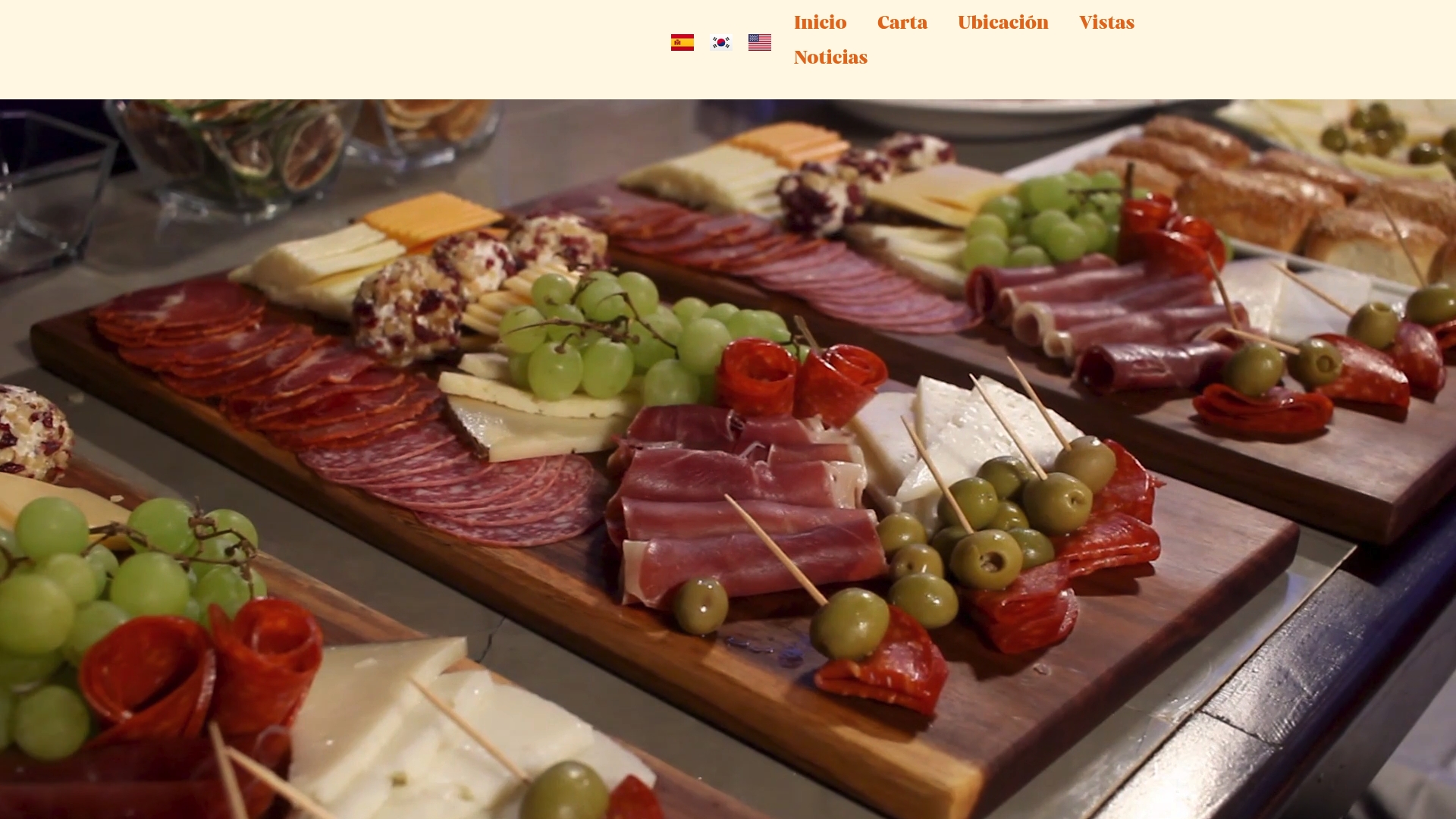
At Kokcha, located steps from the Sagrada Família, our menu reflects what Barcelona’s land and sea genuinely offer each season. We work with authentic Mediterranean flavors rooted in Catalan tradition, from fresh seafood tapas and seasonal salads to paellas and grilled specialties that change with what is best and most local right now. Our terrace gives you a view that feels like the city itself, and every dish on our menu is designed to give you a real taste of what Mediterranean cuisine means when it is taken seriously. Whether you are planning your first visit or you are a Barcelona regular looking for a kitchen that shares your values, we invite you to come and eat well.
Frequently asked questions
What are the best places in Barcelona to eat local food?
Markets like La Boqueria and Sant Antoni provide fresh, authentic local food experiences that are ideal for both tourists and residents looking to engage directly with Catalan food culture.
How does eating local in Barcelona benefit the environment?
Local and seasonal Mediterranean diets reduce GHGE to approximately 3.54 kg of CO2 per day, significantly lower than imported and animal-heavy dietary patterns.
Is all fish in Barcelona considered a sustainable local food?
Not always. Fish carries a high environmental impact even when caught locally due to refrigeration and transport needs, and chefs strongly advise respecting seasonal availability to maximize both sustainability and flavor.
Why is traditional Catalan cuisine at risk?
Tourism and modernization have reduced the presence of traditional Catalan restaurants, though a new generation of chefs is actively reviving authentic recipes and pushing back against the diluted versions served in tourist areas.